In Malibu, we learn early that beauty and risk live side by side. Ocean breezes cool our afternoons, and canyon winds can whip a small spark into a roaming ember bed in minutes. When a fire touches your home—whether a localized kitchen flare-up or smoke sweeping in from a nearby hillside—the question is not only how to clean up, but how to restore health, safety, and comfort quickly and completely. That urgency is why professional fire damage restoration in Malibu is so important. It is not a luxury or an extra step; it is the core process that turns a compromised structure back into a safe living space.
Fire damage is rarely a single problem. It is a layered event that includes heat distortion, soot deposition, water saturation, and sometimes chemical residues from extinguishing agents. Each layer behaves differently and can interact in ways that worsen damage if handled incorrectly. For example, protein fires from cooking often leave an invisible, sticky film that clings to surfaces and resists ordinary cleaners, while synthetic materials produce oily soot that smears under the wrong solvent. In our coastal climate, residual salts in the air speed up corrosion on metals and electronics once smoke compounds settle. These realities make a specialized response indispensable.
Why immediate action matters
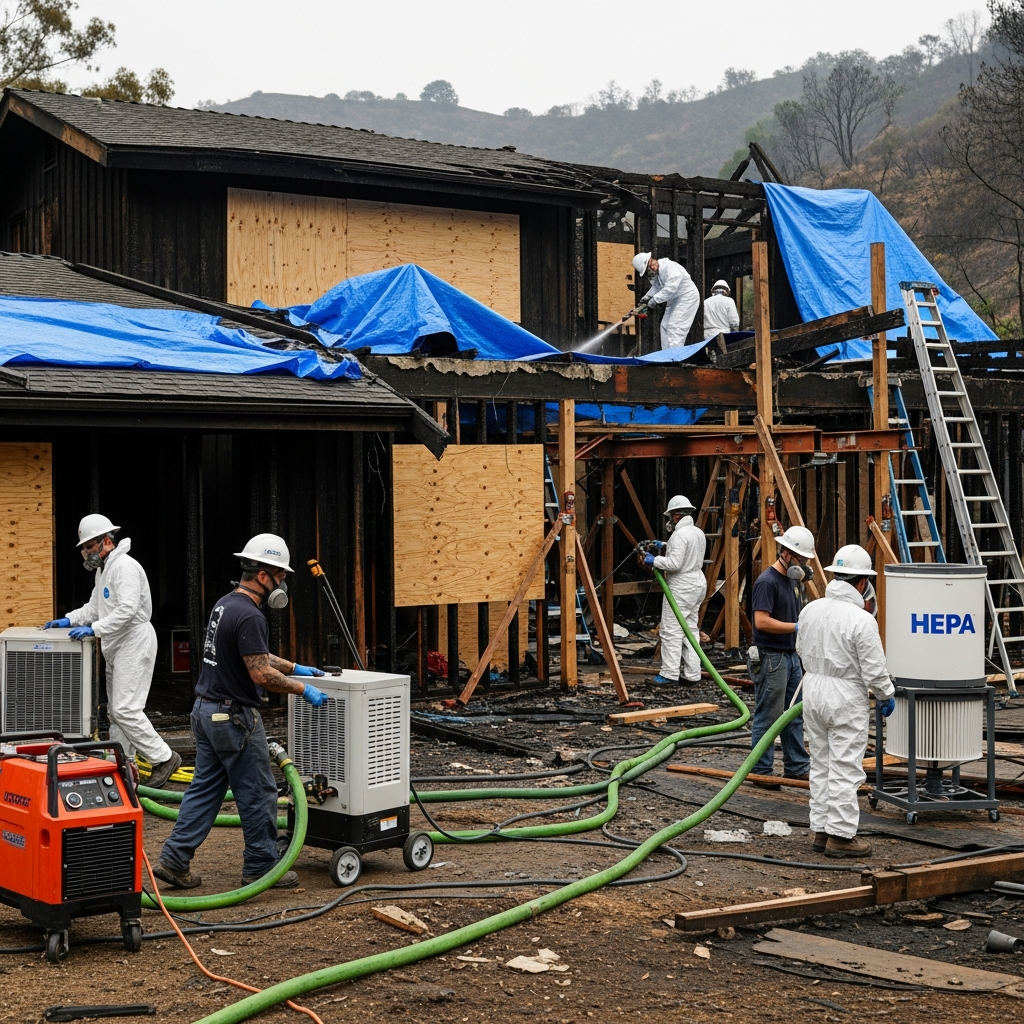
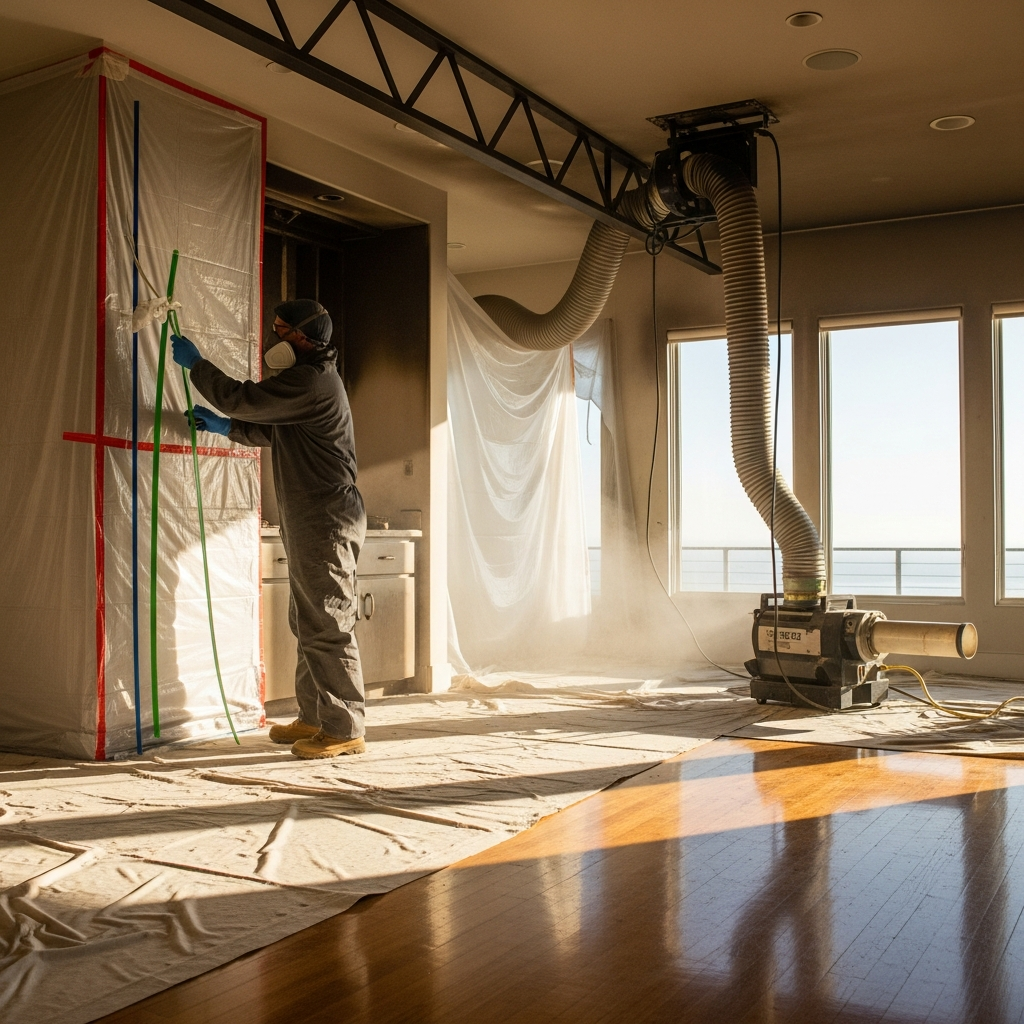
Time is a critical factor in protecting structural materials and indoor air quality. Within hours, acidic soot can etch glass, pit chrome, and stain stone. Within days, moisture from firefighting can wick through drywall, swell subfloors, and incubate microbial growth in hidden cavities. A professional team responds with triage measures: water extraction, containment, negative air pressure setups, and HEPA filtration to reduce airborne particulates while work proceeds. Addressing these risks at once protects your home from a secondary wave of damage that is often more expensive and disruptive than the fire itself.
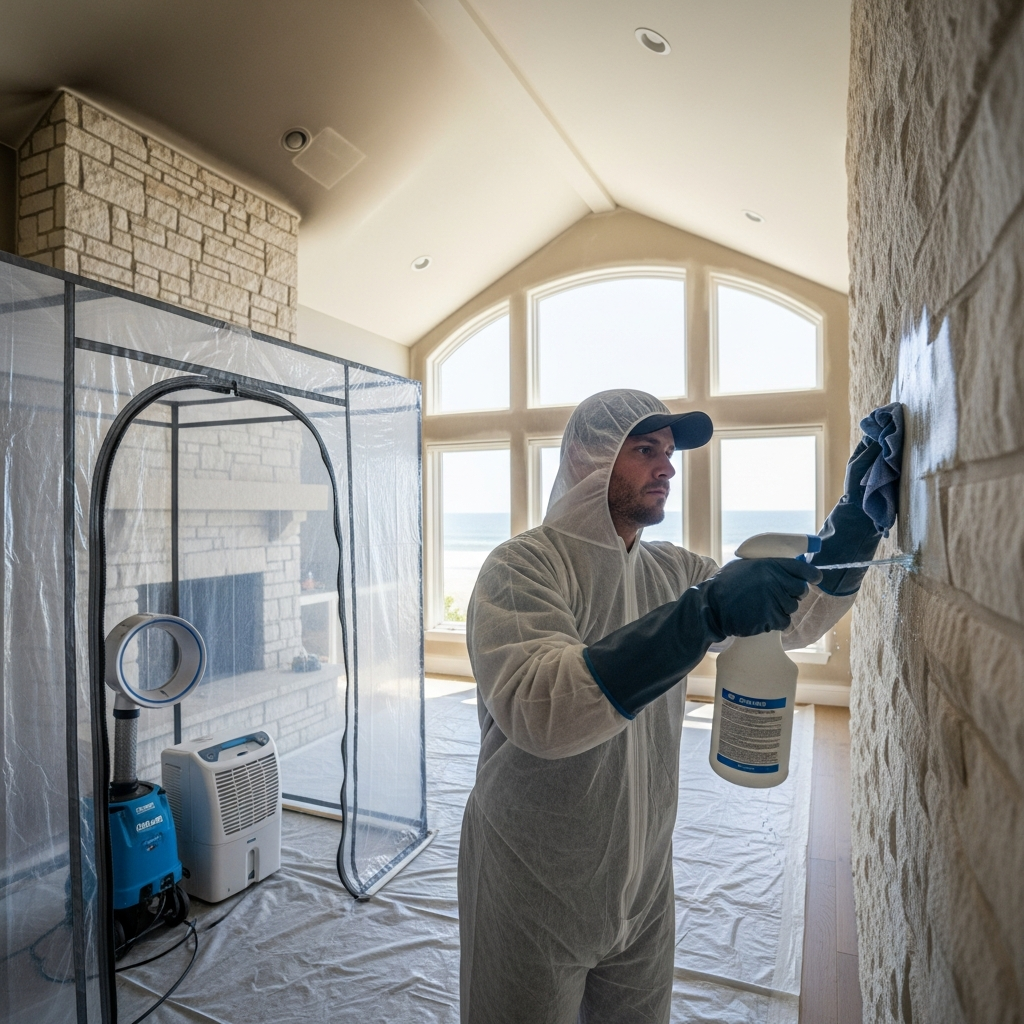
There is also a safety dimension. After a fire, indoor environments can contain fine particulates, off-gassing residues, and compromised electrical systems. Entering without proper protective equipment and air management increases exposure risks and can carry soot into clean areas. Restoration crews arrive equipped to stabilize the scene safely, allowing a detailed assessment without spreading contamination. In a setting like Malibu, where open-plan designs allow air and light to flow freely, containment and zoning are especially important to keep damage localized while work advances.
Understanding soot and smoke behavior
To appreciate why restoration is so important, it helps to understand how smoke behaves. Warm smoke seeks cooler surfaces, so it is drawn to exterior walls and windows, and it funnels into voids—attics, chaseways, and behind cabinetry. It also obeys air currents created by HVAC systems and even drafts from open doors. That is why rooms that never saw flames can still smell strongly of smoke or show ghostly webs of fine soot in corners and on light fixtures. In Malibu, with frequent temperature swings between day and night, the pressure differences can pull smoke deeper into materials, setting the stage for odors that re-emerge with the first heat wave if not addressed fully.
Effective cleaning is a sequence, not a single step. Dry HEPA vacuuming removes loose particles, followed by targeted application of alkaline or solvent-based cleaners depending on soot type. Rinsing, neutralization, and thorough drying complete the process. When odors persist at a structural level, techniques like thermal fogging or hydroxyl generation break down odor molecules without leaving behind fragrances that feel like cover-ups. This careful choreography prevents staining, protects finishes, and restores the breathability of your home’s air.
Water, humidity, and hidden moisture
Firefighting saves structures, but the water left behind demands its own mitigation. Malibu’s microclimates can trap moisture, especially in homes near the ocean where morning marine layers linger. Without quick extraction and dehumidification, moisture migrates into drywall and insulation, enabling mold growth that complicates recovery. Moisture mapping with meters and infrared cameras identifies wet areas that eyes miss, and strategic demolition opens cavities for drying where necessary. These steps are crucial for long-term health because they stop microbial problems before they become entrenched.
Floors and subfloors need particular scrutiny. Hardwood can cup and buckle; engineered flooring can delaminate; tile systems can trap moisture in thinset or beneath membranes. Professional drying plans account for material type, thickness, and temperature to avoid introducing cracks or warping through overly aggressive heat. The goal is to return materials to a stable, healthy equilibrium without creating new issues in the process.
Protecting contents and electronics
Contents restoration is another reason timing and technique matter. Malibu homes often hold a mix of high-value items and deeply personal keepsakes—surfboards, art, designer furnishings, and family heirlooms. Soot can be abrasive, so dry handling and careful packing are essential to avoid grinding residues into surfaces. Ultrasonic cleaning, foam-based methods for delicate fabrics, and controlled deodorization return items to pre-loss condition where possible. Electronics are treated with extra caution because smoke combined with coastal salts can corrode circuitry rapidly. Stabilization and inspection prevent premature disposal of salvageable devices and reduce the risk of powering on a compromised component.
Proper inventory documentation during pack-out also eases insurance interactions. Barcoded tracking and photo logs create a transparent chain of custody, ensuring that items are accounted for, evaluated, and returned efficiently. This organizational backbone is often the difference between a chaotic experience and a calm, predictable one.
Local expertise and Malibu-specific nuances
Malibu’s terrain, architecture, and climate shape how restoration unfolds. Steep driveways, tight access roads, and hillside properties demand careful equipment staging and logistics. Open-beam ceilings and large expanses of glass encourage smoke travel patterns that differ from compartmentalized houses. Salt air calls for corrosion-conscious cleaning and extra attention to fixtures, appliances, and mechanical systems. Restoration teams with local experience anticipate these variables and tailor solutions, saving time and preventing rework that comes from underestimating our coastal influences.
In the middle of a project, as demolition gives way to deep cleaning and odor control, many homeowners reevaluate the value of professional fire damage restoration in Malibu. What begins as a necessary response becomes a proactive investment in indoor air quality, durability, and day-to-day comfort. The difference shows up not only in cleaner surfaces, but in how a home feels when sunlight streams through without awakening a trace of smoke.
Compliance, permitting, and documentation
Another reason restoration matters is alignment with codes and documentation standards. Work that involves structural repair, electrical systems, or significant material removal must comply with local building requirements. Restoration professionals coordinate with inspectors, engineers, and adjusters so that remediation supports a smooth transition into permitted reconstruction. The paper trail—moisture logs, air quality readings, photos, and scope details—provides assurance to insurers and future buyers that the property was treated thoroughly and responsibly.
For custom homes and historic features, documentation captures finish schedules, paint formulas, and material sources so that replacements match or complement the original aesthetic. This level of attention guards the home’s character while ensuring modern performance and safety.
Odor control as a measure of completion
Ask any homeowner what made them feel “back home” after a fire, and the answer often centers on odor. When deodorization is complete, it signals that hidden sources have been removed or treated, and that air is once again clear. Odor control is both science and art: it pairs source removal with molecular treatments and verifies results under heat and humidity conditions that might otherwise coax smells back. Thorough odor work is a defining feature of high-quality restoration and a key reason why the process cannot be rushed or reduced to a basic wipe-down.
Equally important is preventing recontamination. Clean rooms are kept under positive pressure or isolated during work in other zones, and crews carefully sequence tasks so dust and soot do not resettle. This discipline shortens the path to completion and minimizes disruptions to your routine.
Preparing for a more resilient future
Restoration is the hinge between the emergency and the rebuild. Done well, it sets up a resilient future by clearing the way for smarter materials and design choices. Many Malibu homeowners use this moment to add ember-resistant vents, upgrade roofing to higher fire ratings, adjust landscaping for better defensible space, and select interior finishes that are easier to clean should smoke ever return. These improvements are practical without sacrificing the relaxed elegance that defines coastal living.
Indoor health upgrades often accompany structural choices: better filtration, routine HVAC maintenance plans, and low-VOC finishes that keep air fresh. The outcome is a home that not only looks renewed, but breathes easier and stands stronger.
Frequently asked questions
How quickly should I call a restoration professional after a fire?
As soon as first responders have cleared the property and it is safe to enter, call a restoration team. Early stabilization limits corrosion, staining, and moisture migration, and it allows accurate assessments for both remediation and insurance. The sooner mitigation begins, the fewer secondary issues you will face.
Can I stay in my home during restoration?
It depends on the extent of the damage and the areas affected. In some cases, containment and air filtration make partial occupancy feasible. In others, especially when structural work, heavy demolition, or extensive deodorization is required, temporary relocation is safer and faster. Your restoration team will advise based on air quality, noise, and disruption levels.
What makes Malibu restorations different from inland projects?
Coastal salt accelerates corrosion, marine layers affect drying, and open-plan architecture changes smoke travel patterns. Local access challenges on hillside roads can influence equipment and logistics. These factors call for corrosion-aware cleaning, calibrated drying strategies, and meticulous containment to prevent cross-contamination.
Will the smoke smell ever come back?
Not if the source materials are removed or treated correctly and odor control is performed thoroughly. Reappearance typically indicates trapped residues in cavities, insulation, or structural wood that were missed. A comprehensive approach addresses those reservoirs and verifies results under heat and humidity to ensure permanence.
How are electronics and artwork handled?
Both receive specialized evaluation and treatment. Electronics are stabilized quickly to prevent corrosion, then assessed for cleaning or replacement. Artwork and delicate items are packed by trained handlers, cleaned using appropriate methods, and stored in climate-controlled conditions until return. Detailed inventories provide visibility throughout the process.
What should I do first while I wait for help?
Prioritize safety. Avoid turning on electronics in affected areas, limit movement to prevent tracking soot, and do not attempt to wash painted or delicate surfaces. If safe, open windows in untouched rooms to improve ventilation, but keep affected zones closed to contain residues. Document damage with photos for your records.
If you are navigating the aftermath of a fire, do not face it alone. Partner with local experts in fire damage restoration in Malibu who understand our climate, codes, and coastal nuances. Reach out today to stabilize your property, protect your health, and move confidently from disruption to renewal.