In Malibu, the line between serenity and surprise is a thin one. Morning light pours across the Pacific, and by afternoon a wind shift can drive rain sideways or send spray over seawalls. When water finds its way indoors, the path from shock to normalcy often runs through two parallel tracks: technical restoration and insurance. Navigating both well is the key to getting your home healthy again while preserving your peace of mind. Over years of walking properties from Point Dume to Malibu Canyon, I have learned that success depends on preparation, documentation, and choosing partners who understand the coastal context as well as the policy language. That is especially true when you are selecting a team for water damage restoration.
The first hours after a discovery set the tone. Stop the source if you can, protect valuables, and call professionals who can stabilize the scene. Safety comes first when electricity and water mix, and even a seemingly clean intrusion can carry contaminants when wind has driven rain through roofing or when runoff has tracked across patios. A quality restoration team acts quickly, sets containment to protect clean areas, and begins documenting conditions from the first moments. That documentation is not busywork; it becomes the backbone of any conversation with your insurer.
Malibu’s homes are expressive and individual. Many feature plaster walls, wide-plank hardwood, and stone patios that transition seamlessly to indoor floors. These details are part of what makes life here special, and they shape the restoration journey. Insurers and adjusters respond well to clear, measured explanations of why certain steps are necessary to protect those finishes. A team fluent in both building science and communication can show how moisture has moved, where it has settled, and why a specific plan is the right one for your home.
Understanding Policy Language Without the Headache
Policies vary, but a few themes recur. Many distinguish between sudden and accidental events and longer-term maintenance issues. Some address roof leaks and drain backups with separate provisions. Flooding from rising water is generally handled differently than a broken supply line inside the home. You do not need to be an expert to start well. What you do need is a clear, concise description of what happened and independent documentation that supports it. Timely notice to your carrier, photographs, and moisture readings carry weight because they replace speculation with facts.
Additional Living Expense often becomes part of the discussion when a home is partially uninhabitable. Families with children, pets, or work-from-home needs may choose to relocate during noisier or dustier phases. Aligning schedules with the restoration team and keeping open lines of communication prevents surprises. Malibu’s rhythms—busy weekends, school calendars near Pepperdine, and coastal weather shifts—factor into planning so your life stays as normal as possible.
Preferred-vendor networks sometimes come up when you call your carrier. You are always free to choose the qualified professional you believe will best protect your home. Many Malibu homeowners opt for teams that have deep local experience with coastal humidity, custom finishes, and access constraints. The key is transparency: whomever you select should provide clear documentation that an adjuster can understand without a site visit.
Documentation: Your Best Friend in a Claim
From the moment the team arrives, the paper trail begins. Photos before and after stabilization, notes on the source and the extent of wet materials, and daily moisture logs build a trustworthy narrative. If selective removal is required—for example, a toe-kick off a custom cabinet to encourage airflow—documenting the reason, the method, and the protection measures reassures everyone involved that the approach is measured and necessary.
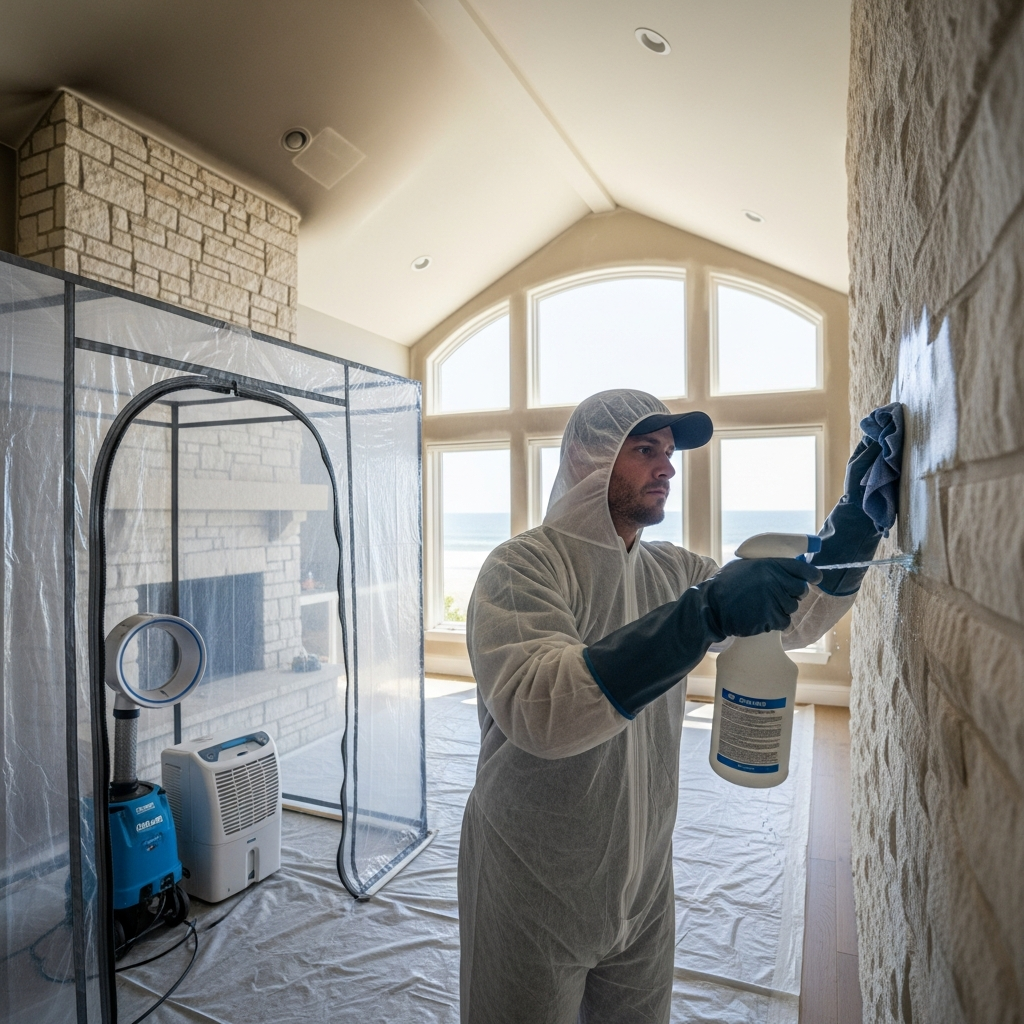
Containment plans also deserve explanation. In Malibu’s humid air, shrinking the drying environment with temporary barriers allows equipment to work efficiently without overburdening the rest of the home. Demonstrating how containment preserves indoor air quality while speeding progress is the kind of clarity that eases adjuster concerns and aligns expectations for all parties.
Coordination Between Restoration and Insurance
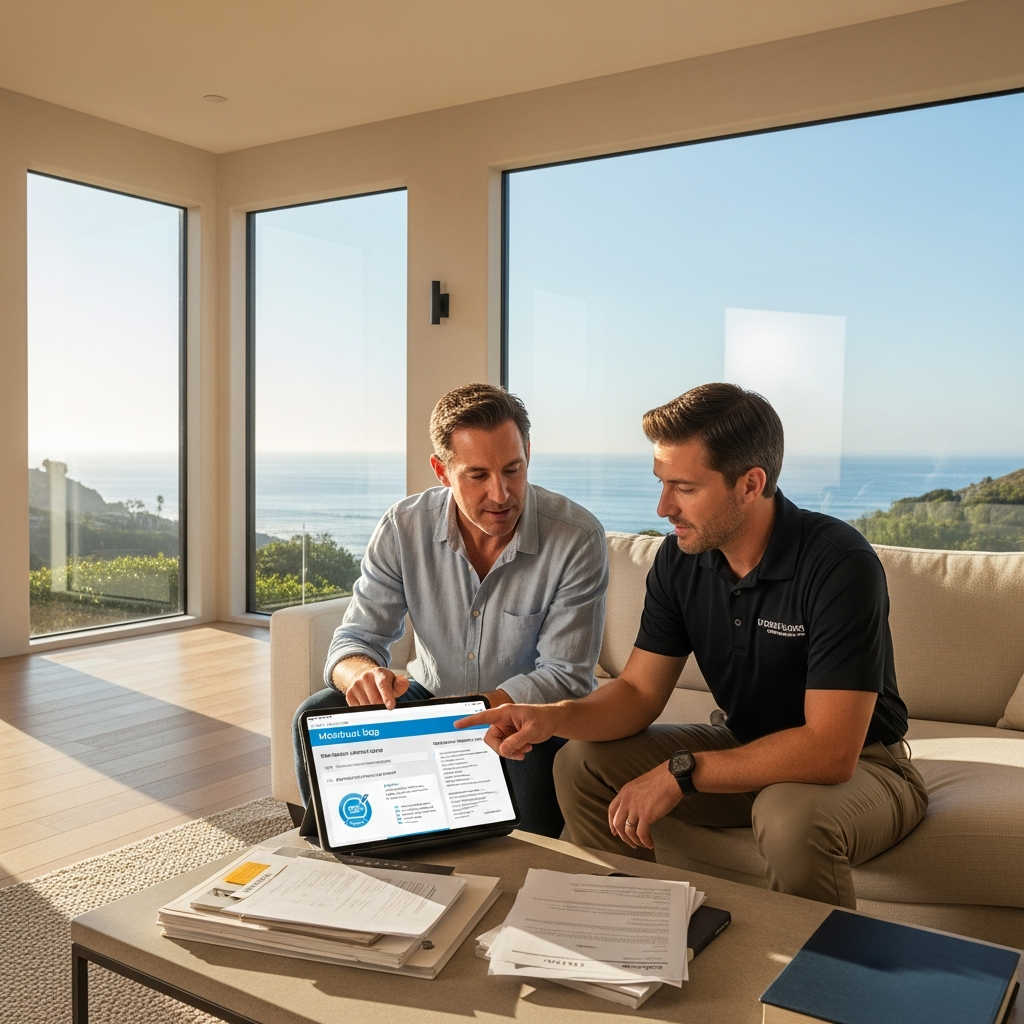
Good restoration teams do not just dry homes; they coordinate people and information. They communicate with property managers in oceanfront buildings, schedule around HOA rules, and help arrange access for adjusters when needed. They translate readings into language that makes sense to non-specialists and provide summary updates that fit the cadence of a claim. That coordination allows you to focus on your family and routine instead of acting as a full-time project manager.
Rebuild planning begins early. Even during mitigation, a seasoned team takes note of finishes, profiles, and textures so that the end result seamlessly matches the original. When the time comes to transition from drying to repairs, you will already have a sense of the timeline and the steps ahead. Malibu’s aesthetic—from smooth plaster to coastal wood tones—rewards attention to detail, and the right team brings in artisans when needed to ensure continuity.
Common Malibu Scenarios and How They Play with Coverage
Roof intrusions during wind-driven rain are a familiar story along the coast. Documentation that shows the pathway of water, the condition of roofing, and the immediate steps taken to protect interiors helps adjusters evaluate the event accurately. Leaks from supply lines or appliances usually involve a clear source and a defined timeframe, which simplifies the narrative. Groundwater or tidal influences may be treated differently under many policies, so early clarity about the source is crucial to setting expectations and planning next steps.
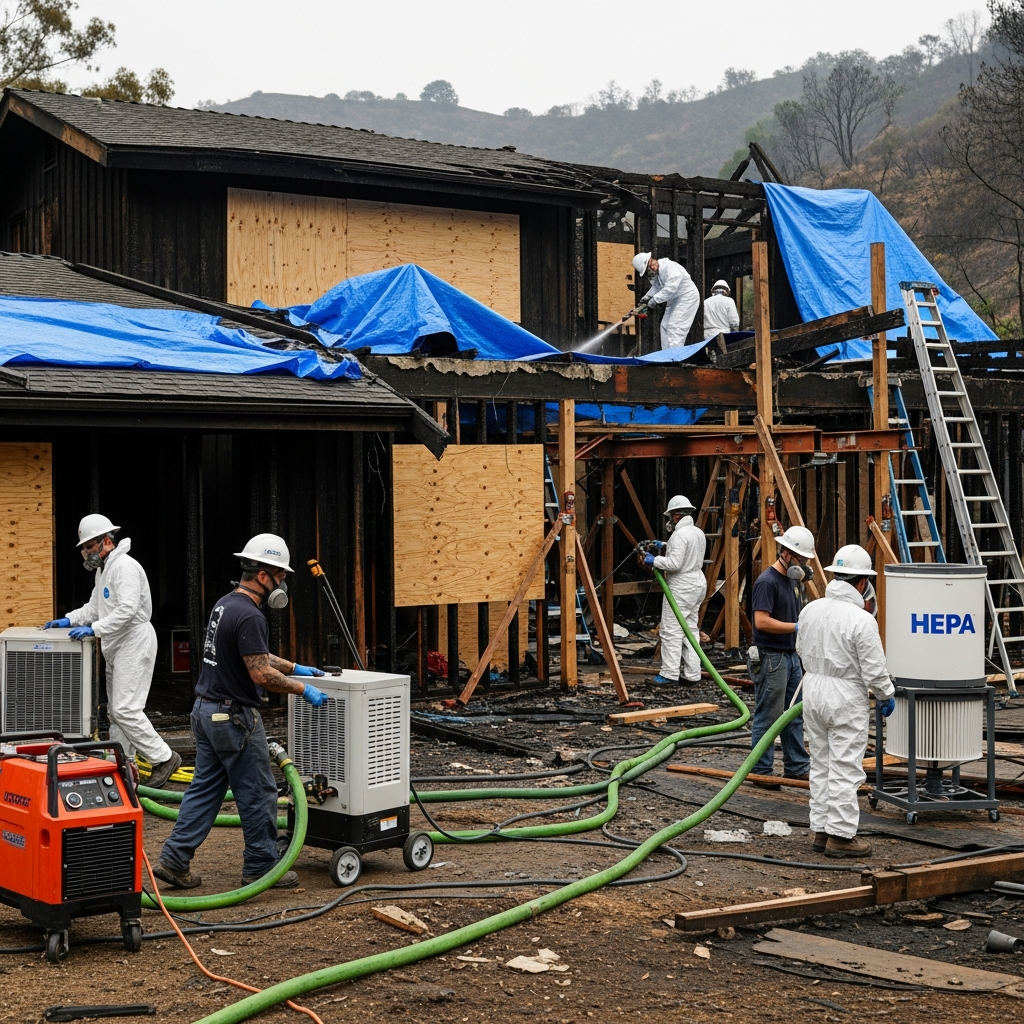
In homes affected by prior wildfires, compromised flashing or heat-stressed components can become weak points later when storms arrive. Understanding that context and investigating suspected paths thoroughly prevents misattribution and ensures the plan addresses root causes rather than symptoms. The best teams in Malibu bring that holistic lens to both the technical work and the claim file.
Protecting Indoor Air Quality While You Stay Home
Many Malibu families prefer to remain in place during mitigation. With thoughtful staging, that is often possible. Containment zones keep work areas separate, equipment placement preserves pathways, and filtration reduces dust. Communication about daily schedules—when machines will be loudest, when technicians will enter and exit—allows you to plan around the process. If you do step away for a time, you will return to steady progress and a home that feels cared for, not just dried.
Salt air adds a wrinkle. After an ocean-influenced intrusion, attention turns to fixtures and mechanicals that may have seen salty moisture. Targeted cleaning and protective measures reduce the chance of corrosion later. That level of foresight rarely appears in a policy, yet it matters to the longevity of your home and can be explained clearly in documentation so everyone understands why certain steps were taken.
Frequently Asked Questions
Do I have to use the company my insurer suggests? No. You can select any qualified professional. Many Malibu owners choose local experts who know coastal conditions and will document clearly for adjusters.
What should I document before calling my insurer? Note the time of discovery, take photos or video, and if safe, shut off the source. Share this with your restoration team so they can build on your documentation from the first visit.
Can I remain in the home during mitigation? Often yes. With containment and smart equipment layouts, families continue daily life. For comfort or safety, some choose short stays elsewhere during noisier phases.
How do adjusters view coastal humidity? They understand it exists, and they expect restorers to manage it. Clear logs and a sensible plan for dehumidification and airflow show that humidity is under control.
What if the source is unclear? Skilled teams use moisture mapping and inspection openings to trace pathways. Establishing the source early helps set appropriate expectations for coverage and scope.
How can I prepare before a claim ever happens? Know your shutoffs, maintain roofs and drainage, and keep contact information handy for trusted local pros. Simple steps shorten mitigation and reduce disruption.
When water upsets the calm of a Malibu day, clarity and care restore more than materials—they restore confidence. Choose a partner who can speak both the language of building science and the language of claims, who respects your home’s architecture and your time, and who treats documentation as an ally rather than a chore. If you want guidance that aligns technical excellence with insurance savvy, connect with a team dedicated to professional water damage restoration and to the particularities of our coastal community.
When the unexpected arrives, do not navigate it alone. Reach out to experienced Malibu specialists who will stabilize the scene, communicate clearly with your insurer, and protect your home’s beauty through each step of recovery. From first call to final finish, rely on experts in Malibu water damage restoration to turn a stressful moment into a confident, well-managed plan.