When you live and work in Malibu, you come to understand fire not as an abstract risk, but as a seasonal rhythm shaped by canyon winds, coastal humidity, and the rugged beauty of the Santa Monica Mountains. After a blaze, the first hours are defined by equal parts urgency and uncertainty: securing the structure, assessing what can be saved, and setting a plan that brings clarity when everything else feels disordered. That is where trusted local experts in fire damage restoration make the difference, translating hard-won experience into decisive action tailored to Malibu’s terrain, architecture, and climate.
From Broad Beach to Serra Retreat and the canyons above the Pacific Coast Highway, each neighborhood presents its own logistical puzzle. Narrow private roads, sensitive hillsides, ocean air, and periods of intense offshore winds shape how soot travels, how odors settle, and how moisture from suppression efforts behaves inside walls and under floors. Restoration companies that routinely work here plan around these realities from the first walkthrough, and they coordinate closely with homeowners, insurance adjusters, and local officials to keep a complex process moving without surprises.
What distinguishes Malibu-focused restoration companies
Firms that regularly operate in Malibu bring an understanding of how the microclimate accelerates corrosion on metals, how salt air interacts with smoke residue, and how quickly humidity can slow drying if it isn’t managed proactively. They anticipate access challenges on steep driveways, they protect nearby vegetation from cleanup byproducts, and they know which materials in a typical Malibu home—open-beam ceilings, high-end hardwoods, artisan tile, custom cabinetry—need special handling to avoid secondary damage during cleaning.
Equally important is local coordination. After a fire, there are often multiple stakeholders: city inspectors, insurance representatives, HOA boards, utility providers, and sometimes environmental consultants. Companies that know the cadence of Malibu’s permitting and inspection schedules can streamline clearance for temporary power, debris removal, and reconstruction, reducing downtime between phases.
The first 48 hours: stabilization and risk reduction
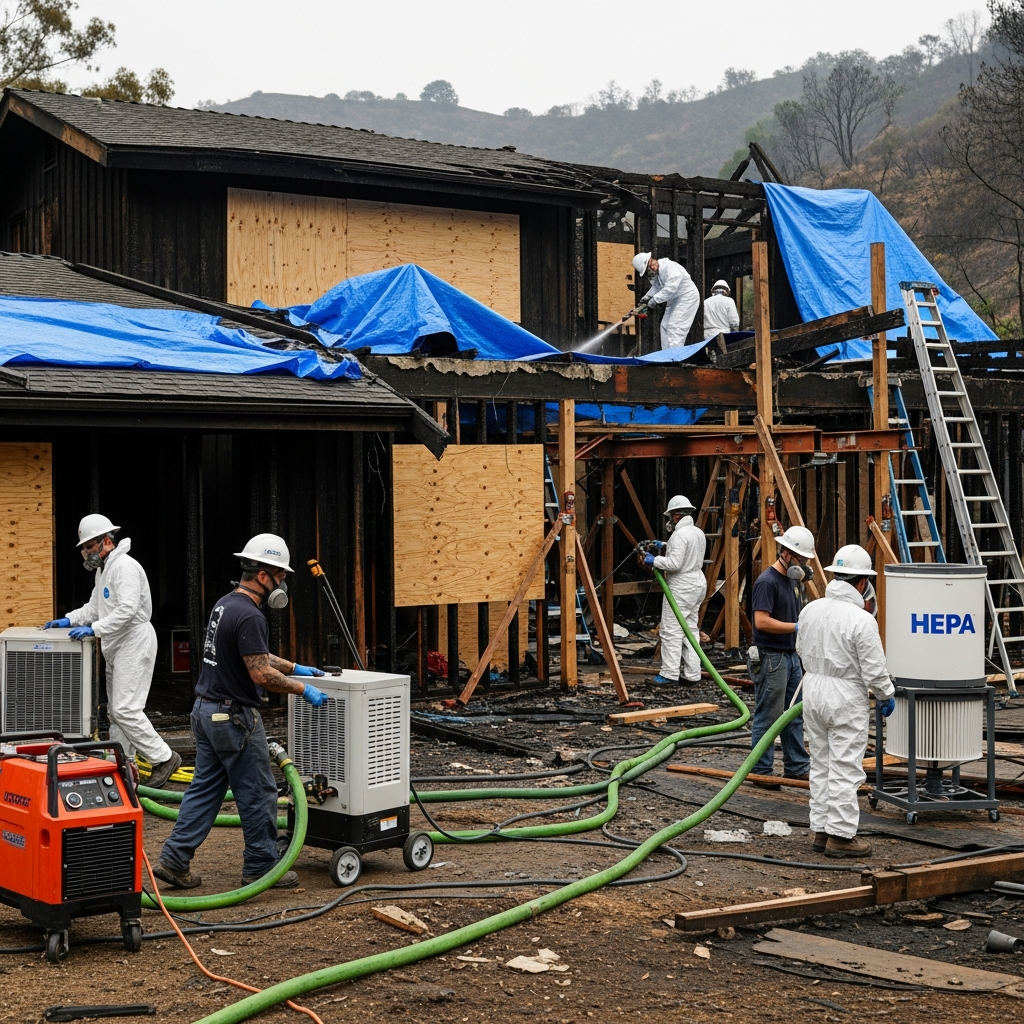
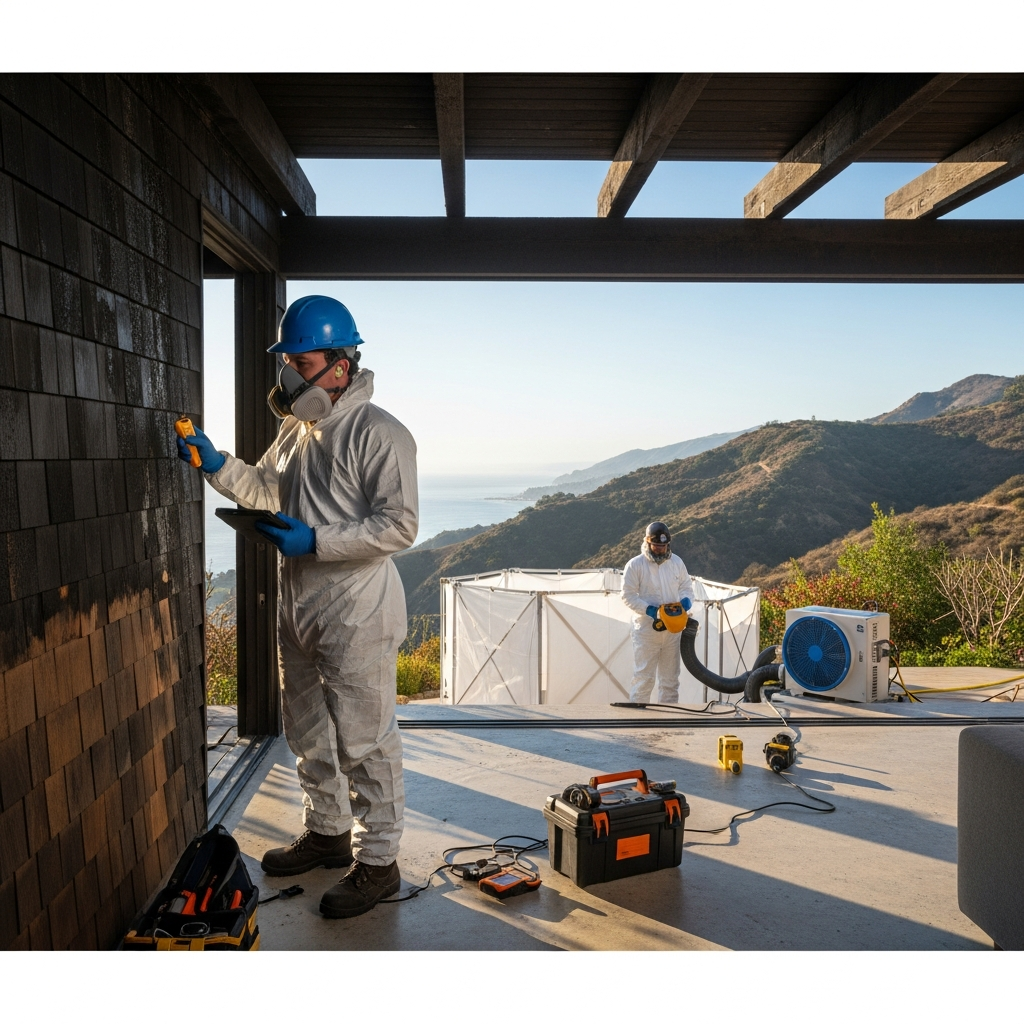
The earliest phase focuses on protecting what remains. That may include boarding up damaged openings, shoring compromised framing, setting negative air containment to prevent soot migration, and installing targeted dehumidification where water was used to extinguish flames. Technicians take detailed moisture and soot readings to guide decisions. In Malibu, where overnight temperatures and ocean fog can affect drying, smart placement of equipment and continuous monitoring keep materials from tipping into a state where mold or swelling becomes a compounding issue.
While every loss is unique, documentation is constant. Photographs, itemized inventories, and notes about pre-existing conditions become the backbone of productive insurance conversations. When handled with precision, this recordkeeping not only supports coverage decisions but also helps homeowners stay oriented as work moves from emergency response to detailed cleaning and rebuild planning.
Inside the clean: removing soot and smoke the right way
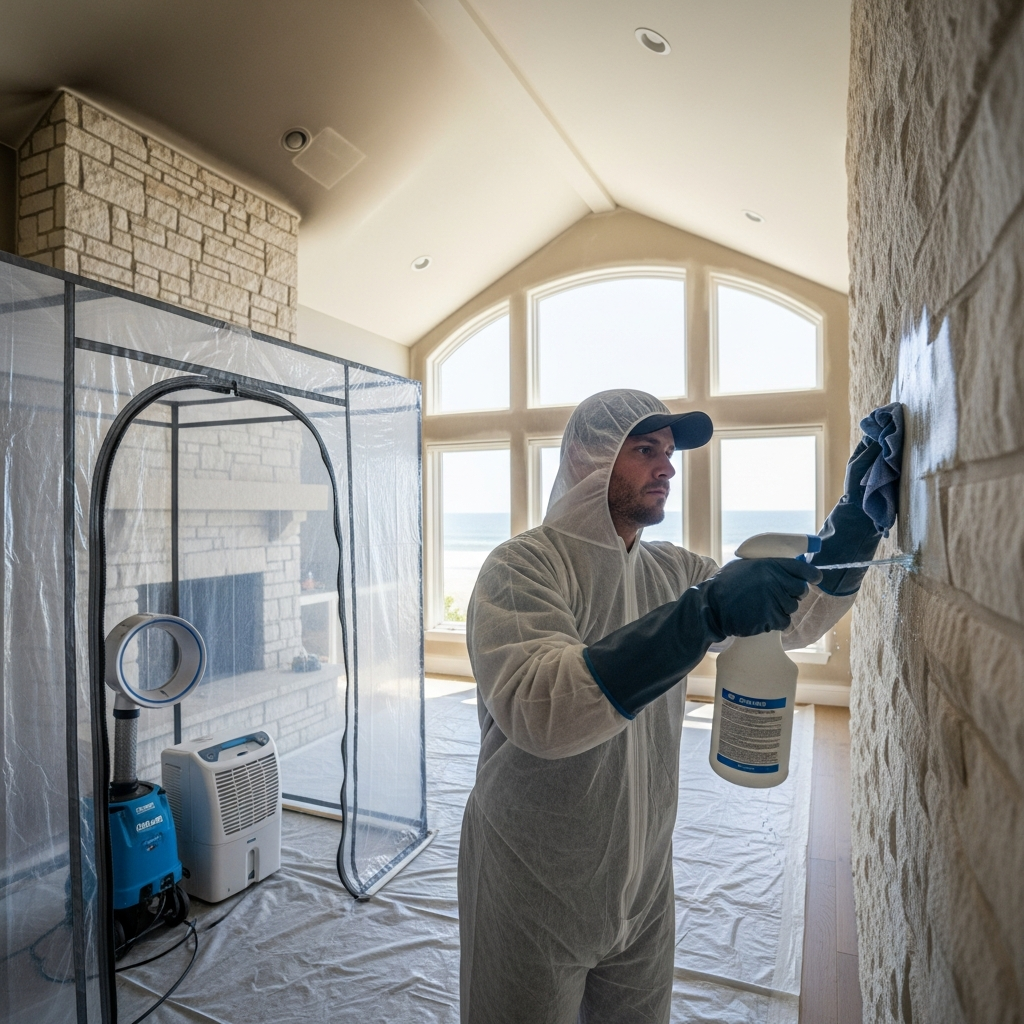
Smoke behaves differently depending on the fuel that burned and the heat profile of the fire. A low-smoldering kitchen fire produces oily residues that cling to surfaces and smear if treated with the wrong detergent. A fast-moving wildfire intrusion in a Malibu canyon might leave a dry, powdery soot that lodges in attic insulation and behind electrical plates. Professional restoration techs test residues, select the correct cleaning chemistry, and pair it with methods—HEPA vacuuming, dry sponging, wet washing, media blasting—appropriate to the surface.
Odor control is equally strategic. Rather than masking smells, a comprehensive plan neutralizes odor at its source, often combining thermal fogging or vapor-phase treatments with activated carbon filtration and targeted ozone or hydroxyl applications when safe and appropriate. In homes with open floor plans and high ceilings, managing air movement is crucial so that odors do not rebind to newly cleaned surfaces. Done correctly, the indoor environment begins to feel normal again long before the last carpentry repair is complete.
Contents care and cherished items
For many Malibu residents, the content of the home—artwork, musical instruments, textiles, books, and personal collections—carries as much meaning as the structure itself. Restoration companies with dedicated contents divisions carefully sort what is salvageable, photograph each item, and stabilize delicate materials. Fine rugs might be sent for immersion cleaning; electronics are evaluated for corrosion; and specialty partners are engaged for art conservation. Clear labeling and chain-of-custody practices ensure items can be found quickly and returned in an orderly way once the home is ready.
In the middle of the structural cleaning timeline, it is common to reevaluate priorities as testing results come back and as family needs evolve. At that point, many homeowners choose to lean again on local fire damage restoration experts for guidance about sequencing, temporary storage, and what to fast-track so that critical living spaces can be reoccupied sooner.
Working with insurers and navigating approvals
A well-prepared estimate that separates emergency services, cleaning, and rebuild components helps adjusters see the logic of the plan. Malibu-focused companies also understand documentation expectations when wildfire smoke intrudes without obvious flame damage, a scenario that can be misunderstood if residues are light but corrosive. They can articulate why certain assemblies—ductwork, for example—require specialized cleaning or replacement based on test results rather than appearance alone.
Because Malibu properties often sit in environmentally sensitive zones, restoration providers schedule debris handling and air quality safeguards to meet local requirements. They time inspections efficiently so the job stays on track, anticipating when a step, such as removing fire-damaged decking on a bluff lot, may warrant extra oversight. By setting these expectations early, the team reduces delays and keeps the household informed.
Rebuild and resilience
Once the home is cleaned, dried, and deodorized, attention turns to repairs. Skilled teams rebuild with an eye toward resilience, advising on materials that resist future smoke deposition, sealing strategies that reduce odor absorption, and ventilation improvements that help maintain healthy indoor air. They coordinate with designers and trades to restore finishes while preventing recontamination from dusty activities. In Malibu, where natural light, ocean exposure, and hillside drainage all influence performance, the details matter.
Communication is the throughline. Homeowners appreciate regular updates that explain what’s complete, what’s next, and what decisions will be needed. A good project manager translates technical steps into a clear path, making space for questions while keeping momentum. That transparency transforms a stressful event into a collaborative process with milestones that feel attainable.
How to choose a trusted company here
Start by looking for deep local experience, demonstrated through references from Malibu neighborhoods, familiarity with canyon access, and fluency in working alongside area adjusters. Ask how the team handles contents, whether they conduct on-site testing prior to cleaning, and how they prevent cross-contamination between affected and unaffected rooms. Inquire about air quality controls and the documentation you’ll receive. Above all, assess whether the company explains options plainly and invites you into the decision-making process.
Also consider capacity. Following regional wildfires, demand can spike overnight. Providers who plan for surge scenarios—by staging equipment locally and maintaining trained labor—are better positioned to respond quickly without compromising quality. The right fit is a company that sets realistic timelines, backs them up with resources, and remains responsive if conditions change.
FAQ: How quickly can a restoration crew reach most Malibu neighborhoods?
Response times vary with conditions, but companies that operate here routinely stage equipment nearby and understand the access routes that remain open after a fire. They can often mobilize same day to stabilize the property, even when inspections and long-term planning will follow.
FAQ: What should I do before professionals arrive?
Prioritize safety. Avoid entering unstable areas, do not power up utilities that were shut off, and limit movement inside to prevent soot from tracking into clean spaces. If safe, open windows briefly to ventilate smoke, then close them to keep marine moisture from accumulating until drying equipment is set.
FAQ: Is all soot the same?
No. Soot varies based on what burned and how hot the fire was. Some residues are dry and ashy, others are oily and smear easily. Professionals test residues to choose the right cleaning method, which prevents spreading contamination and preserves finishes.
FAQ: Will the smoke smell ever fully go away?
With thorough source removal, targeted cleaning, and appropriate deodorization, smoke odor can be eliminated rather than masked. The key is addressing contamination inside cavities, HVAC pathways, and porous materials, not just visible surfaces.
FAQ: Can my belongings be saved?
Many can. Items are evaluated individually, stabilized, and cleaned using methods suited to their materials. Some may be better replaced for health or structural reasons, but a well-run contents program can restore a surprising amount.
FAQ: How long will the overall process take?
Timelines depend on the extent of damage, the complexity of the home, and the speed of approvals. A clear plan with defined phases—stabilization, cleaning, deodorization, and rebuild—helps set expectations and keeps progress visible.
When you are ready to move forward with confidence, lean on seasoned local specialists in fire damage restoration who understand Malibu’s rhythms and will guide you from chaos to clarity, one carefully planned step at a time.