When you live in Malibu, you quickly learn that fire season is not a date on the calendar—it’s a pattern in the wind. Ash on the patio furniture, a metallic hint in the air, neighbors refreshing weather alerts—these are the quiet preludes before the sirens. In those moments and in the days that follow, the difference between a home that bounces back and one that struggles often comes down to how quickly and how wisely restoration begins. That’s where the Valley steps in. The resources, experience, and logistics rooted in Woodland Hills are key for Malibu’s recovery, turning uncertainty into a steady, confident plan. To understand why, it helps to look closely at what comprehensive fire damage restoration really means here, and how a neighbor across the ridge has become an essential partner on the coast.
Wildfires and structure fires may look similar from a distance, but their aftermaths differ. A small kitchen flare can infuse protein soot deep into cabinets, while a wind-driven brush event dusts entire neighborhoods with fine ash. Add the Pacific’s moisture, and both scenarios demand speed and nuance. Left alone, residues begin etching glass, pitting fixtures, and embedding in textiles within hours. The crews who manage that clock most effectively tend to be the ones with the broadest reach—equipment on hand, specialists on call, and a practical map of the canyons memorized.
Why Woodland Hills is a cornerstone for Malibu recovery
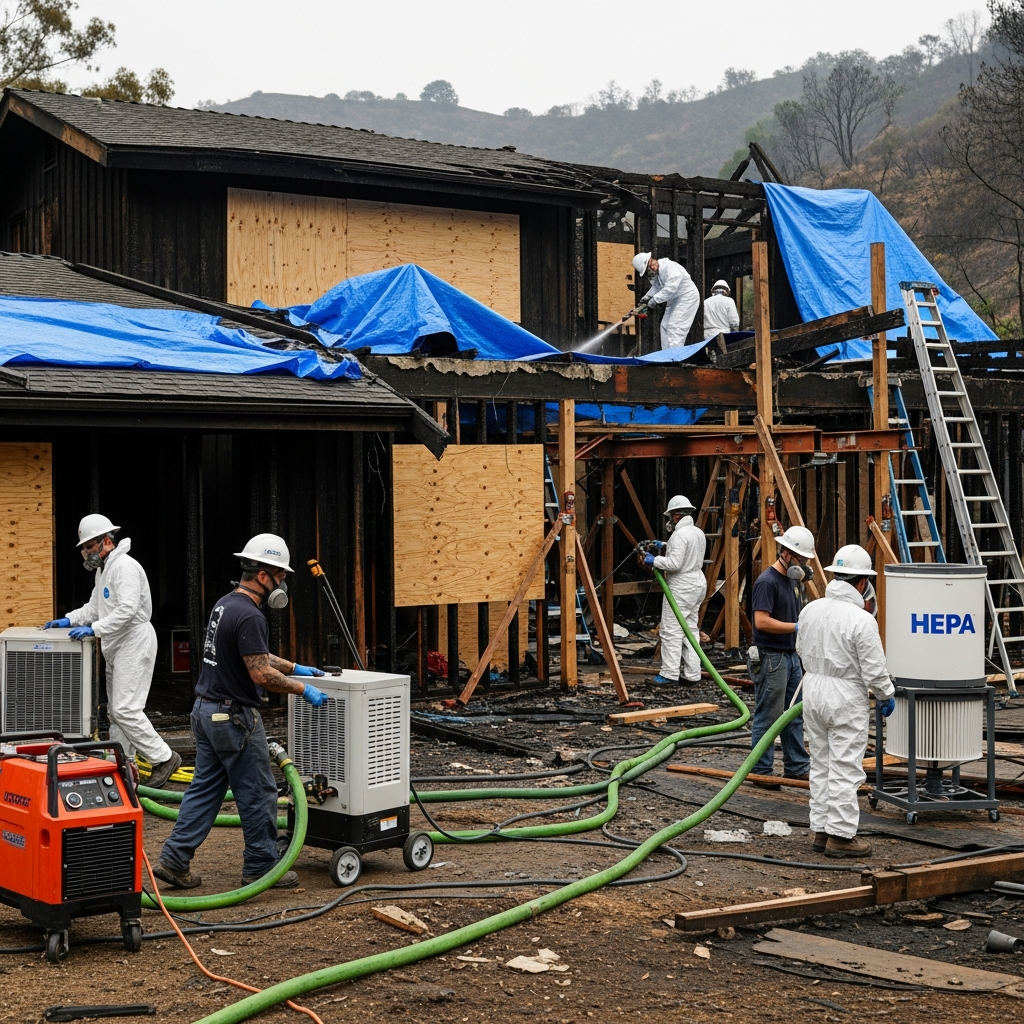
Geography matters, but so do hubs. Woodland Hills warehouses carry inventories that coastal storefronts rarely match: fleets of HEPA scrubbers, negative air machines, dehumidifiers, and the tools for precise cleaning and deodorization. During a regional event, that scale becomes Malibu’s safety net. Multiple crews can mobilize at once, staging near Calabasas and Topanga to bypass bottlenecks and arrive with what’s needed, not a wish list.
There’s also cross-training. Technicians who alternate between Valley tract homes and Malibu hillside residences learn to anticipate the quirks of each. They know which skylights are likely to admit drifting ash, where hillside framing hides moisture after suppression, and how ocean breezes complicate odor pathways. That lived experience shortens learning curves on your project, which means containment goes up faster, cleaning proceeds logically, and verification happens with confidence.
From emergency stabilization to final walkthrough
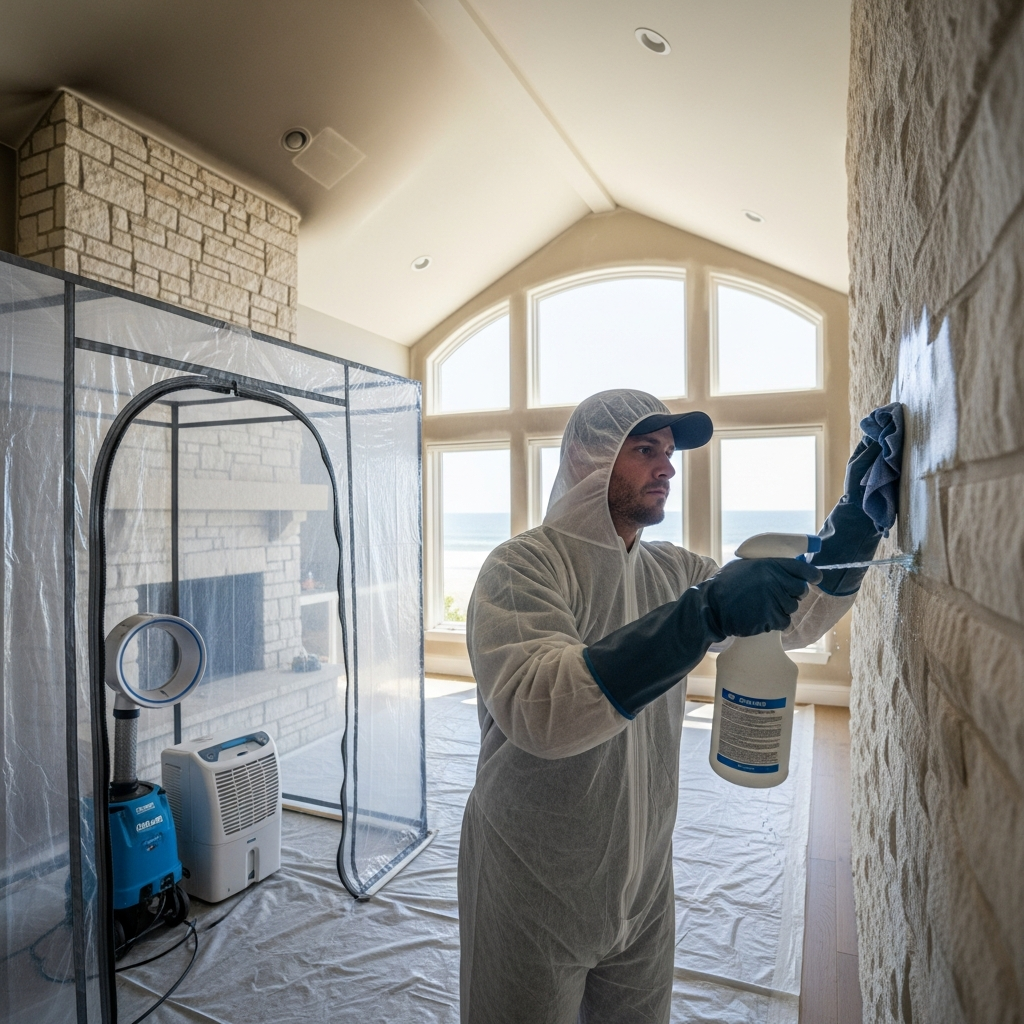
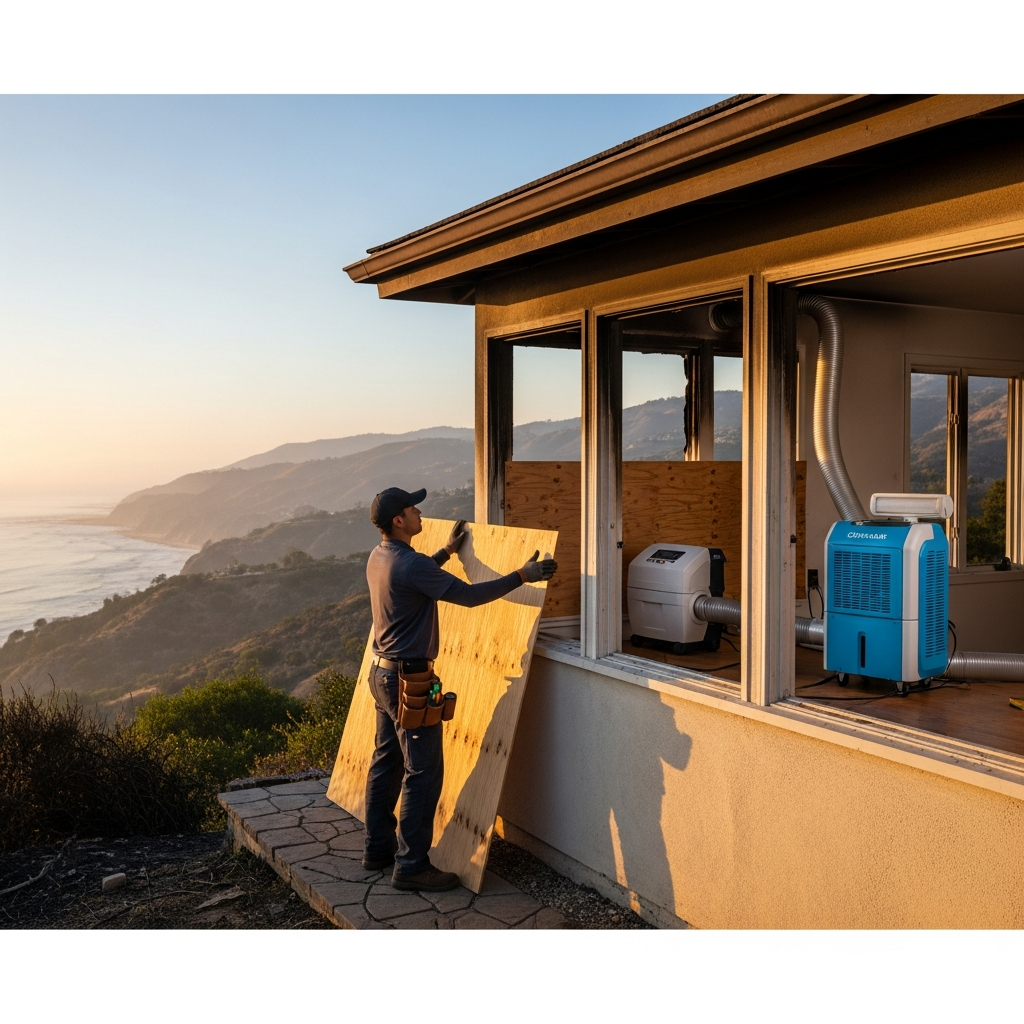
Restoration begins with safety—securing barriers, verifying electrical hazards, and installing temporary roof covers if embers compromised shingles. An initial inspection maps soot distribution and moisture migration. Containment follows, setting negative pressure to isolate affected areas from clean ones. HEPA filtration runs continuously, and dry cleaning methods lift loose soot without smearing. Wet cleaning then targets residues with the right chemistry—protein, dry soot, and oily deposits each respond differently, and the sequence is critical.
When water has entered the structure, drying begins immediately. Malibu’s humidity can hide moisture in drywall, trim, and framing. Moisture meters guide the placement of air movers and dehumidifiers, and readings continue until materials reach safe equilibrium. This careful approach prevents the secondary problems—warping, microbial growth, and lingering odor—that turn short recoveries into long ones.
Deodorization that respects both science and comfort
Odor is the most personal measure of success. It’s not enough for a room to look clean; it has to feel clean when you breathe. Source removal always leads, with cabinet interiors, insulation around recessed lights, and HVAC components on the checklist. Techniques like thermal fogging and hydroxyl generation can be used judiciously, but they work best as part of a plan built on targeted cleaning. When the work sequence is right, deodorization becomes finishing, not a cover-up.
Because Malibu homes often open widely to the outdoors, airflow patterns can carry odor in surprising ways. In practice, that means we verify results in stages, checking rooms at different times of day and under different ventilation conditions. If a slight smell reappears in late afternoon warmth, we track it to the source and correct it before closing containment.
Documentation and coordination: the unsung keys
Paperwork is not glamorous, but it unlocks momentum. Detailed photo logs, moisture maps, and inventories form a narrative that insurers and inspectors can follow. When the story is clear, approvals come faster, and repairs can start without the stop-and-go that exhausts families. Woodland Hills-based teams that frequently work in Malibu build these narratives as they go, anticipating adjuster questions and aligning documentation with local permitting needs.
Coordination with trades seals the deal. There’s little more frustrating than finishing deodorization only to have a dusty roof repair undo it. Sequencing matters, and an experienced project manager protects the order of operations. Carpenters, roofers, HVAC techs, and painters are scheduled with deliberate overlap or separation so the work of one supports the next.
Mid-project lessons that keep outcomes strong
Even the best plan adjusts. Midway through, we reassess air scrubber placement, verify containment integrity, and walk attics and crawlspaces again. We revisit pack-out inventories, greenlight the return of cleaned soft goods, and confirm that moisture levels have truly stabilized. Each checkpoint is an opportunity to fine-tune, preventing last-minute scrambles and ensuring that what’s clean stays clean.
Exterior cleaning gets special emphasis in Malibu. Decks, planters, and rooftop patios can hold ash that drifts back indoors on shoes or wind. Addressing these zones—often in coordination with landscapers—locks in interior progress. It’s one more reason a well-resourced team is key: parallel crews can move inside and out without stepping on each other’s toes.
Health, occupancy, and peace of mind
Families often ask whether they can remain at home. With robust containment and constant HEPA filtration, partial occupancy is sometimes possible. We map safe corridors, designate clean zones for sleeping and cooking, and set daily cleaning touchpoints where work overlaps with daily life. When sensitive health circumstances suggest a break, we’ll tell you candidly. The goal is not just a restored house, but a process you can live through with as little disruption as possible.
Verification closes the loop. Whether it’s instrument readings or a more practical room-by-room assessment under different ventilation conditions, we won’t call a space complete until the air feels as clear as it looks. That certainty—walking into your living room at sunset and smelling nothing but ocean air—is the real finish line.
Resilience for the seasons ahead
Restoration is also a chance to invest in small upgrades that matter. Ember-resistant vents, sealed attic hatches, and improved door sweeps reduce smoke intrusion. Low-porosity paints and sealed stone make cleaning easier if smoke returns. Weatherstripping tuned for sea air helps doors glide while blocking particulates. These touches are not extravagances; they are the quiet keys to an easier future season.
Outside, defensible space planning and thoughtful storage routines—like bringing in cushions and covering grills during red flag warnings—shrink the target area for embers. The best time to make these decisions is while the home is already open for repairs, with trades on-site and capable of quick adjustments.
Frequently Asked Questions
Why are Woodland Hills resources so important for Malibu?
Because scale and proximity matter. Valley warehouses stock more equipment and can dispatch multiple crews quickly, keeping projects in Malibu from stalling. Familiarity with canyon routes and local permitting speeds both mitigation and repairs.
What makes coastal restoration different from inland jobs?
Salt air and humidity accelerate corrosion and complicate odor control. Techniques emphasize early electronics protection, careful drying of hillside structures, and targeted deodorization where airflow patterns are complex.
Can we stay home during restoration?
Sometimes, with strong containment and continuous HEPA filtration. We create safe pathways and clean zones to make daily life workable. For households with sensitive health needs, a short-term relocation can make the process more comfortable.
How do you confirm that odors are truly gone?
By focusing on source removal first, then measuring results. We inspect likely reservoirs—insulation, cabinet interiors, HVAC components—and adjust deodorization as needed. Final verification includes checks under varying temperatures and ventilation.
What small upgrades help most after restoration?
Ember-resistant vents, sealed attic hatches, improved door sweeps, and low-porosity finishes. These choices reduce smoke intrusion and make cleaning easier during future events, extending the benefits of your restoration.
If you’re facing the aftermath of a fire or smoke event, lean on the key resource that has helped Malibu recover time and again: a coordinated team with Valley-scale equipment and coastal know-how. We’ll respond quickly, communicate clearly, and protect what matters from day one. Take the first step toward recovery by arranging professional fire damage restoration now, and let’s bring your home back to the calm, clean air that defines life by the ocean.