Trends in fire damage recovery are not just headlines; they’re the real-world tools and techniques that determine how clean, safe, and quickly your Malibu home returns to normal. Working between Woodland Hills and the coast, I see firsthand which ideas are moving from trade shows into daily practice, and which are truly improving outcomes for families. From smarter containment to cleaner chemistry and better documentation, the most meaningful advances share one theme: precision. If you’re starting to research what a modern, effective plan looks like today, it helps to first understand the fundamentals of professional fire damage restoration and then explore how new approaches are reshaping every step.
Our region has its own rhythm. Santa Ana winds can carry smoke over the ridge in minutes. Coastal humidity and salt air accelerate corrosion. Hillside construction hides moisture from suppression water. The best new practices don’t fight these realities; they adapt to them. What follows is a look at the shifts making the biggest difference for Malibu homeowners, backed by the logistical strength and experience concentrated in Woodland Hills.
Trend: Earlier, smarter containment
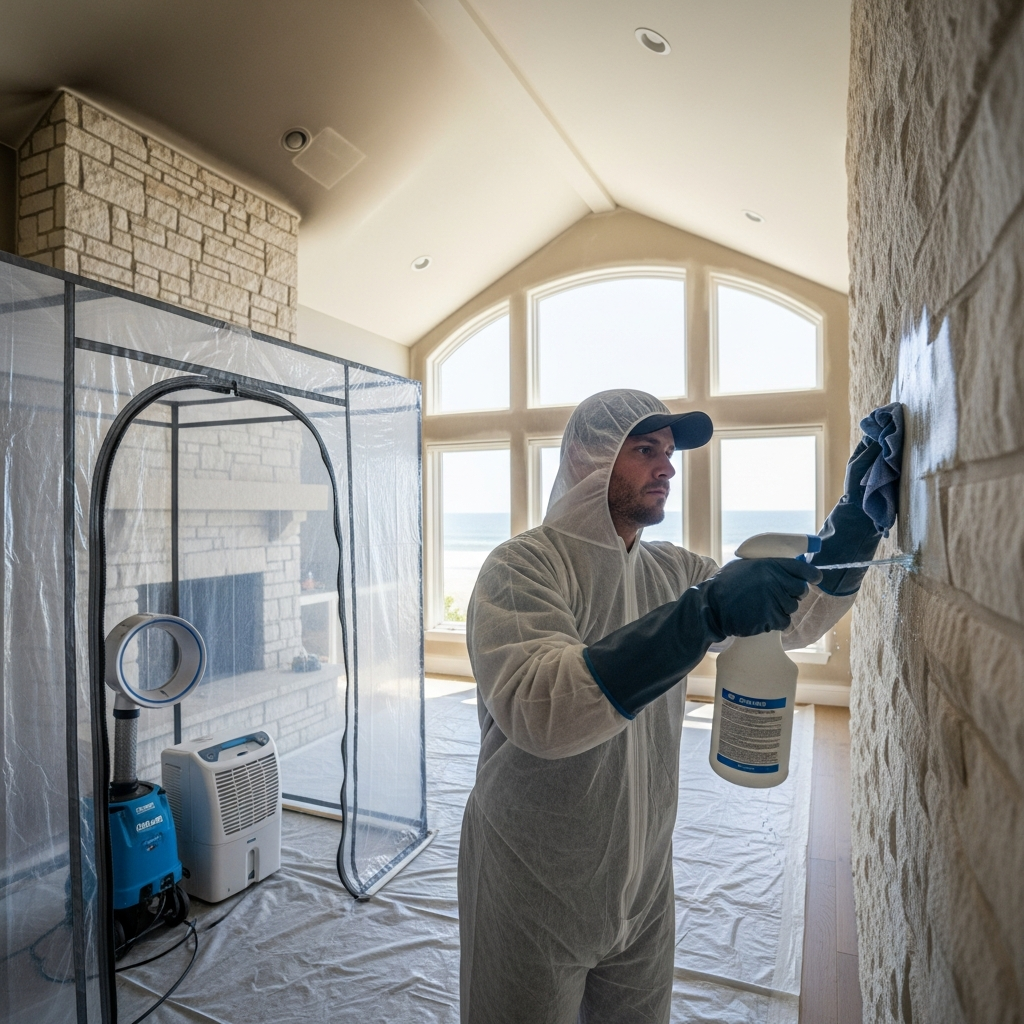
Containment used to be plastic sheeting and tape. It still is—but the thinking behind it has matured. We’re seeing faster deployment of negative air systems and more nuanced zoning inside homes, which keeps clean areas truly clean while technicians work nearby. In Malibu’s open-plan homes, where sliding doors and clerestory windows create complex airflow, earlier containment prevents soot from migrating to upper floors and far corners. The result is fewer passes during cleaning and a shorter overall project.
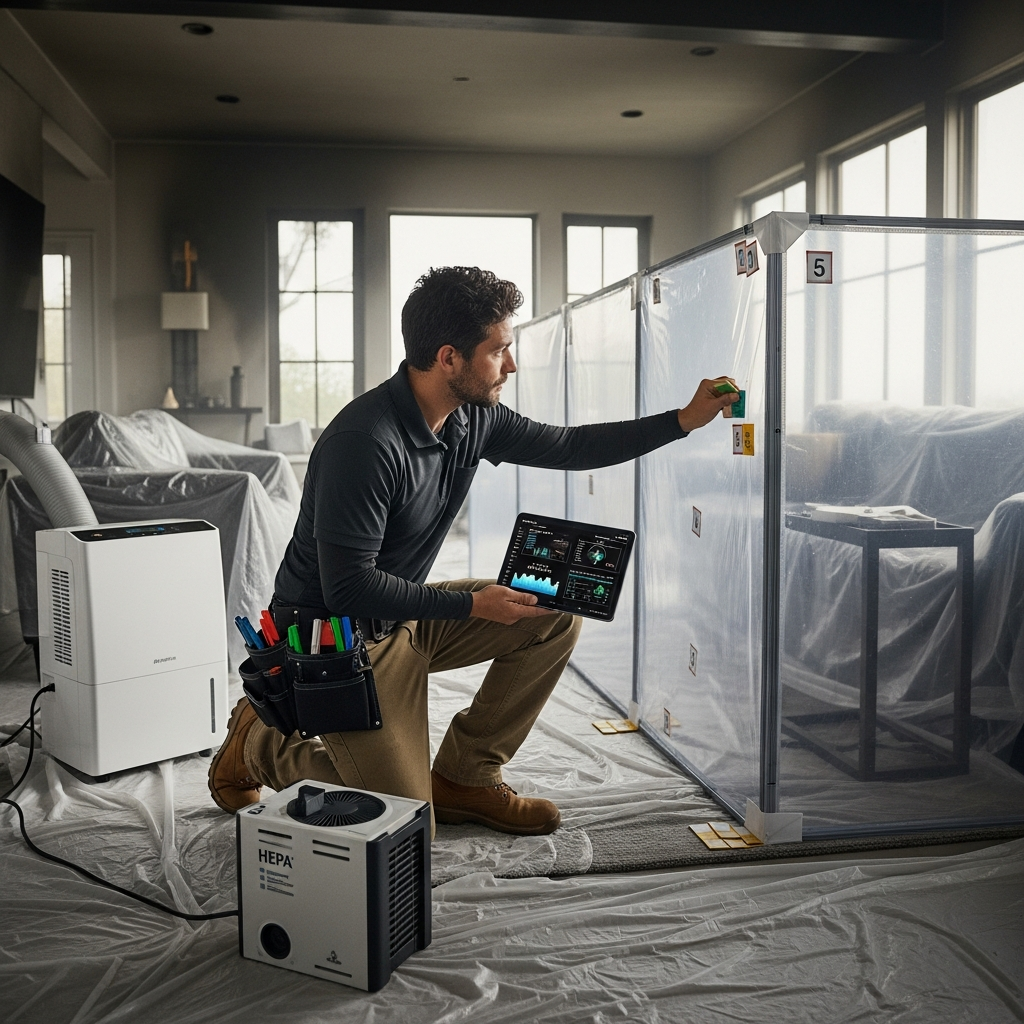
Portable HEPA air scrubbers have become quieter and more efficient. That matters when families are partially occupying during restoration. Lower noise and better filtration make it easier to live around the work, and improved sensors help us position units where they’ll capture the most particulates. In effect, the machines have gotten smarter, and so has the strategy behind their use.
Trend: Targeted chemistry and lower-residue cleaning
The industry’s chemistry is shifting toward products that leave minimal residues and work effectively at lower concentrations. That’s excellent news for Malibu homes, where salt air already contributes to surface films and corrosion risks. By pairing dry methods with carefully selected detergents, technicians are solving the biggest challenge—lifting sticky protein smoke and fine soot—without creating new films that attract dust later.
We’re also seeing a rise in precision tools for delicate surfaces. Wood cabinetry common in coastal homes benefits from gentler surfactants and controlled moisture application, preventing grain lift and preserving finishes. The overarching trend is respect for materials, which translates into restoration that looks better and lasts longer without unnecessary refinishing.
Trend: Data-rich documentation
Homeowners and insurers alike expect clearer, more visual documentation. Today’s projects increasingly include photo narratives, mapped soot distribution, and moisture logs that chart drying progress day by day. In practice, this transparency accelerates approvals, reduces disputes, and keeps repairs on schedule. For Malibu, where permits and inspections can intersect with restoration, these records create a coherent story that officials and adjusters can follow with minimal back-and-forth.
For you, the benefit is confidence. When you can see how a room moved from ash-dusted to verified clean, and when moisture maps show framing at safe levels, you’re not taking anyone’s word for it—you’re witnessing the proof. That confidence helps families make decisions quickly, like greenlighting a cabinet reinstall or approving touch-up paint without worry.
Trend: Odor control by source, not scent
The most important shift in odor work is philosophical. Instead of trying to overpower smells, modern projects prioritize locating and removing reservoirs. Cabinet interiors, insulation around recessed lights, and ductwork are treated as likely sources from the outset. Deodorization methods, whether thermal fogging or hydroxyl, then finish the job rather than attempt to mask it. Malibu’s open designs make this especially effective, because lingering odors tend to migrate along airflow paths. When the source is gone, the path stops mattering.
Verification has improved too. Even simple tools—like particle counters and targeted sniff tests at different times of day—ensure that the solution holds when the sun warms a room or evening breezes shift. That means fewer callbacks and a more stable return to everyday life.
Trend: Coordinated trades and parallel workflows
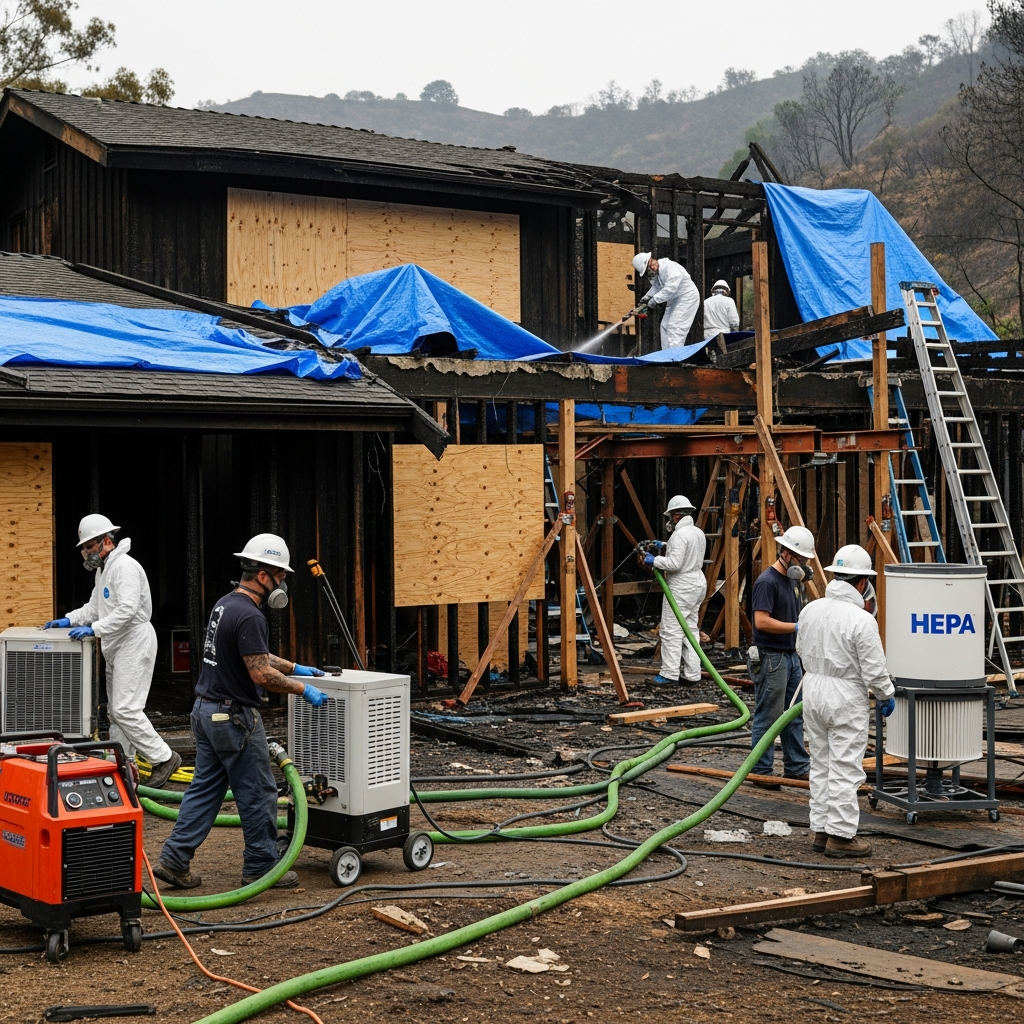
Another evolving practice is smarter orchestration among trades. Instead of waiting for one specialty to fully finish before the next begins, project managers are lining up parallel workflows where appropriate. For example, while interior cleaning wraps in one wing, exterior crews wash ash from eaves and patios to prevent recontamination. HVAC technicians schedule duct cleaning after interior soot removal but before final painting, slotting work to support the next step. In a place like Malibu, where daylight and weather windows matter, this choreography shortens timelines without shortcuts.
Woodland Hills functions as a staging ground for this complexity. With more equipment and labor available, a project can scale up or down quickly. If high winds trigger a regional event, extra crews rotate in without losing the thread of your home’s unique needs. That flexibility is a trend in itself: the move from one-size-fits-all schedules to tailored, responsive plans.
Trend: Resilience upgrades built into restoration
More families now use restoration as a chance to strengthen their homes. Small, sensible upgrades—ember-resistant vents, sealed attic hatches, improved door sweeps, and low-porosity finishes—are becoming standard line items. The goal is to reduce smoke intrusion and make future cleanups simpler. In Malibu’s climate, where sea air and sunshine are constant companions, these choices also protect finishes from everyday wear.
Outside, defensible space is being rethought at a practical scale. It’s not only about large clearances; it’s about storing cushions and umbrellas during red flag days, choosing gravel or stone near sliders, and keeping gutters clear so ash doesn’t linger above living spaces. Restoration teams are folding these suggestions into final walk-throughs, making them part of the handoff back to you.
Trend: Homeowner engagement and education
Perhaps the most encouraging trend is how engaged homeowners have become. People are documenting contents with photos, keeping spare HVAC filters, and maintaining small kits with painter’s tape, gloves, and microfiber cloths for the first hours after a smoke event. That preparedness pays off in quicker stabilization and cleaner projects. Restoration isn’t a secret process anymore; it’s a partnership. When you understand why containment comes first or how deodorization works, you’re better equipped to support the sequence and avoid well-intended but counterproductive DIY steps.
Communication tools have kept pace. Project managers are using shared photo folders and simple dashboards to show progress and next steps. That transparency reduces stress and puts everyone on the same page, especially when families juggle school, work, and temporary living arrangements.
Trend: Gentle technologies with big impact
New doesn’t always mean flashy. Some of the biggest wins come from incremental improvements: air scrubbers that move more air with less noise, moisture meters with better precision, and deodorization methods applied more judiciously based on material science. The guiding idea is to intervene exactly where needed and no more. In Malibu’s high-finish interiors, that restraint keeps surfaces beautiful while making the air genuinely clean.
There’s also a renewed caution around heavy-handed tactics. For example, overusing certain oxidizing methods can dull finishes or create secondary odors. The modern trend is balance: use the right tool, in the right place, for the right duration, and verify the result. That discipline is what makes cutting-edge work feel, paradoxically, calm.
Frequently Asked Questions
What trend makes the biggest difference for Malibu homes?
Earlier, smarter containment combined with targeted cleaning delivers the most noticeable results. It prevents soot migration in open plans, cuts the number of cleaning passes, and sets up deodorization to finish the job rather than compensate for shortcuts.
How do new practices affect project timelines?
Better orchestration among trades and data-rich documentation keep schedules moving. By aligning exterior washing, HVAC work, and interior cleaning in a supportive sequence, projects finish sooner without sacrificing quality.
Are new deodorization methods safer?
The trend isn’t toward stronger chemicals but smarter application. By focusing on source removal first, we use less invasive methods more effectively. That reduces the risk of residue or finish dulling and leads to a cleaner-smelling home that stays that way.
What role does Woodland Hills play in these trends?
It serves as a logistics hub with equipment and trained labor ready to scale. That capacity allows modern strategies—parallel workflows, rapid containment, and precise drying—to be implemented quickly in Malibu, even during regional events.
How can homeowners align with these trends?
Document your home with photos, keep spare HVAC filters, and learn basic smoke-day routines like sealing windows and doors promptly. During restoration, ask for clear scopes and progress updates so you can support the sequence and avoid accidental recontamination.
If you’re looking for a recovery plan that reflects today’s best practices—measured, efficient, and tuned to Malibu’s climate—choose a team that lives these trends daily. We’ll combine careful planning with responsive logistics, protect what matters most, and keep you informed from first call to final walkthrough. Take the next step by arranging professional fire damage restoration now, and let’s bring your home back to the clean air and easy rhythm that coastal life promises.