A thorough inspection is the backbone of a successful recovery after a fire event. For Malibu properties, where coastal air, hillside architecture, and complex access routes converge, inspections guided by Calabasas-based expertise provide clarity at a moment when everything feels uncertain. That first site visit is more than a walk-through; it is a systematic evaluation that sets priorities, protects health, and charts the most efficient path to normal. Engaging a team skilled in comprehensive fire damage restoration inspections ensures nothing important is missed and that the work ahead is sequenced intelligently.
Inspections start with safety and expand outward. The property must be stable, utilities assessed, and hazards identified before cleaning begins. In Malibu, that includes paying attention to roof access on steep lots, assessing decks and exterior stairs that see heavy salt and sun exposure, and verifying that embers did not enter through vents or eaves. Calabasas crews who visit these neighborhoods daily anticipate these concerns and bring the right tools—meters, cameras, and sampling kits—to document conditions for owners, adjusters, and building officials.
When done properly, inspections prevent costly detours. They reveal where smoke traveled, how water from suppression moved, and which materials need surgical care versus full replacement. The result is a scope of work that is credible, efficient, and aligned with the realities of Malibu’s permitting and access. It also provides a transparent narrative to guide the family living through the process, so each step makes sense and no one wonders what comes next.
Initial Safety and Structural Checks
The first responsibility on any site is safety. Inspectors look for structural movement, compromised roof framing, and signs that heat has affected load paths. Doors and windows are tested not just for operation but for alignment that may indicate subtle shifting. Electrical panels are examined for heat signatures and soot, while gas lines and mechanical rooms are verified safe before anyone spends extended time indoors. On steep or sandy lots, exterior stairs and decks receive particular attention because they can appear intact while fasteners and connections have weakened.
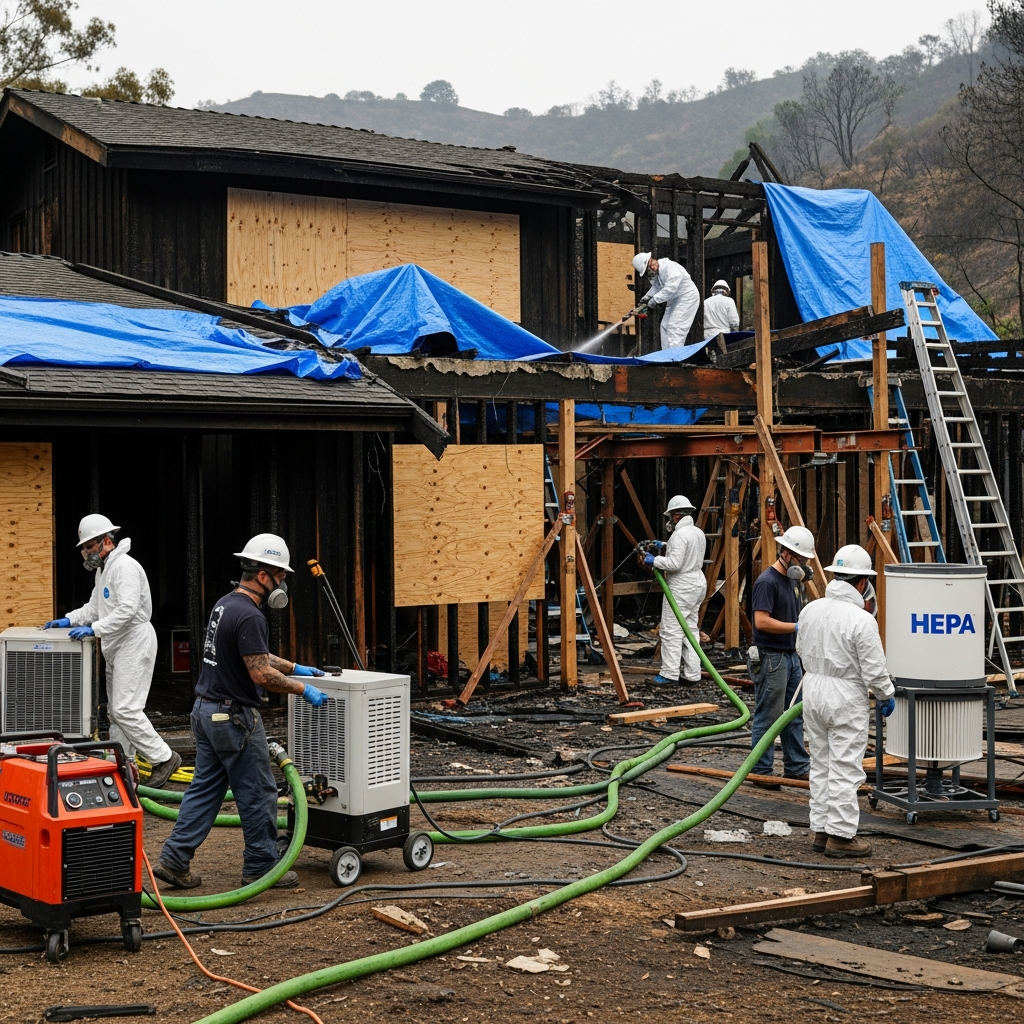
These checks are paired with decisions about access and stabilization. Board-up and tarping may be recommended immediately to protect interiors from wind-blown ash and coastal moisture. If charred material is shedding particulates, source removal in limited areas can begin even before the full plan is written, provided containment is in place. This two-track approach—stabilize and assess—keeps recovery moving while ensuring the deeper evaluation remains methodical.
Tracing Smoke Migration
Smoke does not distribute evenly; it follows air currents and temperature gradients. Inspectors map this movement by testing surfaces, opening chases, and looking at the relationship between return vents and room volumes. In Malibu’s open-plan homes, high ceilings and large sliders create pathways that draw smoke up and across spaces quickly. Attics are scrutinized through multiple access points to understand whether embers or fine soot entered through vents, ridge caps, or gaps around penetrations.
Understanding migration informs containment design. If smoke concentrated in upper levels or certain wings of the house, work zones are defined to prioritize those areas. This prevents recontamination, directs resources to where they matter most, and gives homeowners a clear sense of which rooms will be livable first as cleaning proceeds.
Water and Moisture Mapping
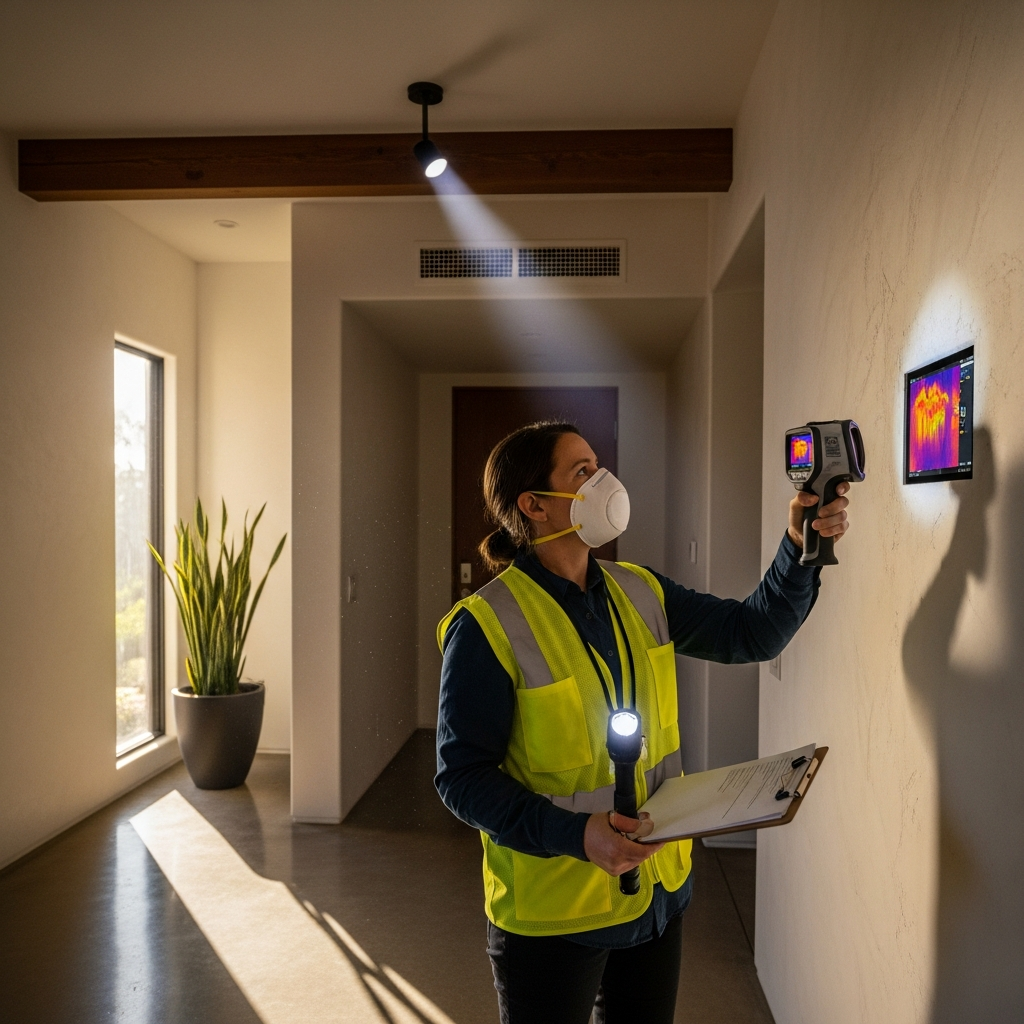
Suppression water can be both extensive and subtle. Moisture meters and infrared cameras reveal saturation in drywall, subfloors, and insulation, particularly around baseboards and at floor transitions. In multi-story homes, water often travels vertically along chases and openings, surfacing two rooms away from the origin. In Malibu’s climate, where mornings are cool and afternoons warm, moisture can appear to vanish during the day only to condense again at night.
Accurate mapping drives a drying plan that accounts for these rhythms. Airflow, dehumidification, and selective removal of wet materials are sequenced so moisture is reduced safely without over-drying sensitive finishes. Every reading is logged to create a record for adjusters and to confirm when areas have returned to acceptable levels, allowing reconstruction to begin confidently.
Material Identification and Testing
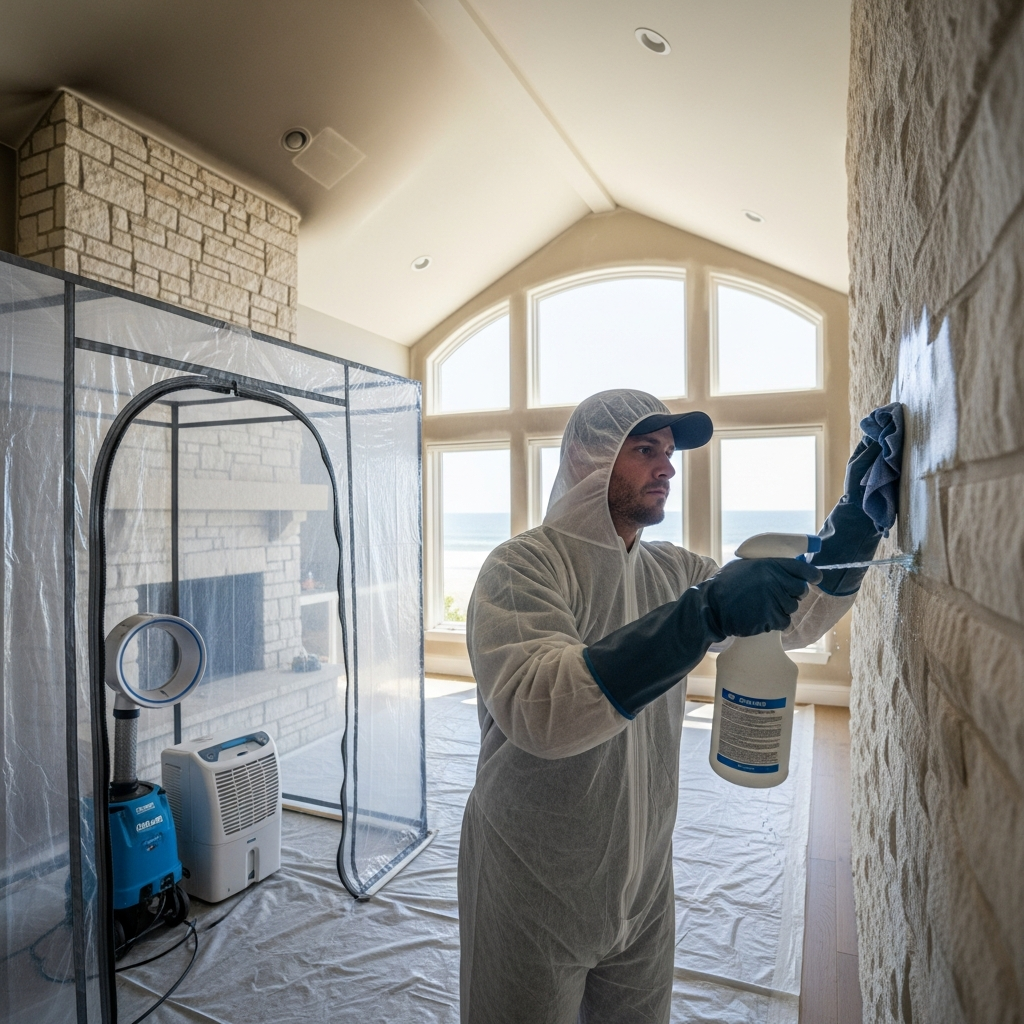
Not all soot is created equal, and not all surfaces respond the same way. Inspections identify material types—plasters, stones, finishes—and test cleaning methods in discreet areas. Protein-based residues from kitchens require different detergents than dry soot from brush smoke. Stone that looks robust can etch with the wrong approach, and some painted surfaces respond best to progressive, low-pressure cleaning rather than aggressive scrubbing.
These small tests save time later. When the team knows which techniques work and which do not, crews can proceed without guesswork. Owners see fewer surprises, and delicate finishes are preserved. The inspection becomes a rehearsal for the main event, proving out methods and documenting them for insurer approval.
HVAC and IAQ Assessment
Air systems are central to comfort and to the perception of cleanliness. Inspections include opening handlers, examining coils and housings, and testing duct interiors near returns and supplies. Odor readings when the system cycles often point to contamination even when surfaces look clean. For Malibu homes with multiple zones or separate guest suites, each system is evaluated so that no area remains a source of recontamination.
The inspection report will recommend a sequence: sealing registers during cleaning, filter upgrades and changes, and timing for handler cleaning relative to room-by-room work. When these steps are coordinated, indoor air quality improves steadily, and the returns do not undo the progress made in living spaces.
Exterior Envelope and Site Conditions
The building envelope—roofs, vents, doors, windows—often explains how smoke entered and where it settled. Inspectors check vent screens, soffit conditions, and weatherstripping, noting opportunities to improve sealing. Decks, patios, and outdoor kitchens are evaluated not only for cleaning needs but also for how their condition affects interiors. Ash on a deck, for example, becomes an indoor problem when doors are open; planning exterior and interior work together eliminates that loop.
Site conditions matter as well. Access for equipment on narrow or steep drives, staging areas that do not block neighbors, and debris pathways that keep interiors clean are all planned at this stage. These details make the difference between a project that hums and one that stutters.
Insurance Documentation and Communication
The inspection produces a packet that tells the story of the loss and the plan for recovery. Photographs, moisture maps, soot test results, and preliminary scopes give adjusters confidence and help owners understand the steps ahead. Clear documentation also anchors decisions about what to restore and what to replace, reducing debate later and speeding approvals. For exterior elements that touch code or architectural guidelines, the packet aligns proposed work with local expectations, saving time during review.
Good communication begins at inspection and continues through closeout. Owners receive a roadmap with milestones, and questions are encouraged. Transparency about unknowns—areas that will be reassessed after drying, for example—builds trust and makes it easier to pivot if conditions change as materials are opened.
From Inspection to Action
With the inspection complete, the team can set containment, order materials, and mobilize equipment with confidence. Crews know which rooms to tackle first, which systems to shut down or isolate, and which finishes require extra care. Homeowners know what to expect, which spaces may remain livable, and how long each phase should take. That clarity reduces stress and keeps everyone focused on the same goal: a safe, comfortable home returned to its full function and character.
In Malibu, inspections informed by Calabasas experience also consider resilience. Notes about ember-resistant vents, improved attic air sealing, or ignition-resistant decking appear in the report as recommendations to discuss once stabilization is complete. Pairing recovery with long-term protection does not slow today’s work; it simply extends the value of the effort.
Frequently Asked Questions
How soon should an inspection happen after a fire?
As soon as authorities clear the site and it is safe to enter. Early inspections capture conditions before they change, support better documentation, and allow stabilization to begin quickly. The first 24 to 72 hours are especially valuable for protecting finishes and reducing secondary damage.
What tools are used during inspection?
Inspectors rely on moisture meters, infrared cameras, particulate and odor indicators, and hand tools to open access points discreetly. Cameras document everything, and small test kits help identify soot types. The goal is to gather clear, objective data without creating unnecessary disruption.
Will the inspection disrupt my home?
Inspections are thorough but respectful. Expect access to attics, crawlspaces, and mechanical rooms, along with test cleaning in discreet locations. If urgent stabilization is needed—tarping, board-up, or source removal—it will be done with containment to protect the rest of the property. The process aims to inform and protect, not to demolish.
How does the inspection help with insurance?
Documentation is the bridge between loss and approval. Photographs, readings, and test results create a credible record that adjusters can evaluate quickly. A well-prepared report clarifies scope and reduces back-and-forth, leading to faster decisions and a smoother path to full restoration.
What if hidden damage is found later?
Good inspections anticipate unknowns and build in checkpoints after drying and selective opening. If conditions change as materials are removed, the scope is updated with new documentation. This flexible, transparent approach prevents surprises from derailing the project and keeps owners in control of decisions.
A detailed inspection turns confusion into a plan and worry into action. If your Malibu property has been affected by smoke or fire, do not wait to get clarity. Schedule a comprehensive assessment with a local team that understands our terrain, climate, and architecture. Start today with an expert fire damage restoration inspection and take the first confident step back to normal.