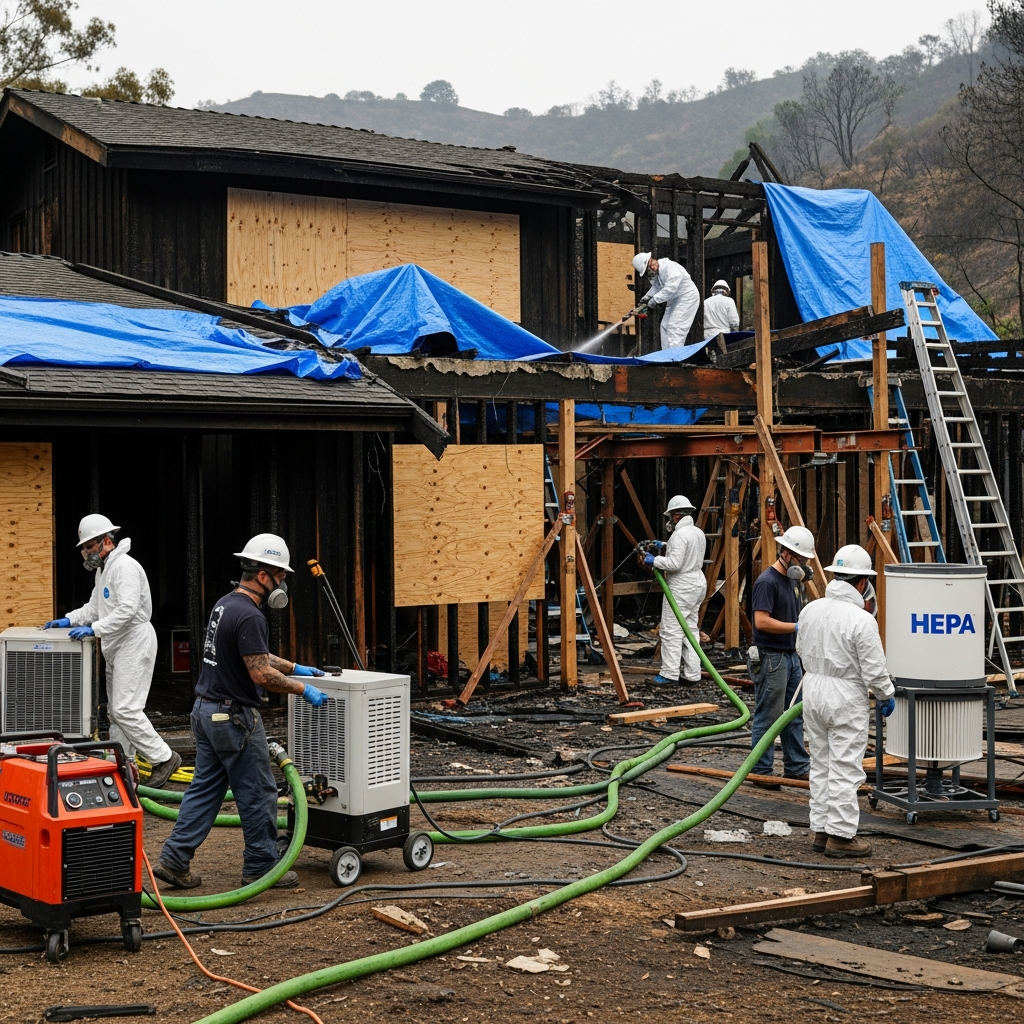
Between the chaparral slopes of the Santa Monica Mountains and the cooling reach of the Pacific, Malibu homes face a particular blend of risks when smoke or fire enters the picture. The issues that surface during restoration are shaped by topography, microclimate, and construction styles that make coastal living so appealing. Calabasas-based restoration teams encounter these patterns every week, and the lessons they have learned can spare homeowners time, frustration, and unnecessary loss. Understanding the most common problems—and how to solve them—turns an unsettling event into a manageable project. Early coordination with experienced fire damage restoration professionals sets the stage for that success.
While every property is unique, the way smoke behaves is remarkably consistent. It rides warm air, seeks cooler surfaces, and deposits where temperature changes or air slows down. In Malibu, where morning fog yields to bright sun and then cools again at night, soot tends to migrate, condense, and even reappear after a room seems clean. Recognizing these cycles helps plan work so progress sticks, rather than getting undone with the next change in weather or HVAC operation.
Material choices also influence outcomes. Open-grain woods, hand-troweled plasters, and natural stones are hallmarks of homes from Point Dume to Latigo Canyon. Each material holds onto residues differently and needs a compatible cleaning method. Using the wrong product, too much pressure, or the wrong pad can etch, scratch, or embed soot, turning a solvable problem into a permanent mark. The difference between a flawless recovery and one that shows its scars often lies in attention to such details.
Hidden Soot in Cavities and Attics
One of the most common issues is soot that escapes immediate notice. Attics draw smoke through soffit vents, ridge vents, and gaps around can lights or chases. Crawlspaces and wall cavities can also become highways for residues. Months later, a warm afternoon releases an odor and homeowners wonder why the smell is back. The fix begins with inspection: accessing attics, checking insulation, and testing surfaces for residues that are not obvious to the eye.
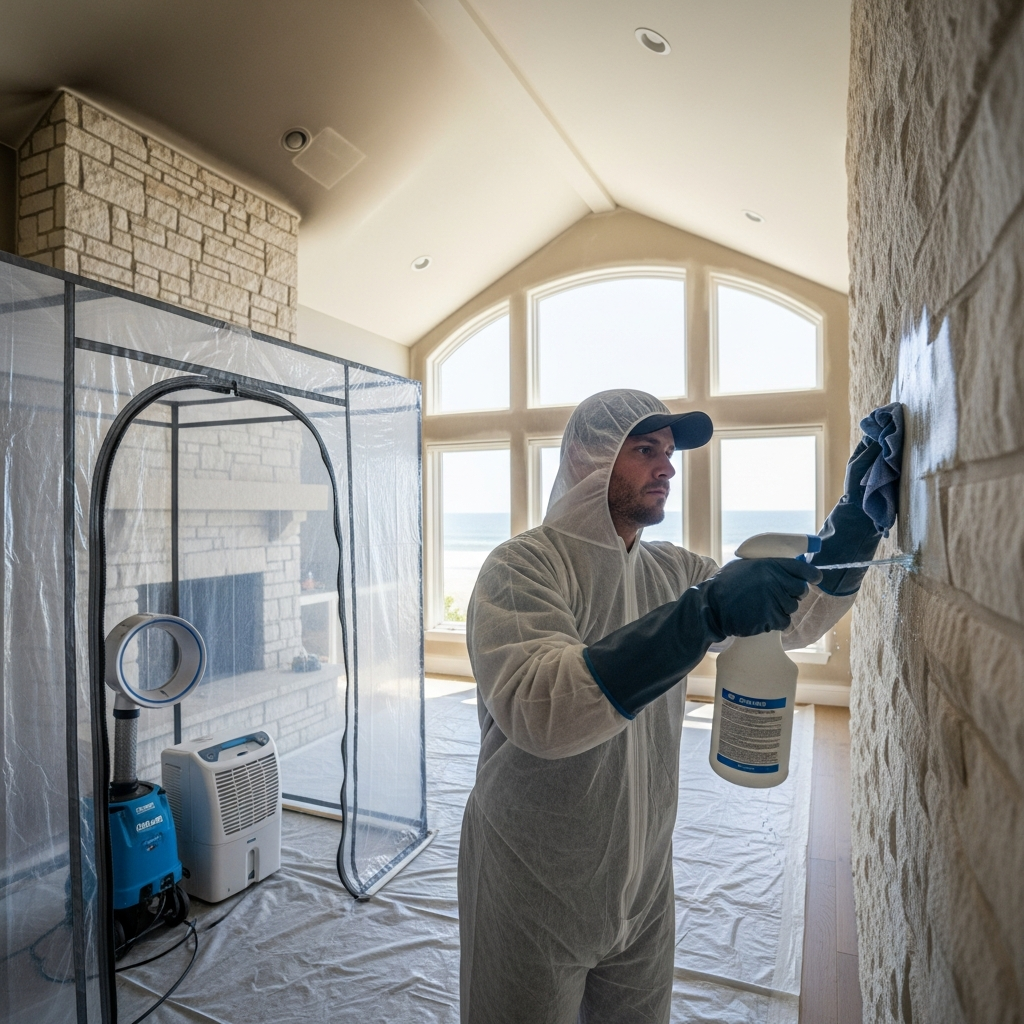
Proper containment and negative air pressure keep contaminants from migrating during cleanup. When insulation is saturated or coated, removal and replacement may be warranted. Where residues are light, vacuuming with HEPA filtration and gentle surface cleaning can restore conditions without wholesale demolition. The key is recognizing that what is out of sight still matters to comfort and health.
HVAC Contamination and Recirculation
HVAC systems spread soot efficiently. Return vents pull particulates into ducts, and air handlers can harbor residues on coils and housings. Even when rooms look clean, each system cycle may release new odors and irritants. A common mistake is cleaning rooms thoroughly while leaving ducts and handlers for last—or skipping them entirely. That approach nearly guarantees lingering issues.
Addressing HVAC early, with registers sealed during cleaning and filters upgraded and replaced, prevents recontamination. Internal components need attention, and in larger Malibu homes with multiple zones, each air handler should be treated as its own project. Completing this step before or in tandem with general cleaning locks in progress and keeps indoor air improving rather than sliding backward.
Moisture Intrusion from Suppression
Water used to fight a fire is both a blessing and a risk. In the rush of response, it soaks into subfloors, wicks up drywall, and settles behind baseboards. Left alone, that moisture invites microbial growth, warping, and paint failure. Coastal humidity can complicate drying, and nighttime temperature drops can slow evaporation. The result is often a house that looks fine but harbors hidden moisture.
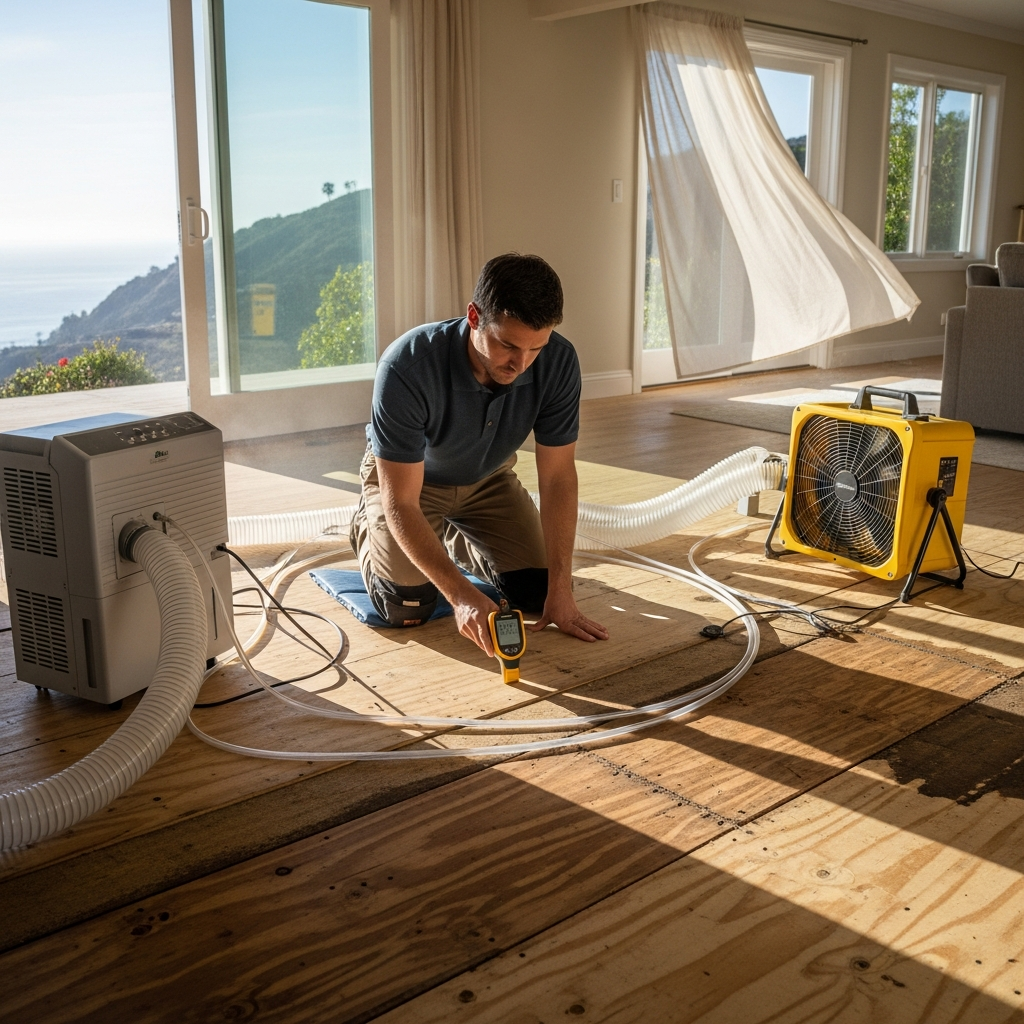
Moisture mapping with meters and infrared cameras reveals where water traveled. Strategic drying with balanced airflow and dehumidification—planned with an eye on Malibu’s daily humidity swings—removes that moisture safely. Skipping this phase or drying too aggressively can cause secondary damage, so pacing and monitoring matter as much as the equipment itself.
Etching of Stone, Glass, and Metal
Acidic soot and salt air make a punishing combination for stone counters, stainless appliances, and even window glass. Homeowners often wipe these surfaces in the first hours after a loss, unintentionally grinding in residues. The visible result might be faint haze or micro-scratches that catch the light at sunset. The invisible result is ongoing corrosion that pits and stains over time.
Early neutralization and gentle, material-specific cleaning stop this progression. Where etching has already occurred, polishing and restoration can often recover the surface. The best outcomes come from swift action, ideally before normal household cleaning begins, to preserve the integrity of finishes that define the look and feel of Malibu homes.
Odor That Returns with Weather Changes
Another common pattern is odor that seems gone for days, then flares up when the afternoon breeze dies or the marine layer rolls in. Temperature and humidity shifts change how compounds volatilize and how air moves through the building. If odor reappears, it is a clue that source material remains or that an air pathway has not been addressed.
Successful deodorization pairs thorough source removal with air treatment timed to local conditions. That might mean scheduling certain steps when the house can be ventilated effectively or after HVAC cleaning is complete. Patience is also part of the solution; some materials respond best to multiple gentle passes. With the right sequence, the odor disappears for good and does not return with the next weather change.
Challenges with Open-Plan and Indoor–Outdoor Designs
Malibu’s architecture celebrates flow: stackable sliders, high ceilings, and open kitchens that blur the lines between inside and out. Those same features can allow smoke to spread quickly and lodge in unexpected places. Textiles, acoustic ceilings, and even decorative plants can harbor residues. The volume of space makes containment more complex, and odor can seem diffuse and hard to pin down.
Restoration strategies adapt by creating manageable zones, using temporary walls and negative air to control airflow. Cleaning is sequenced so that progress in one area is not undone by work in the next. Attention to textiles and soft goods—rugs, drapes, upholstered furniture—is essential, as these materials often act as reservoirs for particulates and odors that re-seed clean rooms if left untreated.
Electrical and Mechanical Vulnerabilities
Heat and soot can stress electrical systems, especially at connections and in panels. Appliances exposed to heat or heavy smoke may function erratically. Mechanical equipment located in garages or utility rooms can draw in residues through combustion air paths. Overlooking these systems can lead to nuisance failures weeks later, just when life is returning to routine.
Inspections by qualified trades, paired with restoration cleaning, reduce these risks. Panels are evaluated for heat damage and contamination, appliances are tested carefully, and mechanical rooms receive targeted cleaning to keep systems running reliably. Any replacement decisions are documented thoroughly to support insurance and to help owners plan for long-term performance.
Exterior Surfaces and Landscaping
Ash on patios, decks, and landscaping might seem superficial, but wind and foot traffic can move it indoors. Wood decks and railings can trap soot in pores, leaving darkened grain or odors that intensify in the sun. Pools often collect ash that clogs filters, while planter beds can hold debris that migrates with irrigation. The line between outside and inside blurs quickly when doors and sliders open to capture an ocean breeze.
Exterior cleaning coordinated with interior work closes these loops. Decks, hardscapes, and outdoor textiles should be addressed thoughtfully to prevent reintroduction of contaminants. When schedules align, homeowners find that both the home and the spaces around it feel fresh at the same time, accelerating the sense of full recovery.
Documentation Gaps That Slow Claims
One of the most frustrating issues for owners is a slow or contested claim, often caused by incomplete documentation. Without clear before-and-after photos, moisture readings, and itemized inventories, adjusters have less to go on. Decisions stall, and work that could proceed ends up waiting on approvals that might have arrived earlier with better records.
Strong documentation is a discipline as much as a deliverable. Calabasas teams serving Malibu know the standard: every room photographed, every meter reading logged, every pack-out item tracked. These habits create a credible story of the loss and the recovery, making it easier for insurers to say yes and for owners to keep projects moving.
When Contents Become the Bottleneck
Homes filled with books, textiles, and art can slow an otherwise efficient restoration if contents are not handled methodically. Each item holds potential odor and soot, and packed rooms limit access to walls, floors, and ceilings. A rushed or disorganized pack-out creates confusion later, with missing items, damaged goods, or delays in returning essentials.
A well-run contents process labels, photographs, and tracks every box and item, sending pieces to specialized cleaning as needed and returning them in phases that match room readiness. This keeps the project organized, lets families access what they need sooner, and reduces the feeling of living out of boxes long after the last surface is cleaned.
Neighborhood Logistics and Access
From tight cul-de-sacs above Trancas to steep driveways in Latigo, logistics can challenge even simple plans. Large equipment and debris hauling need staging, and neighbors appreciate tidy, respectful operations. Missteps here can add friction to an already difficult time.
Experienced local crews anticipate these constraints, coordinating deliveries during lighter traffic, arranging parking to reduce impact, and maintaining clean, safe pathways. Good logistics keep energy focused on restoration, not on avoidable complications.
Turning Problems into a Plan
Behind each common issue is a proven solution built on careful inspection, smart sequencing, and steady communication. The most important step is recognizing that smoke and fire damage is not a single problem; it is a network of related challenges that respond best to a coordinated plan. Pairing that plan with local insight—knowing how weather, architecture, and access shape the work—turns complexity into a roadmap for success.
Frequently Asked Questions
Why does odor keep coming back after I clean?
Recurring odor signals that sources remain or that an air pathway is still moving contaminants. Attics, HVAC systems, and soft goods are common culprits. Addressing all three—source removal, air handling, and textiles—combined with timing work to Malibu’s humidity and temperature patterns eliminates the cycle so odor does not return with the next weather shift.
How do I know if my ducts need cleaning?
Visual inspection, soot testing at registers, and odor that intensifies when the system runs all point to contamination. Duct and air handler cleaning early in the project prevents redistributing particulates and is one of the highest-impact steps you can take to secure lasting results inside the home.
Which materials are hardest to restore?
Open-grain woods, textured plasters, and some textiles are challenging because they trap residues deeply. That does not mean they cannot be saved; it means techniques must be gentle, repeated, and material-specific. Stone and metal can etch or corrode, but with prompt neutralization and polishing many surfaces return to pre-loss condition.
Can outdoor areas affect indoor odors?
Yes. Decks, patios, and even planter beds can release odor and particulates that drift indoors through open doors and windows. Coordinating exterior cleaning with interior restoration keeps the boundary tight and prevents clean rooms from getting re-seeded by outdoor sources.
What role does documentation play in a smooth claim?
Complete documentation establishes the scope and justifies the work. Before-and-after photos, moisture readings, soot tests, and detailed inventories make it easier for adjusters to approve repairs and contents cleaning. Good records reduce delays and disagreements, helping owners move through the process with less friction.
If your Malibu home is facing any of these challenges, you are not alone. The right partner will turn problems into a step-by-step plan that fits your property and your life. Start with a thorough inspection and coordinated fire damage restoration strategy so your home can move confidently from disruption back to comfort.