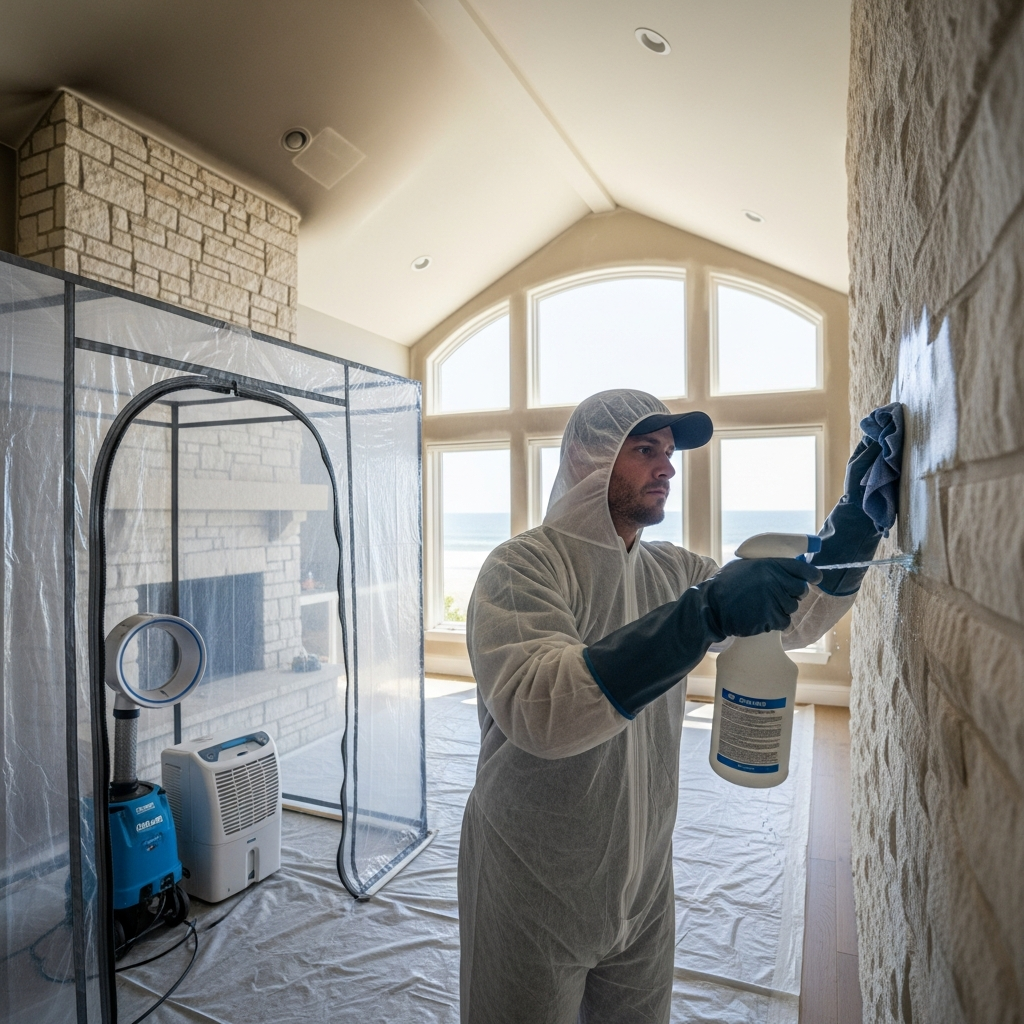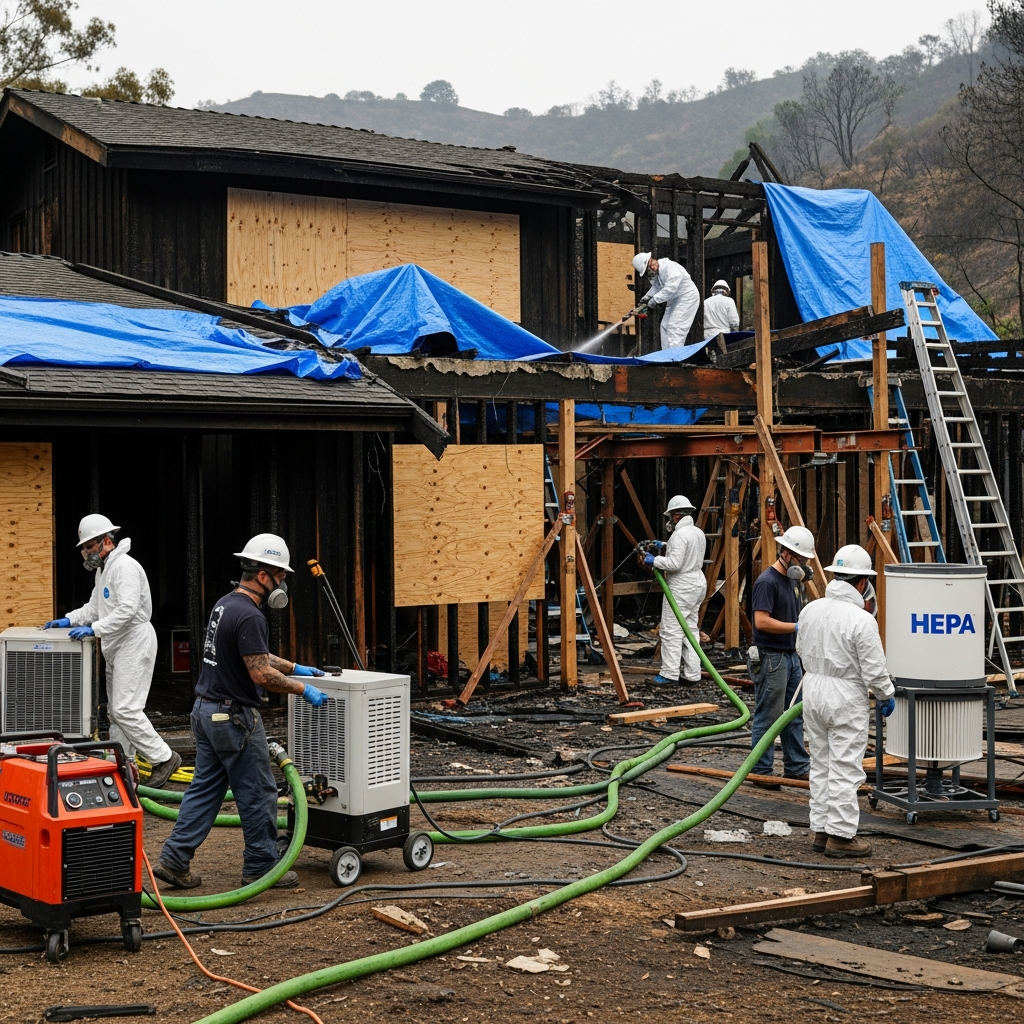
There is a special kind of relief that washes over a Malibu homeowner when restoration is complete. The air is clean again, the walls hold steady light, and the faint ash that once collected on window tracks has been erased. You can hear the ocean at night without smelling the smoke. But the journey does not end with a final walkthrough. Malibu’s climate, topography, and winds ask that we care for our homes a little differently after a fire. Maintenance is not busywork; it is how we preserve the gains of restoration and build everyday resilience.
Living here, we learn to anticipate patterns: cool mornings that bead moisture on railings, afternoons that warm roof decks, and seasonal Santa Anas that push air in every direction at once. After a fire, these cycles interact with repaired materials in subtle ways. Sealants cure, coatings settle, and air pathways regain their balance. The months that follow are the time to nurture those systems, to check what was improved, and to make small adjustments that pay large dividends. With steady attention grounded in local experience, post-restoration homes can feel better than they did before the event.
From the moment you move back in, consider air quality maintenance as your baseline. Replace HVAC filters more frequently for the first few months, especially if ductwork was cleaned and rebalanced. Fine particulates that remained dormant during construction can shake loose as you resume daily life—opening and closing doors, vacuuming, or using ceiling fans. In Malibu’s coastal air, filters work a bit harder; they capture sea salt and fine dust on top of any residual particulates. Keeping a simple schedule—inspect monthly, replace as needed—prevents odors from rebounding and supports the fresh interior you fought to restore.
It is also wise to “listen” to the home’s envelope. Window gaskets, slider tracks, and door sweeps all took a hit during the fire and its aftermath. Cleaning and lightly lubricating these components keeps them sealing properly against the marine layer and wind-driven dust. This is where a small habit like wiping tracks with a damp cloth and a mild cleaner prevents a cascade of frustrations later, from drafts to corrosion. In hillside homes, where pressure differences can draw air through tiny gaps, maintaining these seals is especially important to control humidity and preserve finishes.
Malibu’s love affair with outdoor living spaces means decks, railings, and under-deck areas deserve special attention. If your restoration included replacing or repairing these elements, keep them clear of debris and inspect fasteners seasonally. Ember-resistant choices like metal or fiber-cement details perform beautifully when kept clean; leaf litter and trapped sand act like wicks and sandpaper, undermining their benefits. After Santa Ana events, a quick sweep and rinse can make the difference between a surface that endures and one that begins to pit or stain.
Landscaping is another arena where post-restoration maintenance matters. Defensible space is not a one-time project; it is a rhythm you return to with the seasons. In spring, check irrigation so plants hold moisture through the dry months. In summer, trim back growth so it does not bridge to the structure or collect under decks. In fall, clear gutters and roof valleys before winds stir ember storms beyond the immediate fire zone. Choosing native, lower-resin species near the house and using gravel or decomposed granite borders both protect and complement Malibu’s aesthetic. Over time, these habits become second nature, and your property quietly becomes a less willing host to stray embers.
Inside, pay attention to materials that were cleaned but not replaced. Exposed timbers, plaster, and natural stone may continue to release faint odors if the home is shut tight for long periods. Regular ventilation with controlled airflow—briefly opening windows on still mornings, using kitchen and bath exhaust fans, and letting the HVAC system circulate—keeps the interior fresh. If an odor resurfaces strongly on hot afternoons, it can be a clue that a cavity still holds residue. Rather than masking it, call your restoration team for a targeted assessment. Early intervention keeps small problems small.
Another part of maintenance is protecting surfaces from the salt-and-soot chemistry that defines our coast. Even after a thorough restoration, stainless appliances, blackened steel accents, and copper fixtures benefit from gentle cleaning and periodic protective treatments. These are not elaborate projects—just mindful routines. Wiping appliance fronts with a damp microfiber cloth, applying a manufacturer-recommended protectant, and avoiding harsh abrasives preserves luster. On windows and sliders, a simple rinse after a dusty wind keeps hardware operating smoothly and wards off pitting.
Insurance paperwork may be complete, but your documentation should stay alive. Keep digital copies of before-and-after photos, invoices for materials used in repairs, and the specifications for upgraded components like ember-resistant vents or improved filtration. This information helps if you sell your home, adjust your coverage, or need to coordinate with trades in the future. It is far easier to keep a tidy file than to reconstruct details years later.
For homes where solar and batteries were added or re-commissioned during restoration, basic system checks become part of the maintenance rhythm. Verify that firmware updates are current, confirm that backup power sequences still align with your priorities, and clear any debris or dust around equipment enclosures. During future events—whether wildfire smoke or public safety power shutoffs—these systems will be your quiet allies, keeping filtration and refrigeration online without drama.
Communication with your restoration team should not end at handoff. Good partners remain available for seasonal check-ins, whether that is a quick duct inspection before fire season or a moisture scan after an unexpected roof leak. Malibu homes live dynamic lives; they flex with heat and cool, and they open their arms to marine air. Having a standing relationship with people who know your home’s history saves time and worry. When you notice something new—a door that sticks on humid mornings, a faint discoloration along a baseboard—an early call can prevent a weekend project from becoming a weeks-long repair.
Community matters here, too. Neighborhoods that share maintenance habits are safer and calmer. If your street coordinates gutter cleaning before the first winds or organizes a Saturday to clear under-deck areas along a row of homes, everyone benefits. The ember that fails to find a nest in your neighbor’s yard is an ember that never tests your eaves. Malibu thrives when we look up from our own property lines and invest a little time together.
There is also the human side of maintenance—your well-being in a home that has been through a lot. Give yourself permission to ease back into routines. Some families like to mark the transition with small rituals: a dinner on the deck, a quiet morning coffee by a favorite window, a walk down to the beach. Restoration can be an emotional sprint; maintenance is the steady walk that follows. Each small act of care deepens your connection to the space and reminds you that the house has your back again.
Midyear tune-ups and seasonal cues
In the months after restoration, consider a midyear tune-up. This can be as simple as checking that dehumidifiers in crawlspaces are functioning, confirming that sump or drainage systems are clear after winter rains, and running your HVAC on a mild afternoon to feel for even airflow. If you upgraded filters or added fresh-air intakes, confirm replacement schedules and inspect seals. During late summer, test window operation and clean tracks so that if smoke drifts in from regional fires, you can close up quickly and tightly. The goal is readiness without anxiety—small, predictable steps that keep you ahead of the season.
For homes with architectural features like exposed beams or tongue-and-groove ceilings, periodic visual checks help. Look for subtle changes in color or sheen that can hint at lingering residue responding to temperature swings. Where repairs included sealing or refinishing these elements, follow the maintenance guidance provided; a light dusting and, once in a while, a gentle cleaner will usually suffice. In stone baths and kitchens, reseal per manufacturer recommendations. The combination of coastal humidity and daily use can erode protection faster than inland settings, and a timely reseal keeps surfaces stain-resistant and easy to clean.
Long-term resilience through small upgrades
One overlooked advantage of post-restoration maintenance is the opportunity to continue layering resilience through small, nonintrusive upgrades. Swapping a few attic vents for ember-resistant models each season, replacing a section of fence that abuts the house with noncombustible material, or adding a gravel strip along a planter are bite-size projects that matter. If you did not address under-deck screening during the initial repairs, consider it during a calm spell; closing off that space to debris can remove a major ignition source. These improvements blend into daily life and quietly lift your home’s protective baseline.
Inside, consider smart sensors for humidity and particulates in select rooms. These do not replace professional instruments, but they give you a nudge when conditions drift. A humidity spike inside a hall closet after a rainy week can alert you to a minor roof or flashing issue before it spreads. A rise in particulates after a windy day can remind you to rinse slider tracks or swap an entry mat. With Malibu’s ever-changing air, a little real-time feedback turns into better habits with minimal effort.
Frequently Asked Questions
How often should I replace HVAC filters after restoration?
Check monthly for the first three to six months and replace as needed. Once dust settles and airflow stabilizes, you can return to your usual schedule. Malibu’s coastal air can shorten filter life, so let condition, not just the calendar, guide you.
What signs suggest smoke residue is still present?
Recurring odors on hot afternoons, faint discoloration along baseboards or window frames, and soot-like film on seldom-touched surfaces are common clues. Targeted assessment and deodorization can resolve these without reopening large areas.
Do I need to reseal stone and wood surfaces more often near the coast?
Often, yes. Salt and humidity wear protective layers faster. Follow manufacturer guidance and consider shorter intervals for resealing in kitchens and baths, where daily use compounds exposure.
How can I keep sliders and windows operating smoothly?
Vacuum or wipe tracks regularly, rinse after dusty winds, and apply a light, compatible lubricant on moving parts. Maintaining gaskets and sweeps preserves airtightness and keeps out moisture and odors.
Is defensible space a one-time project?
No. It is a seasonal habit. Adjust irrigation in spring, trim in summer, and clear gutters and roof valleys in fall. Treat it like routine care, and your property steadily becomes more resilient.
Should I schedule follow-up inspections with my restoration team?
It is a good idea. A quick duct check, moisture scan, or exterior review before fire season can catch small issues early and confirm that repairs are aging well in Malibu’s climate.
When the last equipment case leaves and your rooms echo with the sounds of everyday life again, the work shifts from dramatic to deliberate. With a few steady habits and a partner you can call when questions arise, your Malibu home will stay as fresh and fortified as the day the project wrapped. If you are ready for a simple maintenance plan tailored to your property and the seasons, connect with local experts who understand our winds, our waves, and our ways. For guidance that keeps your air clean, your finishes protected, and your peace of mind steady, reach out to trusted fire damage restoration professionals who will stand by you long after the final walkthrough.