When a fire event sweeps through Malibu—whether it’s a small kitchen flare-up contained quickly or smoke drifting in from a canyon burn—the first need is steady, immediate cleanup that stops the spread of damage. I’ve responded to homes above Zuma where a gust sent ash through open clerestory windows, and to properties in Malibu Colony where smoke crept beneath door thresholds and settled in the grain of custom floors. In those first hours, decisive action matters most. That is where emergency cleanup and true deodorization begin, and why experienced fire damage restoration can make the difference between a lingering reminder and a full return to normal.
Emergency response is a balance of speed and precision. Go too quickly with the wrong methods and you lock in stains or push residue deeper. Move too slowly and soot etches glass, tarnishes metals, and builds odors that are hard to neutralize. The best outcomes come from a plan that recognizes how Malibu homes are built, how the wind moves here, and how coastal humidity changes every decision.
Stabilizing the property the right way—right away
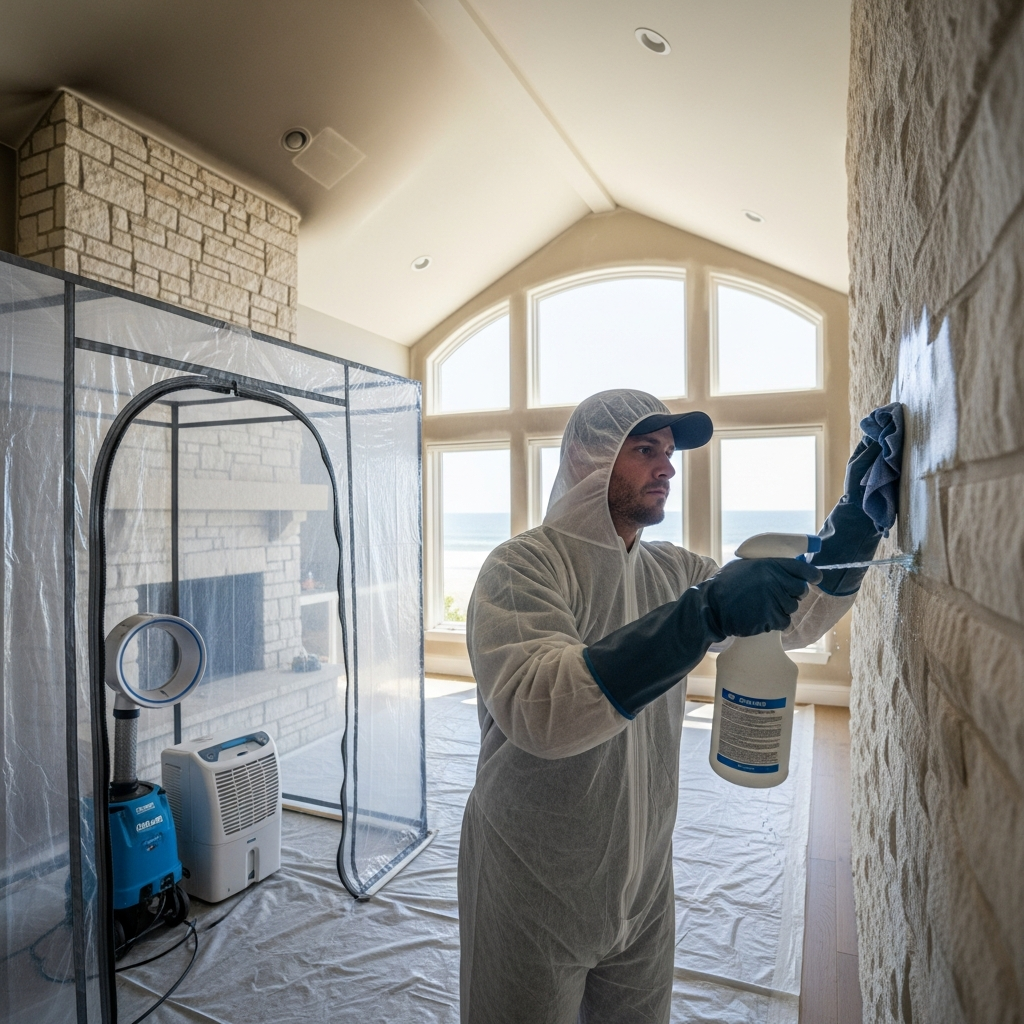
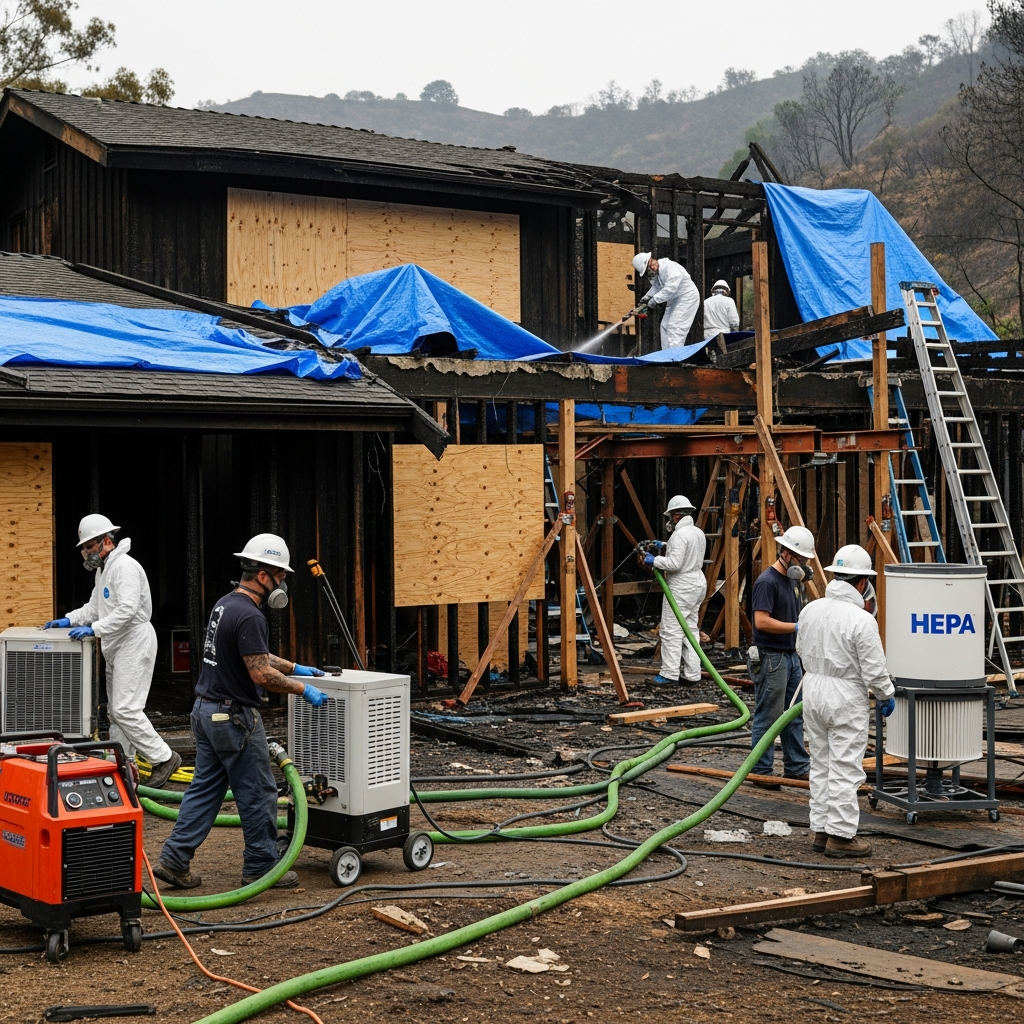
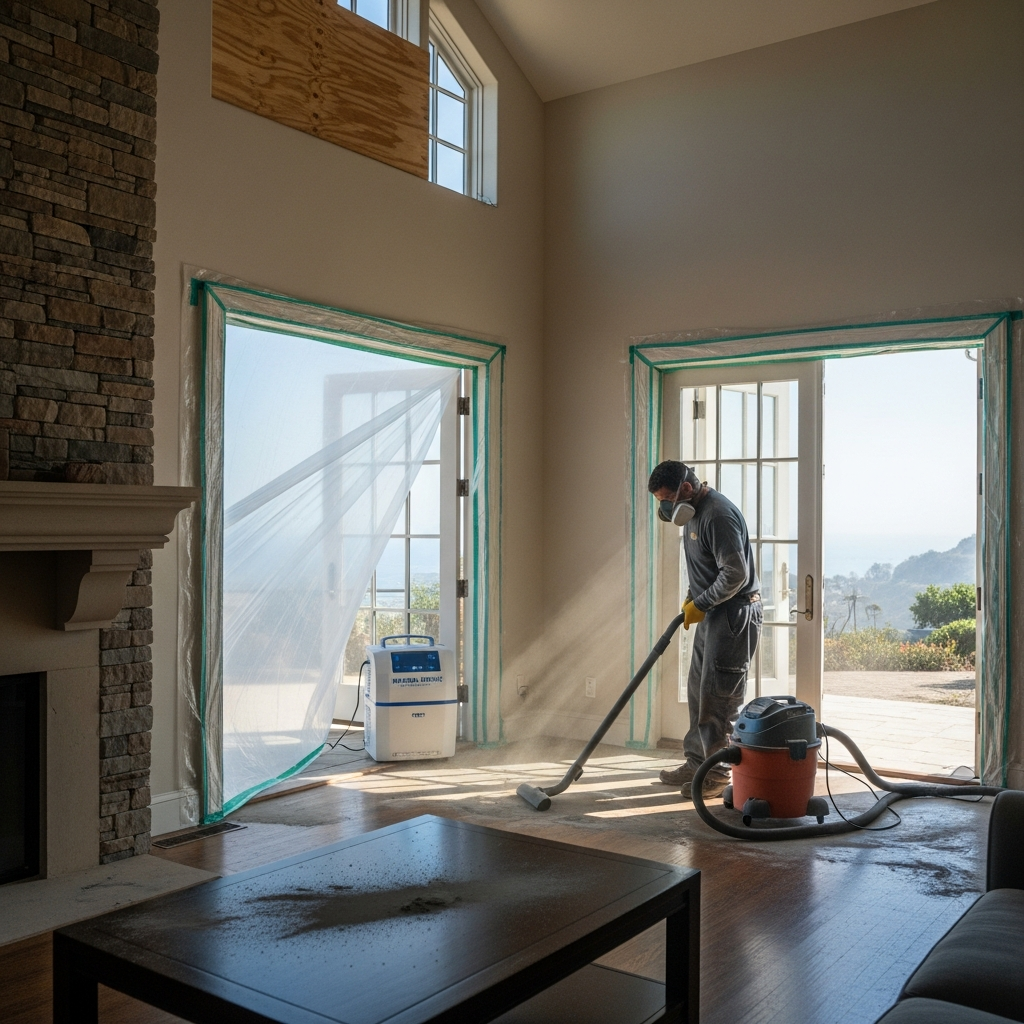
When we first arrive, we anchor the space. We secure openings so the afternoon breeze off Point Dume doesn’t drive soot into newly cleaned rooms. We protect flooring with runners so grit doesn’t scratch finishes. If the HVAC was running, we shut it down to avoid moving particulate through the house. Negative air machines are placed to establish safe work zones, preventing cross-contamination as rooms are opened and debris is removed.
Liquids, ashes, and debris are handled in a specific order. Dry vacuuming with HEPA filtration comes first to lift loose soot without smearing. Then, carefully chosen cleaners break down the residues on different surfaces. Painted walls, lacquered cabinetry, natural stone, and stainless steel each require a distinct touch, and in many Malibu residences those materials sit side-by-side in the same room.
Odor removal begins with source removal
Deodorization is never just a fragrance in the air. True odor removal starts when we find and eliminate the sources. That might mean removing a section of charred baseboard, opening a wall cavity that holds smoke-laden insulation, or pulling a dishwasher where residues collected in the recess. Once sources are removed and surfaces are cleaned, we apply targeted deodorization methods that match the home and the situation.
Hydroxyl treatments can neutralize odor molecules while allowing for some continued work in the space, a practical choice when access is tight or families are coordinating temporary stays. Thermal fogging, when appropriate, mirrors the behavior of smoke to reach crevices that simple wiping cannot. We set expectations about timing, ventilation, and how these steps integrate with cleaning and drying so there are no surprises.
Managing water and humidity during emergency cleanup
Even modest firefighting efforts can leave behind unexpected moisture. In Malibu, our marine layer and cool night air can slow drying if it isn’t managed actively. We extract standing water, place dehumidifiers with a plan for air exchanges, and open or remove materials only where doing so will speed recovery without releasing more particulates. Crawl spaces beneath hillside homes, insulated knee walls in lofted rooms, and silent corners of built-ins are checked with moisture meters to find pockets that otherwise might be missed.
Personal items get careful attention in parallel. We isolate textiles and porous materials that draw odor fastest, and we stabilize artwork, photographs, and documents before detailed cleaning begins. In emergency mode, it’s easy to overlook these items; protecting them early prevents losses that would be felt the most later.
Glass, metal, and finishes—saving what matters
Soot etched into glass is one of the most visible signs of delayed cleanup. We prioritize windows and sliders, washing and neutralizing them before etching can set in. Metals—appliance handles, fixtures, and hardware—are cleaned and treated to stop corrosion started by a mix of soot and salty air. Hardwood floors are addressed with techniques that lift residue rather than push it into the grain, and rugs are removed for appropriate off-site treatment if needed.
In many Malibu homes, open beam ceilings and tall windows complicate access. We plan equipment placement and safe reach methods to keep work efficient without adding risk to the structure or the crew. It’s a dance between safety, speed, and respect for finishes, and it’s performed best by teams who know these homes intimately.
Neighborhood specifics shape the plan
Homes near Malibu Road often face steady onshore breezes that carry fine coastal particulate even on clear days; add fire residue and the cleanup sequence changes. Up in the canyons, wind can drive ash in pulses, leaving pockets of heavy deposition in some rooms and nearly none in others. An emergency plan accounts for these patterns, setting containment and air filtration based on how your home actually breathes.
In some properties, HVAC returns and chases become unexpected reservoirs. We inspect and, where indicated, arrange for cleaning that reaches coils and inside surfaces, preventing persistent odor and recontamination. Doing so early ensures that when the system returns to service, it supports recovery rather than undoing it.
Communication you can trust in the emergency window
Uncertainty is exhausting in the first 24 to 72 hours. We provide clear updates as rooms move from dirty to clean, as odors drop, and as moisture readings trend toward normal. That transparency helps homeowners coordinate logistics—children’s routines, pet needs, deliveries—and makes it easier to decide whether to remain in the home or spend a few nights elsewhere.
Documentation runs alongside the physical work. Photos, notes, and itemized observations support insurance conversations later, but they also serve a simpler purpose: they remind you that progress is real, measurable, and moving forward.
Mid-course odor checks and secondary sources
Even with aggressive source removal, a home can hold small reservoirs of odor. We schedule mid-course checks once initial cleaning and first-pass deodorization are complete. Linen closets, under-stair nooks, and the voids behind toe-kicks can trap subtle smells. We revisit, adjust, and treat selectively. The difference is often dramatic; what felt stubborn at the outset resolves with a precise, second look.
At this stage, homeowners often feel the emotional shift from crisis to control. The air feels lighter, and the space starts to sound like itself again. It’s a sign that the emergency has passed and that restoration can move forward at a steadier, more comfortable pace. Skillful fire damage restoration links these phases so the home never drifts backward while the next step is planned.
Finishing the emergency phase and setting up for restoration
By the end of emergency cleanup and initial odor removal, a home should be stable, clean to the touch, and ready for any necessary repairs without constant dusting or re-cleaning. We walk through findings, outline what remains, and confirm that air quality supports safe occupancy. For some homes, that’s the finish line. For others, it’s the bridge into repair and refinishing, where paint, flooring, and fixtures complete the return to normal.
Frequently asked questions
How fast should emergency fire cleanup start?
Ideally, work begins as soon as the property is released by authorities and deemed safe. Within hours, soot can etch glass and tarnish metals, so establishing containment, starting HEPA filtration, and removing loose residue quickly makes a real difference in outcomes.
What is the most important step for odor removal?
Source removal is the foundation. Without removing charred materials, contaminated insulation, and residue in hidden pockets, deodorization only masks odors. Once sources are gone and surfaces are clean, targeted treatments neutralize what remains and keep odors from returning.
Can I run my HVAC during cleanup?
It’s best to keep it off until the system is evaluated. Running it too soon can spread soot throughout the home and reintroduce odor to clean rooms. Filters should be replaced, and ductwork may need professional cleaning depending on the extent of exposure.
Is thermal fogging safe for my home?
When performed by trained professionals using appropriate products, thermal fogging is a controlled, effective method to reach crevices and cavities. It is planned carefully with ventilation and re-entry times communicated clearly. Alternatives like hydroxyl treatment are also used when they are a better fit for occupants and materials.
Will emergency cleanup handle all repairs?
Emergency cleanup stabilizes the home, removes contaminants, and eliminates odor sources. Structural repairs, painting, and finish replacements follow as needed. A good team will coordinate a seamless handoff so momentum continues without gaps.
What can I do right now to help?
If conditions are safe, avoid wiping soot or moving items unnecessarily. Limit foot traffic to prevent tracking residue, and do not power on electronics exposed to soot or moisture. Document what you see and wait for guidance on safe, effective next steps.
If you are facing smoky rooms, etched glass, or a stubborn odor that won’t fade, we are ready to respond. Call for immediate help, and we will set containment, begin cleaning, and start targeted deodorization so you can breathe easy again. For a coordinated plan and proven fire damage restoration methods tailored to Malibu homes, reach out today and let us bring your space back to the calm and comfort you expect.