In Malibu, the ocean breeze meets the rugged canyons, and most days that balance feels effortless. But when smoke drifts across the Pacific Coast Highway and embers ride the wind down from the ridgelines, homeowners see just how quickly comfort can turn into urgency. I have walked properties in Serra Retreat where ash sifted into ornate tile work, stood on decks above Malibu Canyon where the grain of the wood held a stubborn smoke film, and watched families step back inside for the first time after the all-clear. In those moments, it helps to have a steady, local hand guiding the process of fire damage restoration—not just the technical steps, but the rhythm of how Malibu homes breathe, age, and recover in our coastal climate.
Fire damage here is rarely simple. Winds can force smoke into attic cavities and behind stucco; salt air mingles with soot in ways that corrode faster than you might expect; and hillside layouts make access a logistical puzzle. Yet with a clear plan and a respect for each home’s construction details, a property can move from shock to stability, and then toward a true return to normal.
Understanding what fire really does to a Malibu home
From Broad Beach to Trancas, no two houses take on smoke in the same way. In low-lying neighborhoods, fine soot often migrates through the HVAC and settles evenly in thin films over glass and stone. Up on the ridges above Latigo and Encinal Canyon, you’ll sometimes see heavier char and cinder deposits carried by gusts that strike in bursts. Whether flames reached the structure or not, the chemistry of smoke—especially from mixed materials—creates residues that etch glass, discolor finishes, and leave invisible protein films on walls and ceilings. That last one is common after smaller, contained fires that never grew into a neighborhood emergency but still left a pervasive odor.
Heat complicates matters by warping plastics, softening adhesives, and opening joints in trim and cabinetry. Meanwhile, water from firefighting activities or burst sprinkler heads can saturate subfloors and wick into baseboards. In Malibu’s coastal humidity, that added moisture can foster microbial growth faster than in drier inland climates. All of this means a proper restoration sequence must be disciplined, and it must start early.
The first days: stabilization and safety
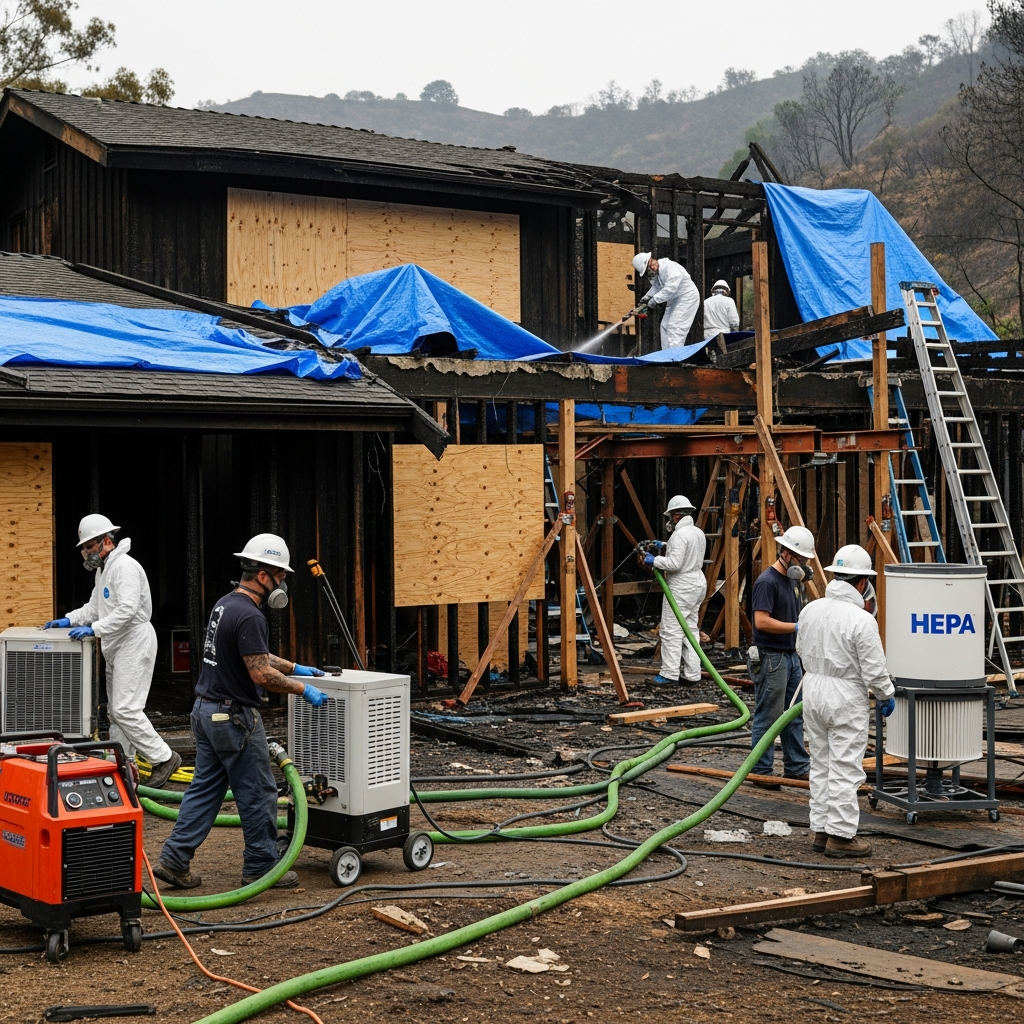
As soon as a property is deemed safe to enter, we focus on stabilization. That might be as basic as boarding a window against overnight winds off Point Dume or as involved as setting negative air containment to keep cross-contamination from affecting unaffected rooms. Electricity is assessed so that equipment can run without risk, and water shutoffs are checked if a line failed during the event. Photographic and moisture readings document conditions from the start. Homeowners often tell me that this early clarity—knowing what happened and what comes next—reduces stress almost as much as the physical work itself.
Personal items are triaged gently. In living rooms with floor-to-ceiling glass, we’ll usually move textiles and porous art pieces first, because they absorb odors more quickly. In kitchens, we secure food storage and remove charred materials before any deep cleaning begins. And throughout, we make sure pathways are protected to avoid embedding soot into carpets or scratching hardwoods with grit.
Controlling odor at the source
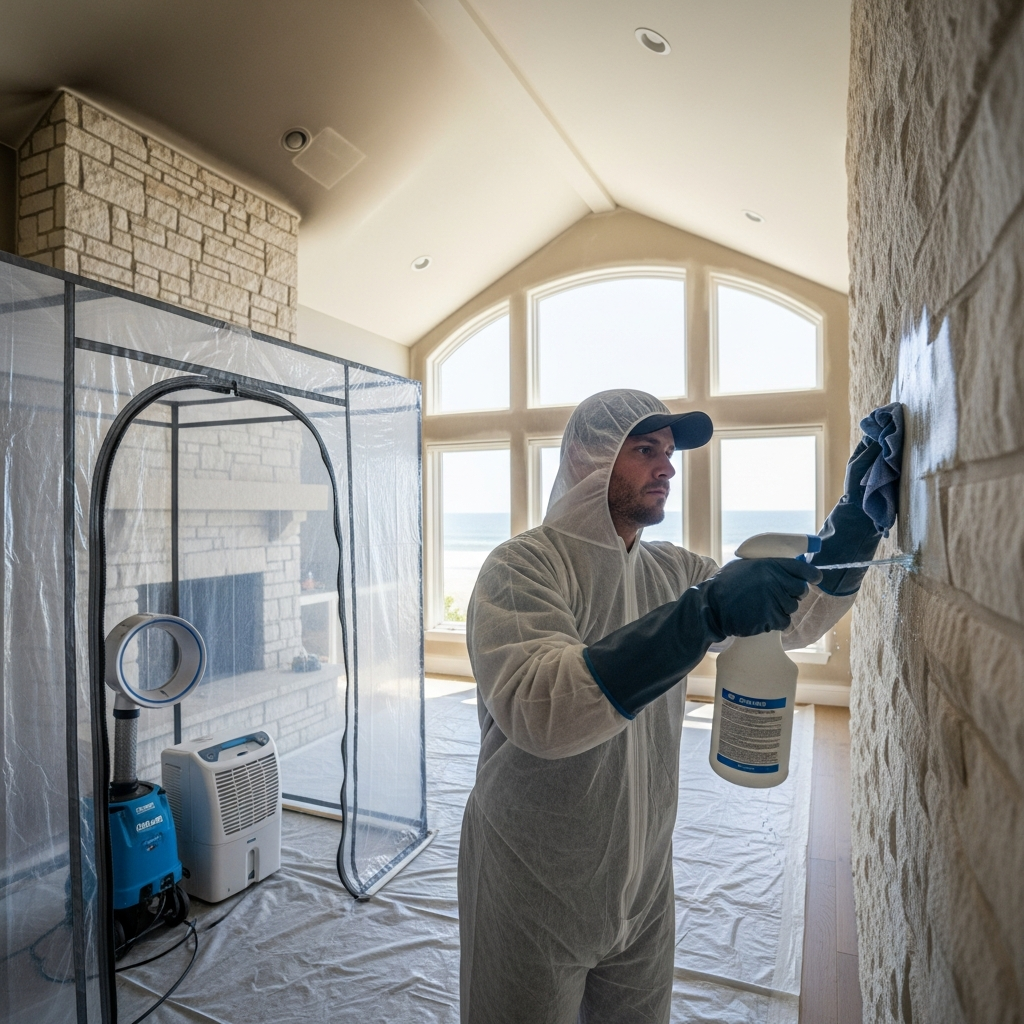
People notice odor even before they see residue. True deodorization starts with removing the source. Charred materials, ash drifts behind framing, and saturated insulation all hold on to odor compounds. Once those are out, we clean surfaces methodically, moving from dry soot removal to wet cleaning with the right detergents for each substrate. Using the wrong solution—especially on natural stone or lacquered cabinetry—can set stains permanently. Malibu has many custom homes with a range of finishes, so matching chemistry to material is half the craft.
After source removal and cleaning, we address air and porous materials. Controlled methods such as hydroxyl generators can neutralize odors while rooms remain safe to occupy for limited tasks, and thermal fogging can penetrate cavities where crews cannot reach easily. We schedule these steps to minimize disruption, especially in homes where families are balancing temporary living arrangements.
Water, humidity, and the coastal factor
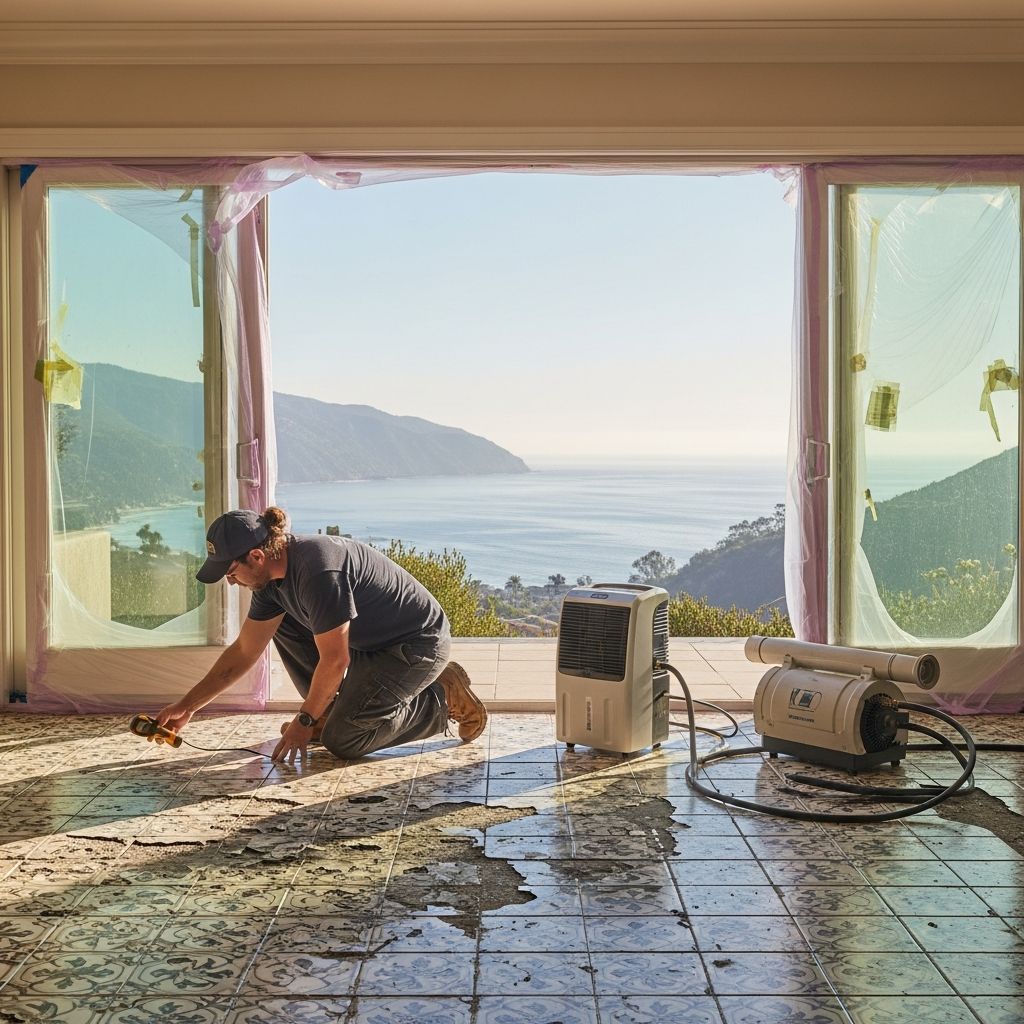
Water extraction and structural drying begin as early as possible to prevent secondary damage. In homes near the shoreline, we often calibrate dehumidification more conservatively because ambient humidity can reset the drying curve. Subfloor pockets under nail-down hardwoods, crawl spaces beneath cantilevered decks, and insulated knee walls in lofts all receive targeted attention. We map moisture with infrared and pin meters, making sure trapped dampness doesn’t linger in places that would invite mold once temperatures climb.
Content care unfolds in parallel. Area rugs go to a dedicated wash process, electronics and media are evaluated for corrosion risk, and textiles are ozone-free treated when appropriate to preserve dyes and fibers. Malibu homeowners often have heirlooms and custom pieces collected over years; careful packing, labeling, and climate-controlled storage mean those items return as part of the home’s story, not a reminder of loss.
Cleaning methods that respect materials
In stucco homes with smooth interior plaster, a protein fire film can be nearly invisible and still produce stubborn odors. We test clean small sections first, verifying that the surfactants break the residue without burnishing the surface. On exposed rafter tails and cedar soffits, gentle media blasting can lift char while preserving the wood’s character. For stone, we avoid acidic cleaners that could etch, especially on marble and limestone common in Malibu baths and kitchens. Each room is a case study; each finish has a best practice.
Windows and sliders are another focus. Ash and salt both etch glass, so they’re cleaned and neutralized early, with tracks vacuumed and wiped so rollers don’t grind grit into the frames. Screens, if salvageable, are washed and dried to prevent staining and corrosion. HVAC systems are inspected with an eye toward how Malibu’s microclimates move air; return plenums in canyon homes often hold more soot than expected due to specific wind patterns.
Permits, coordination, and communication
When structural repairs are needed, coordination with local building officials helps keep momentum. Malibu’s hillside properties sometimes require engineered solutions for decks, retaining walls, or beam replacements. Clear scopes, transparent schedules, and homeowner check-ins make a long road feel manageable. We talk through what can happen in parallel—cleaning, drying, and selective demolition—so days aren’t wasted waiting for one track to finish before another begins.
Insurance communication benefits from detail. Photo logs, itemized inventories, and documented measurements support decisions and minimize back-and-forth. Homeowners appreciate seeing how those records align with what they experience, whether it’s the replacement of a custom island counter or the refinishing of a smoke-affected handrail that ties a staircase together.
Mid-project checkpoints and the moment a home turns the corner
There is almost always a day when the property feels different—when the air lightens, the echo of emptiness fades, and you recognize your home again. That moment usually follows the combination of full source removal, detailed cleaning, and the first round of deodorization. We set checkpoints to assess progress, confirm that odor is trending down, and determine whether a second pass is required in any cavity or material. It’s also the right time to revisit contents that were borderline and decide whether they can return after additional treatment.
These middle steps are where local context matters most. A home in Malibu Park with prevailing afternoon winds may need a different plan than a property tucked above Carbon Canyon. By adjusting equipment placement and sequencing, we shorten the overall timeline and reduce disruption. If you’re comparing approaches, look for a team that describes these nuances confidently and explains why each step is happening when it is. Strong planning and skilled fire damage restoration practice meet in the middle of the job, not just at the start or the end.
Finishes, color, and the return of warmth
As repairs come together, the feel of the home shifts from recovery to renewal. Paint colors look different once soot is gone and daylight isn’t filtering through a gray haze. Natural light bounces off clean plaster; reclaimed beams show their grain again; tile takes on depth. This is the phase where attention to detail creates a sense of completion. Outlet covers align, door latches click smoothly, cabinet faces hang even. Odor checks continue, because the final walkthrough should feel effortless—no distracting notes of smoke, no sticky drawers, no streaks in the sun across a stone floor.
We often walk the property with owners at this stage, noting anything that still feels “off.” Sometimes it’s a faint odor in a linen closet that needs another pass on the back side of drywall. Sometimes it’s a sliding door that sounds gritty because a track still holds sand and fine soot. These are the finishing touches that translate technical success into daily comfort.
Preparedness, without anxiety
After a fire, the urge to overhaul everything can be strong. A measured approach works better. Replace filters on a set schedule, keep defensible space clear without stripping your landscape of character, and note how your home’s ventilation behaves during onshore and offshore flows. A few annual habits—duct inspections, deck fastener checks, and a quick review of attic vent screens—pay dividends when the wind is up and the air is dry.
Frequently asked questions
How soon should restoration begin after a fire?
As soon as the property is safe to enter and authorities have cleared access, early stabilization prevents soot etching, moisture intrusion, and cross-contamination. The first 24 to 48 hours are especially important for securing openings, setting containment where needed, and beginning moisture control. Prompt action shortens the overall timeline and helps save materials that might otherwise require replacement.
Why does my home still smell smoky after cleaning?
Odor persists when the source remains or when residue remains in porous materials and cavities. Effective deodorization combines source removal, precise cleaning, and controlled treatments like hydroxyl or thermal fogging. HVAC systems and insulation often hold lingering compounds, so they receive special attention. A second pass in select areas is common and should be part of the plan.
Can I stay in my home during restoration?
It depends on severity, utilities, and the presence of safe pathways. Many Malibu homeowners stay during parts of the process when impacts can be isolated and air quality remains acceptable. When demolition, heavy deodorization, or widespread drying is underway, temporary relocation may be more comfortable. The decision is tailored to your home’s layout and the project sequence.
Will all smoke-damaged items need to be replaced?
Not necessarily. Many contents can be restored with the right methods—textiles with specialized laundering, wood furniture with fine-detail cleaning and re-oiling, and electronics evaluated for corrosion risk. Items with heavy charring, deep heat damage, or stubborn odor after multiple treatments may be better candidates for replacement, but a thorough assessment should guide that call.
How long does a typical restoration take in Malibu?
Timelines vary with scope, access, permitting, and material lead times. Smaller projects may take a few weeks; larger efforts involving structural repair can extend for several months. Clear scheduling, parallel work tracks, and regular check-ins keep momentum steady and provide predictable milestones.
What should I do about my HVAC after a fire?
Shut the system off until it can be inspected. Filters should be replaced, ducts evaluated, and returns cleaned to avoid distributing soot. In some cases, professional duct cleaning and coil cleaning are appropriate. Running the system too soon can spread odors and residue to rooms that were previously unaffected.
Is there anything I can do before crews arrive?
If it’s safe, avoid touching soot-covered surfaces to prevent smearing, and limit movement to reduce tracking. Do not attempt to wash walls or textiles, as the wrong cleaner can set stains. If water is present, avoid turning on ceiling fixtures where ceilings or insulation are wet. Document visible damage for your records and wait for professional guidance on next steps.
When you are ready to steady the situation and move confidently toward normal, we are here to help, from the first assessment to the last walkthrough. If you want a thoughtful plan tailored to your property and a team that treats your home with care, reach out and let’s talk about comprehensive fire damage restoration that respects the way Malibu homes are built and lived in. We will meet you on-site, listen to what matters most, and get to work restoring the comfort and calm you expect from your coastal home.