Living With the Ocean: Why Malibu Homes Face Unique Water Challenges
From Point Dume’s bluffs to the tucked-away bends of Escondido Canyon, Malibu’s beauty comes with a set of water-related quirks that locals learn to anticipate. The same marine layer that paints mornings in soft gray can push humidity into every crevice, while winter storms arrive on southeasterly winds that drive rain against walls and under thresholds. Salt in the air encourages corrosion, and our dramatic topography funnels runoff through canyons and across lots, sometimes in ways you only discover during the first big downpour of the season. Understanding these dynamics is the first step to anticipating the most common issues homeowners here encounter—and to knowing when to act decisively, whether with preventative measures or with timely water damage restoration.
After years of walking crawl spaces in Broad Beach, climbing roofs in La Costa, and tracing leak paths in Latigo Canyon, patterns emerge. Most problems don’t begin with dramatic failures. Instead, they start with tiny design oversights, aging materials, or maintenance lapses that the coast magnifies. Once you recognize the signatures—efflorescence on a foundation wall, swollen baseboards near a slider, a persistent musty note in a closet—your response can be swift and effective.
Wind-Driven Rain: When Storms Arrive Sideways
Malibu’s storms rarely behave like gentle vertical showers. On the strongest days, gusts slam rain against stucco, push it beneath shingles, and seek entry under door thresholds. Homes that feel buttoned-up in fair weather may reveal leaks during these events. The telltale signs are subtle: fine drip lines from soffits, faint discoloration around recessed lights, or damp carpet edges near sliders. The solution often lies in beefing up flashing details, ensuring weep systems function, and maintaining pliable sealants where dissimilar materials meet.
Skylights and chimneys are particularly vulnerable to wind-driven rain. Even properly installed systems can age out, and a flashing detail that worked in gentle showers can fail when gusts force water upward or sideways. Regular inspections ahead of the rainy season, and specific upgrades to counter lateral water movement, keep these architectural features from becoming annual headaches.
Tile Roofs and Underlayment Fatigue
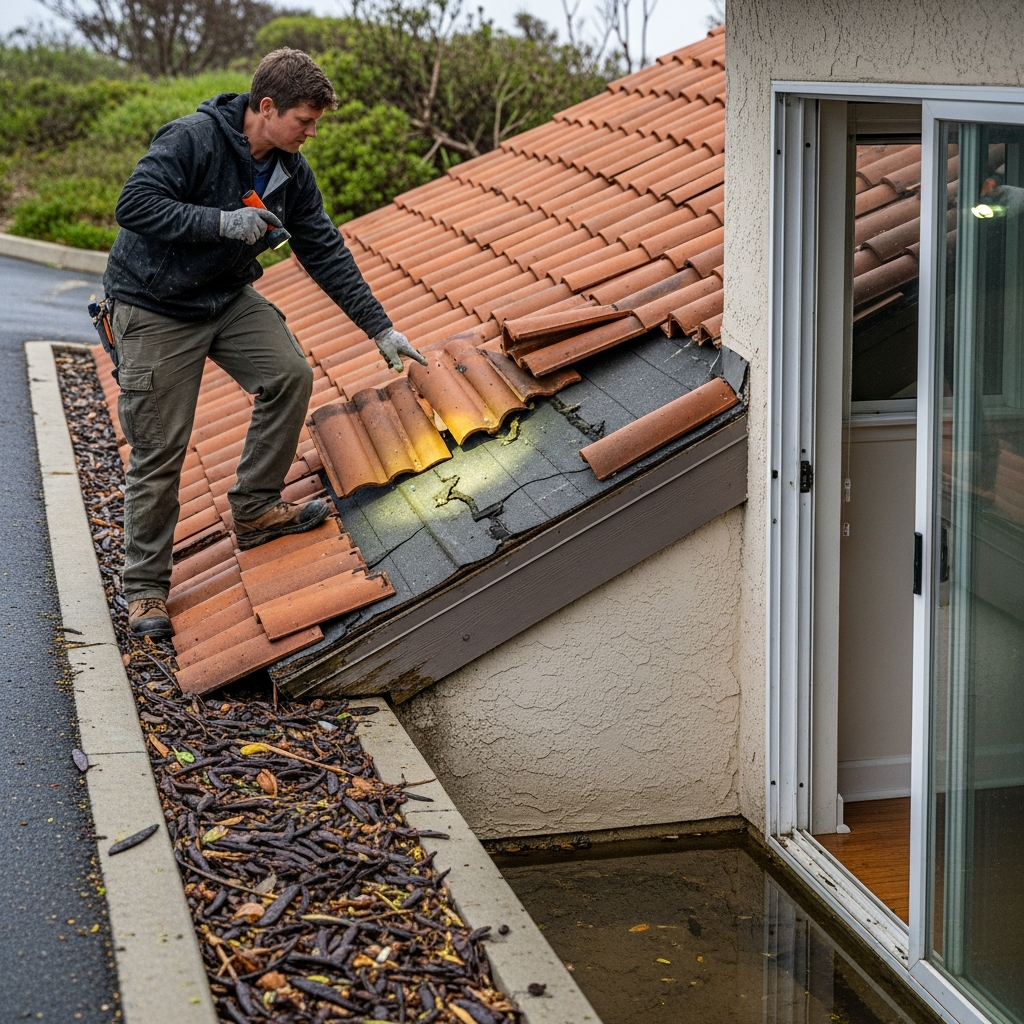
Many Malibu homes sport clay or concrete tile roofs that, at a glance, look impregnable. The truth is more nuanced: tiles shed the bulk of rain, but underlayment is the unsung hero. UV exposure, heat cycling, and salt air hasten its decline. A crack in a single tile or a lifted edge near a ridge can channel water into a tired membrane, which then lets moisture move along structural members until it appears in a living room or bedroom far from the source. This migration confuses homeowners who assume the drip is directly overhead.
When underlayment nears the end of its service life, leaks arrive intermittently—often only during the most intense storms—before turning into regular intrusions. It’s why proactive replacement under good weather, combined with periodic tile repositioning and flashing improvements, prevents midwinter drama.
Sliding Doors, Thresholds, and Low Pan Flashing
Beachfront and bluff-top properties often feature expansive sliders to drink in the view. Those openings are also among the most frequent entry points for water. Clogged weep holes, worn weatherstripping, and insufficient pan flashing make it easy for wind-driven rain to cross the threshold. You might notice dampness at one corner after every storm, or the baseboard bowing over time. Once water finds the smallest pathway, capillary action will pull it further inside, soaking subfloors and feeding mold in wall cavities.
Solutions vary from deep cleaning and hardware replacement to more substantial upgrades like integrated sill pans with back dams. If your slider sits nearly flush with the exterior deck, expect a higher risk profile; small changes in slope or a blocked scupper can tip the balance from safe to soaked in a single squall.
Decks Over Living Spaces: The Hidden Membrane Problem
In Malibu’s indoor-outdoor lifestyle, decks are essential. When a deck doubles as a roof over interior space, its membrane becomes mission-critical. Over time, UV, foot traffic, and thermal expansion stress seams and penetrations. Post bases, scupper edges, and terminations at stucco are repeat offenders. The first clue is often a faint ceiling stain below or a musty smell that lingers days after rain. Because water can travel laterally across the membrane or along framing, pinpointing the breach requires experience and patience.
Maintenance makes the difference. Keeping drains clear, resealing posts, and monitoring for soft spots catches problems early. When a membrane does fail, a focused repair followed by thorough interior drying prevents secondary issues like mold and damaged finishes.
Foundation Drainage and Hillside Flow Paths
Homes in the canyons and along the slopes rely on good drainage discipline. During heavy rains, water sheets across compacted ground and seeks the path of least resistance. If that path aims at your foundation, you can see seepage through slab cracks or along cold joints. Efflorescence—a white, chalky residue—on interior foundation walls is the diary entry water leaves behind. Often the fix is exterior: adjust grading, extend downspouts, add gravel trenches, or revise landscape irrigation patterns that oversaturate soil near the house.
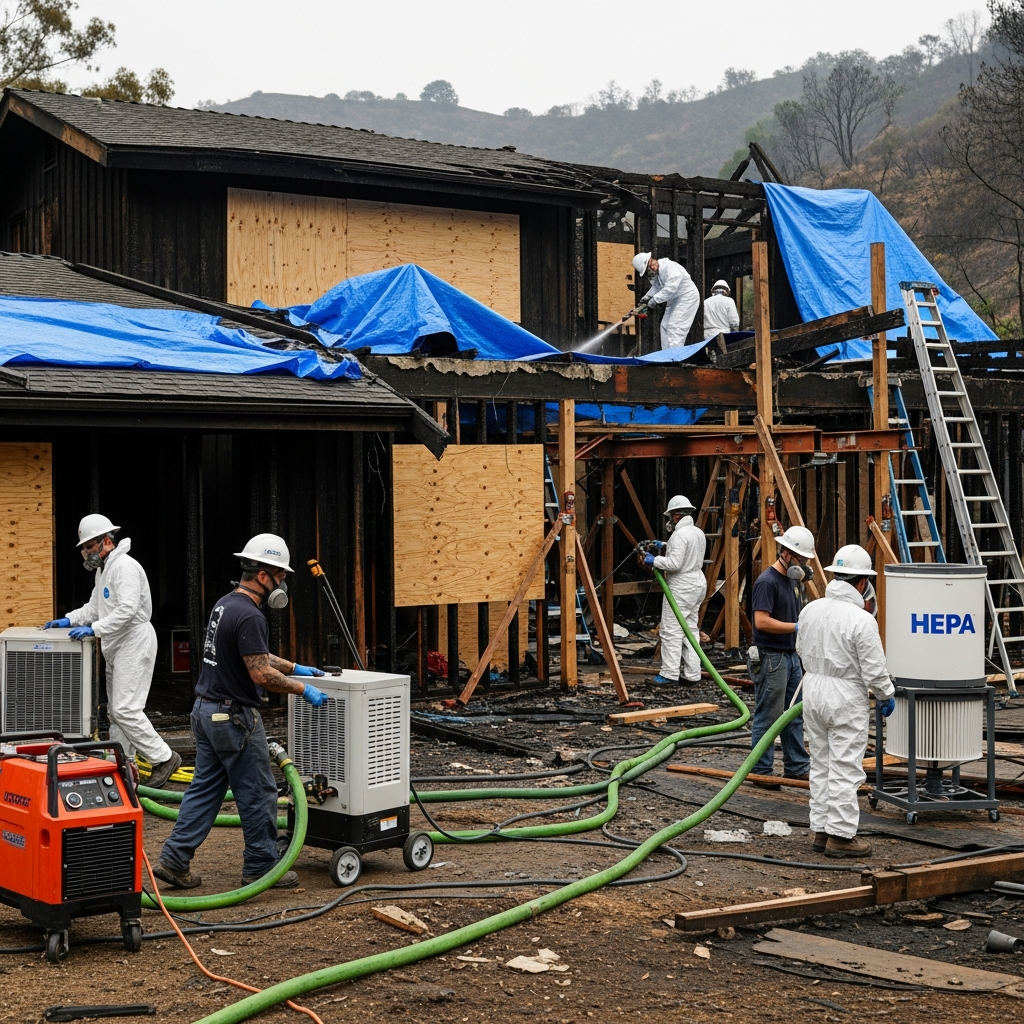
In post-fire landscapes, even small storms can create surprising volumes of runoff. Straw wattles, properly placed swales, and attention to how neighboring lots drain keep sudden deluges from testing your door thresholds and garage entries.
Plumbing: From Pinhole Leaks to Appliance Failures
Inside, water damage frequently starts with plumbing—pinhole leaks in aging copper, corroded angle stops, brittle washing machine hoses, and supply lines to refrigerators or dishwashers. Near the beach, airborne salt accelerates corrosion; inland, hillside movement subtly stresses fittings. The result is the same: slow seepage that swells toe kicks, stains ceilings below bathrooms, and elevates humidity behind cabinets where mold can thrive unnoticed.
Prevention includes periodic valve exercises, upgrading to braided stainless supply lines, and attentive listening. The faint hiss of a slab leak at 2 a.m. is easier to hear when the house is quiet; your water meter can confirm a hidden flow when all fixtures are off. Addressing these issues quickly limits the scope of drying and restoration.
Crawl Spaces and Persistent Damp
Many Malibu homes use pier-and-beam construction. Crawl spaces can be cool, shaded, and perpetually a few degrees more humid—ideal for condensation and slow moisture accumulation if ventilation is poor. After heavy rains, standing water can persist under certain bays, raising indoor humidity and impacting hardwood floors above. Over time, you may see cupping, gaps at seams, or a subtle musty odor that wafts through floor registers and closet corners.
Solving crawl space moisture often involves a mix of interventions: continuous vapor barriers, smart ventilation that leverages prevailing breezes, and targeted dehumidification during marine layer season. While these are not glamorous upgrades, they profoundly stabilize the interior environment and reduce the burden on restoration efforts after storms.
Mold and the Marine Layer
Even without a dramatic leak, Malibu’s air can support mold growth when ventilation is insufficient. Closets that back up to exterior walls, bathrooms without strong exhaust, and tucked-away storage rooms can all become microclimates where spores find a foothold. You might notice a peppering of spots on ceiling paint or a “beach cabin” smell that never quite fades. Left unchecked, these areas can require remediation beyond a simple cleaning.
Maintaining indoor relative humidity around 40–50%, running exhaust fans longer, and keeping air moving during persistent fog weeks help keep mold at bay. When growth appears widespread or returns after cleaning, a more holistic review of ventilation and moisture sources is warranted.
Power Outages and Interrupted Drying
Storms sometimes knock out power along PCH and into the canyons. When that happens during an active dry-down, progress can stall. Timely restoration depends on consistent airflow and dehumidification; interruptions allow moisture to rebound into materials. It’s why some homeowners invest in backup power solutions or, at a minimum, position drying equipment on circuits that can be quickly supported by generators during outages. Communication with your restoration team about expected weather and power reliability helps keep timelines on track.
Access Challenges and Material Protection
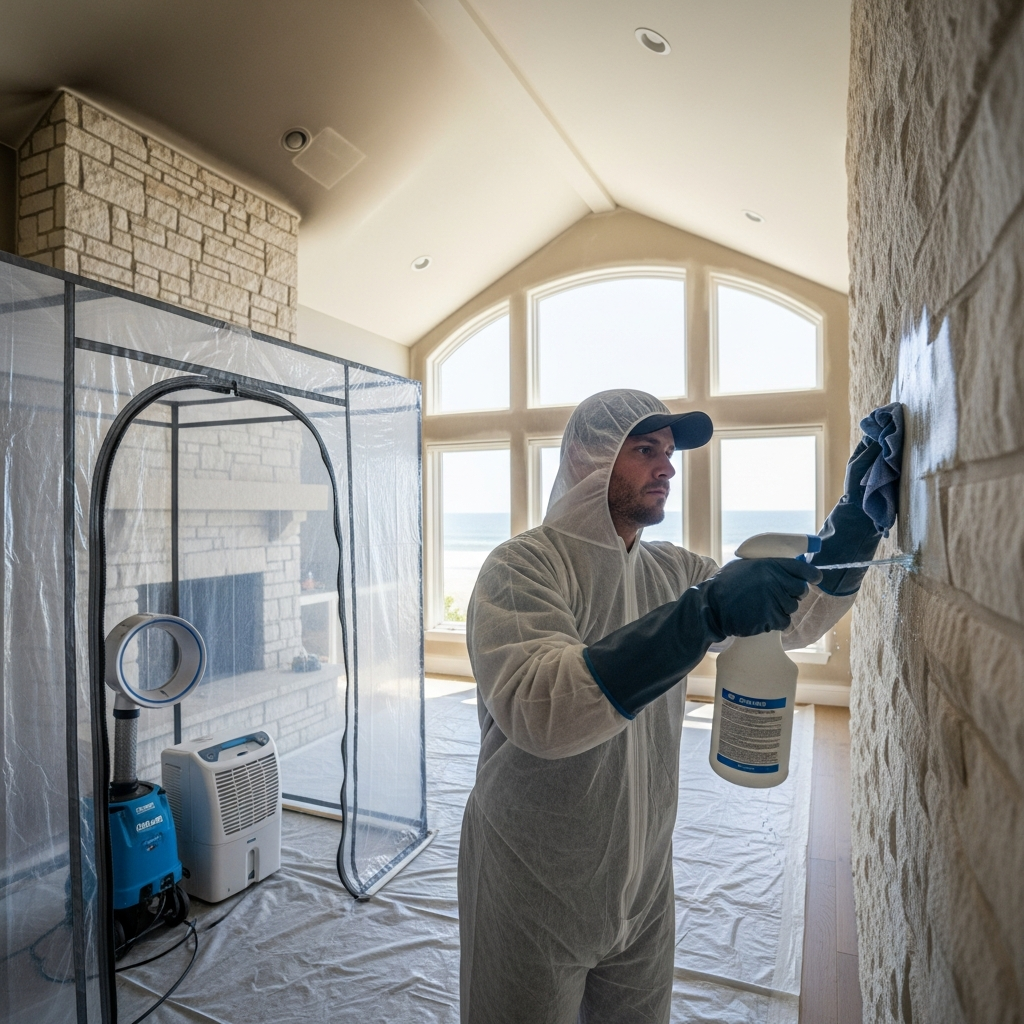
Homes perched along narrow lanes or steep driveways can be difficult to service during storms. Crews may need to stage equipment creatively to avoid tracking mud or salt spray into sensitive interiors. Protecting high-end finishes—honed limestone, wide-plank oak, custom plaster—requires a nuanced approach to containment and airflow. Experience with Malibu’s architectural palette makes a difference: thoughtful taping strategies that won’t lift delicate finishes, cord routing that preserves household function, and equipment placement that respects art and furnishings while still achieving proper drying.
Insurance Nuances and Documentation
When an incident does occur, detailed documentation shortens the path to resolution. Photographs that show the sequence—from the first visible signs to the drying equipment setup—tell a clear story. Moisture readings recorded over several days reveal the effectiveness of mitigation and support claims. Malibu’s mix of primary residences and second homes sometimes means delays in discovery; a well-structured timeline helps everyone understand what happened and why certain materials needed removal versus salvage.
Partnering early with a team experienced in both mitigation and communication smooths the process. Mid-project coordination for water damage restoration that anticipates adjuster questions and respects Malibu’s permitting and neighborhood sensitivities can shave days off a stressful event.
Choosing Durable Materials Suited for Coastal Life
Some problems repeat because materials aren’t suited to the environment. Non-marine-grade hardware rusts quickly; low-quality caulks chalk and pull away; untreated fasteners stain wood and corrode into failure. Choosing coastal-rated windows and doors, stainless or coated fasteners, elastomeric exterior coatings, and robust underlayments creates margin for error. Thoughtful slope on exterior surfaces, deeper back dams at thresholds, and integrated sill pans turn vulnerable transitions into reliable details.
Inside, moisture-tolerant finishes around wet areas and properly sealed stone reduce uptake during minor spills. Small design decisions reverberate when the weather turns wild, so consider durability as a form of beauty in a Malibu context.
What’s the first sign a slider is letting in water?
Look for swelling or separation at baseboards near the corners, damp carpet edges after storms, or watermarks that trace along the grain of wood floors. If weep holes are clogged, you may also see water standing in the track after rain.
Why do I smell a musty odor even without visible leaks?
High ambient humidity from the marine layer, poor ventilation in closets or bathrooms, and hidden dampness under cabinets or behind baseboards can all create a persistent musty smell. A moisture assessment can reveal pockets that need targeted drying.
Are tile roofs really leaking, or is it just condensation?
Both can occur, but in Malibu, aged underlayment beneath tiles is a common culprit. Condensation typically appears in cooler months and often affects metal surfaces; underlayment leaks correlate with wind-driven rain and show near roof penetrations or at displaced tiles.
How quickly should I act after discovering a leak?
Immediately. The first 24–48 hours are critical to stop migration and prevent mold. Shut off water if plumbing is involved, protect valuables, and begin drying. If moisture persists or has reached wall cavities, engage professionals to guide mitigation.
Can I prevent deck-over-living-space leaks with sealers alone?
Sealants help maintain penetrations, but membranes and proper drainage are the foundation of performance. Regular inspections, clear scuppers, and attentive maintenance of post bases and terminations are essential to prevent intrusion.
Will opening windows during fog help or hurt?
During heavy marine layer, outside air may be as humid as or more humid than indoors. In those conditions, ventilation with dehumidification is preferable. Open windows when outdoor humidity drops or during drier afternoon periods.
Time to fortify your Malibu home?
If you’re seeing the early signs of intrusion or want a professional eye on vulnerable details, connect with local specialists who understand our microclimates, materials, and architectural quirks. Swift, thoughtful water damage restoration and prevention strategies can keep your home dry and comfortable through every fog bank and winter blow.