Fire Damage Restoration in Malibu, California: What Shapes the Scope and Timeline
When Malibu residents ask about the “cost” of restoring a fire-damaged home, they are often seeking something deeper than a number. They want clarity about what drives the work ahead—what will shape the sequence, complexity, and duration of their project. In practice, the scope of restoration depends on factors unique to Malibu’s climate, architecture, and access. Understanding these variables equips you to plan with confidence, coordinate with your insurer, and make resilient choices for the rebuild. The aim here is to unpack the elements that influence restoration efforts without quoting figures, focusing on the decisions that protect quality and momentum from day one. Along the way, it helps to know how seasoned fire damage restoration professionals tailor service to local realities.
Every project begins with stabilization—securing openings, assessing utilities, and addressing water introduced during firefighting. This early window is decisive. Moisture behaves differently in Malibu’s coastal humidity, and hidden dampness in subfloors or plaster can extend drying time if not mapped and treated properly. Thorough documentation—photographs, moisture readings, and inventories—supports planning and smooth communication with adjusters. When the early steps are precise, delays later are less likely, and the full picture of what must be repaired comes into focus sooner.
Key Variables That Influence Restoration
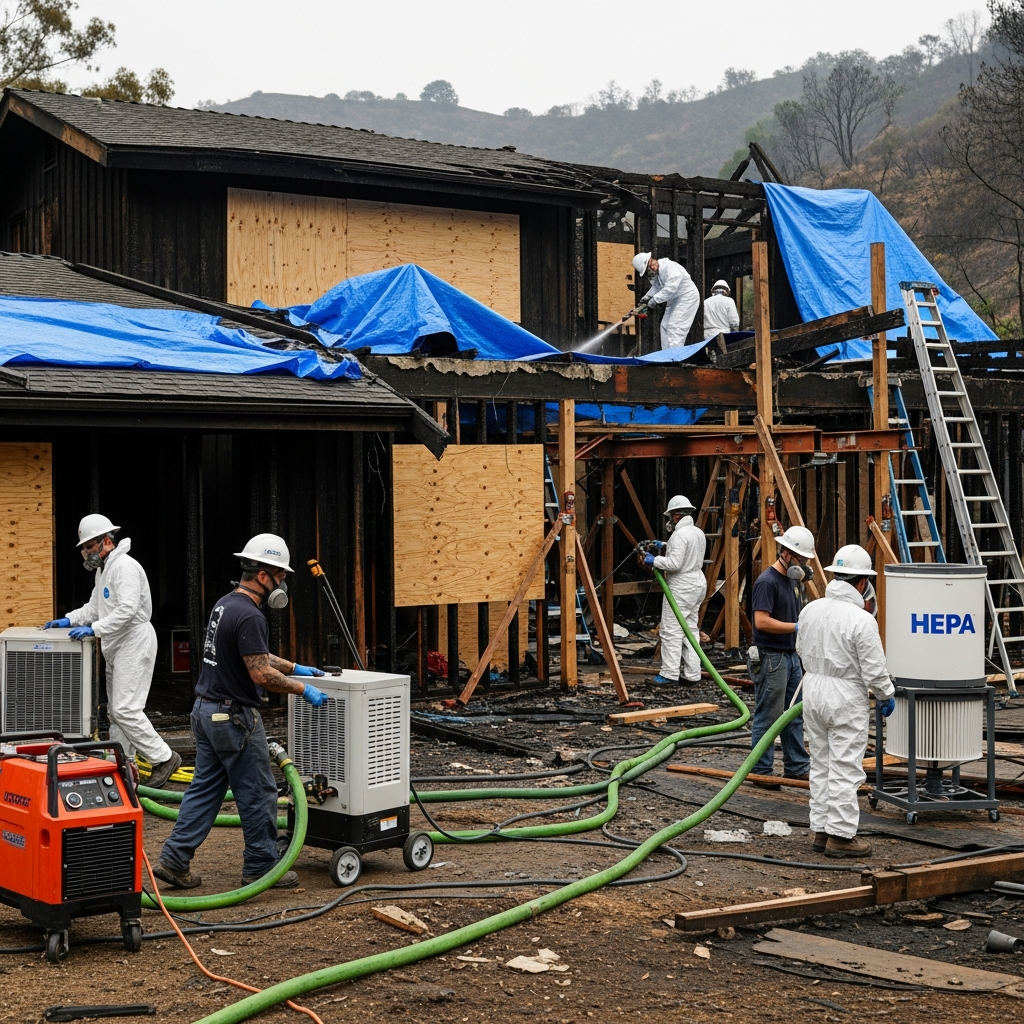
Extent of structural impact is the most visible driver. Charring, heat distortion, and smoke penetration dictate how much material must be removed and what can be cleaned in place. Roof framing, sheathing, and exterior cladding may need selective replacement to restore integrity and weather resistance. In hillside homes with large spans, structural engineering can be part of the conversation, shaping both sequence and duration.
Smoke behavior across the property is another major factor. Malibu’s winds draw smoke into attics, through can lights, and behind walls via tiny penetrations. Attic insulation often becomes a hidden reservoir for fine ash, requiring methodical removal under containment. HVAC systems that ran during the event can spread particulates through ductwork, calling for inspection and possible internal cleaning or sealing. Addressing these pathways thoroughly prevents recurring odors that could otherwise surface after reconstruction.
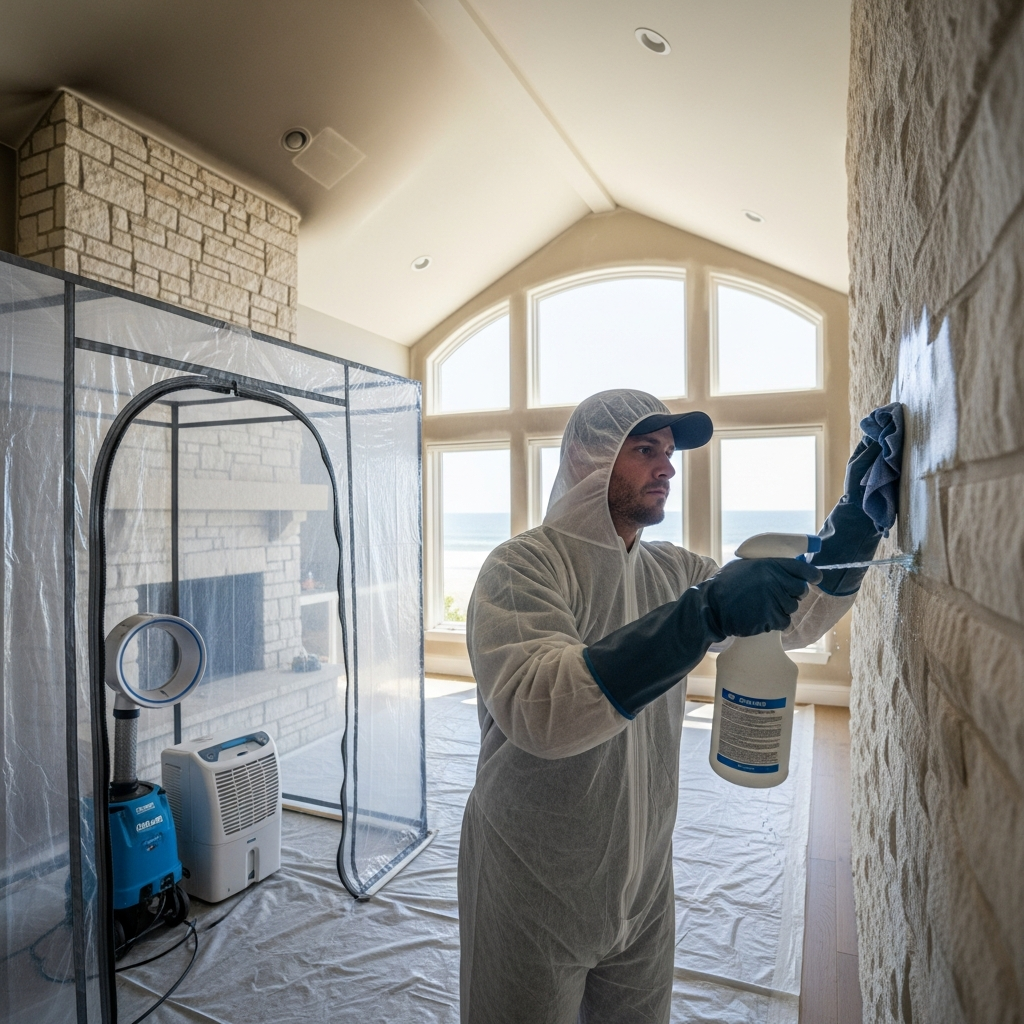
Material complexity affects technique and pace. Many Malibu residences showcase natural stone, custom millwork, designer finishes, and large window assemblies. Each material interacts differently with soot and cleaning chemistry. Preserving delicate finishes often requires gentler, more time-intensive methods—controlled media blasting for beams, poultices for marble, or specialized cleaners for lacquer cabinetry. These choices protect the character of the home and reduce the likelihood of rework.
Access and logistics also matter. Narrow canyon roads, limited staging areas, and PCH traffic patterns influence how quickly debris moves out and materials come in. Coastal gusts and fog require stronger containment and durable roof tarping. Coordinated scheduling—especially when scaffolding or lift equipment is needed—keeps work flowing smoothly and reduces downtime between phases.
Indoor Air Quality and Occupancy Plans
For many families, maintaining partial occupancy shapes the project. Establishing clean zones with HEPA filtration and negative air containment allows parts of the home to remain livable. Planning work to minimize disruption—grouping noisy phases, protecting floors and paths of travel, and maintaining clear communication—supports everyday life during restoration. Indoor air quality verification, from particle counts to moisture and odor checks, gives reassurance that the environment remains healthy at each milestone.
Odor neutralization strategies have a direct impact on the restoration arc. Source removal and deep cleaning lead the way, followed by techniques such as thermal fogging or hydroxyl treatment when appropriate. Applying smoke-sealing primers to framing or sheathing where necessary creates a durable barrier. When this sequence is right, finishing trades can proceed without fear of late-blooming odors.
Insurance Coordination and Documentation
Transparent records form the backbone of a well-managed project. Detailed room-by-room notes, photographs, and inventories of contents establish a baseline for decisions and keep everyone aligned. Malibu homes often include unique features—custom doors, built-in millwork, or handcrafted tiles—so clear documentation of like-kind materials supports accurate planning for repairs. A collaborative approach with adjusters and building officials sets expectations for sequencing and helps ensure that necessary approvals arrive when needed.
When specialty restoration is part of the plan—art conservation, instrument recovery, or electronics diagnostics—incorporating those teams early avoids bottlenecks. Chain-of-custody and condition reporting allow sensitive items to move off-site quickly while structural work advances. This parallelism shortens timelines and brings the emotional win of seeing cherished items restored sooner.
Resilience Upgrades During Restoration
Many Malibu homeowners use restoration as an opportunity to harden their homes against future events. Improvements can include ember-resistant venting, better weatherstripping at window and door assemblies, upgraded attic air sealing around penetrations, and thoughtful landscape changes that support defensible space. These choices enhance comfort year-round while reducing smoke infiltration during regional wildfires. During exterior repairs, selecting materials with stronger fire performance can align design intent with long-term resilience without altering the home’s character.
Mechanical systems are another smart focus area. Evaluating filtration strategies, return placement, and duct sealing improves indoor air quality and reduces energy waste. In coastal homes, addressing corrosion-prone components early preserves reliability. A tuned mechanical plan also supports a quieter, more comfortable home day to day, a benefit you will notice long after the final punch list is complete.
Sequencing: The Art of Not Losing Ground
Order matters. Demolition and debris removal happen under containment to prevent spreading soot. Deep cleaning and deodorization occur before finishes return. Trades are scheduled so that dusty tasks wrap before paint and flooring arrive, and equipment is placed to maintain airflow without impeding work. In Malibu’s variable weather, proactive planning for wind and humidity keeps drying and curing on track. A strong sequence avoids backtracking—the hidden driver that can stretch timelines—by keeping each step supported by the one before it.
Contents care moves in parallel. Priority items are stabilized and packed out to a controlled facility for cleaning, deodorization, and secure storage. Detailed inventories ensure that items return to a clean structure in the same organized fashion they left. This rhythm reduces stress for families and prevents clean items from picking up odors as reconstruction progresses.
What Homeowners Can Expect
From day one, expect clear communication about safety, schedule, and the spaces you can use. Expect technicians to protect surfaces as they move through the home, using runners, corner guards, and careful staging. Expect a living document of progress—photos, readings, and updates that show where things stand. And expect a team that adapts as discoveries happen; hidden conditions in attics or inside walls are common after fire, and the best responses fold those findings into the plan without losing momentum.
For many Malibu residents, peace of mind comes from seeing both craft and care. When a crew preserves a hand-textured plaster wall rather than defaulting to replacement, or when they retrieve and restore a favorite chair instead of sidelining it, you feel the difference. These choices may take longer, but they uphold the home’s story and often save time later by preventing rework.
Frequently Asked Questions
Q: What drives the overall scope of a fire restoration project?
A: The extent of structural impact, the behavior of smoke throughout the home, material complexity, and access constraints are primary drivers. Early stabilization and thorough assessment translate these factors into a clear action plan.
Q: Can part of the home remain livable during restoration?
A: Often, yes. With containment, HEPA filtration, and careful scheduling, families can keep daily routines in designated zones. Your project manager will outline practical options based on safety and comfort.
Q: How is indoor air quality verified?
A: Technicians track particle counts, moisture levels, and odor checks throughout. When appropriate, third-party assessments add further validation that the environment is ready for rebuilding and reoccupancy.
Q: Will delicate finishes and custom materials be preserved?
A: Preservation is a priority. Spot testing, gentle cleaning methods, and conservation-minded techniques like dry ice blasting or stone poultices help save original materials whenever feasible.
Q: What about electronics and smart-home systems?
A: Soot can be corrosive and slightly conductive. Early inspection and specialized cleaning under controlled power help maintain reliability and prevent intermittent faults later.
Q: How do Malibu’s climate and access affect restoration?
A: Coastal humidity, salt air, canyon winds, and tight roads influence drying, containment, and logistics. Local experience shortens learning curves and keeps projects moving steadily.
Plan with Confidence
If you are navigating restoration decisions in Malibu, choose a team that explains the why behind each step and sequences the work so progress never stalls. From emergency stabilization to odor control and finish restoration, the right partner will protect your home’s character while moving efficiently toward completion. Begin with a clear conversation and experienced guidance from dedicated fire damage restoration professionals, and turn uncertainty into a thoughtful, resilient plan forward.