From Broad Beach to the canyons above the Pacific Coast Highway, Malibu’s homes sit where ocean air meets chaparral, a beautiful but challenging edge. As our community adapts to longer dry seasons and shifting weather patterns, the work of restoring homes after smoke and fire has evolved rapidly. Homeowners want to know not only how to recover, but how to rebuild smarter. The latest trends in fire damage restoration in Malibu reveal a blend of science, craftsmanship, and resilience-minded design that reflects our landscape and lifestyle.
Today’s restoration practices go far beyond scrubbing walls. They integrate building science with digital documentation, materials testing, and odor chemistry. This integrated approach helps teams diagnose damage precisely, avoid unnecessary demolition, and deliver results that hold up through heat waves and coastal humidity. In Malibu, where properties range from modern glass-walled pavilions to classic beach cottages, customization is essential. The trend is toward solutions that respect a home’s design while quietly hardening it against future events.
Data-driven assessments and 3D documentation
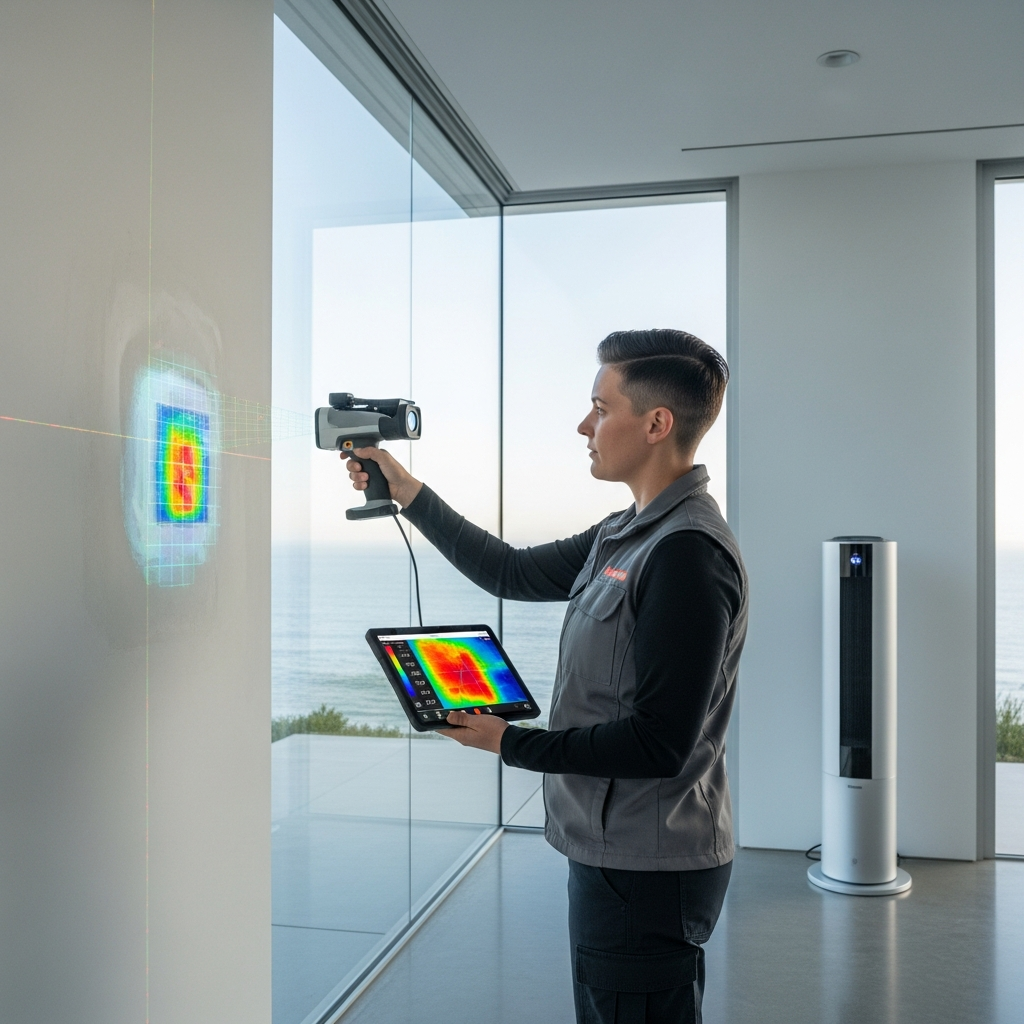
One of the biggest shifts is in the way damage is assessed and recorded. High-resolution 3D scanning captures a property’s exact conditions before, during, and after mitigation, allowing precise estimates and clear communication with insurers and builders. These scans pair with moisture mapping and thermal imaging to reveal what the eye cannot see—wet insulation behind plaster, smoke infiltration in soffits, and temperature anomalies that lead investigators to hidden voids. This digital backbone reduces disputes, expedites approvals, and becomes a lasting record that protects property value.
In parallel, contents inventories have become more sophisticated. Barcoded tracking apps, photo catalogs, and condition notes are standard, but some teams now integrate AI-assisted tagging to speed up documentation and prioritize fragile items. For Malibu homeowners with artwork collections, vintage surfboards, or custom furniture, this clarity ensures nothing is overlooked and that specialized cleaning is applied where it matters most.
Cleaner chemistries and material-sensitive methods
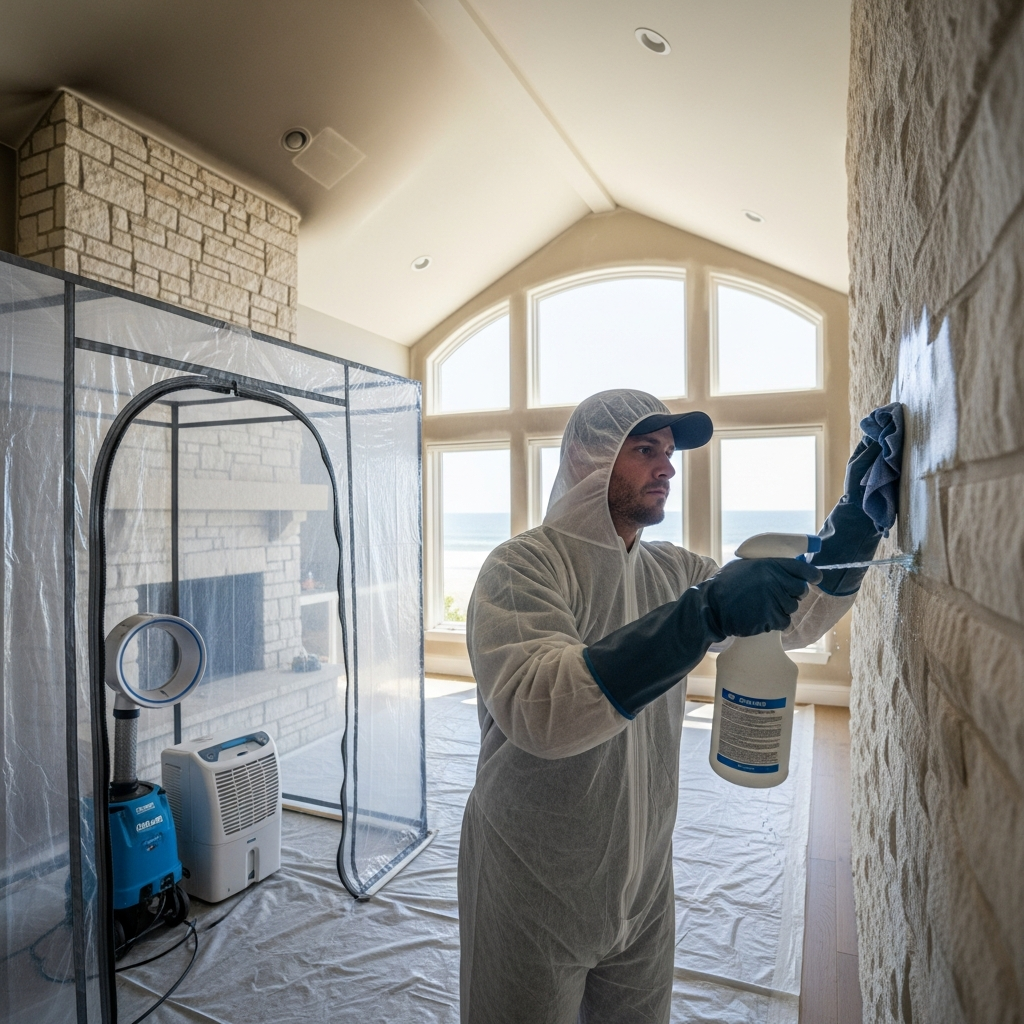
Another trend is the move toward greener, material-sensitive cleaning. Harsh solvents can damage finishes and leave residues that affect indoor air quality. Modern formulations pair enzyme-based cleaners for protein residues with pH-balanced agents for delicate surfaces. On architectural wood and stone, test patches confirm compatibility before full application. Because Malibu homes often showcase natural materials—oak beams, limestone, cedar cladding—this cautious approach preserves character while removing contaminants thoroughly.
Odor control has likewise matured. Rather than relying on ozone indiscriminately, which can be harsh on certain materials, many teams favor hydroxyl generation and thermal fogging sequenced with source removal. The goal is lasting neutrality, not a perfumed cover-up. When deodorization is aligned with cleaning and ventilation, odors do not reappear during Santa Ana events or summer heat, a critical benchmark for coastal living.
Containment, airflow, and HVAC hygiene
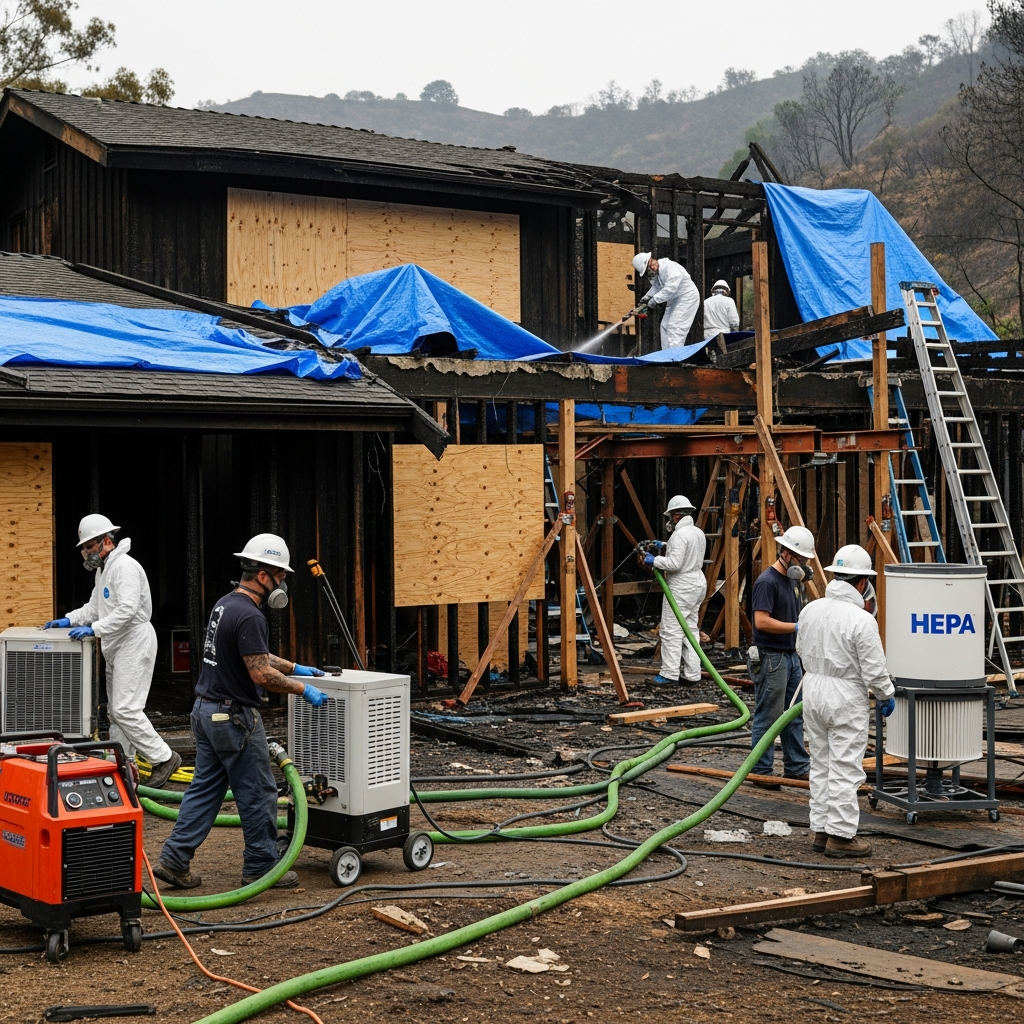
Restoration increasingly treats airflow as a building system to be managed, not a background condition. Negative air machines, pressure differentials, and surgical containment keep clean areas clean while work proceeds. In Malibu’s open-plan homes, where air moves freely between levels, this control is crucial. Duct cleaning has also become more comprehensive, with robot-assisted brushes and HEPA capture ensuring soot does not re-enter circulation. Filter upgrades and post-restoration maintenance schedules help families breathe easier once they return.
These practices are not only about health; they also speed up projects. When dust and soot are controlled, crews work more efficiently, and there is less re-cleaning at the end. That means faster, cleaner handoffs to reconstruction teams and a shorter road home.
Resilience-minded reconstruction and materials
Restoration now sets the stage for resilience. Design teams increasingly recommend ember-resistant vents, Class A roofing, and ignition-resistant claddings during rebuilds. Inside, noncombustible backer boards near cooking zones, tempered glass in vulnerable exposures, and intumescent coatings on structural elements are gaining traction. These interventions do not broadcast themselves; they sit quietly in the background, making homes tougher without diluting their aesthetic.
Material selection is influenced by maintenance realities too. Finishes that resist smoke absorption and clean easily are prioritized for key zones. In coastal settings, fastener choices, flashing details, and sealants are specified to counter salt-driven corrosion as well as heat. The trend is holistic: if we repair a kitchen, we also consider ventilation, make-up air, and grease capture to minimize future risk.
Electrification, solar, and battery considerations
As more Malibu homes adopt solar arrays and home battery systems, restoration teams increasingly coordinate with electricians trained in these technologies. After a fire, photovoltaic equipment and storage systems must be de-energized and inspected before work proceeds. Cable routing, roof penetrations, and battery room ventilation come under scrutiny to ensure safety in both the present and future. This collaboration ensures that reconstruction pairs clean energy goals with best-practice fire safety.
EV infrastructure is another frontier. Garages with chargers require attention to wiring integrity and ventilation, especially after smoke exposure. Restoration professionals now document and test these systems alongside traditional electrical inspections, closing gaps that were easy to miss a few years ago.
Smarter project sequencing and homeowner communication
One of the most meaningful trends from a homeowner’s perspective is improved communication. Digital portals share schedules, photos, and milestone updates so families can track progress without daily site visits. Transparent sequencing—stabilization, water extraction, selective demolition, cleaning, deodorization, verification, and turnover—demystifies the process. This clarity reduces stress and aligns expectations, a major benefit during a disruptive time.
Better sequencing also protects results. For example, final cleaning is now often split into phases, with an intermediate pass after heavy work and a fine pass after reconstruction. This two-stage approach minimizes the chance that fresh dust undermines earlier deodorization or that residues reappear under new finishes.
Wildfire smoke preparedness and indoor air quality
Not every fire touches a structure directly. Many Malibu residents experience waves of regional smoke that drift inland and settle in coastal pockets. A growing insight is that restoration and preparedness overlap: sealing leaks, upgrading filtration, and maintaining HVAC systems pay dividends even when flames never approach the property line. Portable HEPA units, MERV 13 or higher filters where systems allow, and weather-stripping at strategic points all reduce particulate ingress. Restoration teams increasingly weave these recommendations into final walkthroughs, treating air quality as part of the home’s long-term wellness plan.
Some households now maintain an “air quality kit” much like an earthquake kit: spare filters, pre-cut return air covers for emergencies, and clear instructions on system settings during smoke events. This quiet shift reflects an understanding that the best restoration is the one you need least often.
Contents care, conservation, and climate control
Malibu’s creative community brings unique contents challenges—original paintings, archival photographs, musical instruments, and bespoke furnishings. The trend is toward earlier, more specialized intervention. Conservators are looped in sooner, and climate-controlled storage is prioritized to prevent warping or adhesion issues while deodorization proceeds. Gentle, ozone-free methods protect sensitive pieces, and packing materials are chosen for off-gassing neutrality so items do not absorb new odors while awaiting return.
For everyday items, ultrasonic cleaning paired with careful drying restores clarity to glassware and shine to hardware without abrading finishes. The mantra is precision over speed, because too-aggressive cleaning can etch or blur details that matter.
Case insights from the coastline
Patterns emerge across projects. Homes with well-sealed attics and ember-resistant vents tend to show less deep smoke infiltration, making deodorization more straightforward. Properties with thoughtful defensible space accumulate fewer combustible embers near openings, minimizing direct heat exposure to windows and doors. On the flip side, open soffits and older vents often become conduits for smoke, and neglected gutters laden with dry debris invite ignition. These insights are driving homeowners to invest in small, high-impact upgrades during reconstruction.
Another insight: indoor humidity control during restoration pays dividends. Malibu’s marine layer can stall drying if not balanced with controlled dehumidification. Teams that monitor vapor pressure and circulate air intelligently finish faster and more completely, reducing odor reappearance and material stress.
Insurance collaboration and transparency
Trends also show up in how projects are financed and approved. Insurers increasingly expect detailed digital records—3D scans, annotated photos, material test results, and daily logs. Restoration companies have responded with standardized reporting that shortens review cycles and sets clear baselines for scope. For homeowners, this means fewer surprises, faster approvals, and a smoother transition into rebuilding. The lesson is simple: transparency accelerates trust.
Malibu’s custom finishes and architect-driven designs add complexity to estimating, but they also reward thoroughness. When a claim file documents why a hand-troweled plaster requires a particular sequence or why a custom cabinet finish needs specialty treatment, decisions land faster and outcomes feel fairer to all parties.
Education and homeowner empowerment
Finally, a welcome trend is the emphasis on homeowner education. Walkthroughs now include guidance on filter changes, odor checks during the first heat cycle, and what to watch for as materials settle. Many teams provide concise post-restoration care notes so that families recognize what is normal and what warrants a follow-up. This empowerment transforms homeowners from passive recipients into informed stewards of their space.
In the middle of the restoration journey, as floors dry and fine cleaning brings back the luster of wood and stone, the strategic role of fire damage restoration in Malibu becomes undeniable. It is not just about erasing signs of damage; it is about aligning the house with the environment it inhabits and giving it better odds against the next smoke event or ember shower.
Looking ahead
We can expect technology to continue reshaping the field. More precise sensors will map air quality in real time, while materials science pushes forward with coatings and composites that resist heat and absorb less smoke. Drones may assist with roof inspections on difficult sites, and software will further streamline communication among homeowners, insurers, and builders. Yet the heart of restoration will remain human: skilled technicians, careful hands, and local judgment rooted in experience on our hillsides and beaches.
The best insight of all may be this: the sooner restoration expertise is engaged, the better the outcome. A quick assessment after a small incident can prevent it from becoming a major problem, and a comprehensive plan after a larger fire can shorten disruption dramatically. Malibu’s homes are resilient when cared for with intention.
Frequently asked questions
What new technologies are most helpful in fire restoration?
3D property scanning, thermal imaging, and advanced moisture mapping top the list for assessment. For mitigation, HEPA air filtration paired with controlled containment is standard, while hydroxyl generators and carefully applied thermal fogging lead odor control. Digital inventories and customer portals improve communication and transparency throughout the project.
Are greener cleaning agents as effective as traditional solvents?
When matched to the right soot type and surface, yes. Modern, pH-balanced formulations and enzyme-based cleaners remove residues effectively while protecting finishes and indoor air quality. The key is proper testing and sequencing so that agents do their job without leaving harmful byproducts.
How does Malibu’s climate influence restoration choices?
Marine layers and salt air encourage corrosion and can slow drying. Strategies emphasize corrosion-aware cleaning, calibrated dehumidification, and ventilation management. Material choices and fasteners during reconstruction are selected for both fire resistance and coastal durability.
What can homeowners do to reduce future smoke impacts?
Invest in ember-resistant vents, maintain defensible space, and seal common air leaks. Upgrade HVAC filtration where systems allow, keep spare filters on hand, and consider portable HEPA units for smoky days. Regular maintenance and quick response after minor incidents prevent small problems from escalating.
Will odor return after a heat wave?
Not if source materials were removed or treated and odor control was sequenced correctly. Odors that resurface usually indicate missed reservoirs in insulation, cavities, or structural wood. Verification under warm, humid conditions is part of a thorough completion process.
When you are ready to recover or simply want a proactive assessment, connect with experienced professionals in fire damage restoration in Malibu. Start a conversation today to document your home clearly, protect your indoor air, and rebuild with confidence rooted in the latest science and local know-how.