Emergency Fire Damage Restoration In Malibu, California
When a fire disrupts life in Malibu, it rarely does so quietly. It sweeps in with the roar of canyon winds, the rush of first responders, and a flood of emotions that make time feel both frantic and frozen. In those first hours, what you need most is clarity—an experienced local voice guiding each decision so your home and your routines can begin to feel normal again. That is where true emergency response proves its value, translating urgency into action. In Malibu, our approach draws from years of working along the coast and canyons—Point Dume, Malibu Park, Serra Retreat, and the hillside neighborhoods where access is tight and every minute matters. From the first moment on site, emergency fire damage restoration is about stabilizing safety, protecting what remains, and planning restoration with the landscape and climate in mind.
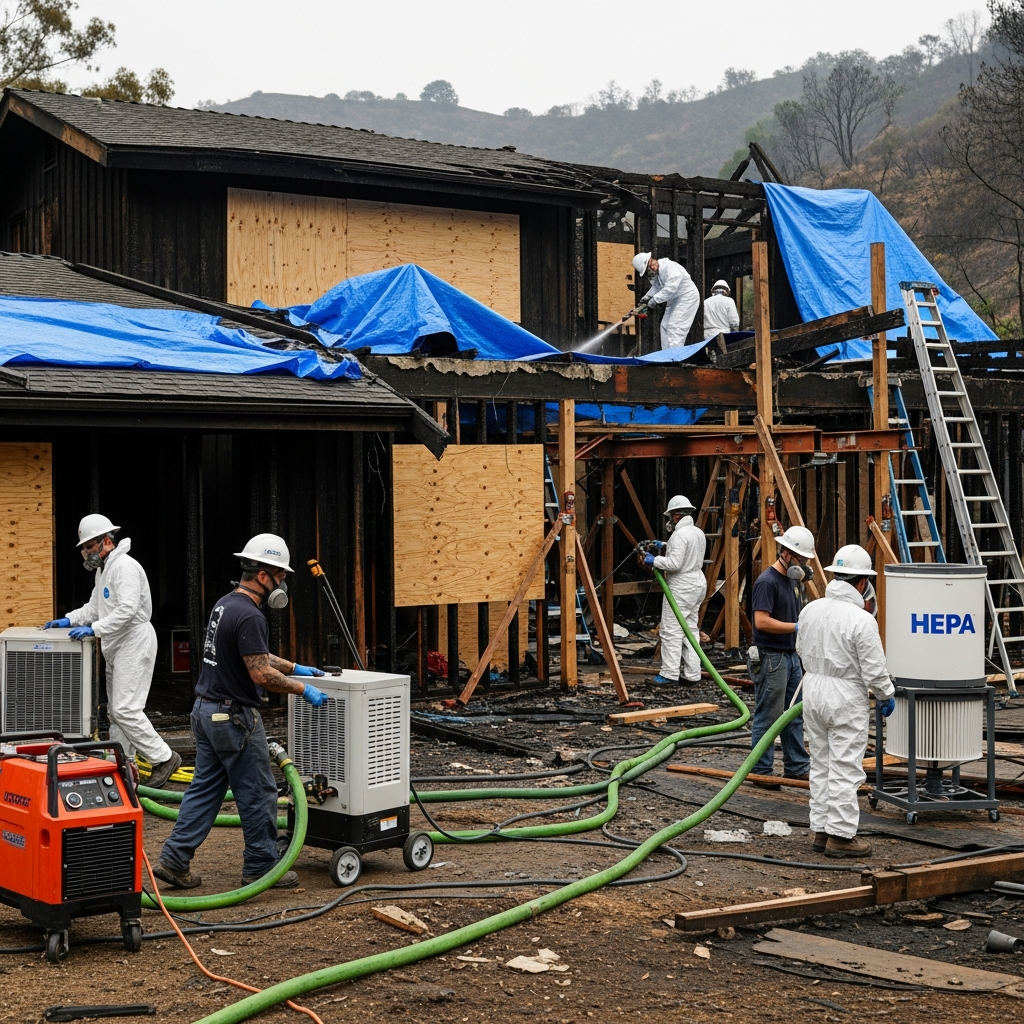
Fire scenes are complex. Even a smaller event—a kitchen flare-up or an electrical short—can produce smoke and soot that travel far beyond the room where flames started. In Malibu, marine layers, breezes off the Pacific, and the geometry of hillside homes shape how smoke moves and where residues land. After larger fires, especially those fueled by seasonal Santa Ana winds, ash finds its way into roof cavities, crawl spaces, and HVAC systems, where it continues to circulate long after the final hose is rolled. The first priority is always to secure the site, document the condition thoroughly, and prevent further damage from the elements. Board-ups, roof tarping, and temporary fencing bring order to chaos while assessments begin.
Safety, Stabilization, and First Priorities
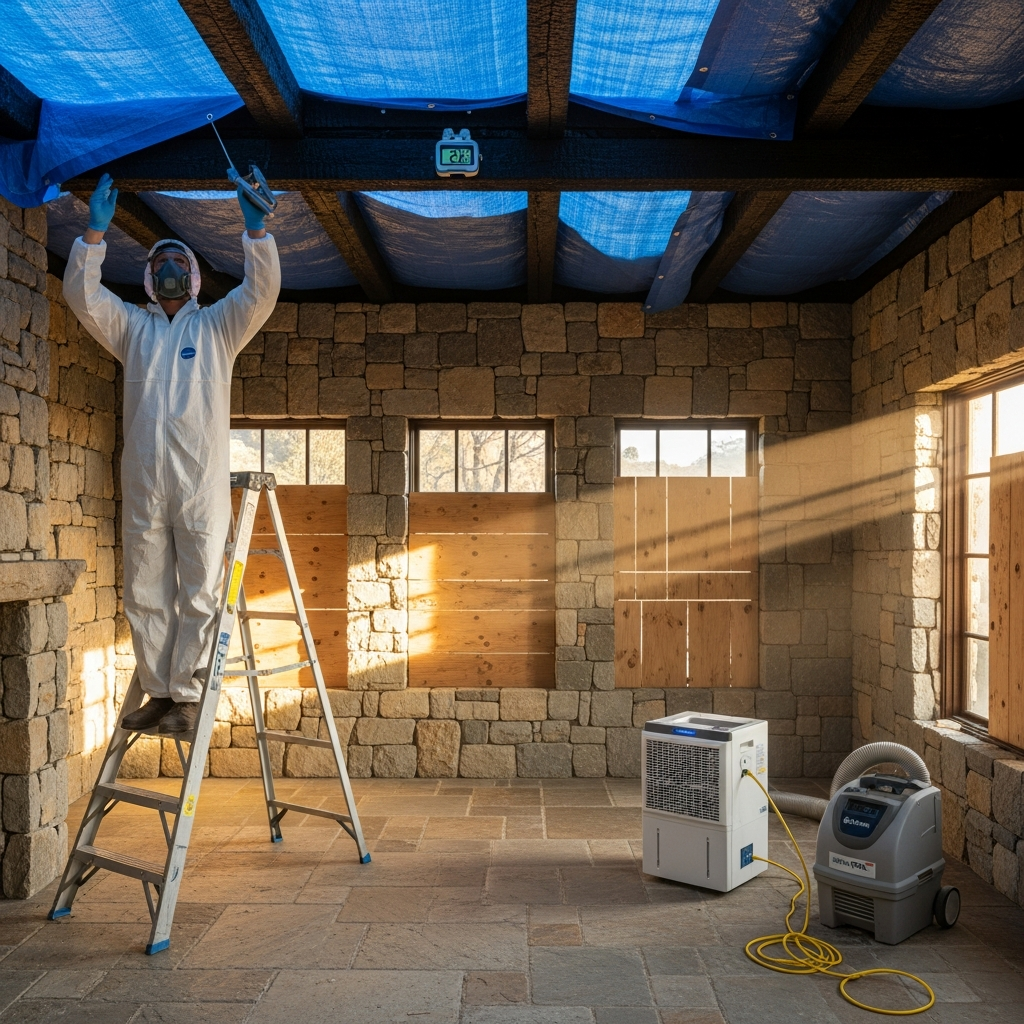
In an emergency, the scope of immediate work hinges on safety. The team will verify structural integrity, assess power and gas hazards, and evaluate the building’s envelope. If firefighting introduced water—and it often does—extracting that moisture quickly is critical to preventing secondary damage. On the coast, chronic humidity can complicate drying, and Malibu’s cooler nights can mask how trapped moisture behaves in plaster, drywall, and hardwood. High-capacity dehumidification, air movement, and real-time moisture mapping are employed to set the right conditions. While that unfolds, technicians triage contents, moving sensitive items—artwork, instruments, heirlooms, electronics—out of harm’s way and into controlled environments for specialized handling.
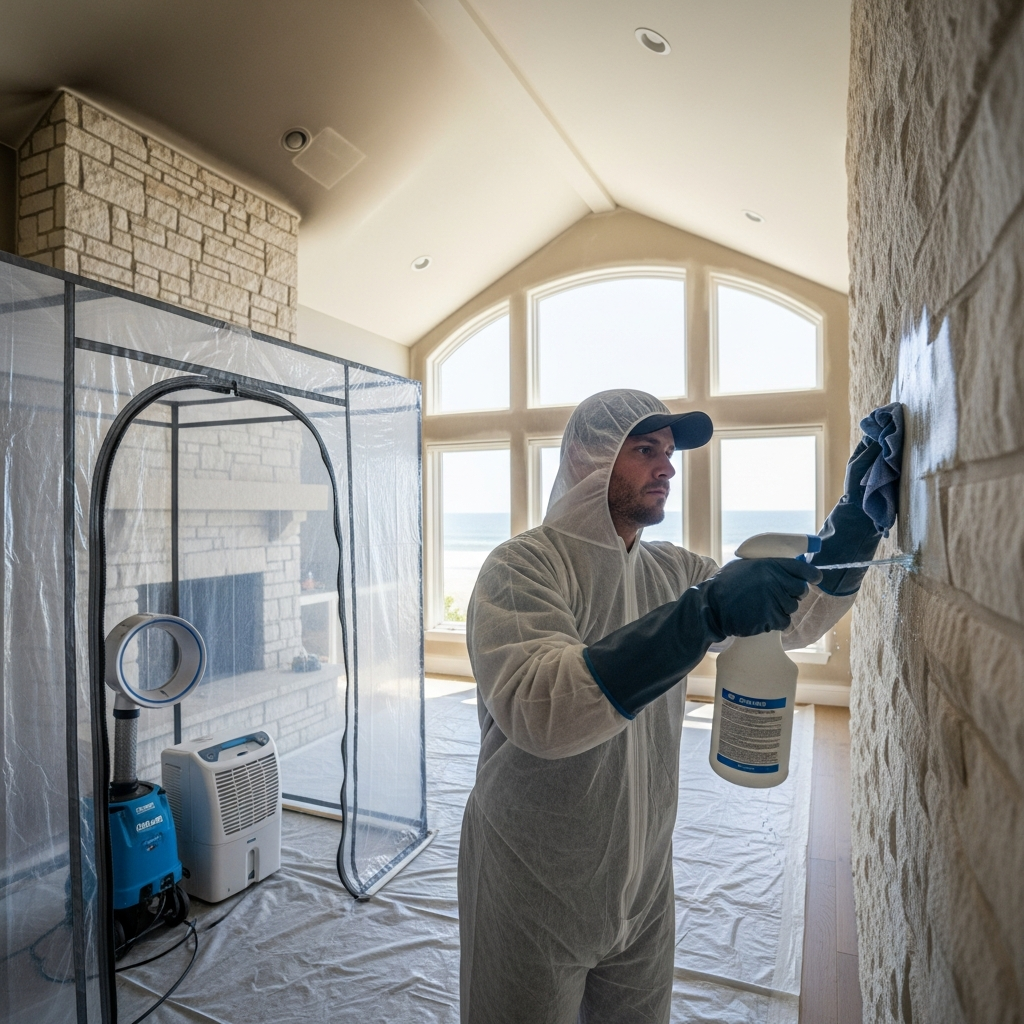
Securing openings and installing temporary support where needed allows the next phase to begin: soot and smoke removal. Not all soot is the same. Protein residues from a kitchen fire behave differently than oily, wet soot from smoldering materials. Fine, dry soot behaves like a powder and can smear if cleaned with the wrong method. Each type demands its own cleaning chemistry and technique. In Malibu homes, where surfaces often include natural stone, high-end millwork, glass, and unique plaster textures, selecting the right process protects finishes while removing contamination. The goal is to clean deeply without compromising the character of the home.
Understanding Smoke Movement in Malibu Homes
Malibu’s geography plays a surprisingly large role in how smoke travels. During wind-driven events, pressure differences draw smoke into attics through soffit and ridge vents, down through can lights, and behind wall cavities via tiny penetrations. Even homes near the shoreline can see significant infiltration, with salt air interacting with soot to create a corrosive mix that targets metal fixtures, electronics, and HVAC coils. That is why emergency response includes swift HVAC isolation, filter replacement, and often internal duct cleaning or sealing strategies. Every decision is made with the dual aim of preserving what can be saved and minimizing long-term odor issues that would otherwise linger after reconstruction.
Odor control begins early. HEPA filtration, negative air pressure, and advanced deodorization methods such as thermal fogging or hydroxyl treatment can be used when appropriate to neutralize stubborn smoke molecules. These techniques require careful judgment—especially in occupied homes or when dealing with sensitive materials. Attention to ventilation patterns, occupant needs, and staging ensures the work progresses efficiently without spreading contaminants. In addition, textile restoration—rugs, drapery, upholstered furniture—relies on specialized cleaning and deodorization so that these items do not reintroduce odors once the structure is restored.
Documentation, Communication, and Insurance Coordination
Emergencies demand fast action, but they also require meticulous records. From the moment crews arrive, detailed photographs, moisture readings, and inventories of affected structures and contents build a clear picture of what happened and what must come next. In Malibu, where homes often include custom materials and one-of-a-kind finishes, documentation serves as a road map for like-kind restoration. When insurance is involved, this clarity streamlines conversations with adjusters and helps set realistic expectations for timelines. It also ensures that nothing important is overlooked when the project transitions from mitigation to repair and finish restoration.
Clear communication extends beyond paperwork. Homeowners need to know what will happen today, tomorrow, and next week—what will be noisy, what will be dusty, and what areas will remain livable. For many Malibu families, the goal is to phase the work so part of the home can remain functional, even if temporarily. Where possible, project managers schedule high-disruption tasks together, coordinate with specialty trades, and keep neighbors informed when access or street parking along PCH side roads or canyon drives may be affected. This level of orchestration takes experience, local knowledge, and a steady hand at the helm, especially in emergency situations where choices carry long-term implications.
The Restoration Roadmap: From Chaos to Clarity
Every emergency restoration journey follows a series of checkpoints, even if the steps overlap. It starts with immediate mitigation—securing the site, addressing water, isolating HVAC, and removing unsalvageable debris. Next comes deep cleaning and deodorization tailored to the home’s materials, from beams and paneling to high-gloss lacquer cabinetry and natural stone. Attic and interstitial space cleaning prevents recurring odors and supports healthy indoor air. Only once the structure is clean and stable do repair and reconstruction begin, guided by a plan that accounts for permitting, local building codes, and any needed engineering.
In the middle of this process, it helps to pause and reassess goals with the homeowner: what must be restored exactly as it was, and where is there room to improve resilience? This might include upgrading insulation that also reduces smoke infiltration, sealing recessed lighting housings, or choosing more fire-resistant exterior materials during repairs. Many Malibu homeowners take this opportunity to revisit defensible space around the structure, improving landscape choices and maintenance routines to reduce vulnerability during future wind events. Throughout, a seasoned team remains focused on the details, including the seemingly small decisions that influence indoor air quality and long-term satisfaction. If you are evaluating options during this stage, take time to compare approaches to structural cleaning, odor neutralization, and contents handling—the craft behind effective fire damage restoration lies in these details.
Special Considerations for Coastal and Canyon Properties
Homes perched above the surf or nestled in canyons experience different stressors. Salt-laden air accelerates corrosion, so addressing metal hardware, fixtures, and electronics promptly can avert failure later. Canyon properties often have limited access, which affects logistics: staging equipment, routing negative air, and planning debris removal on narrow, winding roads. Multi-level structures with open trusses or vaulted ceilings require careful sequencing to prevent cross-contamination as higher-level cleaning proceeds. In custom homes, integrated systems—retractable doors, smart lighting, whole-home audio, radiant floors—need tailored protection and post-cleaning testing. The most effective emergency teams bring not only equipment, but also practical solutions for oddball challenges that inevitably arise on unique Malibu builds.
Historic and architecturally significant homes call for a conservation mindset. Instead of simply replacing, restoration may aim to save original beams, hardwoods, or artisan plaster. Gentle media blasting with baking soda or dry ice can remove soot from wood without erasing tool marks or patina. Specialized stone poultices draw out staining from marble or limestone. These techniques are slower and more exacting, but they preserve character and value. Emergency response sets the tone: when surfaces are protected early and cleaned appropriately, the path to conservation-friendly repairs opens wider, and more of the home’s story remains intact.
Contents Care: Salvaging What Matters
What makes a house feel like home are the things within it—family photos, books, textiles, art, and the comfortable pieces you reach for daily. In emergency settings, contents work happens in layers. First, a quick sort separates items at risk from ongoing moisture, soot, or traffic. Next, a documented pack-out moves selected items to a secure facility for detailed cleaning and deodorization. Specialty partners may be brought in for artwork, instruments, or rare books, ensuring chain-of-custody and condition reporting each step of the way. When contents return, they do so to a clean structure, so their newly restored condition lasts. The rhythm of this process anchors the emotional side of recovery; watching cherished items return to form can help families regain momentum as the building itself heals.
Electronics demand special mention. Soot can be conductive and corrosive, and even devices that appear fine may develop failures over time if residues remain. Under controlled conditions, electronics can be inspected and, when appropriate, cleaned by specialists who understand the intricacies of modern circuits. Documenting serial numbers and condition helps with insurance and future service. The same thoughtful approach applies to soft goods: washable textiles are treated with the right chemistry and water quality, while non-washable items rely on solvent-based or ozone-free deodorization as needed.
Air Quality and Health Considerations
Even after visible soot is gone, indoor air quality remains a priority. HEPA air scrubbing continues through cleaning and early reconstruction to capture particulates. In some homes, sealed cleaning zones are established to protect sensitive areas or allow partial occupancy. Balancing ventilation with coastal humidity is part art, part science; too much moisture can stall drying, while too little movement can let odors persist. Post-mitigation verification—particle counts, moisture checks, and sometimes third-party assessments—gives confidence that the environment is truly ready for rebuilding and reoccupancy. For families with respiratory sensitivities or young children, this data offers real peace of mind.
When rebuilding gets underway, the clean environment supports better adhesion for primers and finishes, and it reduces the chance of bleed-through staining or late-blooming odors. Using the right smoke-sealing primers on framing and sheathing where needed creates a durable barrier that supports a fresh start. Careful attention to insulation and air sealing around penetrations also pays dividends during future wind events, limiting how much outside smoke can enter during regional wildfires.
Choosing the Right Partner in an Emergency
Not all emergency responders work the same way, and the difference typically shows in the first 24 to 48 hours. Look for teams that arrive fully equipped, communicate clearly, protect surfaces as they move through the home, and maintain consistent documentation. Local familiarity is a real advantage in Malibu; crews that understand PCH closures, canyon traffic patterns, coastal weather, and local permitting dynamics simply move faster and with fewer surprises. The best partnerships feel collaborative—you stay informed, your preferences shape decisions, and the roadmap is transparent and adaptable. With those fundamentals in place, the rest follows: cleaner outcomes, smoother repairs, and a home that feels like your own again.
In the end, emergency restoration is about restoring rhythm. It turns the immediate aftermath—from the smell of smoke to the churn of logistics—into a sequence of deliberate steps. Each action reduces uncertainty and builds toward a moment when keys return to the familiar hook by the door, and the house once again sounds like life. If you are in that first, disorienting window after a fire, know that you do not have to move alone or guess at the next step. There is a process, refined locally and proven across Malibu’s varied terrain, ready to carry you forward with care.
FAQ: Emergency Fire Damage Restoration in Malibu
Q: What should I do first after a fire is extinguished?
A: Once the property is released by authorities, contact a qualified emergency restoration team to secure openings, mitigate water, and assess safety. Avoid cleaning or moving items yourself; soot can smear and embed, making professional cleaning harder. If possible, ventilate carefully without drawing in coastal humidity or exterior ash, and keep HVAC systems off until inspected.
Q: How quickly should mitigation begin?
A: The first 24 to 48 hours are crucial. Moisture from firefighting can begin damaging materials immediately, and airborne soot can settle deeper with time. Rapid stabilization—tarping, board-ups, water extraction, and HEPA air scrubbing—protects the structure and contents while a comprehensive plan is built.
Q: Will smoke odors ever fully go away?
A: Yes, with the right combination of source removal, targeted cleaning, and odor neutralization. Structural materials that absorbed smoke are cleaned and sealed as needed, while contents undergo deodorization tailored to their fibers and finishes. HVAC cleaning prevents reintroduction. When each layer is addressed, lingering odors do not return.
Q: Can I stay in the home during emergency work?
A: It depends on the extent of damage and your comfort level. Many projects can be phased to maintain a livable zone with proper containment, air filtration, and scheduling. Your project manager will outline what to expect and help you decide whether partial occupancy is practical and safe.
Q: How are my belongings handled?
A: Technicians perform a careful inventory and pack-out of selected items, transporting them to a controlled facility for cleaning and deodorization. Chain-of-custody procedures and detailed condition reports ensure items are tracked and returned in restored condition to a clean environment.
Q: What makes Malibu properties unique to restore?
A: The combination of coastal conditions, hillside construction, and wind-driven smoke patterns creates distinctive challenges. Salt air accelerates corrosion, access can be limited, and custom finishes demand specialized care. Local experience helps anticipate these factors and streamline decision-making from day one.
Ready to Restore After an Emergency?
If you are facing the aftermath of a fire in Malibu and need immediate guidance, reach out to a local team that treats urgency with craftsmanship and care. From securing your property to advanced odor neutralization and contents recovery, every step can be coordinated with clear communication and respect for your home’s character. Begin the path back to comfort and normalcy today with trusted Malibu fire damage restoration support, and let experience turn uncertainty into a confident plan forward.