Oceanfront Malibu is a place where the horizon seems endless, where sunlight scatters across the Pacific and salty breezes move through sliding doors. It is also a place where fire and sea meet in complex ways. When a house on the sand or perched over the water experiences a fire—whether from embers landing on a deck during a regional event or a localized incident inside—the cleanup that follows must account for the ocean itself. Salt, moisture, and wind do not just surround an oceanfront home; they shape the behavior of smoke, water, and building materials at every step of recovery.
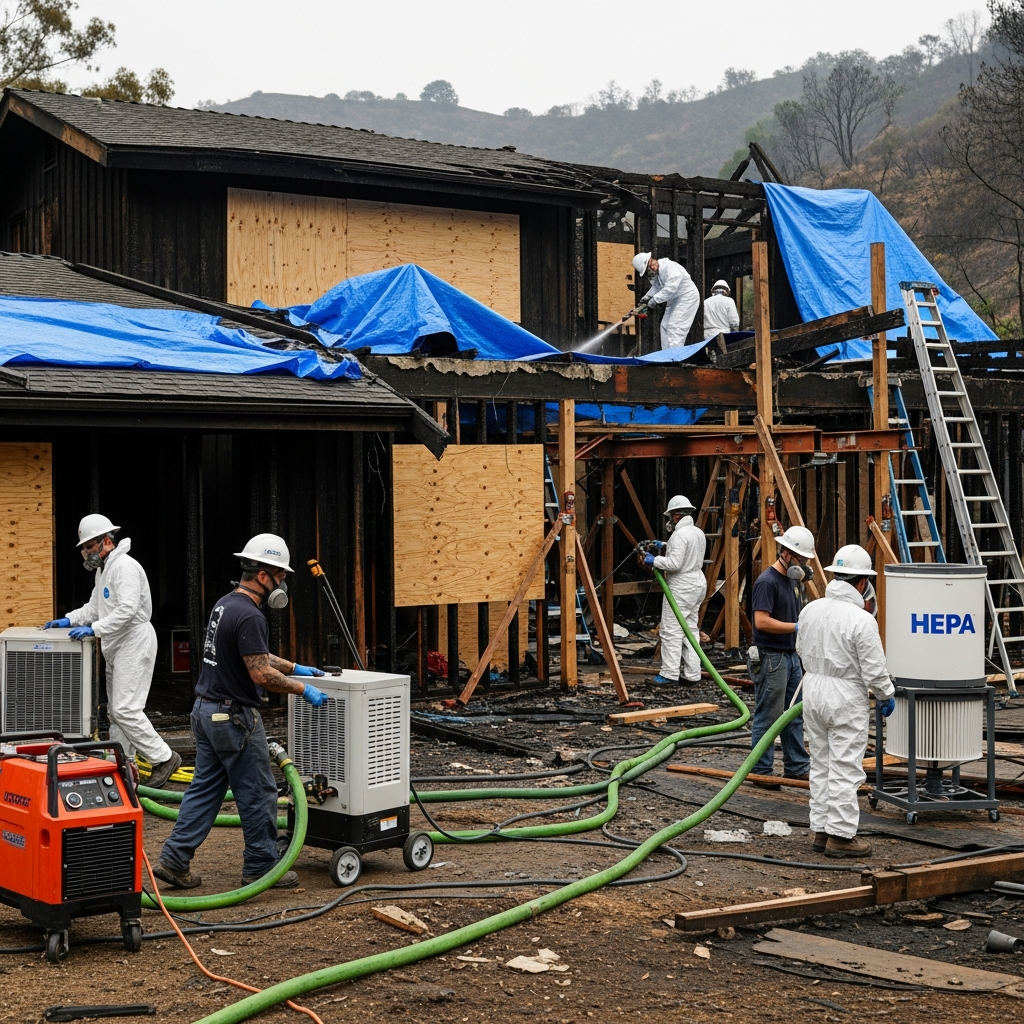
In the immediate aftermath, the priority is to stabilize. Openings created by heat or firefighting need to be sealed against both weather and spray. On some days, the marine layer hangs heavy and delivers a fine mist that can travel laterally beneath eaves or through warped window tracks. That moisture, when it meets soot, accelerates corrosion of metals and can set odors into porous surfaces. Early, decisive action—board-ups, tarping, and controlled airflow—prevents salt-laden air from deepening the damage. The rhythm of the tide even matters; work that seems straightforward at noon may contend with a gusty onshore flow by late afternoon that drives contaminants further into a structure.
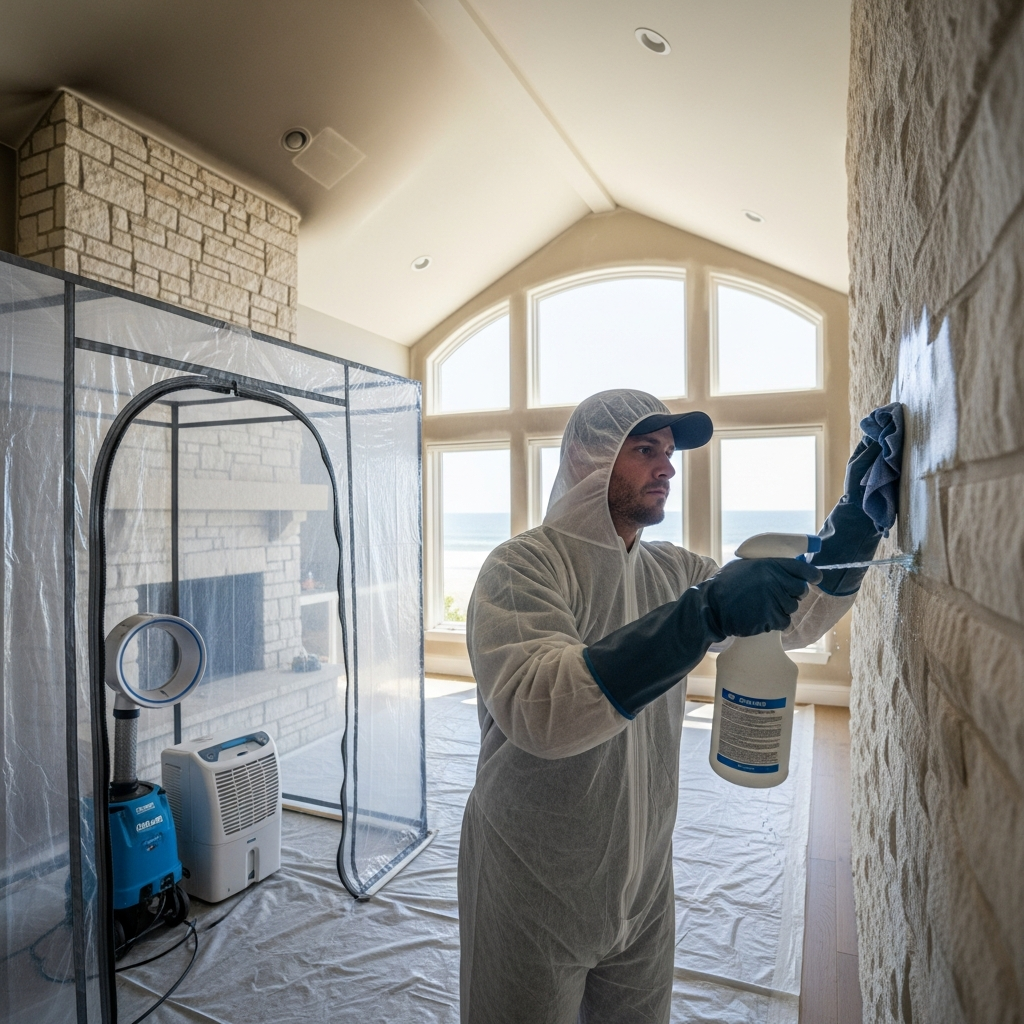
Oceanfront finishes are prized for durability, but they have their quirks. Stainless steel railings and outdoor kitchens resist rust under normal conditions, yet post-fire they are vulnerable. The chemistry of soot plus salt creates a micro-environment where pitting starts at a scale invisible to the eye. That is why cleanup begins with dry, non-reactive removal of residues, followed by carefully balanced wets to neutralize acids without over-wetting. Inside, wide-plank floors and specialty cabinetry common to Malibu’s beachfront design palette require gentle handling; abrasives that might be acceptable elsewhere are a poor fit where sand already adds daily wear.
The path that smoke takes through an oceanfront home is also unique. With sliding doors and expansive glazing, the pressure dynamics from wind are significant. During a fire event, gusts can drive smoke into tracks, pocket doors, and the slim channels beneath threshold seals. Those are not aesthetic details—they are odor reservoirs. Cleanup crews track these pathways with light, mirrors, and particle counters, then set up containment so that clean areas remain protected while the dirtiest zones are addressed first. At the same time, negative air machines with HEPA filters move particulates out of the breathing zone without drawing in too much damp, salty outside air.
Water introduced by firefighting needs disciplined management. Oceanfront homes sometimes have stacked living spaces with top-floor great rooms and lower-level bedrooms tucked against seawalls. Water gravities through chaseways, finds its way behind built-ins, and collects in low points against the ocean-facing side. Moisture mapping and targeted opening of assemblies ensures dry-outs do not drag on, because coastal humidity will slow evaporation if not paired with dehumidification. Drying plans take into account daily RH swings that come with the marine layer and onshore/offshore wind shifts.
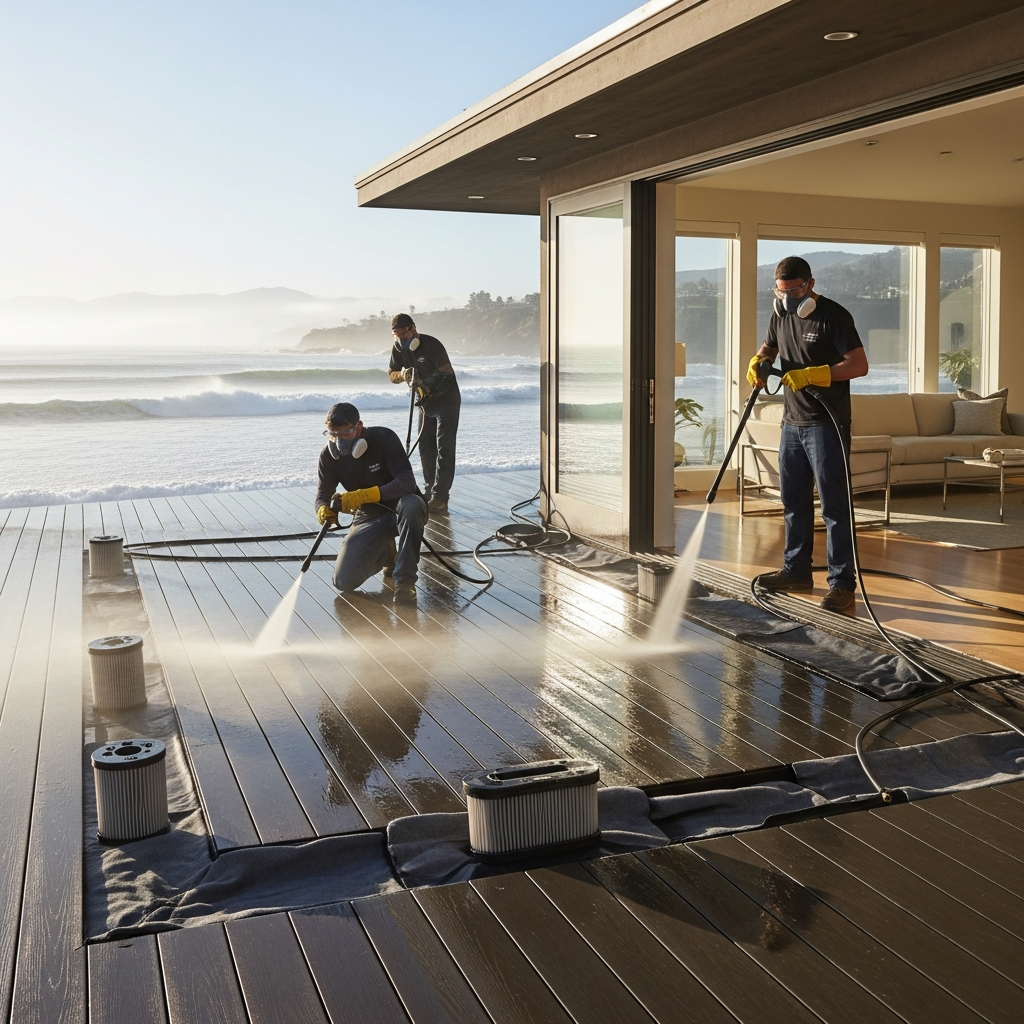
Outdoor spaces deserve equal attention. Decking that saw embers or heat may look intact, yet trapped residues inside fastener holes and between boards can introduce odors that ride ocean breezes right back into the home. Gentle cleaning that respects environmental protections is a must. Runoff controls, filtration socks, and careful waste capture keep contaminated wash water away from sand and surf. Malibu’s stewardship ethic asks us to protect the shoreline while we protect your home, and that ethic shows up in the equipment we choose and the way we manage debris removal.
Contents tell their own story after a seaside fire. Salt-sprayed windows blur the line between exterior and interior exposure, and soft goods readily absorb combined odors of smoke and brine. The triage process identifies what requires immediate off-site treatment—fine textiles, art, and electronics—and what can be stabilized in place. Music rooms and media spaces prevalent in Malibu’s oceanfront homes often host a mix of amplifiers, mixing boards, and high-end displays. Those electronics should be depowered, desiccated, and assessed quickly to arrest corrosion. Surf gear and outdoor cushions, though more rugged, still need deodorization; otherwise they reintroduce odor every time a sliding door opens.
Halfway through cleanup, homeowners usually want clarity about the finish line. That is the moment to align the final push of deodorization with any repairs to windows, doors, and exterior cladding. A warped track or a compromised weatherstrip is more than a nuisance; it is a pressure leak that can keep pulling salty air and odor back into living spaces. Coordinated scheduling—glaziers, door specialists, and restoration technicians working in concert—shortens timelines and yields a better result. This is also when you confirm the handoff from cleaning to repairs with a team that can deliver full-scope fire damage restoration so the home moves from stabilized to renewed without losing momentum.
Attics and crawlspaces in oceanfront builds are tricky. The salt-rich environment means insulation and exposed fasteners degrade faster after smoke and water exposure. Cleanup often calls for removal of insulation that seems superficially fine but holds odor. Once cavities are cleaned and deodorized, a sealing step helps lock down micro-residues so that the morning marine layer does not awaken phantom smells. Subfloor areas near seawalls can trap humidity; dehumidifiers and strategic air movement bring conditions back into a healthy range before finishes go back on.
Glass, stone, and metal define so many Malibu oceanfront interiors. Stone counters etched by acidic residues require honing and sealing to restore their glow. Shower enclosures and window walls with fine spotting respond to a careful sequence of neutralization and polishing; harsh approaches can create haze that only becomes apparent when afternoon sun pours in. Hardware—from cabinet pulls to marine-grade hinges—may need both aesthetic and functional attention so that corrosion does not travel under lacquer or plating.
Communication is a thread that runs through successful oceanfront cleanup. Tidal schedules, weather forecasts, and neighborhood access restrictions can shape the day’s work. Some stretches of the coast are tight on parking and staging, so planning loads in and out, coordinating with neighbors, and minimizing noise matter. That coordination ensures that your project moves briskly without disrupting the rhythm of beach life that makes this strip of coastline special.
From a homeowner’s perspective, one of the most reassuring moments comes when air tests and simple human senses agree that the home smells like itself again. Achieving that means respecting how the sea changes everything. We dry with dehumidification that anticipates RH spikes. We clean metals with products that leave protective films suited for salty air. We manage airflow so odors exit but damp doesn’t intrude. Taken together, those practices make a difference you can feel when you wake up to a clear ocean view and a breeze that smells like salt and nothing else.
Frequently Asked Questions
Why is oceanfront fire cleanup different from inland work?
Salt and humidity combine with smoke to accelerate corrosion and set odors more quickly. Cleanup methods, drying plans, and product choices must account for that chemistry to protect finishes and electronics common to beachfront homes.
Can I rinse ash and soot off my deck with a hose?
It is better to use controlled cleaning that captures runoff. Unmanaged rinsing can push contaminants toward the beach and may drive residues deeper between boards or into fastener holes, extending odors and complicating later work.
How fast does corrosion start after a coastal fire event?
Corrosion can begin within hours when soot meets salty moisture. Early neutralization and controlled drying slow that process and protect metals like stainless, chrome, and aluminum from spotting and pitting.
Do sliding doors and window tracks really matter?
Yes. Tracks, thresholds, and pocket door cavities trap residues and influence pressure dynamics. If they are not cleaned and restored, they can become ongoing odor sources and pathways for damp air that undermines interior conditions.
What about my outdoor kitchen and appliances?
They require prompt cleaning and corrosion control. Even marine-grade finishes suffer when exposed to soot and salt together. Proper products and protective coatings help appliances and fixtures recover and resist future exposure.
Can electronics near the ocean be saved after smoke exposure?
Many can, if addressed quickly. Power should remain off until assessed. Professional cleaning and desiccation slow corrosion on circuit boards and connectors and can return equipment to reliable service.
How long will the odor last?
Odor persists until sources are removed, residues are neutralized, air is treated, and necessary sealing is completed. With the right sequence, even stubborn smoke-brine odors resolve, and the home returns to its natural ocean-fresh state.
Will cleanup harm the beach or marine life?
Responsible cleanup uses containment, filtration, and waste capture to protect the shoreline. Teams experienced in oceanfront work plan rinse water and debris removal so nothing harmful reaches the sand or surf.
Bring Your Oceanfront Home Back to Comfort
If fire has touched your beachfront property, choose a plan that respects the sea and restores your rooms to the calm you remember. Work with a local team that coordinates cleanup, drying, deodorization, and repairs with the ocean in mind. Start today with comprehensive fire damage restoration and enjoy the view again—without the scent of smoke riding the breeze.