In Malibu, you can stand on a bluff and see a fire far away, yet wake the next morning to soot on your windowsills and a dry sting in your throat. That is the reach of smoke when seasonal winds and our coastal marine layer conspire. After many local fires, homes that never saw a flame still carry the weight of smoke. Curtains absorb it, HVAC systems spread it, and fine particulates nest in the quiet corners of a home—inside attics, behind cabinets, and in the fibers of treasured rugs. Restoring a house from smoke is delicate, detailed work, because smoke damage is as much about chemistry and airflow as it is about visible soot.
When you first re-enter a smoke-impacted home, the odors can be disorienting. Some rooms will smell sharper than others, and that variation tells a story. Kitchens often capture a deep, acrid note as porous cabinetry locks in particles, while bathrooms may seem less affected until you open a vanity and discover the scent hiding in lotion labels and cotton towels. The first step is to stop spread by securing air pathways. Close off supply registers and shut down the air handler until it can be inspected. Begin planning for professional fire damage restoration that treats surfaces, contents, and air as an interconnected system.
Malibu’s geography and wind patterns shape smoke behavior in ways that surprise even seasoned homeowners. Santa Ana winds can drive smoke laterally for miles, depositing a fine gray dust that looks harmless but carries acidic residues. Overnight, the marine layer takes over and locks contaminants to surfaces, leaving windows hazy and hardware slightly tacky to the touch. If your home sits close to the ocean, the interplay of salt and soot accelerates corrosion, so time matters. Metals like stainless steel and chrome will develop faint discoloration that, if ignored, becomes pitting.
Proper assessment maps where smoke traveled. This includes thermal pathways—spaces above can lights or around recessed fixtures that act as chimneys—and low-pressure drafts that pull air under door thresholds. Professionals use sponge testing and ATP or particle counts to verify contamination before establishing zones. This planning step prevents a common mistake: cleaning from dirty areas toward cleaner ones. In smoke work, you always move clean to dirty, top to bottom, and you double-check with light angles and filtration to catch what the eye misses.
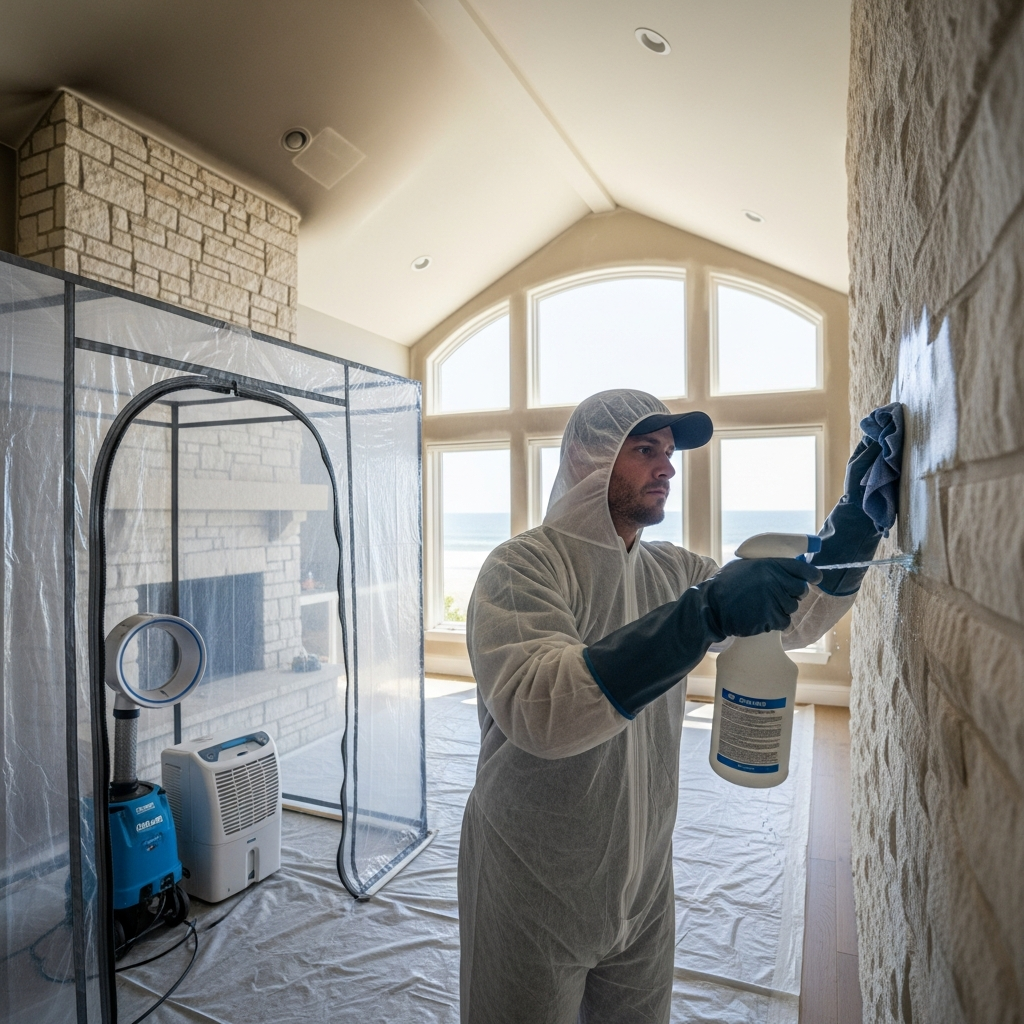
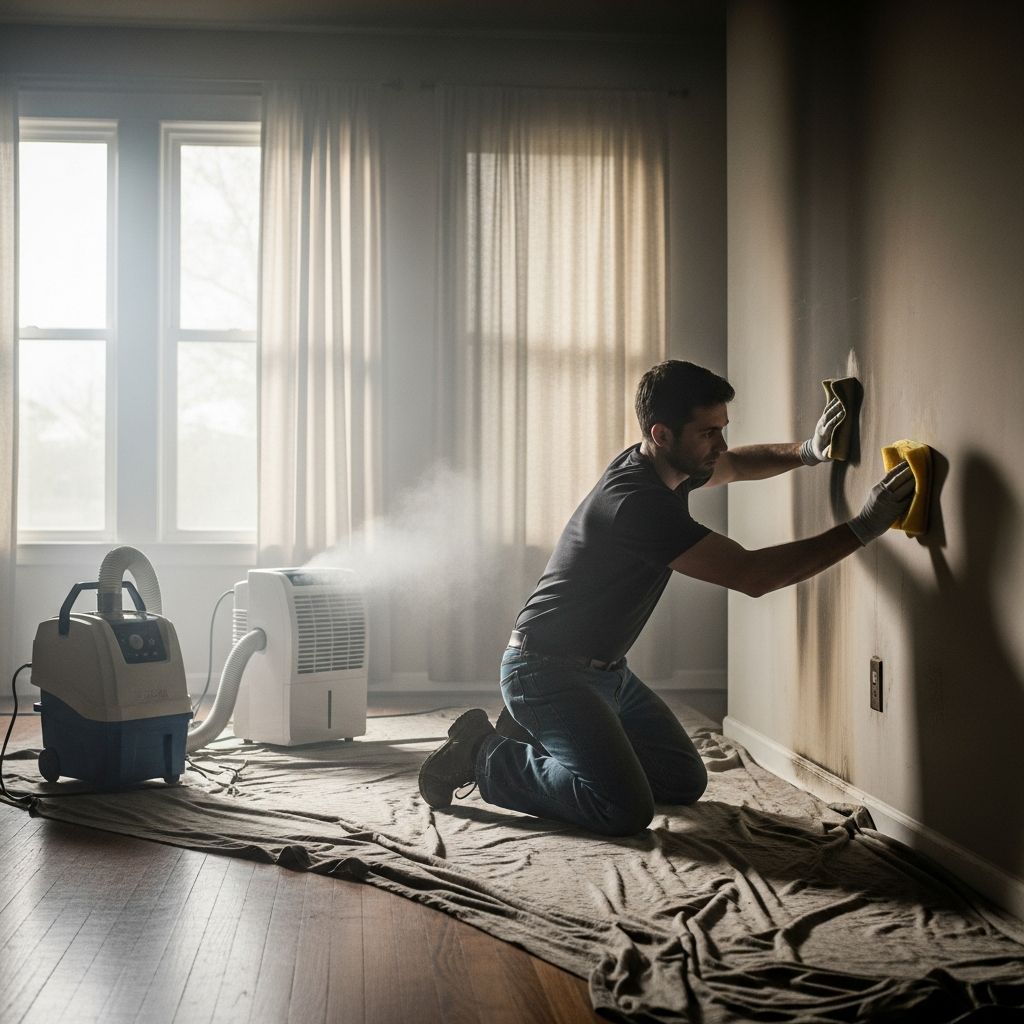
Surface cleaning begins dry and gentle. Special sponges lift residues without driving them deeper into paint or plaster. Only after dry particulate is captured do wet processes begin, using detergents balanced for soot’s chemistry. In Malibu, many homes feature matte paints, limewash, or plaster finishes that respond differently than standard eggshell. Over-wetting can streak or raise the nap, while under-treating leaves micro-films that keep odors alive. Woodwork requires a deft touch as well; tannins can migrate when overly saturated, creating blotches that complicate finishing later.
Contents cleaning is its own craft. Textiles like drapes, rugs, and upholstery undergo deodorization and wash cycles calibrated for smoke residues. Some pieces benefit from ozone off-site, while others do better with hydroxyl on-site where people and pets remain. Books and documents can be saved if stabilized promptly; smoke-laden pages respond to controlled airflow and absorbents that gently pull odors without damaging inks. Instruments—guitars, pianos, and recording equipment so common in Malibu homes—need corrosion control and humidity management to protect finishes and electronics.
HVAC systems deserve special scrutiny. Even if a handler looks clean, interior coils, insulation, and ductwork may harbor residues. A thorough approach includes professional duct cleaning, filtration upgrades, and sometimes insulation replacement in sections of duct where odors persist. Once the system is verified clean, it should be recommissioned gradually, with new filters checked frequently in the first weeks. This prevents recontamination that can undo the best surface and content work.
Odor removal is where science meets patience. You cannot mask smoke; you neutralize it. The sequence matters: remove sources, clean remaining surfaces, treat air, then seal where necessary. Without that order, odors can rebound as soon as humidity rises or the home warms in the afternoon sun. In coastal Malibu, RH swings can be significant, and those swings wake up any residue left behind. Proper sealing of structural cavities—attic decking, wall voids, and subfloors—can lock down micro-traces after cleaning, giving assurance that smells will not return during the first humid morning in June.
Midway through a smoke restoration, homeowners often ask whether certain items are worth saving. The answer depends on material, exposure, and sentimental value. A wool rug with light deposition may restore beautifully, while foam cushions saturated with oily smoke can remain a source of odor even after multiple treatments. Transparent communication about what is realistically salvageable builds confidence and maintains momentum. This is also the moment to align the final steps of cleanup with any needed repairs so that patching, painting, and refinishing happen in the right order. Coordinating the endgame with a full-scope team for comprehensive fire damage restoration makes the crossover from cleaning to reconstruction smooth.
Windows and glass merit mention. They often show faint, rainbow-like sheens after smoke events. That is residue, not just salt spray, and it needs the right neutral cleaners and non-scratching pads. Clean glass changes the way a home feels and significantly reduces the lingering perception of smoke. The same goes for light fixtures; anything that warms up during use will off-gas tiny residues if not cleaned thoroughly.
Another Malibu-specific factor is exterior smoke deposition. Deck boards, outdoor kitchens, and patio furniture absorb odors that drift back indoors. Gentle, methodical cleaning outdoors, with careful control of rinse water to protect the ocean and landscaping, ensures the interior does not keep rediscovering new sources of smell. Even BBQs, fire pits, and surfboard wax need attention; they are small odor reservoirs that can skew the impression of a finished job.
Finally, remember that restoration is as much about you as it is about surfaces. A clear plan, steady updates, and small quality-of-life wins—like restoring one clean bedroom quickly—make the process livable. In our community, where work-from-home studios and outdoor spaces blend into daily life, prioritizing the areas that restore normal routines pays emotional dividends. Malibu is resilient, and with deliberate steps, a home that felt overwhelmed by smoke can once again smell like ocean breezes and eucalyptus after rain.
Frequently Asked Questions
Can I clean smoke damage myself with store products?
Light dry soot on non-porous surfaces can sometimes be addressed with careful techniques, but household cleaners often smear residues and set odors. Professional tools and sequencing prevent that and protect delicate finishes common in Malibu homes.
Why does smoke odor seem stronger in the morning?
Overnight humidity and cooler temperatures in Malibu’s marine layer can activate residues, making odors more pronounced in the morning. As the home warms and air dries, smells may fade temporarily but return unless residues are fully neutralized.
Will opening windows help or hurt?
Ventilation can be helpful once cleaning and filtration are underway, but opening windows too soon risks drawing in more contaminants or salt-heavy air. A balanced plan controls airflow so clean areas remain clean.
How do you handle smoke in attics and crawl spaces?
Those cavities are assessed for residue and odor, then cleaned, deodorized, and sometimes sealed. Insulation may be removed and replaced if it holds odor, and ventilation paths are checked so the problem does not return.
What about my HVAC filters?
They should be replaced early and checked often during the first weeks after recommissioning the system. Upgrading to higher-efficiency filtration captures remaining fine particles and supports better indoor air quality.
Are my electronics safe after smoke exposure?
Electronics exposed to soot and humidity can corrode internally. Prompt, specialized cleaning and controlled drying can save many items, but they should not be powered on until evaluated to prevent further damage.
How long does smoke restoration usually take?
Timelines vary with scope, materials, and access, but many projects span days to weeks. A detailed assessment at the start sets expectations and builds a schedule that fits your home’s specific needs.
Will the smell ever fully go away?
Yes, when cleaning, deodorization, and sealing are performed in the right order, smoke odors are eliminated rather than masked. The key is thoroughness and attention to the hidden pathways where residues like to hide.
Restore Your Malibu Home’s Fresh Air
If smoke has settled into the corners of your house, there is a precise, proven way back to clean air and comfort. Partner with a local team that understands our winds, our marine layer, and the materials that define Malibu homes. Begin today with professional fire damage restoration and breathe easier knowing your home is on a clear path to recovery.