When a wildfire or a sudden house fire breaks out in Malibu, everything changes in an instant. The sky goes copper, the ocean looks strangely muted, and that familiar sea breeze carries the unmistakable sting of smoke. In the immediate aftermath, homeowners are faced with a swirl of decisions and emotions. The path to getting your home back starts with decisive, informed action, and in Malibu that means understanding not only what fire and smoke have done, but how the local climate, terrain, and building styles complicate recovery. As a longtime local who has walked charred streets after wind-driven events and watched damp marine layers seal in odors for days, I know that speed and precision make all the difference in the first twenty-four to forty-eight hours.
What surprises many people is how varied fire damage can be from one Malibu block to the next. In one home, embers may have found a vulnerable soffit and burned the attic, while the neighbor’s structure looks intact but is heavy with smoke deposits and corrosive residue from burnt materials. If you are standing in your driveway feeling unsure where to start, remember that the earliest steps are about stabilizing safety, preventing further loss, and creating a clear plan. Professional fire damage restoration is not a luxury in these moments; it is the surest route to securing your property, protecting your health, and mapping the fastest path to normal life.
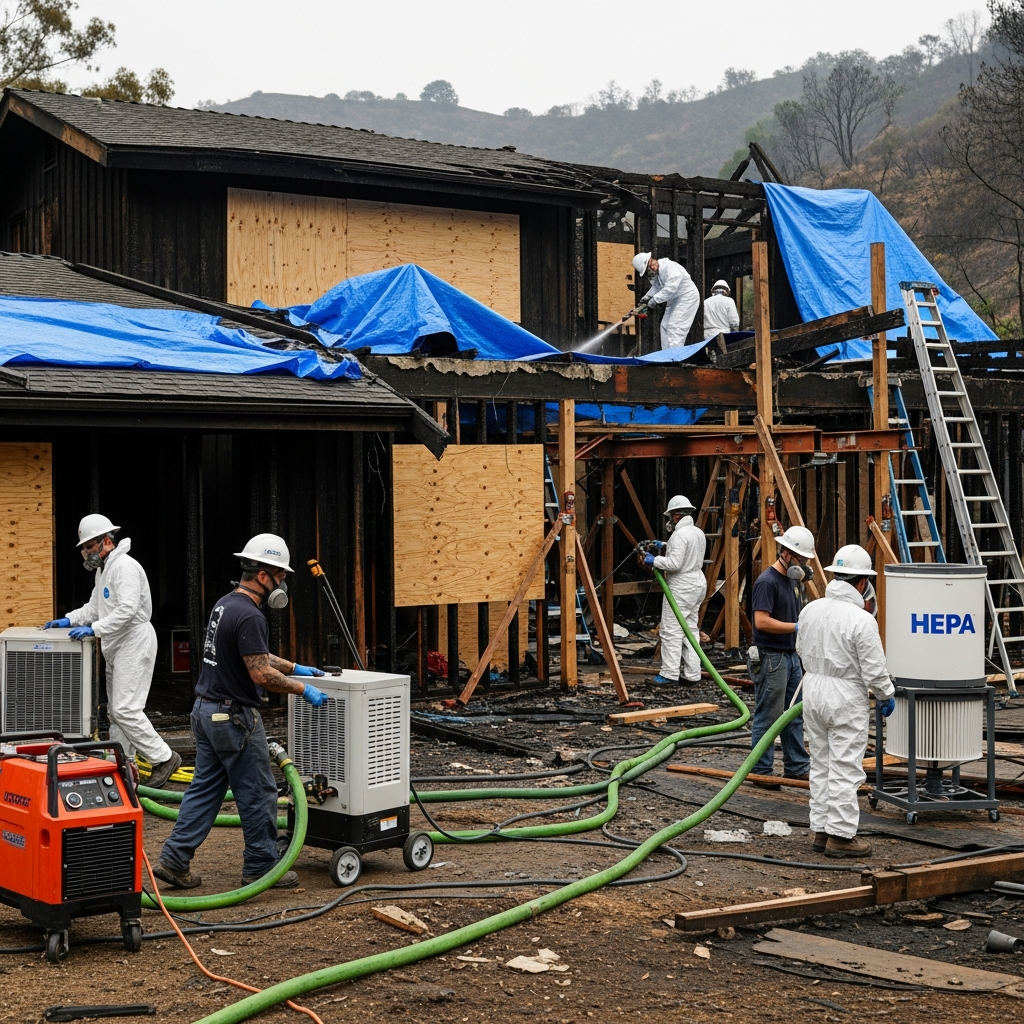
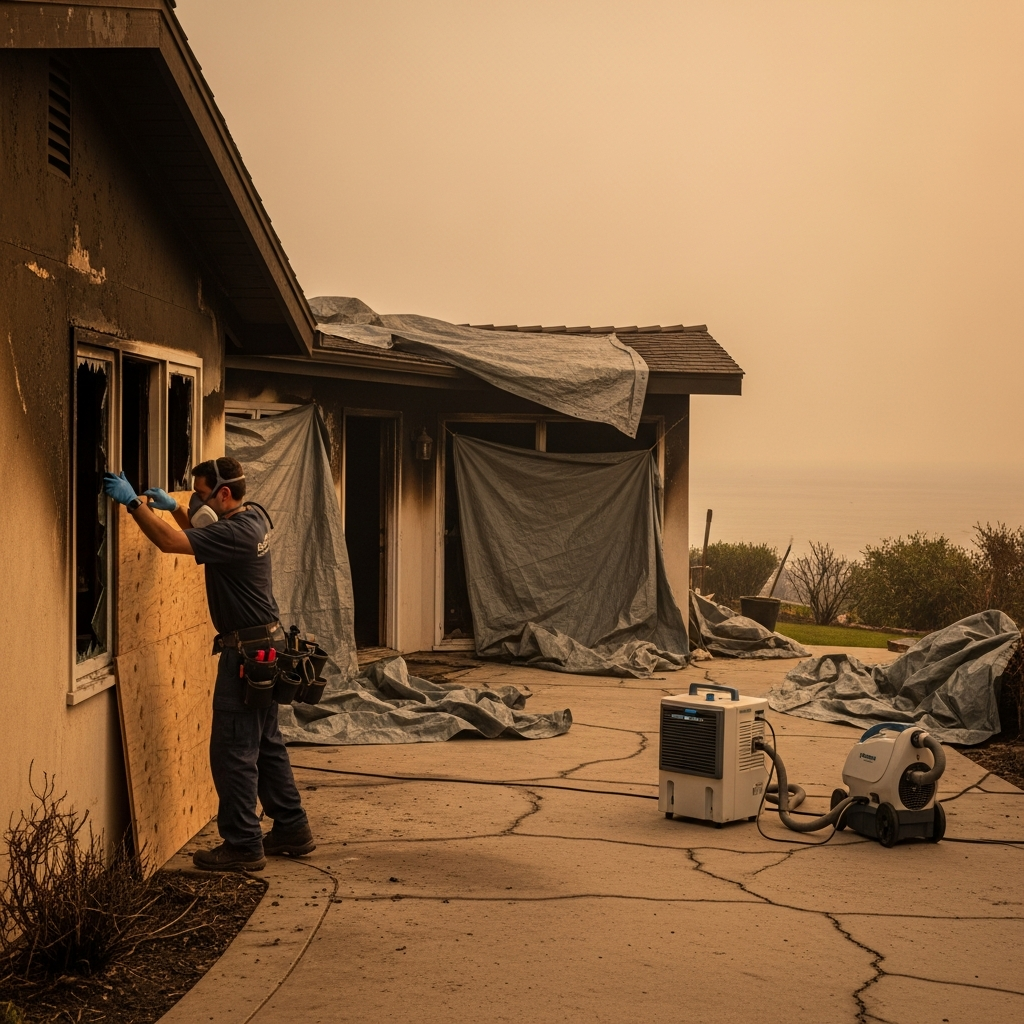
The first priority is securing the scene. Malibu’s winds can take a minor structural opening and make it a major exposure overnight. Broken windows, heat-warped doors, and compromised roofing need temporary board-ups and tarping to keep out weather and opportunistic moisture that rides in with the evening marine layer. At the same time, utilities must be assessed and often shut off at the main until qualified technicians can confirm that systems are safe. This is not only about electrical risk; gas meters and lines may have been stressed by heat, and well-intentioned tinkering can lead to new hazards. Fire officials will typically release a property when it is safe to enter, and after that a careful, methodical walkthrough can begin.
During that walkthrough, it is critical to look past the obvious. Ash on a countertop is simple to wipe, but the same combustion byproducts inside an HVAC plenum or driven under baseboards by aggressive hose streams are another matter. Different soot types require distinct cleaning strategies. Dry soot from fast, high-heat burns can be gently vacuumed and lifted with specialized sponges before any wet cleaning happens. Oily, protein-based residues from kitchen fires smear easily and can permanently stain if approached incorrectly. Malibu’s coastal environment adds a unique twist: the humidity that keeps our hills lush much of the year can accelerate soot’s tendency to form acids, especially when paired with salt carry from the ocean. That is why a home that looks lightly affected on day one can develop pitting on metal fixtures or a persistent sour note of odor by day three if left untreated.
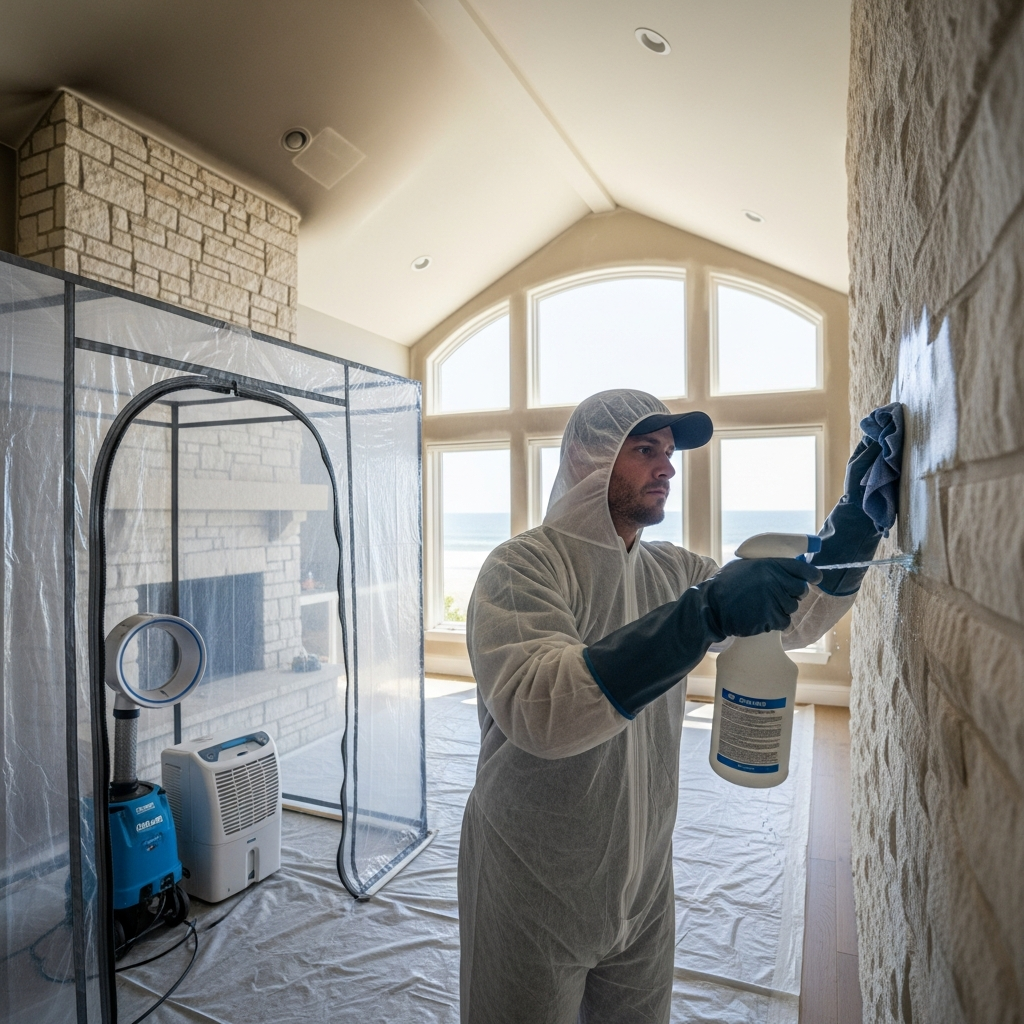
Odor control deserves special attention. People often try to mask smells with candles or sprays and are disappointed when the odor creeps back. True deodorization treats the source, the pathways, and the air. That means removing and cleaning damaged materials, sealing porous surfaces that cannot be fully cleaned, and running high-efficiency air filtration that captures ultra-fine particles. Techniques like hydroxyl treatment can work in occupied spaces and are particularly useful when families need to remain on site or when sensitive materials are present. Thermal processes can reach hidden cavities, but they must be paired with the right cleaning sequence or you risk setting odors rather than eliminating them.
Contents are another pillar of emergency response. Malibu homes often hold collections that require nuanced handling—art, photography, musical instruments, wine, surfboards and wetsuits, and media libraries. Rapid triage separates what must be stabilized immediately from what can safely wait. Textiles need prompt deodorization so that acidic smoke residues do not embed into fibers. Electronics require careful corrosion control; the board inside a television or audio component can begin to deteriorate quickly when exposed to a mix of soot and moisture. A structured pack-out, with barcoded inventory and clean-room handling for fragiles, preserves both sentimental value and the crucial documentation that insurers expect.
Documentation, in fact, is the quiet engine that keeps a restoration moving. Amid the adrenaline and ash, detailed photo logs, moisture maps, and scope notes create the narrative that underwriters and adjusters rely upon to authorize work. In Malibu, where homes often blend custom finishes with complex systems, clarity prevents delay. It also builds trust at a time when you need a team who communicates every step, from initial stabilization to final polish.
On the building side, emergency fire work is two projects at once: mitigation and planning. Mitigation includes drying any water left by suppression efforts, removing non-salvageable materials that are holding odor or contamination, and protecting what remains. Planning runs in parallel and considers permits, engineering, and the ordering of lead times for specialty items. Many Malibu homes incorporate unique windows, reclaimed timbers, or artisanal tiles. Early identification of long-lead components can shave weeks off a schedule and reduce the up-and-down rhythm that makes recovery so draining. The middle of a project is not the time to discover that a custom skylight needs twelve weeks to fabricate.
Terrain matters here, too. Canyon-access properties with long, narrow driveways require thoughtful staging so that lifts, dumpsters, and drying equipment can move in and out without choking the site. Oceanfront addresses demand runoff controls to prevent contaminated wash water from reaching the beach, a responsibility locals take seriously. Even small decisions—like where to set an air scrubber so it does not draw in salt-heavy air from the deck—can influence outcomes. This is where a team’s local experience shows, in countless small calls that add up to a cleaner, faster, more comfortable recovery.
Midway through an emergency restoration, homeowners often feel a shift. The chaos of day one settles into a routine. You wake up to the quiet hum of filtration and the rhythm of site visits, and you can finally ask deeper questions about rebuilding. This is the perfect time to revisit priorities and confirm that the scope aligns with your goals. Are there materials you want to upgrade while walls are open? Do you want to reconfigure storage, lighting, or ventilation to make the home more resilient next season? Pairing mitigation with future-minded choices is one of the silver linings after a fire, a chance to improve comfort, safety, and energy performance in ways that are hard to justify during normal times. If you have not already, this is also a smart moment to schedule a comprehensive consultation for full-service fire damage restoration so the transition from cleanup to repairs is seamless.
Inside walls and ceilings, technicians will be tracking moisture introduced by hose lines, sprinklers, or firefighting foam. Malibu’s marine layer can slow evaporation, so dehumidification and targeted heat become essential companions to air movement. Moisture mapping should guide selective removal of drywall and insulation to stop secondary damage before it starts. It is not uncommon to discover hidden pockets of wet material several rooms away from the obvious damage, especially in homes with complex rooflines or concealed chases. Left alone, these pockets encourage microbial growth, which complicates the project and can introduce health risks far beyond odor and soot.
Speaking of health, personal protection is not only for the crew. Homeowners frequently want to sift for keepsakes in the first days, and that is understandable. If you do, be sure to wear proper respiratory protection and gloves, and have a plan for handling what you recover so that contaminants do not travel back into clean areas. Keep children and pets away from the work zone; combustion byproducts cling to fur and fabrics, and little lungs are especially sensitive. Establishing a clean room or safe zone inside the property, with zipper barriers and pressure differentials, can allow limited access while keeping work contained.
The conversation inevitably turns to the timeline. Every fire loss is unique, but there is a pattern. In the first seventy-two hours, the focus is on stabilization, documentation, and initial deodorization. In week one, contents and non-salvageables are sorted, water is addressed, and deeper cleaning begins. As demolition proceeds, hidden damage reveals itself, and the scope is refined. Structural evaluation may call for reinforcement, sistering of charred members, or full replacement based on depth-of-char analysis. Malibu inspectors and engineers are familiar with these assessments, and clear reporting ensures permits move efficiently. Once the site is clean, dry, and odor-free, reconstruction can start, often in phases to bring parts of the home back online sooner.
There is also the matter of neighbors, privacy, and community. After major events, Malibu rallies. The line between personal loss and shared experience blurs. A sensitive restoration plan respects that. Parking plans, quiet hours for negative air machines, and attentive debris management keep the peace and uphold Malibu’s spirit of respect for the land and each other. Communication is not just about you and your contractor; it includes the folks next door, the HOA when applicable, and coordination with city services or utility crews still working in the area.
As the home transitions from response to renewal, small victories accumulate. The first day you walk in and notice the air smells normal again, the moment you see sunlight on clean floors instead of ash, the return of a favorite piece of art that seemed lost—all of these mark the end of a frightening chapter. Malibu’s beauty has always been matched by resilience. We prepare, we rebuild, and we learn from every season. If your home has been touched by fire, you are not alone, and the path forward is well mapped by teams who do this work every day, right here on our coastline.
Frequently Asked Questions
How soon should I start emergency restoration after a Malibu fire?
As soon as the property is released by fire officials and it is safe to enter, stabilization should begin. The first twenty-four to forty-eight hours are crucial for preventing corrosion, secondary water damage, and embedded odors. Early action protects structure, contents, and health.
Is smoke dangerous even if there was no open flame damage inside?
Yes. Smoke residues contain acidic and potentially hazardous particles that can irritate lungs, eyes, and skin. They also corrode metals and electronics. Even a seemingly light coating can cause long-term issues if not properly removed and neutralized.
What should I not do right after a fire?
Avoid turning on HVAC systems before they are inspected, do not wash painted surfaces without guidance, and skip household vacuums or mops that can smear residues. Do not discard items until they are inventoried; many belongings can be restored if treated correctly.
Can I stay in my home during emergency restoration?
It depends on the extent of the loss and the presence of odors, contaminants, and safety hazards. With proper containment, air filtration, and zoning, parts of a home can sometimes remain habitable, but safety and comfort guide that decision.
How are odors permanently removed?
Permanent odor removal pairs thorough source removal and cleaning with advanced deodorization. Techniques such as hydroxyl or thermal processes address airborne and embedded odors, and sealers are used where microscopic residues remain in porous materials.
What happens to my valuables and important documents?
They are triaged, photographed, and inventoried, then cleaned and stabilized as needed. Sensitive items like documents, photographs, and electronics may be treated in specialized environments to halt corrosion and prevent further deterioration.
Will the ocean air make my fire damage worse?
Coastal humidity and salt can accelerate corrosion and odor challenges. Prompt cleaning and dehumidification mitigate that risk, and metal fixtures, appliances, and electronics receive special attention to stop pitting and corrosion before it takes hold.
How long does the emergency phase usually take?
The emergency phase—stabilization, drying, debris removal, and initial deodorization—often spans several days to a few weeks depending on scope, access, and material complexity. A precise schedule follows after the site is fully assessed.
Talk with a Malibu Restoration Specialist Today
If you are facing the aftermath of a fire, reach out to a trusted local team that knows our canyons, our coastline, and our building styles. The right partner will secure your property, protect your health, and guide you from shock to certainty with clear steps and steady communication. Start the recovery now with professional fire damage restoration and take the first confident step toward bringing your Malibu home back to life.