Life in Malibu flows to the rhythms of ocean breeze mornings and warm canyon evenings, and our homes often reflect that easy balance between nature and design. When a fire interrupts that balance, the path back is deeply personal. Over the years, helping families from Broad Beach to Las Flores, I have learned that residential recovery is equal parts science and empathy. The first steps are about making the home safe and breathable; the next are about restoring the details that make each room feel like itself again. If you are beginning to gather information or planning ahead for peace of mind, a solid introduction to fire damage restoration will help you see the road ahead with clarity.
Residential projects carry their own rhythm. Children’s routines, pet care, work-from-home setups, and cherished objects each require thoughtful consideration. Malibu homes often mix high-performance systems with natural finishes—smart HVAC paired with hand-troweled plaster, wide-plank oak next to limestone, custom windows overlooking chaparral. Smoke behaves differently across these materials, and the plan must adapt room by room. Early stabilization sets the tone, but the heart of residential restoration is the patient, careful work that follows.
Safety First, Calm Always
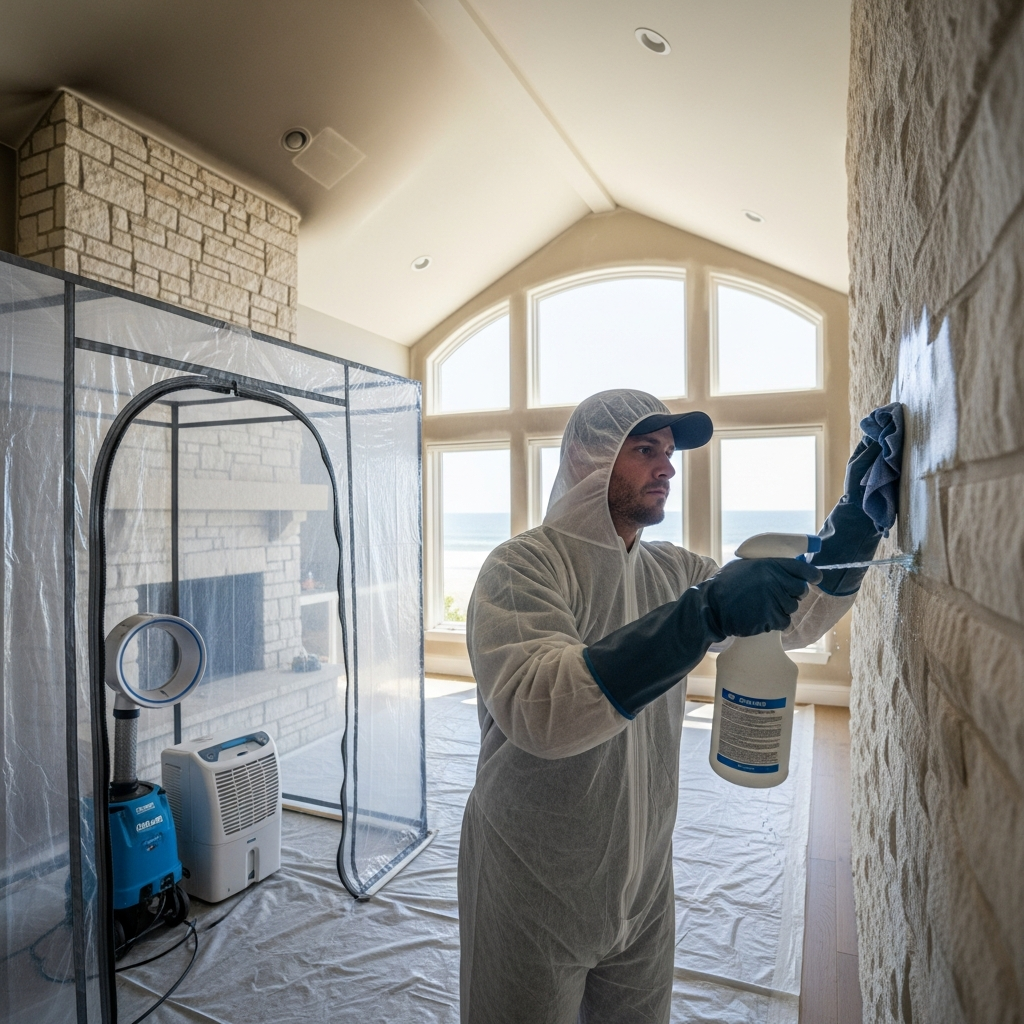
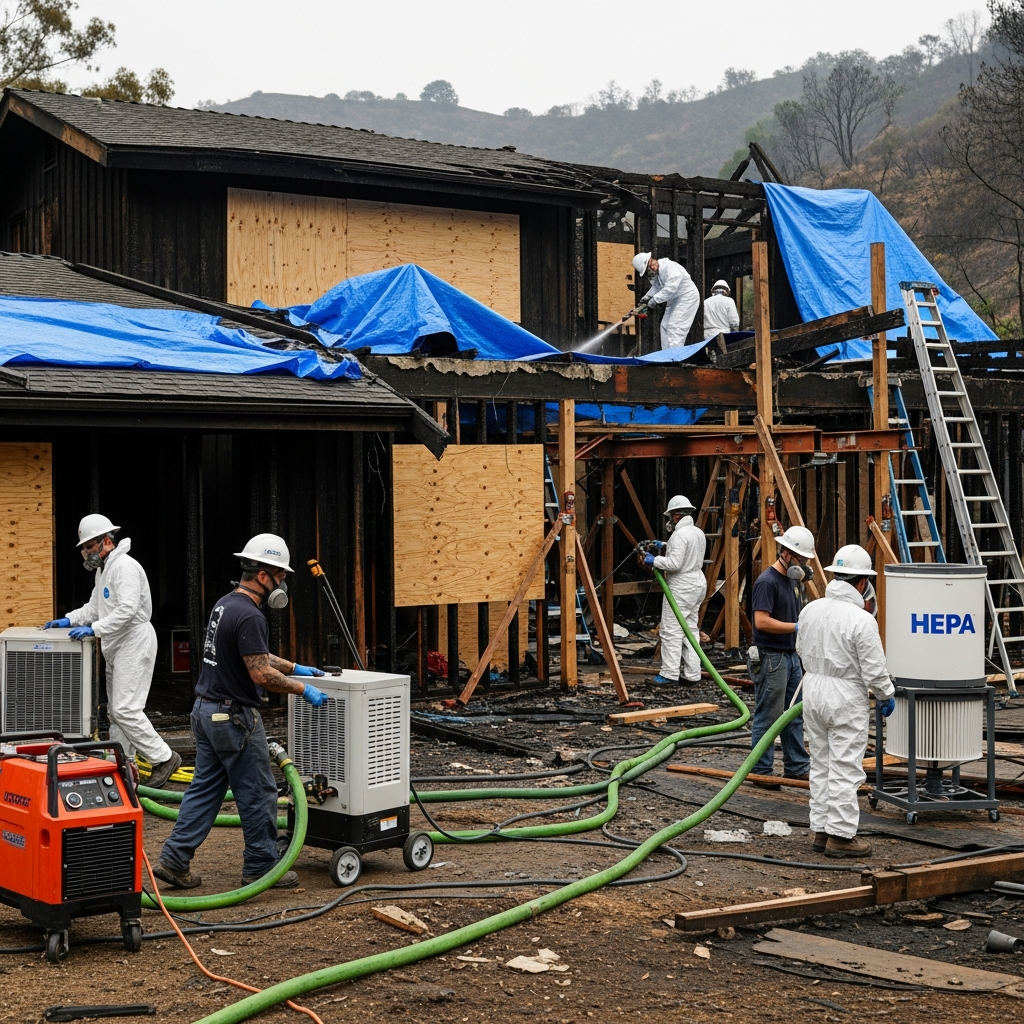
Reentry happens only when the property is cleared for access. Once inside, the priority is structural safety and clean air. Utilities are secured, containment is set to isolate affected zones, and filtration begins capturing particulates. Board-ups and roof tarps protect the envelope from weather and intrusion. If water was introduced during firefighting, extraction and controlled dehumidification start immediately to prevent secondary issues. Each of these steps is practical and protective, buying time and preserving options as the fuller plan takes shape.
Communication is central. Families deserve to know what is happening and why. The best teams deliver steady updates, answer questions in plain language, and lay out the sequence: cleaning, deodorization, selective demolition where needed, drying verification, and then careful reconstruction. That transparency lowers stress and invites collaboration in decisions about finishes and personal items.
Understanding Smoke and Soot in Malibu Homes
Residues vary based on what burned and how smoke traveled. Fine particulate can settle in textiles and insulation; oily residues can cling to cabinetry and electronics. In coastal zones, humidity can react with residues and accelerate corrosion, especially on fixtures and circuit boards. In canyons, wind-driven smoke can find its way into attic voids and crawlspaces, lingering long after rooms look clean. Professional assessment identifies these patterns and matches cleaning methods to materials, always favoring removal over masking.
HVAC systems are a special focus. Running a system too soon can distribute particulates throughout the home. Registers are sealed during cleaning, filters are upgraded appropriately, and duct cleaning is performed before new finishes go in. Achieving a neutral interior environment is the milestone that signals a healthy base for rebuilding.
Protecting Belongings With Care
Contents work is both technical and human. Items are triaged: some can be cleaned where they sit, some require pack-out for off-site treatment, and some need specialty conservators. Inventory is detailed and visual, with each item labeled and tracked. For families, this phase is often where confidence grows—seeing treasured belongings rescued and restored creates momentum for the rest of the project.
Children’s spaces, nurseries, and playrooms get extra attention, with careful selection of cleaning agents and verification of air quality before reoccupation. Pet areas, crates, and bedding are washed or replaced as needed, and routines are considered in scheduling to minimize disruption. Homes feel whole again when the smallest members of the family are comfortable.
Selective Demolition and Drying
When hidden cavities need access, demolition is surgical. The goal is always to remove only what must go to expose soot or moisture, then to rebuild precisely. Malibu homes often include layered assemblies—plaster over lath, multiple flooring substrates, creative soffits—that require experience to deconstruct without collateral damage. Drying is verified with readings, not guesswork. That discipline prevents issues from reappearing later.
Odor control is methodical. After thorough cleaning, targeted deodorization addresses materials based on their chemistry. Neutral is the goal, and neutral is achievable with the right approach and patience. Only then does finish work begin.
Rebuilding the Character of Your Home
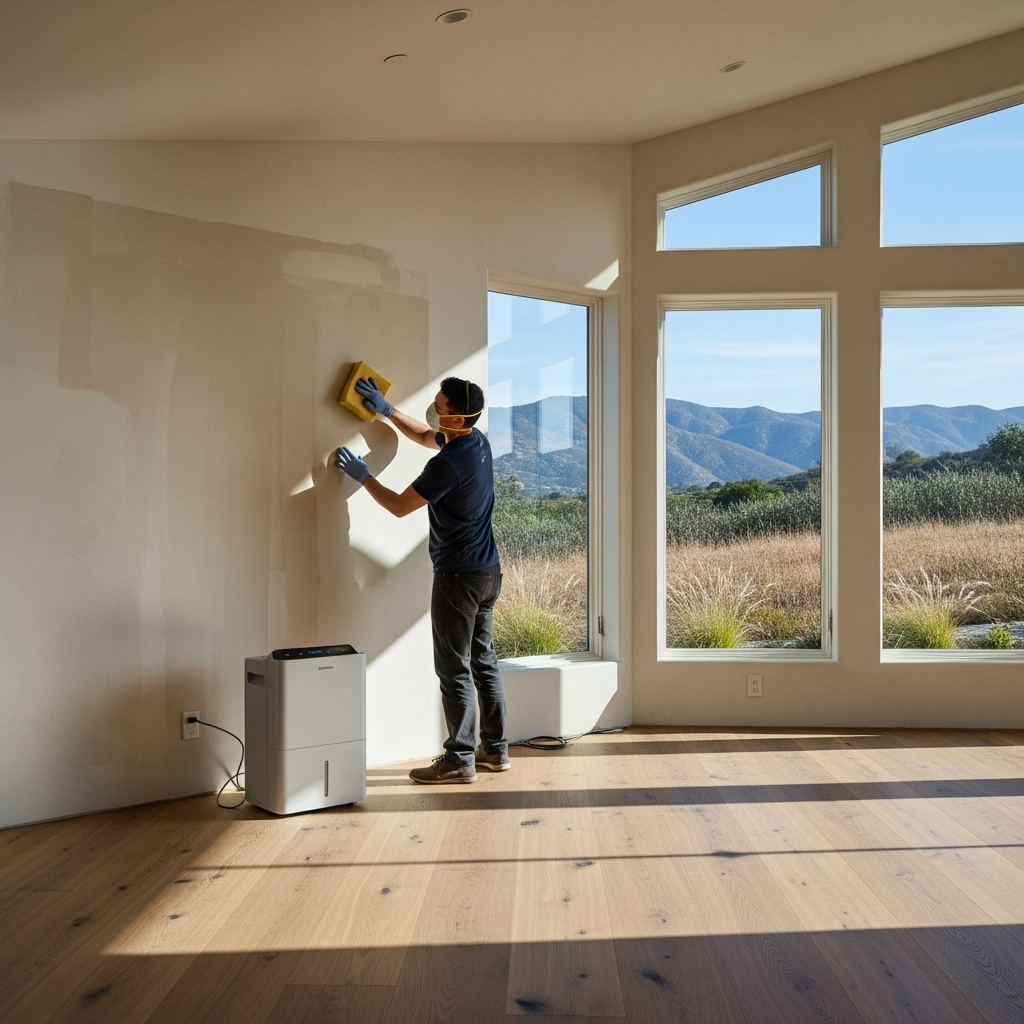
Reconstruction is where craft returns the home’s voice. Matching plaster sheen, blending new flooring into sun-aged boards, and aligning cabinet profiles are the quiet arts that make rooms feel familiar. In Malibu, many families take the opportunity to improve ventilation, filtration, and layout details that support daily living. Good contractors present options clearly and execute with respect for existing design.
Exterior elements—eaves, decks, fencing—may also require attention. In the coastal zone, materials are chosen for durability against salt air and sun. Hillside homes balance views with defensible space and thoughtful planting. Restoration is not just a return; it is a chance to strengthen resilience while honoring style.
Navigating Insurance and Permits
Insurance coordination is a thread that runs through the entire process. The most effective teams prepare comprehensive documentation that reflects the home’s real condition and the steps taken to stabilize and restore it. Adjusters respond well to organized reports, clear photos, and consistent communication. Permitting, when triggered by exterior or structural work, is woven into the schedule. Local familiarity with Malibu’s review processes keeps momentum steady.
Mid-Project Confidence Checks
Halfway through, it is wise to pause for a joint review. Are odors truly neutral in morning marine layers and afternoon heat? Are moisture readings stable? Are HVAC pathways clean and filters performing? Using a simple, shared checklist here protects the quality of finish work and prevents backtracking. Educational overviews of Malibu fire damage restoration best practices can support these conversations and keep everyone aligned.
Neighbors, Privacy, and Daily Life
Malibu is a tight-knit community. Crews who are tidy, respectful, and predictable help keep neighbor relations strong during a challenging time. Parking plans, delivery schedules, and quiet hours are not mere courtesies; they are essential to preserving the calm we all value. Inside the home, dust control and thoughtful staging protect areas that are still in use, allowing families to maintain routines where possible.
Health and Wellness Considerations
Beyond visible cleaning, indoor air quality shapes how it feels to live in a home after restoration. Verification with appropriate instruments, attention to filtration, and patience before reoccupying sensitive rooms all contribute to comfort and confidence. Some families choose to add enhanced filtration or air quality monitors as part of the rebuild; others simply appreciate the assurance that comes from careful verification and documentation.
FAQ: Homeowner Questions in Malibu
How quickly should we bring in professionals? As soon as the property is safe to access. Early stabilization protects materials and belongings and sets a healthy baseline for the rest of the work.
Can we clean some areas ourselves? Gentle surface care is sometimes fine, but it is best to wait for guidance. Aggressive cleaning can set soot and spread residues, making later work harder.
Will odors return? When residues are removed, HVAC is cleaned, and targeted deodorization is complete, interiors remain neutral even when humidity changes.
What happens to family heirlooms and electronics? Items are assessed individually, stabilized, and cleaned. Specialty conservators may be engaged for delicate pieces to ensure the best outcomes.
Is it possible to live in the home during restoration? Sometimes, with robust containment and proper filtration. Your health and comfort lead the decision, and experienced teams will outline safe options.
How long does the process take? Timelines vary with scope and approvals. What matters most is steady, transparent progress and quality verification at each step.
Will our finishes look the same? Skilled craftsmen match textures, sheens, and tones so that new work blends naturally with existing spaces. The goal is for the home to feel like itself again.
When you are ready to move forward with a team that understands Malibu’s homes, listens carefully, and restores both structure and spirit, connect with trusted local fire damage restoration experts who will guide you from first assessment to the moment you turn the key and breathe easy again.