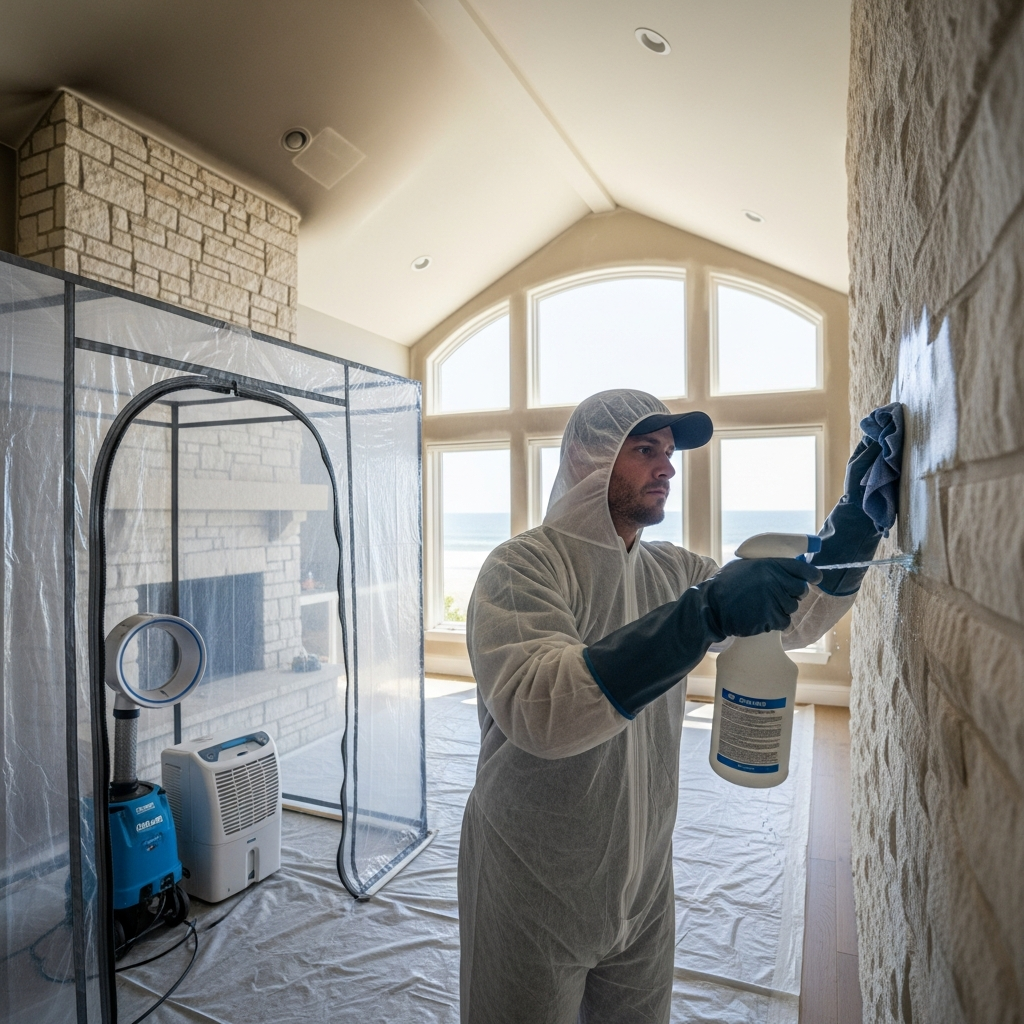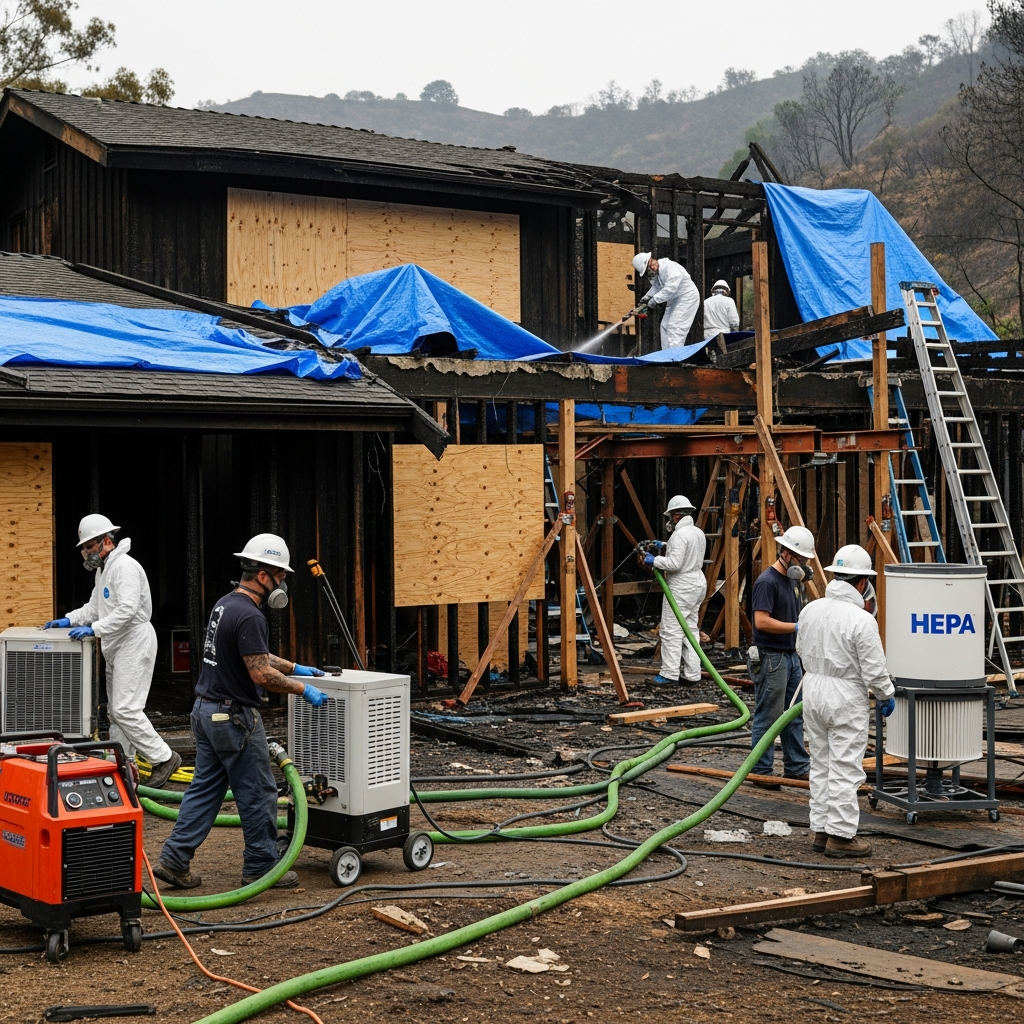
Along Malibu’s sunlit coast, maintenance is not just a chore list—it is a rhythm that flows with foggy mornings, bright afternoons, and the kind of winds that can test every seam and threshold. The best practices that keep water out and homes healthy here are less about rigid routines and more about paying attention to how your property breathes with the weather. Years of inspecting, drying, and rebuilding in neighborhoods from Broad Beach to the canyons have taught me that prevention and preparedness are two halves of the same approach. When the first hint of moisture appears, knowing how to respond—and whom to call for water damage restoration in Malibu—can make the difference between a minor hiccup and a weeks-long project.
Know your home’s moisture story
Every Malibu home has patterns. Maybe the morning marine layer lingers longer along your canyon, or your beachfront sliders catch the brunt of wind-driven spray. Maintenance starts with observation. Walk your property after the first big rain of the season. Notice where water drips from eaves, how it moves along planter edges, and whether it splashes against stucco or collects near thresholds. Inside, stay attuned to subtle changes: a faint musty note in a closet, a door that sticks after damp weather, or a baseboard seam that seems more pronounced than before. These are signposts that guide maintenance, not reasons to worry. The earlier you see them, the simpler the fixes tend to be.
Roofs, decks, and the details between
Malibu’s rooflines vary from low-slung modern planes to classic tile. Regardless of style, the small details do the heavy lifting. Flashings at valleys and penetrations, scuppers and drains on decks over living spaces, and the transitions where parapets meet membranes deserve seasonal attention. If a storm raked the coast with high winds, it is worth checking for shifted tiles or debris at drains. Clear pathways for water to move away from the house. On decks, keep an eye on railing penetrations and any place hardware meets waterproofing. These checks are not about becoming a roofer—they are about catching improbable but consequential issues before they show up as a ceiling stain two rooms over.
When maintenance intersects with restoration, documentation shines. If you ever need to trace a leak, knowing the last time you cleared a scupper or inspected a valley flashing provides context that accelerates the investigation. Pros can combine your notes with thermal imaging and moisture meters to zero in on the true entry point rather than chasing surface clues.
Windows, doors, and coastal exposure
Large sliders and window walls are part of Malibu’s architectural DNA. They also concentrate weather at sills and thresholds. Clean weep holes, confirm seals sit true, and keep sand from building up along tracks where it can compromise drainage. During blowy rains, place an attentive eye on the windward side of the house. If you spot a faint line on drywall below a head jamb or feel drag in a door after a damp week, it is time for a closer look. Minor sealant renewals or sill pan checks can preempt repairs later. Restoration teams often find that a single, small adjustment at a threshold prevents water from entering at the corners where finishes meet.
Plumbing vigilance in a salty climate
Salt air is hard on metal components. In Malibu, that means valves, supply lines, and fasteners may age faster than you expect. Make it a habit to glance at shut-off valves under sinks and behind toilets, look for verdigris or rust on connections, and feel around for any dampness. In mechanical closets, confirm condensate lines run freely and that drip pans are clear. In laundry rooms, braided stainless supply lines are a smart upgrade; still, set a reminder to replace them on a sensible cycle. These little checks are not busywork; they are insurance against the kinds of slow leaks that warp toe-kicks, stain ceilings below, and feed musty odors that take longer to resolve.
Inside air: balance matters
We talk a lot about what is wet, but humidity matters just as much. Malibu’s marine layer can stall drying and keep indoor air sticky. Vent bathrooms well, use kitchen exhaust during cooking, and consider dehumidification during prolonged damp spells, especially in spaces that already feel cool and clammy. When a water event does occur, this attention to air balance means restoration works faster. Materials dry more evenly, finishes stay calmer, and that clean, just-right indoor feel returns sooner.
Crawl spaces and the ground beneath
For hillside homes, crawl spaces are the unsung heroes of comfort. They insulate, ventilate, and sometimes, unfortunately, collect runoff if drainage tops its banks. A good maintenance rhythm includes peeking into accessible crawl areas seasonally. Look for damp soil, condensation on framing, and any rust on hangers or fasteners. Verify that vapor barriers lie intact and that vents are doing their job rather than channeling wind-driven rain inside. If you find moisture, address it promptly and partner with restoration pros who can dry framing and reset vapor control so the space stays healthy from the ground up.
What to do at the first sign of water
When a leak announces itself, how you respond in the first moments sets the tone for everything that follows. Stop the source, move belongings out of harm’s way, and begin documenting what you see. Photos, a few quick notes about timing, and an initial call to trusted local experts make an outsized difference. In Malibu, conditions shift quickly; beginning extraction and stabilizing humidity within hours can mean the difference between drying in place and tearing out finishes. This is where relationships matter. Having a number saved for seasoned specialists in professional water damage restoration takes the guesswork and stress out of those first steps.
Work with the weather, not against it
Drying strategies in Malibu deserve nuance. Opening windows may help on a crisp, dry day, but it can slow drying during a heavy marine layer. Dehumidification paired with guided airflow often outperforms brute-force fans alone. Restoration teams adjust daily to outdoor conditions—warming a surface gently to encourage evaporation, directing air through cavities without over-drying a custom finish, and protecting spaces from overnight humidity spikes. As a homeowner, observing the weather and being flexible about schedules—allowing access during the driest parts of the day, for example—helps accelerate the process.
Turn incidents into improvements
One of the smartest best practices is using a water event to make small, lasting upgrades. If a garage saw intrusion under the door, a subtle threshold detail or channel drain could be the fix. If a deck scupper clogged just when you needed it clear, a minor rework of the grate or more frequent checks might be in order. If a washing machine leak revealed that water travels beneath a particular wall, sealing a base plate or adjusting flooring transitions can block that path next time. Restoration paired with maintenance is less about bouncing back and more about coming back stronger.
Documentation that pays you back
Keep a simple file—digital works great—with photos of roofs, decks, crawl spaces, and key mechanicals at their healthy baseline. Add notes when you maintain or repair. If a water event occurs, moisture logs, equipment records, and before-and-after images form a coherent story that speeds insurance conversations and resale disclosures. Malibu buyers are savvy; they appreciate homes with clear, honest histories. A little organization now goes a long way later.
FAQ: Best practices for Malibu water damage restoration
Q: Should I open windows to dry after a leak? A: It depends on the weather. During a marine layer, outside air may slow drying. Dehumidification with controlled airflow is often more reliable in our climate.
Q: How often should I check deck drains and scuppers? A: Before the rainy season, after major winds, and anytime you notice slower drainage. Keeping pathways clear is one of the simplest, highest-impact habits.
Q: Can I avoid removing drywall during restoration? A: Sometimes. With non-invasive tools and targeted openings, pros can dry cavities in place. Selective removal happens only when materials cannot be verified dry.
Q: What are early signs of hidden moisture? A: Subtle baseboard swelling, musty odors after damp weather, wood floor cupping, or a door that sticks. Each is a cue to investigate before problems grow.
Q: How do I pick a restoration team? A: Look for local experience, clear moisture documentation, and a plan that aims to salvage and verify, not just demo and rebuild. Communication is as important as equipment.
When you align maintenance with Malibu’s rhythms, you get a home that rides out weather with grace. If moisture ever gets a step ahead, reach out for trusted water damage restoration and turn a moment of stress into an opportunity to strengthen the place you love.