Ask any long-time Malibu resident and they will tell you the same thing: this coastline teaches you to respect water. Calm mornings can slide into brisk, wind-lashed evenings; a gentle drizzle can turn into a squall that tests every flashing and door threshold. Yet the reasons water damage restoration in Malibu truly matters go well beyond individual storms. It is about the realities of a marine climate, the way homes are built into hills and over sand, and the everyday plumbing hiccups that can turn insidious when salt air and humidity amplify their effects. I have walked into living rooms where a single roof tile shifted in high wind and sent rain tracking two rooms over, and I have opened vanity toe-kicks to find slow supply line weeps that started months prior. In both scenarios, what you cannot see at first glance is what matters most.
Moisture behaves differently here. Morning marine layer loads the air, then sun bakes it off, only for cool air to roll back in overnight. Those swings slow natural drying and can even pull moisture deeper into materials. Wood floors that look dry one afternoon can show cupping by the next morning, and painted drywall may hide damp insulation that will not resolve with time and ventilation alone. That is the crux of why restoration is essential: it replaces guesswork with measurement, and surface fixes with comprehensive solutions. By extracting standing water quickly, setting up dehumidification to control the drying environment, and verifying materials at calibrated targets, we disrupt the cascade of secondary damage that so often follows an initial leak.
Malibu architecture and microclimates demand precision
From Broad Beach to Point Dume and into the canyons, Malibu’s topography creates microclimates that shape how water moves. Properties close to the surf contend with wind-driven rain and salt spray that works its way under roof tiles and into exterior gaps. Homes along canyon roads face sudden runoff during peak storms, where water can flow laterally into crawl spaces, across garage slabs, or through door thresholds never stressed in lighter weather. Even newer builds with high-performance windows and weather barriers rely on meticulous detailing around penetrations, decks, and parapets. Restoration that accounts for these conditions looks far beyond a stain on the ceiling. It follows the path of water—from entry point to final resting place—and treats each material according to how it absorbs and releases moisture.
Precision also means understanding assemblies common here. Decks over living spaces are beloved for views, but the membranes beneath require care after heavy rain. Stucco cladding can mask wet sheathing, and a hairline crack along a window head might whisper of a larger issue above. Coastal framing often uses stainless or galvanized fasteners, yet even those can corrode if trapped in damp, salty pockets. A restoration plan that includes strategic test cuts, thermal imaging, and ongoing moisture readings is not overcautious in Malibu; it is the baseline for doing it right.
Health, comfort, and the air you breathe
Another reason restoration matters here is the air inside your home. Salt-laced breezes are part of the charm, but when a leak lingers in a wall or under flooring, the combination of humidity and warmth can create a breeding ground for mold. Restoration is as much about safeguarding indoor air as it is about drying materials. Removing unsalvageable wet items, cleaning and treating surfaces that were affected, and balancing the drying environment help ensure your home smells clean and feels comfortable again. Families with sensitive lungs or allergies notice the difference quickly. The goal is never alarm; it is stewardship—restoring a stable indoor climate so you can open a window to the ocean without worrying about what might be hiding behind the drywall.
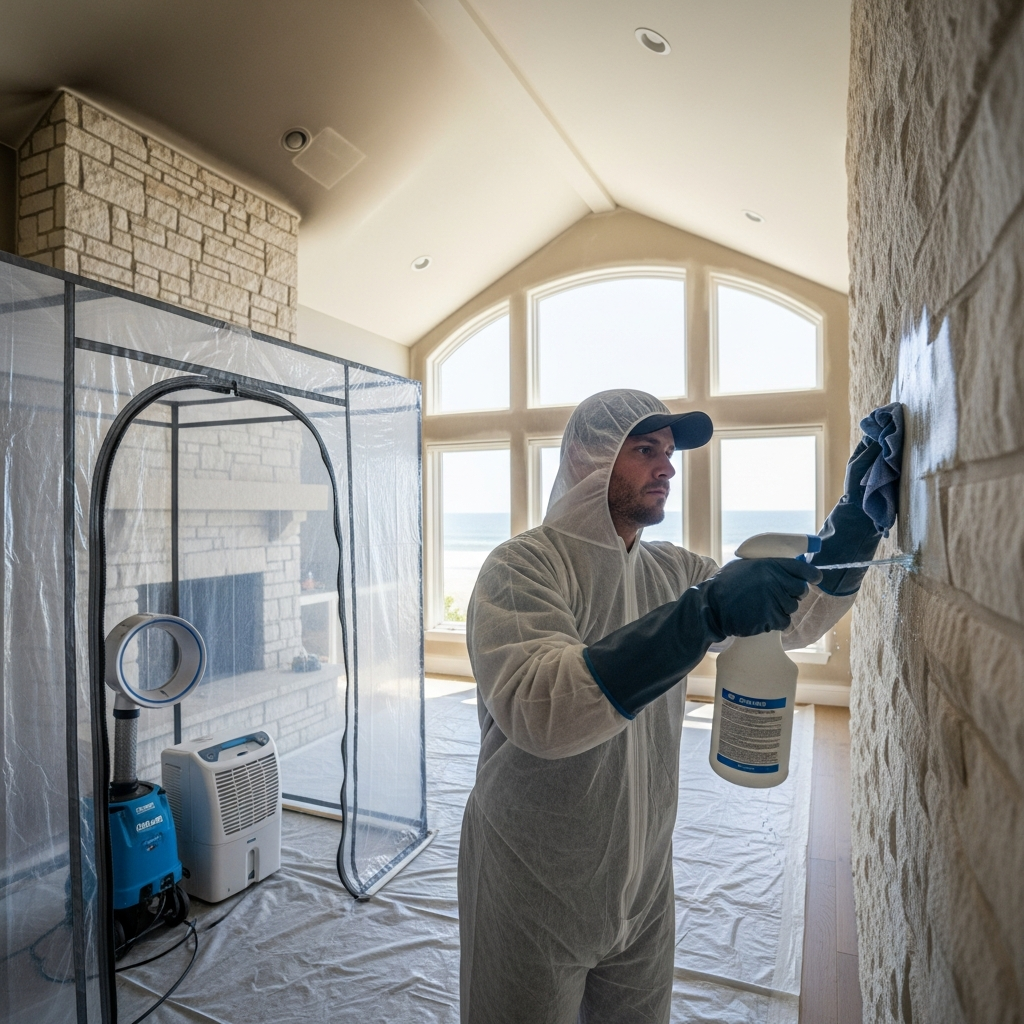
Comfort extends to how you live during the process. With smart containment and equipment placement, it is possible to preserve access to key rooms and keep noise manageable. Local crews familiar with Malibu neighborhoods understand these priorities. They coordinate schedules around school runs, ensure pathways stay clear of sand and debris, and protect finishes during equipment moves. The smoother the process, the sooner your routines return, and the fewer surprises you face as repairs unfold.
Protecting value and longevity
Real estate in Malibu carries both market and emotional value. The masterful views and unique craftsmanship in these homes deserve careful protection. Left to linger, water will challenge everything from paint adhesion to floor flatness and door alignment. What appears cosmetic at first—a tiny baseboard swell or a faint musty smell after a foggy week—can be the tip of a deeper issue. Restoration matters because it intercepts that progression. Moisture verification before rebuilding ensures you do not trap water inside walls or under new finishes. Documentation—photos, moisture logs, scope notes—becomes part of your property record, signaling to future buyers or insurance carriers that issues were addressed thoroughly, not papered over.
Longevity also comes from using a water event as a chance to improve. When a leak reveals a weak point—an aging supply line, a flashing detail that needs updating, drainage that falls a hair short—repairs can exceed the minimum and bring the assembly up to a higher standard. In a place where storms have personalities and the ocean never sleeps, that extra margin of safety pays off repeatedly. You feel it when the next rain arrives and the only sound you hear is the steady drum on your roof, not a drip inside.
Responding quickly in a place where hours matter
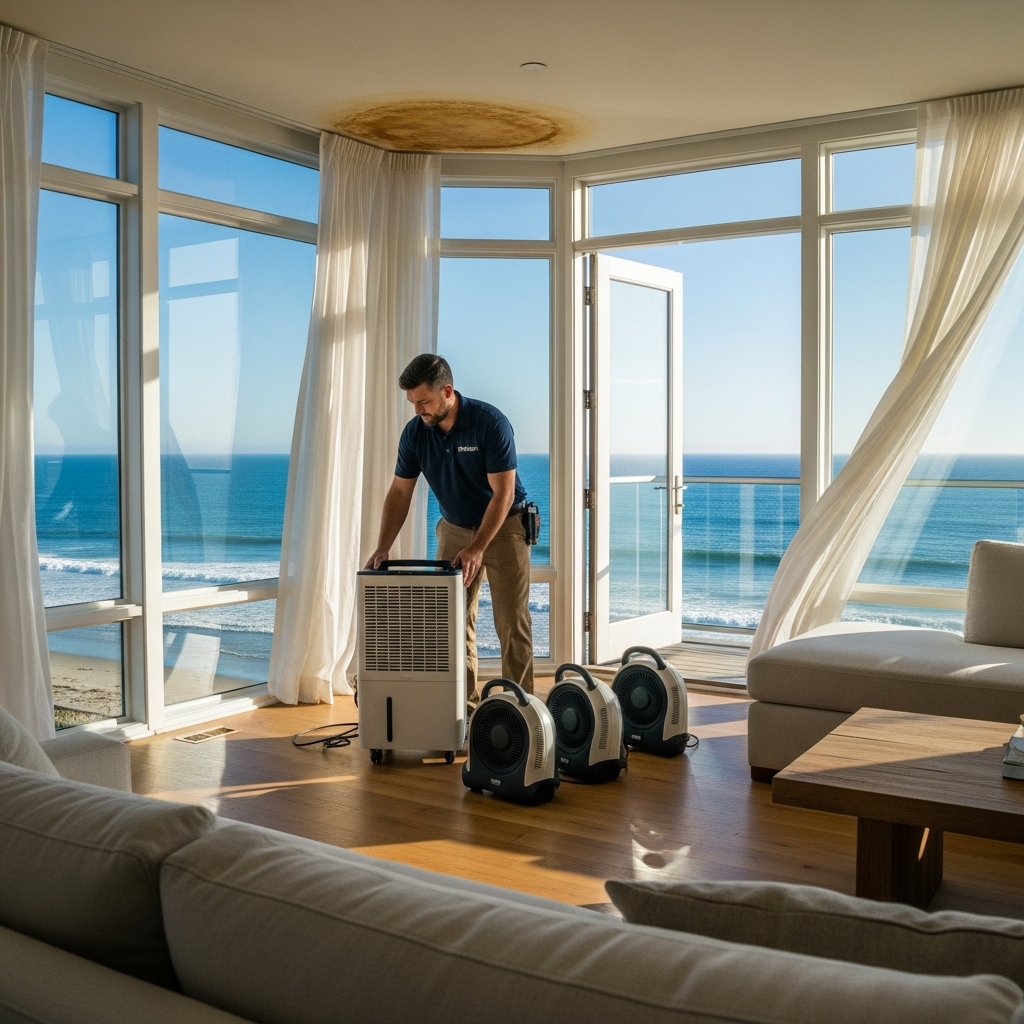
Speed makes a measurable difference here. In warm, humid conditions, materials absorb moisture faster and release it slower, so every hour counts. An overflowing laundry machine on a wood subfloor might seem like a simple mopping job until you realize water slipped into seams and under toe-kicks. Extraction within the first hours minimizes swelling and staining. Dehumidification set early stabilizes conditions and keeps microbial growth in check. Even decisions like how to orient air movers relative to wall cavities can change drying times significantly. Local teams know when to create negative pressure to pull air through, when to warm a surface to accelerate evaporation, and when to protect a delicate finish so you do not win the drying battle only to lose the aesthetic one.
It is in the middle of projects that homeowners often see the bigger picture. The panic recedes, replaced by a sense of control. You watch readings drop day by day, you understand where the water traveled, and you start thinking about prevention. That is when it helps to be working with true specialists in Malibu water damage restoration who can answer questions, offer options, and keep you focused on the outcome: a home that is as dry, clean, and sound as it was before—often better.
From crisis to plan: building resilience
When a water event is managed well, it leaves you with more than repairs. It leaves you with a plan. You know which areas deserve seasonal checks, which materials responded well and which might be upgraded next remodel, and how drainage behaves when rain pounds the hillside. Maybe you add a small curb at a garage entry where stormwater once crept under, or you seal a deck penetration with a detail you now understand. Perhaps you install a leak sensor behind a fridge or under a sink, a tiny device that can save a long weekend of cleanup. Malibu homes evolve with their environment; restoration is part of that evolution, turning lessons learned into lasting strength.
What matters most, though, is the feeling you get when the final equipment is removed and your home breathes normally again. Doors swing without drag, that faint mustiness is gone, and the sound of waves returns to what it should be—a reminder of where you live, not a worry about what water might be doing inside your walls. That is why restoration matters here. It protects not only property but also the everyday comfort that makes life on this coastline so special.
FAQ: Why water damage restoration matters in Malibu
Q: Isn’t Malibu’s sea breeze enough to dry small leaks? A: The marine layer and humidity often slow evaporation. Surfaces may feel dry while hidden materials remain damp. Professional drying confirms when assemblies truly return to safe levels.
Q: How quickly can mold become a concern after a leak? A: Conditions vary, but warm, humid environments can encourage growth quickly. Acting within hours, not days, and controlling humidity during drying reduces the risk substantially.
Q: Do newer Malibu homes need restoration after minor water events? A: Yes. High-performance assemblies can actually trap moisture if not dried correctly. Verification protects your investment and finishes.
Q: Will restoration mean tearing out a lot of materials? A: Not necessarily. Modern methods aim to salvage and dry in place when structurally sound. Selective removal occurs only where necessary, guided by moisture readings.
Q: How does documentation help me? A: Moisture logs, photos, and reports provide clarity for insurance and future buyers, showing the issue was resolved thoroughly and responsibly.
If you are facing leaks or lingering humidity, connect with trusted local experts for water damage restoration so your Malibu home stays dry, healthy, and ready for the next change in the weather.