Your Neighborhood Experts for Fire Recovery
Between the curve of the Pacific and the oak-studded hills beyond Mulholland, our corner of Southern California has a way of inspiring deep roots. That is why, when a fire leaves ash on the windowsills and a heaviness in the rooms, people here look for expertise with a local heartbeat. Being an expert is not only about tools and certifications; it is about understanding how Malibu’s marine layer slows drying at dawn, how canyon winds move smoke through a home, and how Calabasas neighborhoods balance privacy with community. The path to recovery is both technical and personal, and it starts with neighbors you can trust to deliver careful, proven fire damage restoration.
Experience teaches you to see beyond the surface. A hallway that looks lightly sooted might conceal ash that drifted into a return vent and down the ductwork. A piece of hardwood that seems intact may have absorbed enough moisture during suppression to cup later if not dried correctly. Local experts carry these patterns in mind because we have worked them again and again, from Broad Beach to the Calabasas Highlands. It is the difference between hoping for the best and planning for it.
What Makes an Expert Local
Expertise is partly earned in classrooms and partly forged on job sites. We invest in best-practice training, but we also keep notebooks full of lessons that could only come from Malibu and Calabasas properties. We know which canyon microclimates invite overnight condensation, which window orientations are most prone to smoke streaking, and how coastal salts react with soot on stainless steel. This local intelligence guides dozens of small choices every day—choices that add up to a cleaner, drier, safer home.
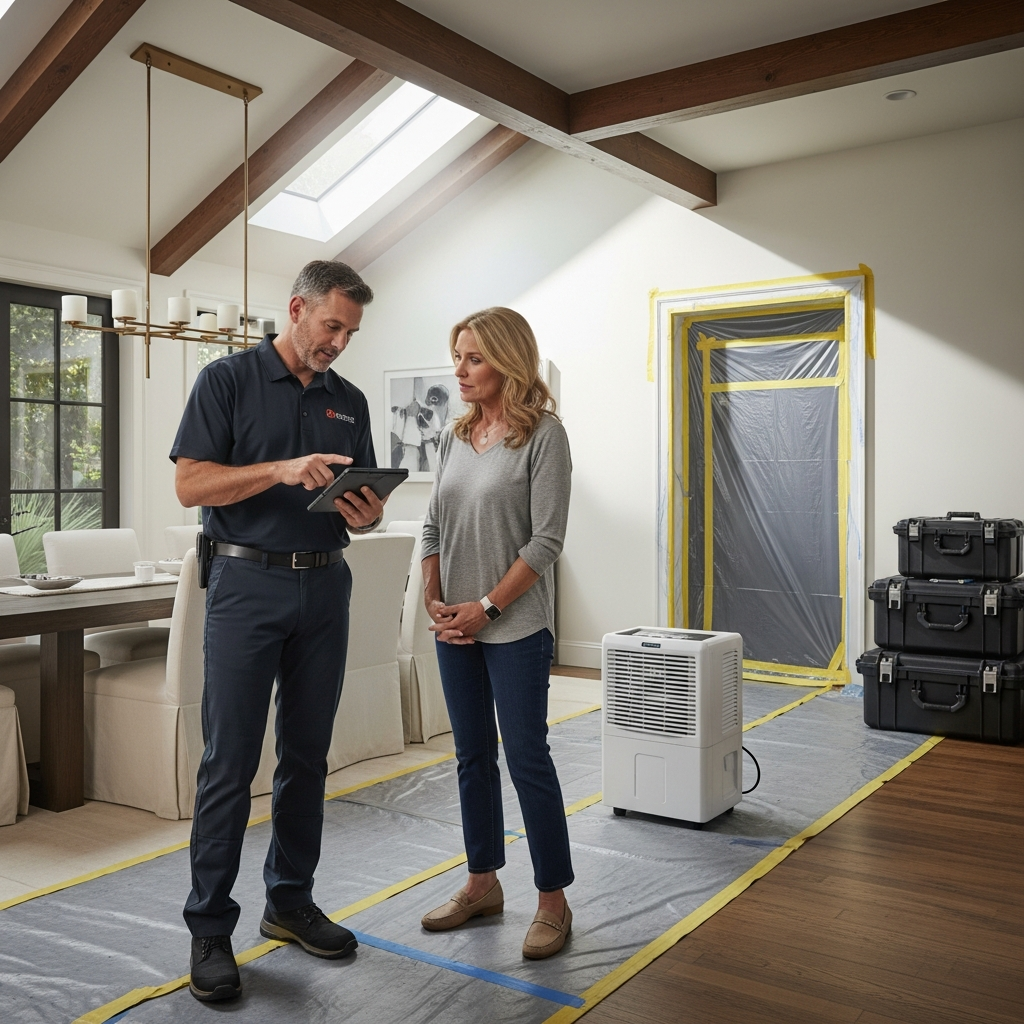
Communication is another hallmark. We treat every project like a partnership, explaining what we see, what we recommend, and why. We translate laboratory terms like particulate load and hydroxyl radical into what you will smell and feel. You should never wonder what is happening behind a containment barrier or why a room is taped off. Clear updates reduce stress and help families plan around workdays, school schedules, or deadlines.
Assessment: Building a Targeted Plan
Our assessments are thorough and practical. We walk every space, crawl attics, inspect crawlspaces where accessible, and look for the pathways smoke took into cavities. Moisture mapping follows water used during suppression and identifies what needs drying and what is already stabilizing. We note materials carefully because soot interacts differently with painted drywall, natural stone, engineered flooring, or lacquered cabinetry. This map becomes the plan: containment zones, filtration needs, cleaning sequences, drying goals, and odor treatment strategies.
We also prioritize what makes your life tick—home offices, kids’ rooms, medication storage, kitchens. If you need a temporary setup to cook or work, we organize around that. Being local means we understand school calendars, beach traffic waves, and even those mornings when the fog keeps everyone home a bit longer. The job fits your life, not the other way around.
Cleaning That Respects Surfaces and Stories
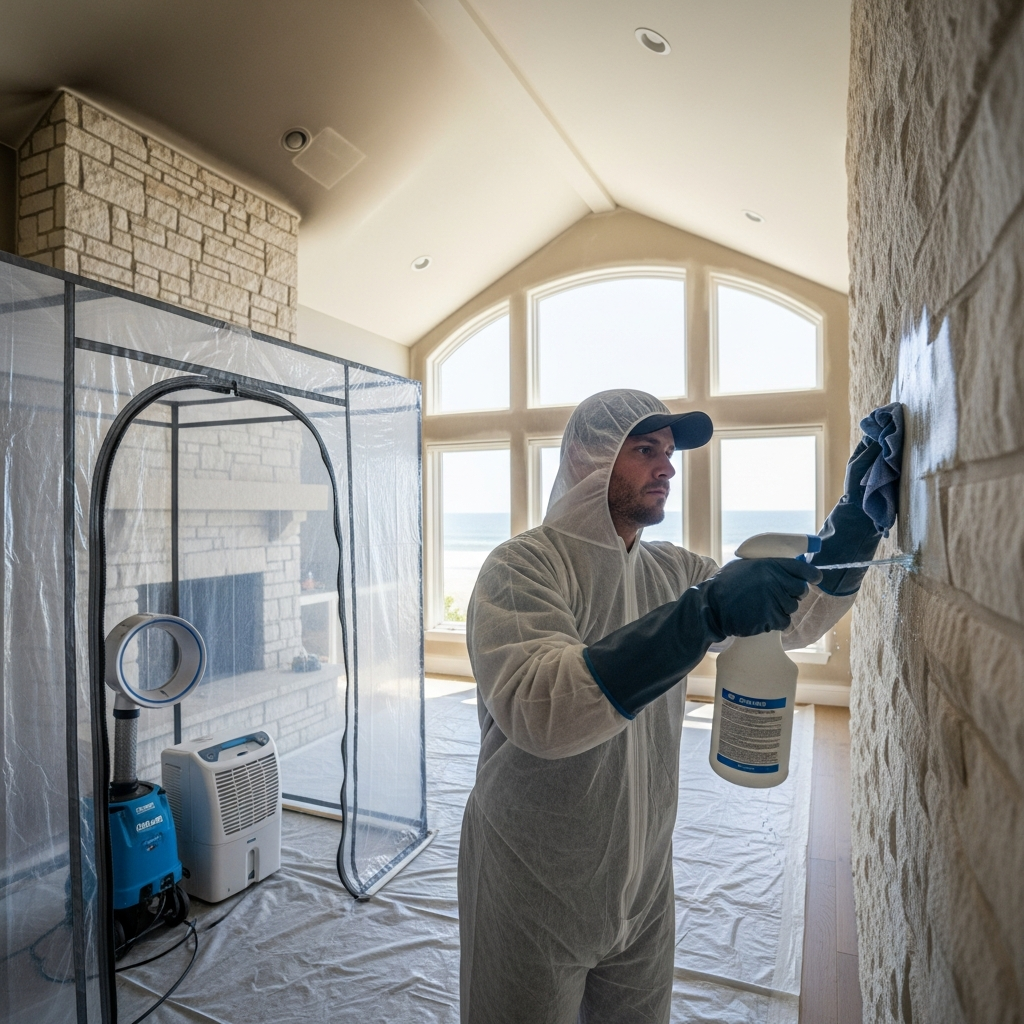
Soot is more than dirt; it is chemistry. Different residues respond to different approaches, and using the wrong method pushes contamination deeper. Dry-leaning sponges lift loose soot without smearing. pH-balanced solutions protect polished stone. Delicate finishes call for patience and light agitation. We clean top to bottom, upstream to downstream, and we test in small areas so results are predictable. In Malibu’s salt air, we move quickly on metals to prevent corrosion; in Calabasas, we monitor dust re-settling during Santa Ana events and adjust filtration accordingly.
Contents cleaning is as personal as it gets. We guide decisions with transparency: which items are strong candidates for full restoration, which require a conservator’s touch, and which are unlikely to return to pre-loss condition. When something is salvageable, we celebrate the save with you; when it is not, we document respectfully, giving you control and clarity for the claim process.
Drying: Quiet Science Behind the Scenes
Drying is where expertise is often invisible but essential. We place dehumidifiers and air movers to create even, controlled airflow that reaches wet building materials without overdriving surfaces. We record moisture readings daily, because wood, plaster, and subfloors behave differently depending on temperature and humidity. Along the coast, we may favor desiccant dehumidification on cooler, damp mornings; inland, we might leverage higher ambient temperatures with refrigerant units. The point is not the equipment; it is the strategy that ensures a stable, clean foundation for rebuilding.
Subfloor and cavity drying can be the difference between a flawless finish and a callback months later. We open minimal access points to reach affected spaces, then return them to a clean, sealed condition. You may see hoses and sensors in unexpected places, but every placement has a purpose: to protect your home from slow, hidden damage that shows up long after the news vans leave.
Odor Removal That Lasts
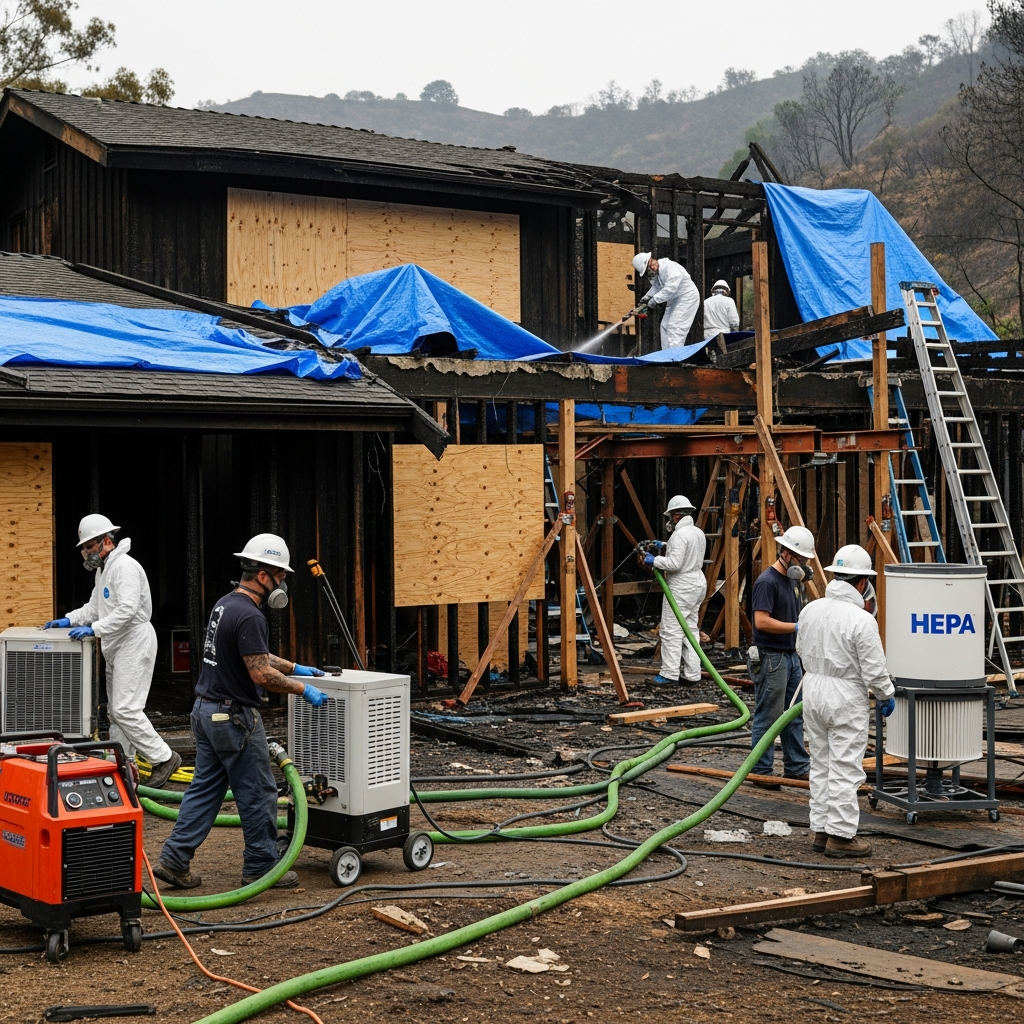
Smoke odor is stubborn, but it yields to discipline. We start with source removal—charred materials out, residues cleaned. Then we use HEPA filtration to reduce particulates, and, when appropriate, hydroxyl generators or thermal fogging to pair with and neutralize odor molecules. We sequence these steps with drying so that chemistry and physics work together, not at cross-purposes. When the job is complete, you will not need scented candles or open windows to feel comfortable. The proof is in a neutral, clean-smelling space on a hot afternoon when doors have been closed for hours.
HVAC systems get similar attention. Ducts, coils, and returns are inspected and cleaned so you do not reintroduce smoke on the first warm day you use the air conditioning. Filters are changed strategically—not once, but on a schedule that reflects ongoing dust from nearby work and local winds.
Working With Insurers and Inspectors
Documentation is the bridge between your experience and your claim. We build a clear, chronological record: initial conditions, emergency stabilization, drying logs, cleaning steps, contents inventories, and final verification. Adjusters appreciate specificity; you appreciate momentum. When inspections or permits are required, familiarity with local processes in Malibu and Calabasas keeps the project moving. We coordinate with other trades so that restoration and repairs fit together smoothly, not as competing projects.
There is a rhythm to this work when it is done well. Crews arrive with a plan and depart leaving spaces cleaner and more orderly than when they found them. You should feel progress every day, even if it is the quiet kind, like a moisture reading dropping into the safe zone or a faint odor finally disappearing.
Mid-Project Checkpoints
Halfway marks matter. We pause to confirm goals, verify that rooms are moving from heavy clean to light clean, and ensure drying targets are met. If new findings emerge—say, soot discovered behind a built-in cabinet—we fold them into the scope with transparency. We also revisit your priorities. Maybe a family event is coming up, or you want to accelerate a particular area. We adjust sequencing to match real-life needs where possible. This is also a good time to confirm any additional fire damage restoration steps you might want, such as deeper attic remediation or expanded textile care.
The value of local expertise shows up here. We anticipate weather shifts, avoid scheduling sensitive work on damp mornings, and line up specialty vendors in advance so you are not waiting for availability. If access is tricky—narrow canyon roads, steep driveways, gate codes—we plan logistics so crews and equipment arrive smoothly and respectfully.
Resilience and Prevention
We cannot change the winds, but we can reduce risk. As work wraps up, we share practical improvements that do not disrupt your design: ember-resistant vent screens, sealed gaps around garage doors, smart storage for flammables, and defensible space tuned to our native landscapes. We are not here to sell fear; we are here to empower calm. Many families find that taking these steps is emotionally grounding after the stress of a fire event.
We also provide simple care notes: when to change filters, how to ventilate on the first week back, and what small signs—like a faint smokiness on a hot afternoon—should prompt a quick check. You deserve to feel fully at home, not on edge, and the right follow-through makes that possible.
Frequently Asked Questions
Q: What distinguishes a local expert from any restoration company?
A: Knowledge of Malibu and Calabasas microclimates, access routes, permitting rhythms, and how local homes are built informs dozens of decisions each day. That local intelligence translates into faster stabilization, smarter drying, and cleaning that lasts.
Q: How long will restoration take?
A: It depends on the scope, materials, and weather. We provide a projected schedule at the start and update it as we go. The goal is consistent progress and a finish that holds up through time and temperature changes.
Q: Will I need to move out?
A: Sometimes, but not always. We can often set containment to keep parts of the home functional. If utilities are compromised or residues are heavy, a temporary move may be best. We discuss options openly so you can choose with full information.
Q: Can you save my hardwood floors and cabinets?
A: Many can be saved if drying and cleaning begin quickly and are done correctly. We test finishes, monitor moisture, and choose methods that protect the material. When replacement is the better path, we document clearly so approvals come quickly.
Q: How do you handle my personal items?
A: With care and a clear system. We inventory, label, and photograph. Items move off-site for specialized cleaning when needed, and you have access to essentials along the way. Transparency and respect guide every decision.
Q: What about lingering smoke in the HVAC?
A: We inspect and clean the system, change filters on a schedule, and verify that ducts and coils are clear. This prevents recirculation and helps ensure the home stays neutral-smelling once you are back to normal routines.
Talk With Local Experts Today
If you are in Malibu or near Calabasas and want a team that knows these streets, these winds, and these homes, we would be honored to help. From first assessment to final walkthrough, we bring precision, patience, and local pride to every step. Reach out to begin with trusted fire damage restoration guidance and take the next confident step toward a fully restored home.