When Every Minute Counts in Malibu and Near Calabasas
Emergencies do not wait for business hours along the Pacific. When flames die down and the last siren fades beyond the curves of PCH, homeowners in Malibu and just over the ridge near Calabasas are left with a new kind of urgency. Water from suppression soaks into floors and walls, smoke clings to the air, and openings leave the property vulnerable to weather and trespass. In these moments, speed matters—but so does precision. True emergency response is not chaos; it is calm choreography that stabilizes the scene and prevents today’s damage from becoming tomorrow’s disaster. That is the promise of experienced fire damage restoration in our coastal and canyon communities.
Local knowledge changes the first hour. Depending on where the incident occurred—on a bluff near Point Dume, inland around Mulholland, or in a gated Calabasas cul-de-sac—access, wind direction, and humidity all shape the plan. We have arrived to properties where ocean fog rolled in minutes after fire crews left, and others where dry winds turned residual heat into a wicking force that pulled moisture deeper into framing. Knowing the difference avoids wasted motion and targets the actions that make the most impact right away.
Stabilize First: Board-Up, Weatherproof, and Secure
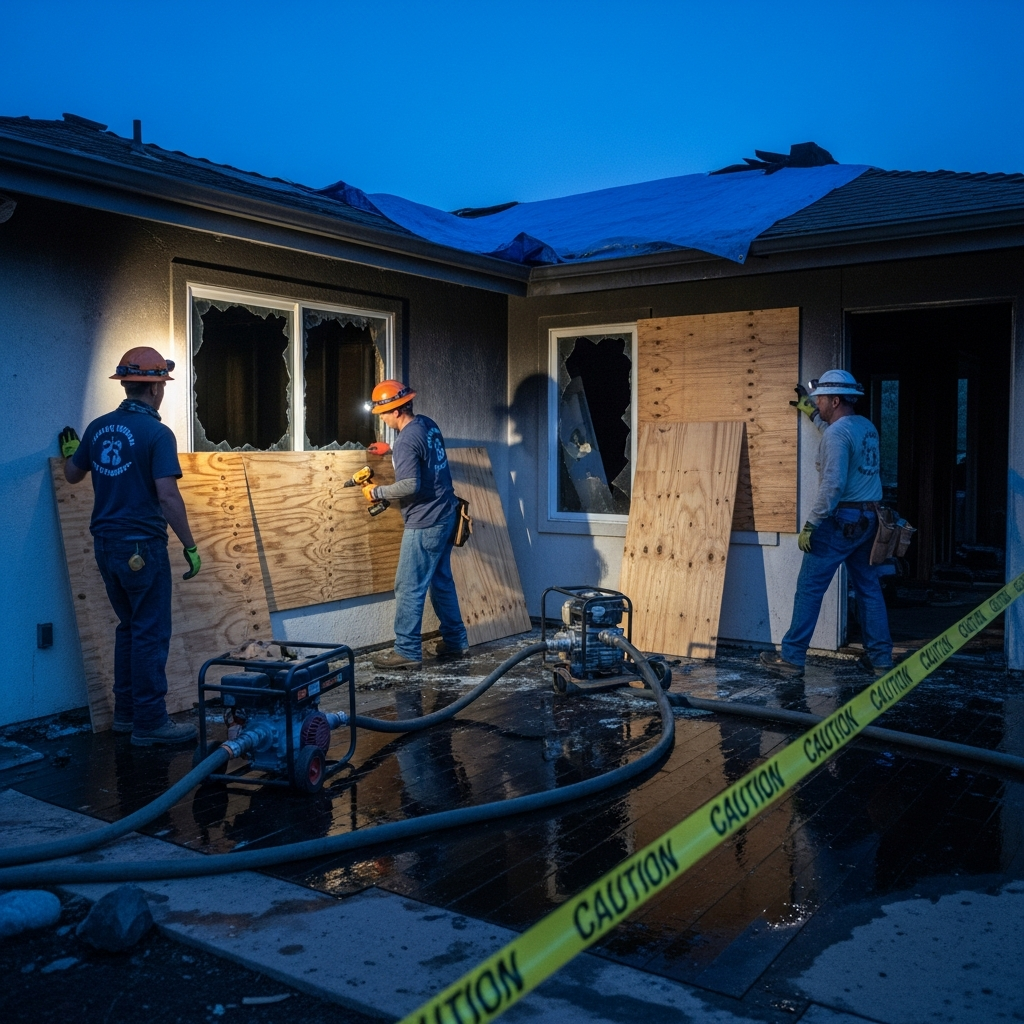
Emergency restoration begins with making the property safe. That means addressing hazards, setting temporary power if needed, and securing points of entry. We board broken windows, tarp roof openings, and install temporary fencing when appropriate to control access. In the hills between Malibu and Calabasas, wildlife traffic is not theoretical; sealing entry prevents unwanted surprises and protects what remains. We also place caution around compromised decks or stairs, where embers and heat may have weakened support members. Good emergency work looks methodical because it is—one pass to assess, one to secure, and then the deeper steps of cleanup and drying.
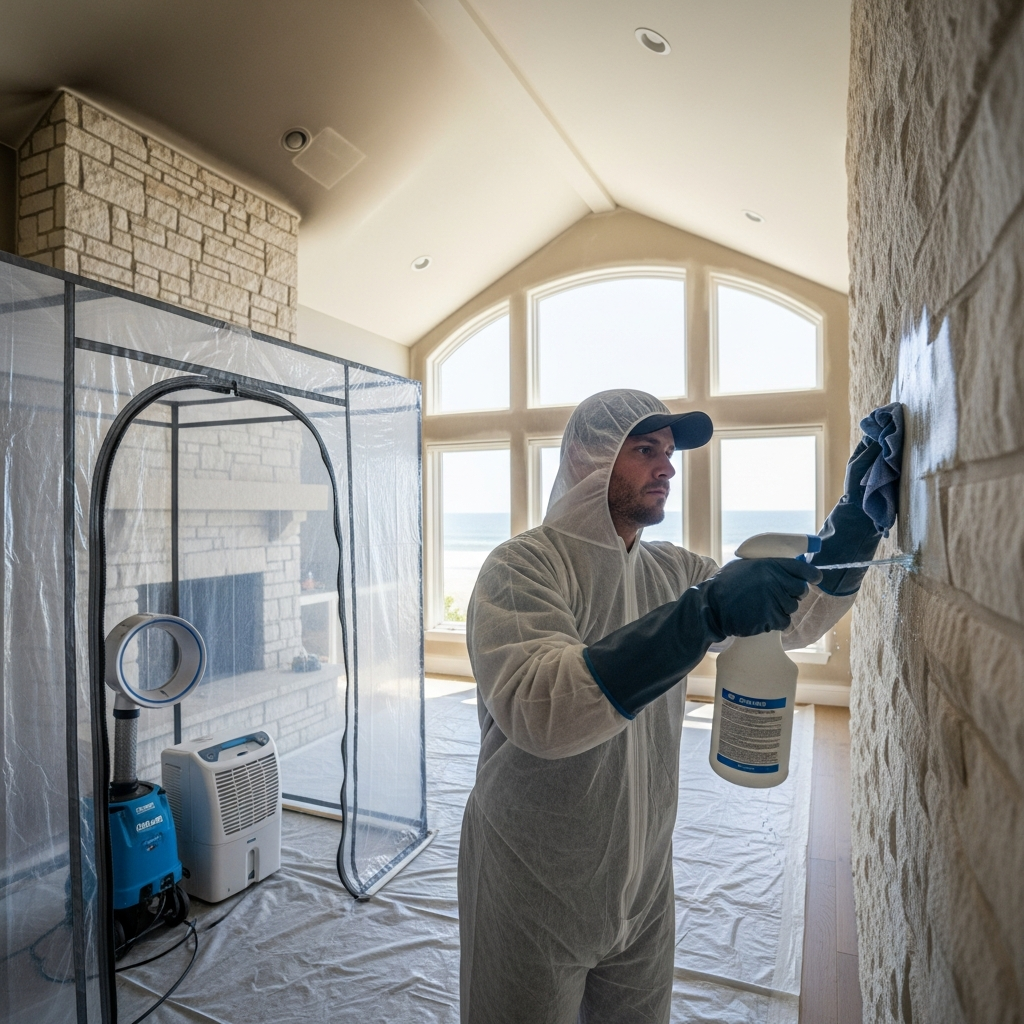
Inside, we begin source separation quickly. Heavily charred items move out so they do not continue to off-gas into the living areas. Soot is acidic, and it does not wait; neutralizing it on metals, stone, and glass within hours can preserve finishes that would otherwise etch. Documentation begins at once with photos, room sketches, and notes that form the backbone of your claim and guide the later phases of restoration.
Water and Smoke: The Twin Emergencies
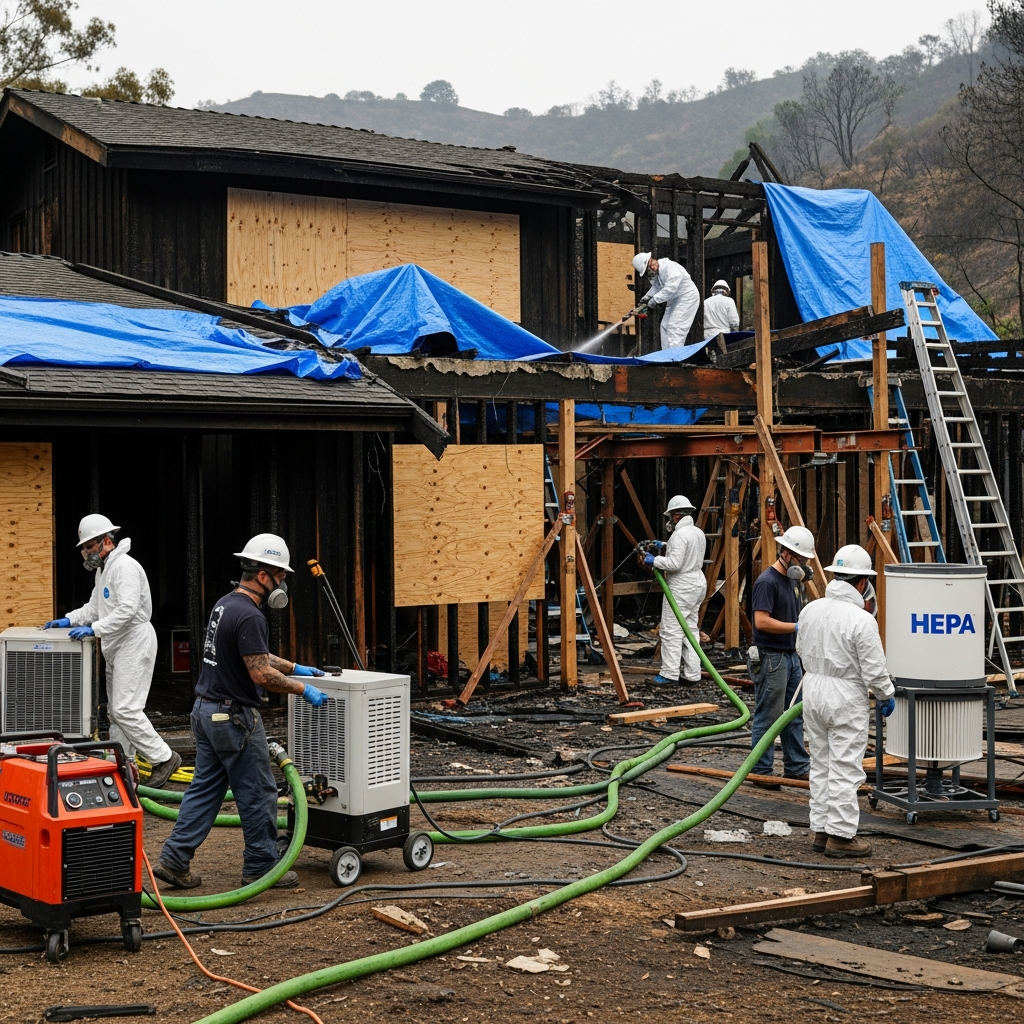
Even a small fire can bring large volumes of water. In Malibu’s marine air, evaporation slows, while in Calabasas’s drier heat, it can race ahead—both conditions can cause problems if not managed. We extract standing water, remove wet pads beneath carpet, and open strategic cavities to promote airflow. Structural drying equipment comes next: dehumidifiers, air movers, and HEPA filtration placed with intent, not guesswork. We chart moisture throughout the day and adjust as temperatures swing. It is a live process, responsive to weather and material response, and it is vital to preventing secondary problems like warping, delamination, or microbial growth.
Smoke and soot demand their own emergency measures. We set containment to block cross-contamination between cleaner and dirtier areas. Negative air machines with HEPA filters capture the finest particulates, while targeted vacuuming and dry sponging begin on surfaces most at risk. If the HVAC was running during the event, we address returns and supply lines early to stop recirculation. You may not see all of this at a glance, but you will notice the difference when odors diminish faster than expected and surfaces stop developing that persistent, grimy film.
Communication in a Crisis
In urgent situations, clear updates calm the room. We explain what will happen in the first 24 to 72 hours, why it matters, and what you can expect to see and smell as progress unfolds. The goal is to make the unfamiliar feel navigable. If a family needs to remain in part of the home, containment and cleaning sequence reflect that. If relocation is the safest choice, we help set the stage so essentials are accessible and the transition is smooth. From Serra Retreat to the Calabasas Highlands, each home has its quirks, and a good plan honors them.
We also coordinate closely with adjusters early. Emergency costs and scope are documented line by line, and we align on what is necessary to stabilize versus what will occur in the full restoration phase. This clarity prevents duplicated effort and speeds approvals later. In our region, inspectors and utility teams may require staged access; we plan around that so you are not waiting for crews that cannot yet perform work.
Inside the First 48 Hours
Speed without intention can cause new damage, which is why the first two days follow a proven cadence. After security and safety, we focus on water extraction and initial drying. Next comes a triage clean: removing loose ash and soot, neutralizing acids on sensitive metals and fixtures, and addressing glass that can etch rapidly. Contents are assessed for salvageability, with priority given to items you need for daily life—medications, documents, school materials, work equipment. We pack and label with a simple system so you can find things when you need them, even if cleaning continues off-site.
Odor control begins early but always after source removal. You might notice a gentle shift after the first round of HEPA filtration and ventilation. Later, targeted odor treatments pair with deep cleaning to seal the change. Rushing deodorization before addressing residue just masks the problem; doing it in sequence creates results that hold through humidity spikes and hot afternoons.
Local Weather, Real-Time Adjustments
Emergency restoration in Malibu and near Calabasas is never copy-and-paste. Along the water, a thick marine layer can roll in unexpectedly and cut dehumidifier efficiency in half; inland, Santa Ana winds can dry surfaces while carrying fresh dust into open areas. We read the forecast and the microclimate, then adjust. We might ramp equipment overnight when the air is drier and scale back during damp mornings. We might choose desiccant dehumidification for a canyon home when temperatures dip. The point is not the gear; it is the thinking behind it, tuned to the realities of our terrain.
Exterior cleaning follows weather, too. Ash on stucco or stone can turn to a paste that stains if damp fog hits before rinsing. We time gentle exterior washes for windows when wind is low and use pH-balanced solutions that protect finishes. Decking, railings, and outdoor kitchens receive early attention because coastal air and soot together can be punishing if left alone.
From Emergency to Full Restoration
The handoff from the crisis phase to comprehensive restoration is where projects either maintain momentum or lose steam. We keep it moving by building a clear scope that grows naturally from the emergency actions: what dried and how long it took, where smoke penetrated, which materials will clean successfully, and which require replacement. We bring the same urgency to planning as we did to stabilization, lining up specialty vendors as needed and sequencing work to minimize downtime.
For homeowners, this is often the moment when the adrenaline fades and the number of decisions rises. We walk through options plainly—refinish or replace, clean in place or off-site, temporary repairs or permanent solutions. This is also where you can add resilience: ember-resistant vents, smarter storage, or sealed attic penetrations. Midway through the broader plan, if we discover an area that needs deeper attention, we update the scope and coordinate approvals so that momentum continues. And if you wish to expand mid-project with additional fire damage restoration tasks, we fold them in with transparency about timeline impacts.
Why Local Emergency Response Matters
Out-of-area teams can help during large events, but emergency work benefits from local familiarity. We know the back roads when PCH slows, the gate codes process for many communities, and the typical inspection cadence after a storm front or high-wind event. Relationships with waste haulers, electricians, and glass vendors mean faster turnarounds for temporary repairs. When a midnight board-up is followed by a foggy dawn, we already have a plan B for drying.
There is also a human side. Emergencies are unsettling, and a calm, steady presence makes decisions easier. Our crews are trained to move with empathy as much as efficiency, to explain steps without jargon, and to protect privacy when the home is most vulnerable. Neighbors in Malibu and Calabasas share stories; being the kind of team people recommend is about results and respect in equal measure.
Common Questions in the Heat of the Moment
Q: Should I start cleaning before professionals arrive?
A: If the property is safe and released by authorities, gentle ventilation can help, but avoid wiping soot or ash. Certain residues smear and set into paint and fabrics. Leaving HVAC off is wise to prevent spreading contamination. Focus on safety and essentials; we will handle the technical cleanup.
Q: What if rain is in the forecast?
A: Securing the structure fast is crucial. We prioritize roof tarps, window board-ups, and temporary sealing to prevent water intrusion. We also stage drying equipment to address any moisture that does get in despite protection.
Q: Can odor really be controlled during the first days?
A: Yes, source removal, controlled ventilation, and HEPA filtration deliver noticeable improvement early. Long-term odor control requires deeper cleaning and targeted treatments, but you should feel a shift within the first 24 to 48 hours.
Q: How do you decide what to save?
A: We triage by material type, exposure level, and sentimental or functional priority. Some items can be cleaned on-site, others need specialty care off-site, and a few are best documented for replacement. We explain the why behind each decision.
Q: Will emergency actions affect my insurance claim?
A: Properly documented emergency measures protect your claim by showing the steps taken to prevent further damage. We capture photos, readings, and notes that align with policy expectations and help approvals move faster.
Here for You When You Need Us Most
When a fire event disrupts your life in Malibu or near Calabasas, you deserve a response that is swift, skilled, and centered on your family’s needs. From midnight board-ups to dawn moisture readings, we bring order to chaos and set the stage for full recovery. If you need immediate help now, reach out to start coordinated emergency fire damage restoration and take the first clear step back toward normal.