When a rental property in Malibu experiences smoke or fire damage, the ripple effects touch owners, property managers, and tenants alike. Each has immediate needs—preserving the asset, safeguarding health, and restoring livability—yet all those aims converge on one urgent task: clear, capable restoration. From our base in Encino, we have learned that success with rentals is about more than technical skill. It requires thoughtful coordination, steady communication, and a sensitivity to the practical realities of leases, moves, and day-to-day life. If you are facing decisions in the wake of an incident, an overview of the process can help you chart the next steps, starting with resources like keyword.
Rental homes along the Malibu coastline present a distinctive mix of layouts, finishes, and usage patterns. Some are long-term residences with children’s rooms arranged just so; others are furnished retreats with rotating guests and meticulously curated decor. All of them demand a restoration approach that respects schedules, safeguards contents, and documents every step with precision. The ability to mobilize quickly from Encino into Malibu’s canyons and beachfront lanes allows us to stabilize conditions before odors and moisture set in, and to build a phased plan that minimizes disruption wherever possible.
First Steps: Safety, Stabilization, and Clarity
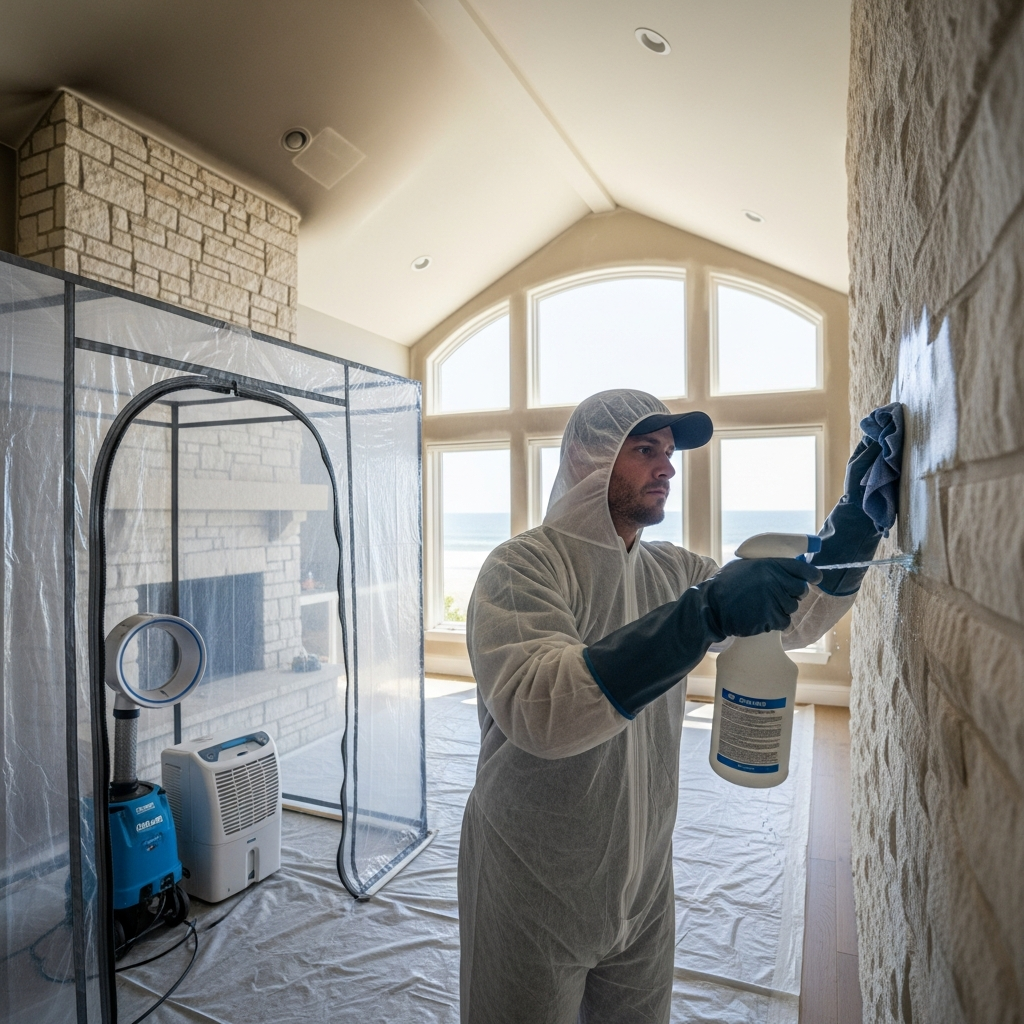
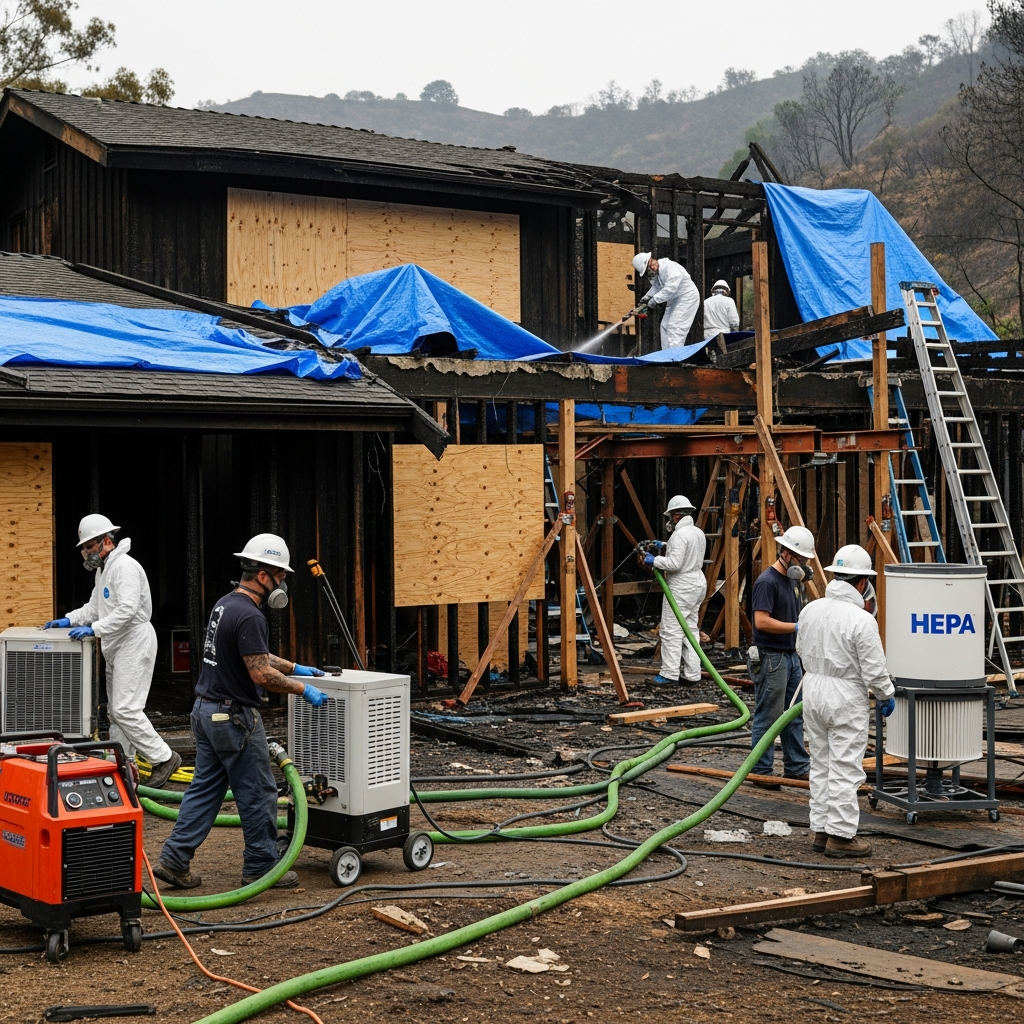
In a rental, clarity is kindness. The first hours after an event can feel chaotic, so we move quickly to secure the structure and the plan. We verify utilities, set up containment and air filtration with HEPA devices, and begin moisture mapping to address any water introduced during firefighting. Board-ups or tarps protect openings, and we separate affected spaces from those that remain clean and livable. These early actions prevent cross-contamination and set a foundation for everything that follows.
At the same time, we begin documentation built for multiple audiences. Owners need to understand asset condition; tenants need to know what spaces are safe and what timelines to expect; property managers need clear records to coordinate approvals. We use photo logs, itemized inventories, and simple, consistent updates to align everyone around the same facts and reduce stress.
Working in Occupied and Partially Occupied Spaces
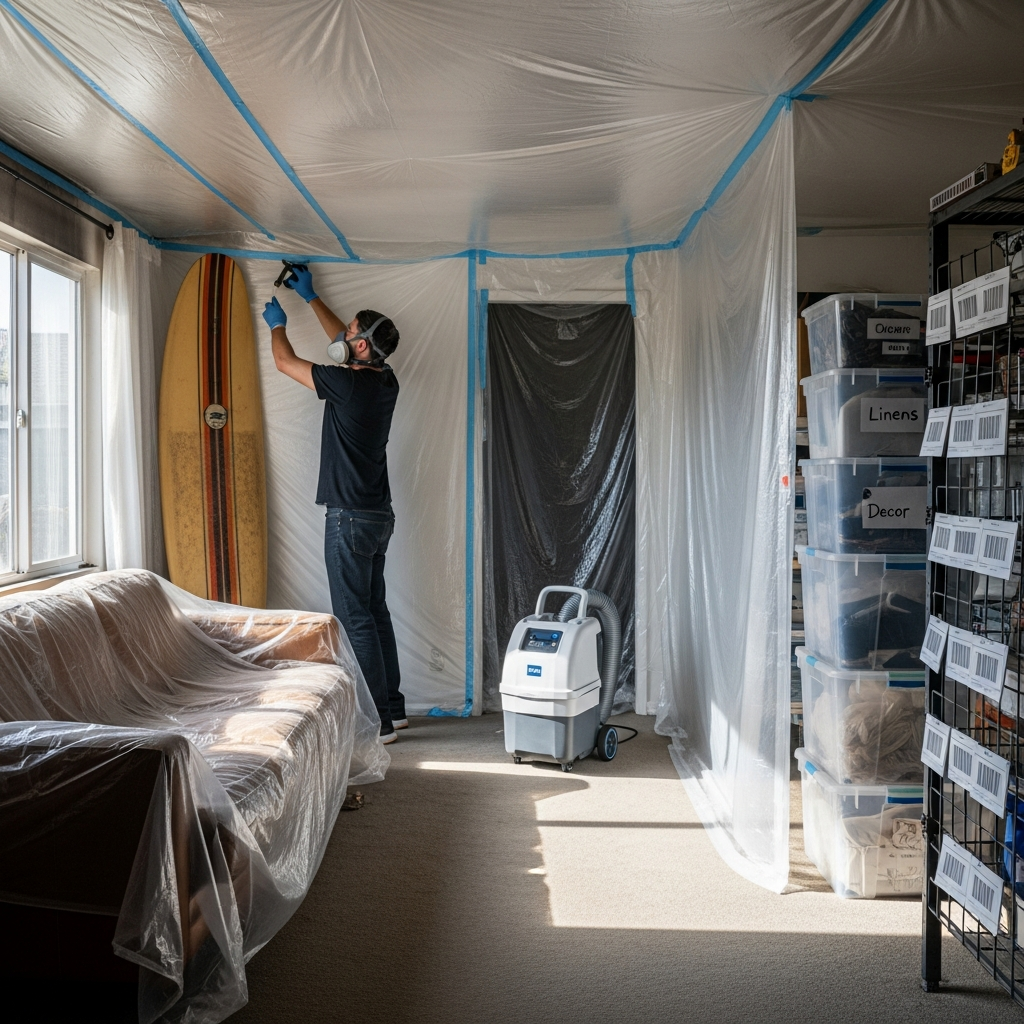
Many Malibu rentals remain partially occupied during portions of the work, especially when damage is isolated. In those cases, phasing is everything. We create clean zones, route foot traffic carefully, and schedule noisier tasks during windows that least affect daily life. The goal is to make progress without fraying nerves. When relocation is necessary, it is for well-defined reasons—structural repairs, wide-area deodorization, or safety considerations. Tenants appreciate knowing where we will be and when, and owners appreciate a plan that keeps turnover dates and reservations in view.
Respect for Finishes and Furnishings
Furnished rentals come with their own complexities. Stain-resistant fabrics still absorb odor, and beautifully finished case goods can be easily marred by the wrong cleaning method. We start with dry removal to lift particulate soot gently, then match cleaners to residues and surfaces—pH-neutral where possible on wood, non-etching on stone, and cautious, tested solutions on lacquered finishes. Protein smoke from cooking incidents is a frequent culprit in rentals with higher kitchen use; it is sneaky and persistent, and the cure lies in thorough removal rather than perfumes or cover-ups.
Pack-outs are sometimes the most efficient way to protect and restore contents while structural work proceeds. In those cases, we catalog each item down to its shelf location, photograph everything, and store in climate-controlled conditions. When items return, they come back odor-free and ready to be placed exactly where they belong, reducing the friction of re-occupancy.
HVAC and Ventilation in Multi-Use Properties
Airflow patterns in rentals can be tricky, especially in multi-unit buildings or large homes with zoned systems. A system that cycled during a smoke event may have distributed odors far beyond the source. We isolate returns, change filters early, and coordinate duct and coil cleaning when indicated. Verification testing and a staged return to normal operation prevent the frustrating experience of odor drifting back into a freshly cleaned room the moment the system switches on.
Communication that Keeps Everyone in the Loop
Owners want predictability, managers want coordination, and tenants want respect for their routines. We provide concise updates that answer three questions: what we completed, what is next, and what decisions or approvals are needed. Schedules account for building rules and neighborhood quiet hours, and we communicate any adjustments quickly when the structure surprises us with hidden conditions. In my experience, straightforward updates transform a potentially tense situation into a collaborative effort.
Documentation Built for Property Management
Well-organized records are the backbone of a smooth rental restoration. We build files that speak to insurers and to management systems: clear scopes of work, before-and-after photos, moisture maps, and contents inventories. These records protect all parties by showing the necessity and quality of each step. For furnished rentals in particular, that inventory becomes a map that guides setup for the next guest or the returning tenant, making the handoff seamless.
Odor Control that Lasts
Nothing undermines a rental faster than a lingering smell. True deodorization follows thorough cleaning, not the other way around. Once residues are removed, we select techniques that reach where smoke traveled—thermal fogging for deep penetration, vapor-phase treatments for even distribution, and, when needed, sealing of framing or sheathing that holds onto stubborn traces. The goal is a neutral, fresh space, not a heavily perfumed one that fades in a week.
Local Advantage: Encino to Malibu, Quickly and Quietly
Our proximity means we can stabilize quickly and schedule efficiently around tenant needs, HOA rules, delivery constraints, and Malibu’s varied access challenges. Tight driveways and limited street parking are common; we plan equipment handoffs and staging with neighbors and building guidelines in mind. The best restoration for rentals feels unobtrusive—present when needed, quiet when possible, and steady from start to finish.
When you need a touchstone to explain the overall process to owners or tenants, share the straightforward overview at keyword. It provides a practical frame for what to expect without getting bogged down in jargon.
Rebuild and Turnover Readiness
Repairs in rentals prioritize both durability and design continuity. We match finishes carefully so repaired sections blend with the original, then we think ahead to turnover readiness—final cleaning, placement of restored items, and a walkthrough that ensures the property feels great the moment the door opens. That first impression matters to every stakeholder.
FAQ
Q: Can tenants remain in place during restoration?
A: Often, yes, if damage is localized and we can create clean zones. Safety, noise, and odor control guide the decision. When relocation is necessary, we define the reasons and timeline clearly.
Q: How do you coordinate with property managers and HOAs?
A: We align our schedules with building rules, quiet hours, and access requirements. Regular updates, documented scopes, and clear sequencing reduce surprises and streamline approvals.
Q: What protects unaffected rooms and furnishings?
A: Containment, negative pressure in affected areas, protective coverings, and disciplined routing of foot traffic. We keep clean spaces clean while work progresses nearby.
Q: How do you handle furnished rentals with frequent turnovers?
A: We catalog contents meticulously, pack out when it accelerates progress, restore items in controlled environments, and return them odor-free and ready to stage before the next occupancy.
Q: Will the property smell like chemicals after?
A: Effective deodorization results in a neutral environment. Any treatment scents dissipate quickly as the space is aired, leaving freshness without heavy perfumes.
Q: How do you minimize disruption?
A: Phasing, clear communication, adherence to building rules, and thoughtful scheduling of louder or more intrusive tasks. Respect for routines is part of good restoration.
When you are ready to protect your investment, support your tenants, and put a smoke or fire incident firmly in the past, choose a local Encino partner who understands Malibu’s rhythms and rental realities. To connect with a trusted resource and map a calm, coordinated recovery, visit keyword and we will help you return the property to comfort and confidence.