When people ask what makes for the best fire damage restoration, I think of the quiet, steady moments that add up to real recovery: the first breath of truly neutral air in a living room that smelled of smoke for weeks, the way daylight feels different when soot is gone from window frames, the relief in a phone call where the plan finally seems clear. For Malibu residents, choosing a partner in Encino who understands both communities means gaining speed, precision, and a local perspective that anticipates the coastline’s quirks. If you are just beginning to explore your options or looking for a second opinion, you can ground your decisions with the practical overview at keyword.
“Best” is not a label anyone simply claims; it is earned through disciplined process, respectful communication, and outcomes that stand up to time. In the Malibu-Encino corridor, the bar is high because homes often blend custom materials, large window walls, and open layouts that reveal any shortcut. When restoration is done right, the work fades into the background of daily life. You do not think about what happened; you simply live in the space again, as comfortably as before—sometimes more so.
What Sets Top-Tier Restoration Apart
It begins with assessment. Not just a walkthrough, but a mapped understanding of smoke migration paths, moisture presence, and material sensitivities. I have seen projects rescued by a simple insight caught early, like recognizing that a two-story gallery space acted as a chimney, sending residues into an upstairs linen closet while leaving the central stair looking untouched. The best teams read a house the way an experienced sailor reads the wind: not guessing, but interpreting cues that others miss.
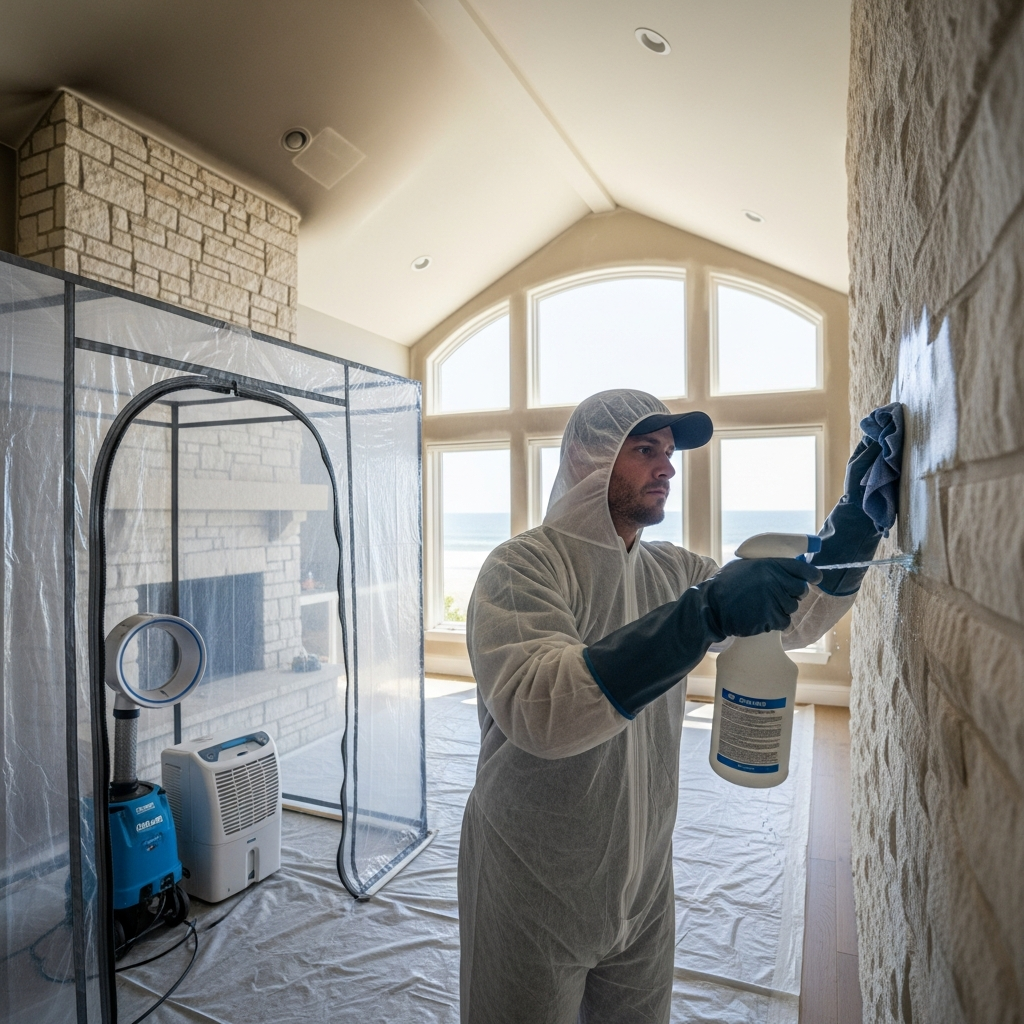
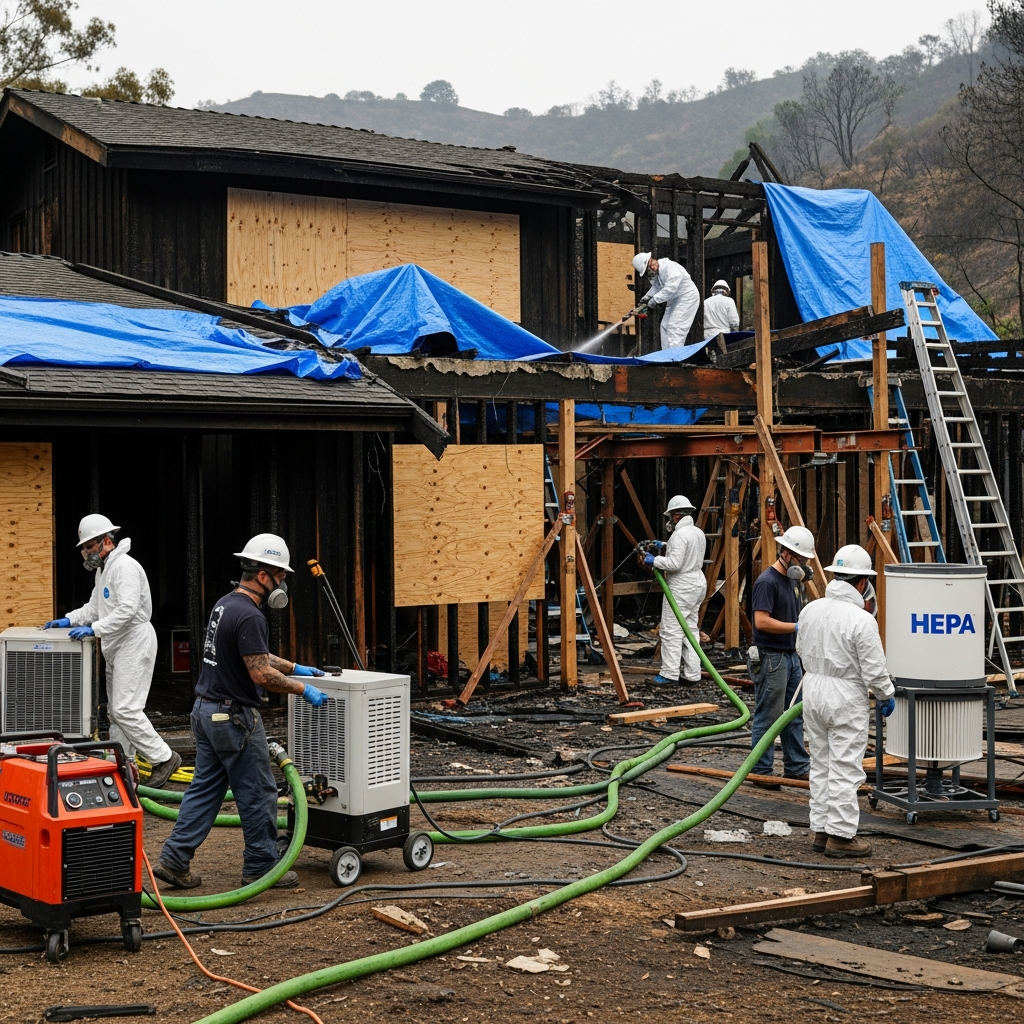
Top-tier work also shows in containment. Negative-pressure zones, clean-room protocols, and thoughtful sequencing prevent a dirty task from becoming a house-wide problem. If you have ever watched a job where every step forward seemed to be followed by two steps back, you have seen what happens when containment is neglected. The best teams move like a well-rehearsed crew, with equipment laid out to minimize cross-traffic and tools changed often to avoid re-depositing residue.
Materials and Methods that Respect Malibu Homes
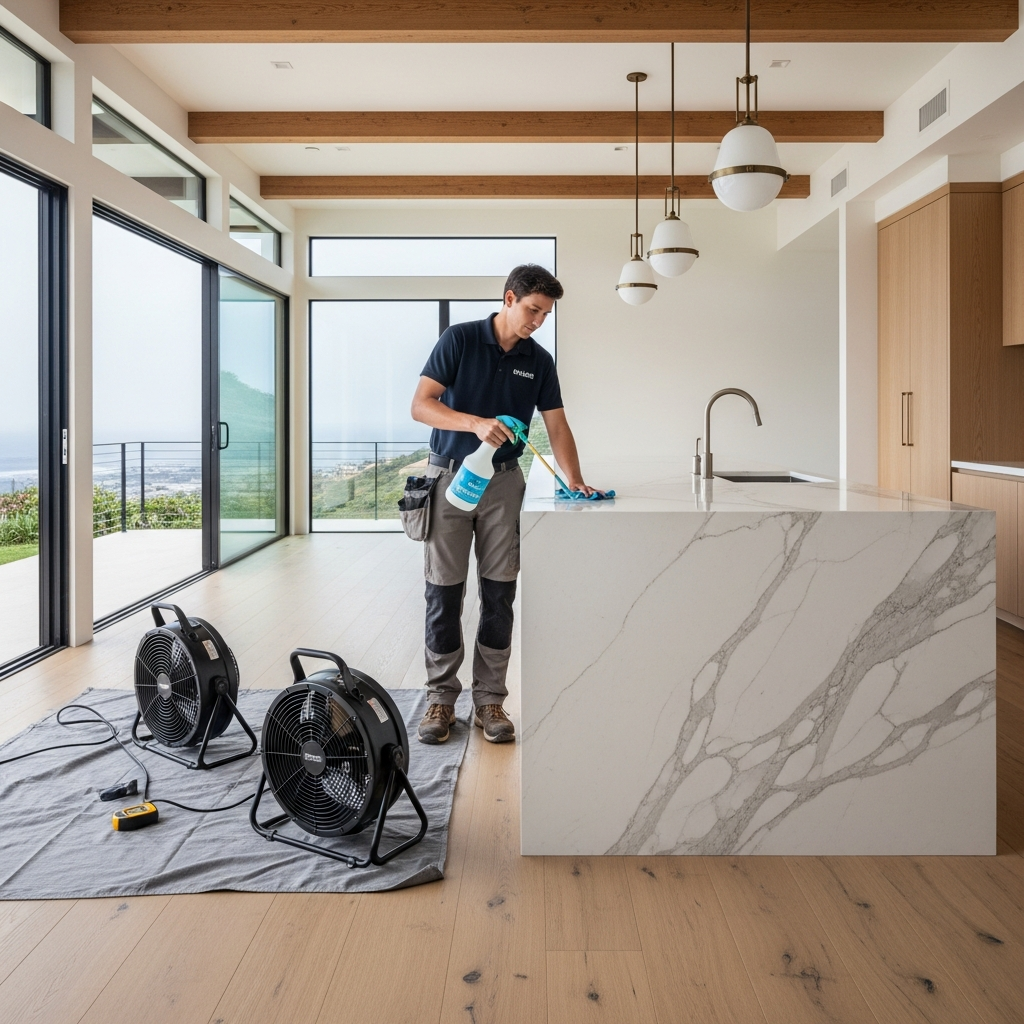
Many Malibu homes showcase natural textures—white oak floors, plaster walls, stone countertops, and exterior transitions that blur inside and out. Surfaces like these require restraint. The best restoration is conservative in its first approach, escalating only when a test spot shows it is safe. On woods, we favor pH-neutral cleaners and controlled moisture; on stone, we avoid acidic agents that etch; on plaster, we lean into dry methods before introducing any liquid solutions. This is not caution for its own sake; it is how you preserve the finish that gives a room its character.
And then there is the matter of odor, the most personal signal that a home is not yet truly yours again. A great team removes the cause of the smell, not just the smell. That means source removal, thorough cleaning, strategic deodorization, and, where needed, sealing of surfaces that hold onto traces of smoke. There is no single magic machine; there is a sequence of well-chosen steps, verified by your own senses as much as by instruments.
Logistics and Local Advantage
Distance matters in emergencies. Being based in Encino gives us quick access to canyon corridors and highway routes into Malibu, whether the call comes in the predawn calm or the afternoon rush. I remember one project where a minor kitchen incident turned into a whole-home odor problem because the HVAC kicked on before anyone realized. Quick arrival made the difference; we isolated the system, swapped filters, and set up filtration before the evening marine layer could lock in odors. Local familiarity is not a slogan; it is the difference between being reactive and being prepared.
Access challenges are common on hillside lots and beachfront streets—tight driveways, limited parking, and sensitive neighbors who value quiet. The best teams anticipate these constraints, staging equipment in Encino so that mobilization is efficient and respectful. When a crew moves in a coordinated, careful way, the experience feels less like a disruption and more like a restoration of order.
Communication that Builds Confidence
From day one, the best restoration feels like a partnership. You should know what is happening, why it is happening, and how today’s work sets up tomorrow’s progress. We keep the conversation steady and straightforward: milestones, approvals, decisions, and any adjustments the structure itself teaches us along the way. If we encounter a surprise behind a wall or within a duct run, you hear about it immediately along with the plan to resolve it. Great work is transparent, not mysterious.
Insurance Documentation Done Right
The “best” experience extends to paperwork that does not bog you down. Photo logs, moisture readings, inventories, and detailed scopes are the backbone of a file that makes sense to adjusters and keeps your project moving. A strong record is not just bureaucratic; it is a safeguard, proving the necessity and quality of each step. Over years of projects, I have learned that clarity prevents friction and turns a complicated claim into a series of manageable decisions.
When you want a quick refresher on the essentials or a way to share the process with a family member, return to keyword. It is a reliable touchstone when the volume of information starts to build.
Contents and the Emotional Core of Recovery
Homes hold more than structure—they hold stories. That is why the best restoration plan treats contents with the same seriousness as it treats flooring and walls. We sort and document carefully, separating what can be cleaned on site from what benefits from a pack-out to controlled facilities. Fine textiles, instruments, and artwork receive specialist attention. I have watched a family’s mood lift just seeing a cherished rug return to its original color and softness, or a guitar case open to reveal a well-tuned instrument free of odor. Those moments are not side notes; they are the heartbeat of recovery.
Rebuild with Craft
When it is time to repair or replace, excellence looks like seamlessness. Matching the sheen of a finish, the reveal of a baseboard, or the grain of a cabinet door demands patience and attention to detail. We coordinate closely with trades who share those values, ensuring that carpentry, painting, and finishing align with the standards the rest of the project has set. The goal is simple: if you did not know work had been done, you would not notice it at all.
Resilience without Compromise
Recovery also invites a gentle conversation about resilience. Improved kitchen ventilation, better-sealed returns, thoughtful material choices in high-risk areas—these are not about changing the character of your home but about protecting it. The best team offers options, explains trade-offs, and helps you decide what fits your life. A home can be both beautiful and better prepared, a truth Malibu residents understand after even a small incident.
FAQ
Q: What defines a top restoration team?
A: Consistent process, containment discipline, respect for materials, clear communication, and verifiable results. You should see steady progress and feel informed at every step.
Q: How quickly should work begin?
A: Stabilization should start as soon as the site is safe—securing openings, setting filtration, and addressing moisture. A clear plan follows quickly, informed by thorough assessment.
Q: Can odor be fully removed in open-plan homes?
A: Yes, when source materials are addressed and deodorization reaches the same spaces smoke traveled. Proper containment and sequencing are the keys to success in large, open layouts.
Q: How do you protect unaffected rooms?
A: We establish clean zones, maintain negative pressure in affected areas, and use protective coverings and careful routing to keep foot traffic from spreading residues.
Q: Do you handle specialty items like art and instruments?
A: Absolutely. We partner with conservators and specialists experienced with high-value and delicate items, ensuring appropriate cleaning and environmental controls.
Q: What is the most common mistake homeowners make early on?
A: Attempting wet cleaning on unknown residues, which can smear soot and set stains. Early professional guidance prevents extra work later.
Q: Will my home’s finishes look the same after?
A: That is the aim. With careful cleaning and skilled reconstruction where needed, finishes can be matched closely so that repaired areas blend seamlessly with the original.
If you are ready to experience a calm, competent path back to normal, choose a local Encino partner who knows Malibu as well as you do and values craft as much as speed. To connect with a trusted resource and take the first confident step, visit keyword and let’s turn a difficult moment into a carefully guided return to comfort.