Home in Malibu means coastal light pouring through big windows, arroyos humming after a rain, and occasional reminders that water likes to write its own stories. A supply line to a second-floor bath can whisper for weeks before it announces itself as a stain on the living room ceiling. An upstairs laundry can overflow on a Saturday morning, racing beneath engineered floors toward the stairs. Ocean fog can accelerate corrosion on fittings and create pinhole leaks in soft copper. When those moments happen, residents need more than a shop vac—they need local sense, building science, and a plan that honors the character of the home. From first call to finishing touch, effective water damage restoration for Malibu residences is about restoring both structure and rhythm.
Unlike commercial spaces that prize uptime above all, homes demand comfort and continuity. The dog still needs a safe corner to sleep, children still need a place to do homework, and life wants to keep moving even as equipment hums. The art of residential restoration is to wrap a professional process around family life so meals, mornings, and nights can proceed with some semblance of normalcy. That starts with clear staging, thoughtful protection of clean areas, and communication that demystifies each step.
First things first: Safety and triage
When water intrudes, pause and scan. If you see bulging ceilings, hear hissing near outlets, or smell something sharp and electrical, step back and consider shutting down power to the affected circuits. If the source is a fixture or appliance, turn the supply valve clockwise until it stops. If you do not know where the main shutoff is, ask your restorer to mark it for future reference; that little bit of knowledge is a gift to your future self. After the scene is safe, gather quick photos and a short video walk-through. These notes will clarify the timeline and support any insurance conversations that follow.
From there, the first goals are simple: stop the source, extract bulk water, map the wet areas, and protect belongings. Moving rugs and books, blocking furniture legs with protective pads, and lifting art a few inches can prevent a second wave of damage that often eclipses the first. A good crew arrives ready to help with these tasks and treats your home as a home, not a jobsite.
Mapping moisture with Malibu in mind
Malibu’s variety of residential construction—from ranch homes in the canyons to steel-and-glass along the water—means no single moisture map fits all. Behind smooth plaster, moisture can travel farther than expected before revealing itself. In older homes, plaster over wood lath behaves differently than modern gypsum, and accurate readings require the right meters and technique. Engineered floors atop a concrete slab pose different drying challenges than solid oak over a ventilated crawlspace. A restorer who knows these variables will test, verify, and explain the wet footprint so decisions feel grounded, not guessed.
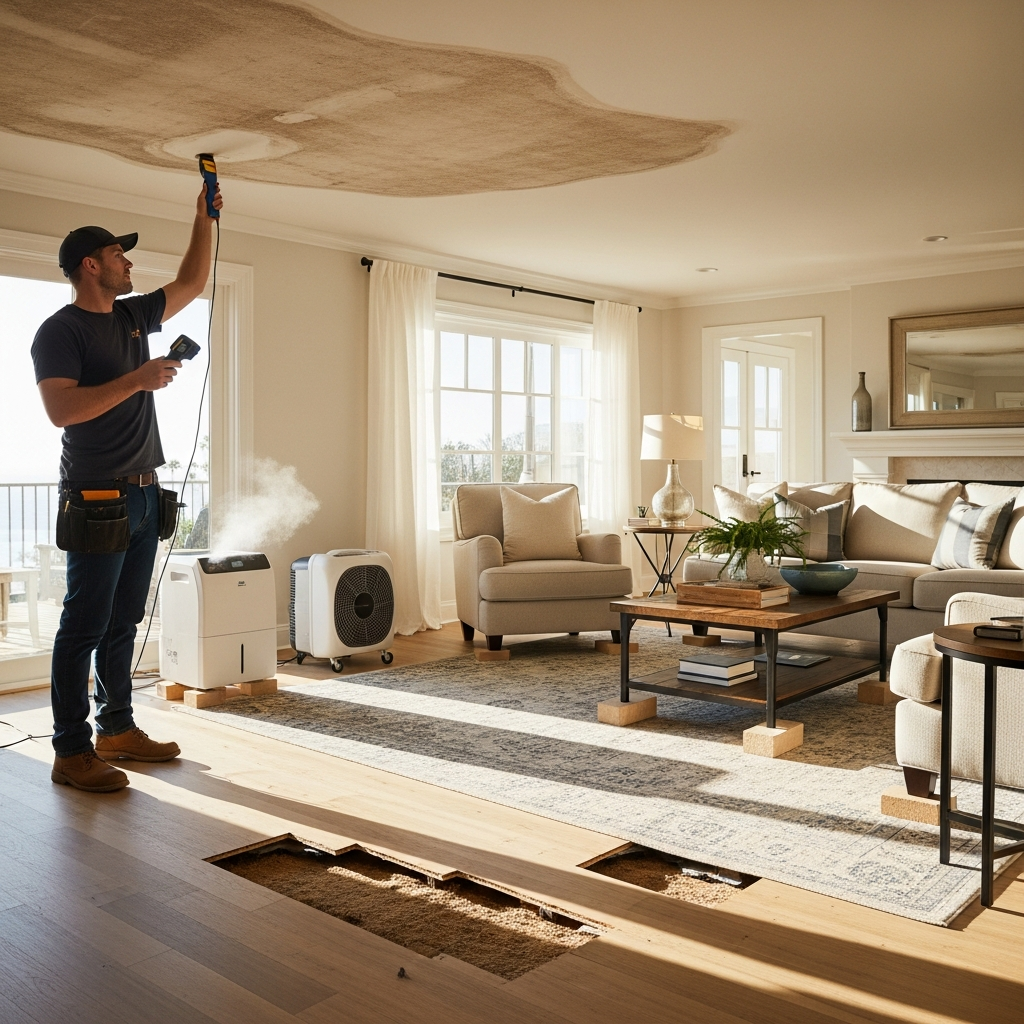
Infrared cameras can be helpful, but they are not divination tools; they show temperature differences that may or may not be moisture. Combining thermal images with pin and pinless moisture readings and simple experience—like knowing where a builder typically runs plumbing or how an upstairs bath overhangs a den—yields a truer picture of what needs attention.
Drying that respects finishes and family life
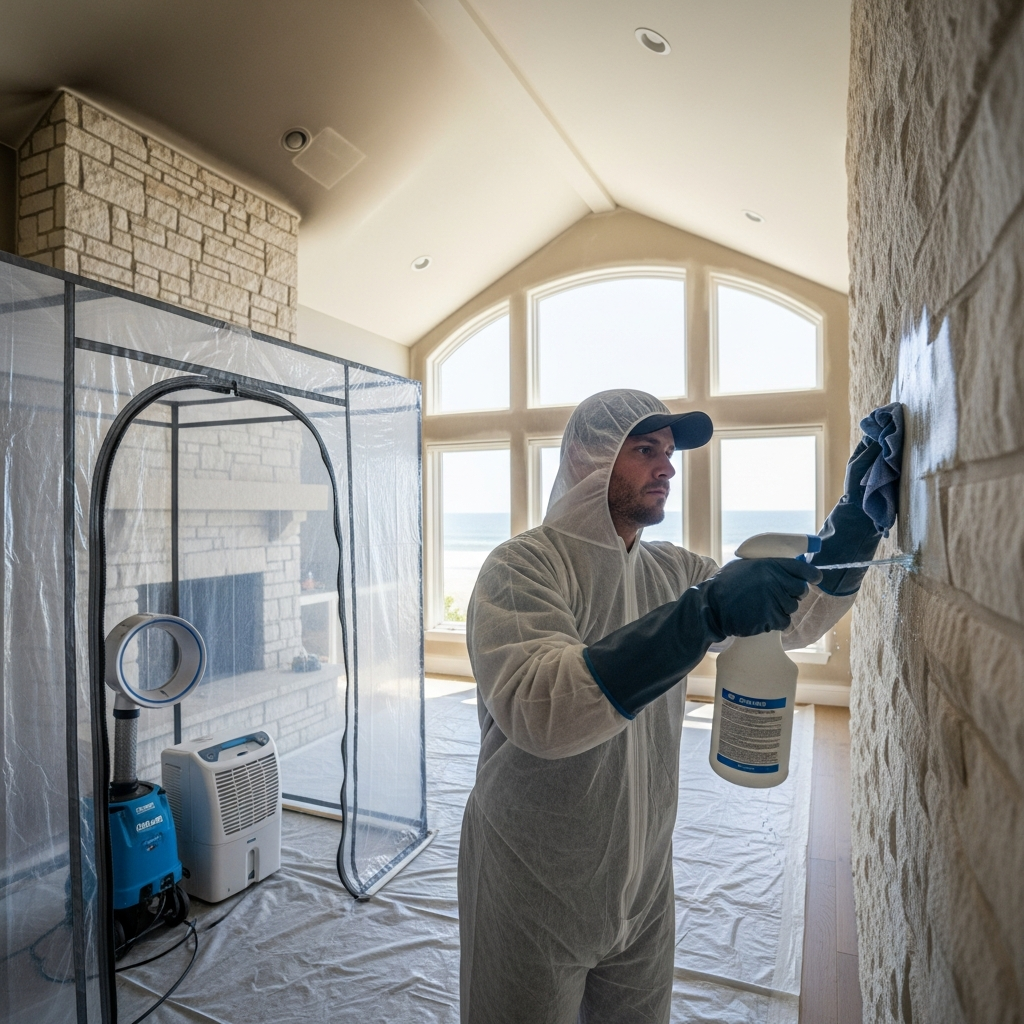
Residential drying balances efficiency with quiet. Strategically placed air movers and dehumidifiers create airflow patterns that lift moisture from surfaces without turning the whole house into a wind tunnel. In Malibu’s coastal climate, nighttime humidity can spike, so equipment is tuned to keep the drying environment stable even as the weather shifts. In occupied homes, containment with zipper doors keeps pets and kids out of work areas and holds dust and noise in check.
Protecting finishes is central. Natural stone countertops and floors prefer gentle cleaners; aggressive chemistry can etch and dull. Hand-applied plasters and specialty paints respond differently to heat and airflow than standard textures. Solid-wood cabinet boxes may tolerate drying, while MDF panels swell and rarely recover. Each choice—whether to open a wall, lift a floor panel, or remove a toe-kick—is best made with a reading, a reason, and a conversation.
Cabinets, closets, and the quiet places water lingers
Kitchens are the heart of the home and also a crossroads of plumbing. A slow leak under a sink or behind a fridge can feed moisture into toe-kicks and cabinet backs where airflow is weakest. Rather than guessing, a restorer may remove toe-kicks to allow targeted airflow or create small, discreet openings at the backs of cabinets to promote drying without dismantling the entire run. In closets, damp carpet padding and baseboards can harbor moisture and odors. Removing the pad while saving the carpet, lifting the edge to dry the tack strip, and monitoring the base plate moisture are the kinds of steps that reduce long-term issues.
Laundry rooms above living spaces are another Malibu classic. Overflow pans that were never piped to a drain, or condensate lines that clog, can send water sideways before anyone notices. Installing or verifying pan drains during the repair phase pays dividends when life gets busy again.
Mold concerns in a coastal home
Our nights cool, our mornings can be humid, and when you add a damp cavity to that mix, mold can gain a foothold. The best defense is speed: extract, clean, and establish controlled drying early. If growth has started, the work shifts to include containment, filtration, and removal or cleaning that aligns with industry practice. Malibu families value indoor air quality and the feeling of freshness; a musty undertone is more than an annoyance—it is a message. Addressing it properly is part of good stewardship of the home.
Communication helps here as well. If panels must be opened or materials removed, you should understand why, how the area will be isolated, and what the plan is to return the space to pre-loss condition. Clarity reduces stress and fosters trust, which in turn keeps the project moving.
Insurance and the homeowner’s role
Residential claims can feel personal because they involve bedrooms, family rooms, and the places where your routines unfold. Adjusters need data: photos, readings, and a detailed scope of mitigation and repairs. You need assurance that the plan makes sense. Aligning those needs is easier when your contractor shares daily logs, marks moisture progress, and explains decisions. Ask questions. A good team will welcome them and translate jargon into plain English so you always know what is happening and why.
For second homes, remote updates are essential. Regular photo sets, short video updates, and milestones—source fixed, drying complete, repairs underway—allow you to make timely choices from a distance without delays.
Middle of the process: What “good” feels like
Halfway through a residential restoration, you should see order even if things are apart. Containment should be tidy, the home should smell cleaner each day, and equipment should be adjusted as conditions change, not left to drone thoughtlessly. Questions should be answered promptly, and any discoveries—like outdated valves, corroded fittings, or vulnerable thresholds—should be noted for correction during repairs. This is also the phase when your patience is most tested; noise and altered routines can wear. Keeping your eye on the outcome helps, and so does remembering that professional water damage restoration is a practiced craft, not a scramble.
Repairs that blend old and new
Once dry, the goal is to put the home back in a way that feels inevitable, as if the interruption never happened. That means saving trim profiles where possible, replicating them exactly where not, and blending paint in planes and corners so sheen and color are truly continuous. For floors, sanding and refinishing a broader area rather than a small patch often hides history better. Natural light on the coast is revealing; what passes on a cloudy afternoon might not satisfy at sunset. Patient matching is worth it.
Repairs are also a chance to add protections: shutoff valves that actually turn, braided supply lines instead of rubber, leak sensors where mishaps are most likely, and improved exterior drainage if the event came from outdoors. Small upgrades made during repairs can spare you from the sequel no one wants.
Neighbors, caretakers, and privacy
Malibu neighborhoods are communities within a community. Courtesies like managing parking for equipment trucks, keeping noise within reasonable hours, and respecting property lines and views go a long way. For estates with caretakers or house managers, clear roles—who approves, who is updated, who holds keys—keep the project organized and respectful of privacy.
Frequently Asked Questions
Should I try to dry things myself before help arrives?
Yes, within reason and with safety first. Stop the source, move belongings out of harm’s way, and soak up surface water. Avoid using household fans if they might spread moisture or spores into clean areas. Early professional assessment will prevent missteps and speed recovery.
How long will drying equipment need to run?
It varies with materials and extent, but many residential projects require several days of continuous operation. In Malibu’s climate, nighttime humidity can slow progress, so equipment may run a bit longer than in drier inland zones. Daily monitoring guides the timeline.
Will I need to leave the house?
Often you can stay, especially if containment isolates the work area and essential rooms remain usable. If kitchens, bedrooms, or primary paths are disrupted, a brief relocation may make life easier. Your restorer should help you weigh comfort, safety, and speed.
Can my hardwood and cabinets be saved?
Solid hardwood often can be saved with timely, balanced drying. Cabinet boxes made of plywood may recover, while MDF components typically do not. Decisions should be based on readings, visible condition, and the time materials spent wet.
What about odors after everything is dry?
Persistent mustiness suggests concealed moisture or residues. Proper cleaning, dehumidification, and, when needed, opening hidden cavities typically resolve odors. Air fresheners mask symptoms but do not fix causes.
How will insurance handle the claim?
Most carriers expect prompt mitigation. Detailed documentation—photos, moisture logs, and a clear scope—supports coverage for necessary work. Keep receipts for any emergency steps you take and maintain open communication with your adjuster.
Your home deserves more than a quick fix; it deserves care that feels like stewardship. If water has interrupted your routine, choose a path back that is calm, clear, and tailored to the coast. Begin with trusted water damage restoration and let your space breathe easy again.