Year-Round Upkeep Tips So Malibu Homes Recover Faster and Stay Safer
Every Malibu sunrise reminds us why we live here: the first blush of light over the Santa Monicas, a soft marine layer peeled back by the sun, and the sweep of PCH tracing the coast. But the same terrain and weather that make mornings magical also conspire to test our houses. Ash from distant flare-ups rides the wind and settles in roof valleys. Salt air gnaws at metal. Vegetation dries quickly when Santa Anas howl down canyons. The best restoration tip is the one you practice before smoke ever appears—steady upkeep that protects materials, keeps air clean, and sets you up for swift recovery if an incident occurs. Calabasas-based teams have fine-tuned a rhythm that fits Malibu’s seasons, and these are the habits they recommend most often.
Think of upkeep as a conversation with your home. Each round of maintenance teaches you something—where embers could sneak in, which rooms hold odor longer after a neighbor’s fireplace kicks up, where gutters overflow when the first rains arrive. If you weave that knowledge into a regular routine, you are not just preventing damage; you are also reducing downtime should you ever need professional fire damage restoration. Preparation shrinks timelines, and in Malibu, time is everything.
Start at the Top: Roof, Gutters, and Vents
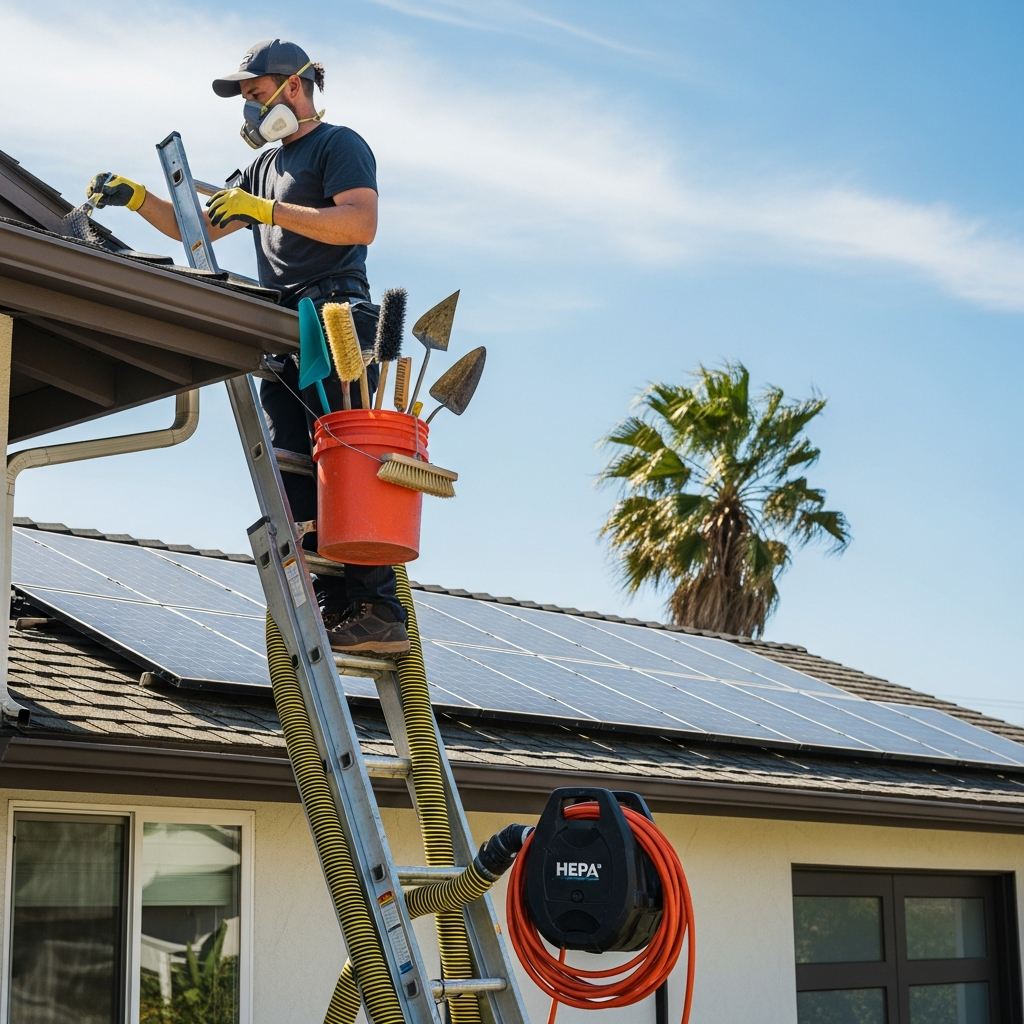
Rooflines are Malibu’s pride and challenge. Shed roofs over beach cottages, low-slope contemporary designs, and complex ridges on hillside homes all collect debris. Make roof and gutter inspections a seasonal habit. Clear valleys and gutters before red flag periods so embers have nothing to ignite and rains have nothing to carry onto siding. While you are there, look closely at flashing, skylight seals, and any place wind-driven debris tends to rest. The goal is twofold: reduce fuel and prevent water intrusion after firefighting or the first storm of the season.
Vents deserve special attention. Attic and crawl-space vents are gateways for embers during wind events. Upgrading to ember-resistant vent screens and ensuring tight weatherstripping around doors—including the garage—reduces indoor smoke intrusion. If you have a whole-house fan or attic exhaust, confirm that dampers close properly and gaskets remain supple; leaks here are invisible until smoke finds them.
Mind the Envelope: Doors, Windows, and Seals
Malibu’s salt air wears out seals faster than inland areas. Inspect door sweeps, thresholds, and window gaskets twice a year. Replace brittle weatherstripping and adjust door latches so they close firmly, limiting gaps where smoke can enter. Consider tempered glass in vulnerable locations and reinforce garage weatherstripping where embers can blow under sectional doors. You are buying time—time for evacuation, time for the house to resist intrusion, and time for cleanup to be simpler if smoke does get in.
Pay attention to screens. Fine-mesh screens can intercept embers and also reduce particulate entry on windy days. Keep tracks clean so windows close tightly when you need them to.
Keep Air Clean: HVAC and Room Filtration
Air is Malibu’s constant companion, and HVAC systems are the lungs of your home. Use high-quality filters and change them on a schedule that matches coastal conditions—often more frequently than inland norms. During red flag warnings or nearby incidents, run the system on recirculate with upgraded filters and deploy portable HEPA units in bedrooms and main living areas. After a smoke event, have returns and supply vents inspected and, if needed, sealed or cleaned before bringing the system fully back online.
Do not forget the smaller helpers: bathroom and kitchen exhaust fans. Confirm they vent properly and backdraft dampers close when off. Clean dust from grilles so airflow is efficient. These simple tasks make post-event deodorization smoother because air pathways are already well managed.
Protect Surfaces and Finishes
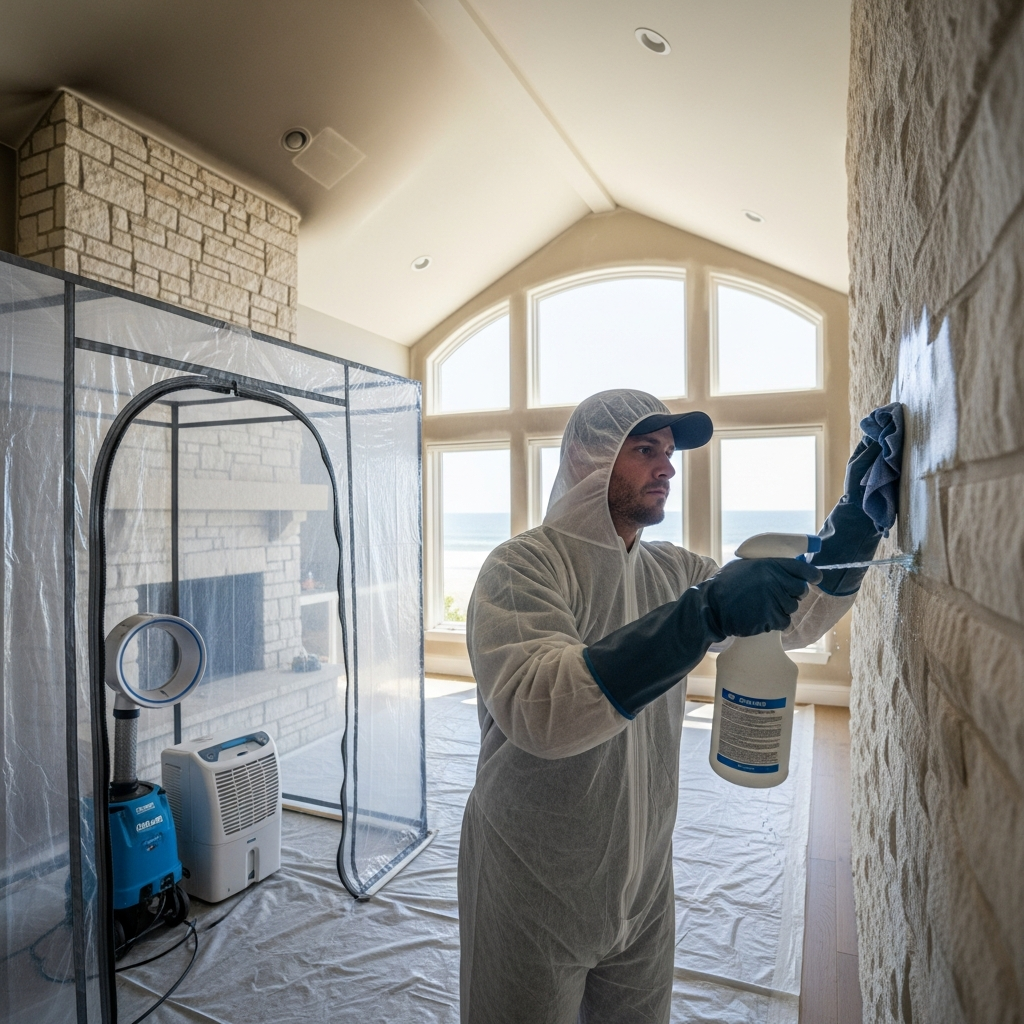
Surfaces tell the story of a house. Keep stone counters sealed according to manufacturer guidance so acidic soot is less likely to etch. Dust with HEPA-filtered vacuums and dry-cleaning sponges in living spaces, especially after windy days, to reduce particulate buildup. For hardwood floors, maintain finish integrity so residue wipes up cleanly rather than sinking into open grain. In rooms with cedar or other aromatic woods, light maintenance oils can help preserve character while making soot removal less abrasive later.
If you collect art or own sensitive textiles, consider protective glass or UV film where sun exposure is strong, and keep climate steady. Stable temperature and humidity not only protect from daily wear but also make post-smoke stabilization more successful.
Landscape with Fire in Mind
Defensible space is not only for inland canyons. Along the coast, embers ride wind like hitchhikers. Trim back vegetation from structures, remove deadfall, and space plantings so flames cannot ladder from ground to eaves. Choose species with higher moisture content near the home and maintain irrigations systems so plants are healthy rather than tinder-dry during peak conditions. Store firewood away from structures and avoid mulch beds up against siding.
Hardscaping can be strategic, too. Paths, patios, and gravel buffers interrupt fire spread. If you are reworking a hillside, coordinate erosion control with plant selection so you do not trade one risk for another when the rains return.
Make Documentation a Habit
Take photos of rooms and major items twice a year and after any renovation. Keep receipts for key furnishings and finishes. This living inventory becomes invaluable if you ever need to file a claim, and it streamlines contents handling because restoration teams can verify what belongs where. Label boxes in garages and storage areas so priority items can be located quickly if a pack-out becomes necessary.
Extend that habit to maintenance logs. Note filter changes, roof checks, and window seal replacements. When a project starts under pressure, a written record turns memory into a plan.
Plan the First 24 Hours Before You Need Them
Nothing steadies a family like a clear first-day checklist. Decide in advance who calls whom, where keys are, which pets travel in which carriers, and which rooms become stabilization priorities if smoke intrudes. Having contact information for local restoration teams at hand—plus a shared understanding of the steps outlined in reputable fire damage restoration resources—turns that first dawn after a windy night from guesswork into guided action.
If you rely on medication, mobility aids, or critical documents, maintain a small go-bag that can live near the door during peak season. Peace of mind is as much a tool as any ladder or filter.
Work with the Weather, Not Against It
Malibu’s microclimates teach us to time our efforts. Schedule roof and gutter cleanouts ahead of forecasted winds. Swap HVAC filters just before Santa Ana periods so you start strong. Plan yard work in the calm mornings and secure tarps or debris before afternoon gusts arrive. After a smoke event, ventilate intelligently when outdoor air improves; do not fling windows open on a day when particulates are still high. Small timing choices compound into cleaner interiors and shorter restoration timelines if services are needed.
When rains follow a fire, walk the property to confirm drains and swales are clear. Sooty runoff is easier to manage with simple barriers and clean grates than with a last-minute scramble in the dark.
Frequently Asked Questions
These are the upkeep questions Malibu homeowners ask most, distilled from years of local experience.
How often should I change HVAC filters in coastal conditions?
More frequently than typical manufacturer minimums—especially during windy months and after nearby smoke events. Inspect monthly and change when loaded; during red flag periods, upgrades to higher-efficiency filters are wise.
What is the best way to dust after a windy day?
Use a HEPA-filtered vacuum with soft tools and dry-cleaning sponges on delicate surfaces. Avoid wet wiping soot; it can smear and set stains. Gentle, frequent cleaning prevents buildup that is harder to remove later.
Which vents are most important to upgrade?
Attic and crawl-space vents should be fitted with ember-resistant screens. Check garage door seals and any louvered vents along side yards where wind channels. The goal is to stop embers and smoke at the perimeter.
Can I do anything to protect stone and metal surfaces?
Keep stone sealed on schedule and wipe metal fixtures regularly to remove salt and soot. If a smoke event occurs, early neutralizing wipe-downs limit corrosion and etching until full cleaning begins.
How do I prepare for a possible pack-out?
Photograph rooms, label storage bins, and keep priority items easy to identify. A current inventory speeds packing and ensures the right items get specialty cleaning first.
What should my first steps be if smoke gets indoors?
Close exterior openings, switch HVAC to recirculate, deploy portable HEPA units, and call for an assessment. Avoid heavy wet cleaning until a plan is in place to prevent pushing soot into porous materials.
Turn Preparation into Peace of Mind
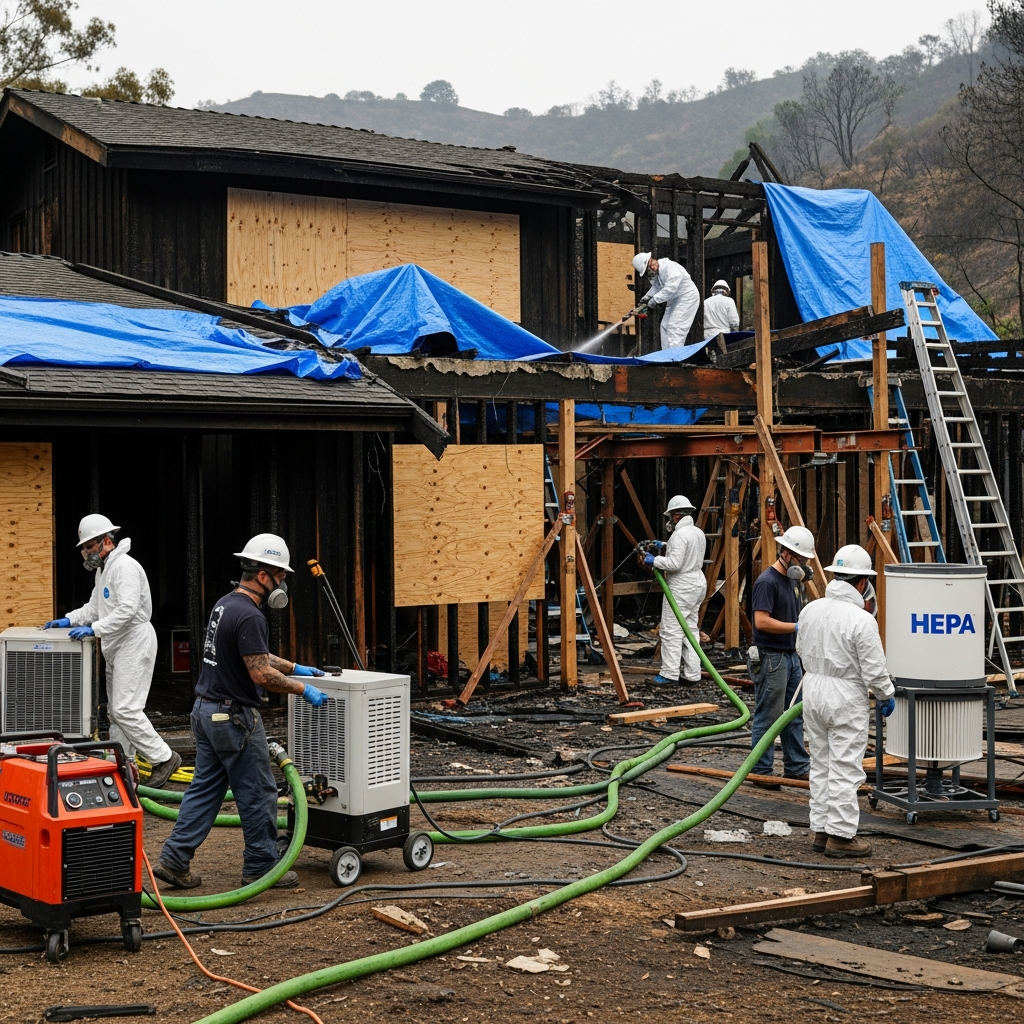
Upkeep is not busywork; it is the backbone of resilience on this coast. By tending to roofs, vents, seals, filters, and the landscape that surrounds you, you shorten any future recovery and protect the character of your home. If the day comes when ash settles on the sill or a faint odor lingers after the wind dies, you will be ready—with a plan, with documentation, and with local partners you can trust. When you want clear guidance from first assessment to the last clean breath of indoor air, connect with nearby experts in fire damage restoration and turn steady preparation into lasting comfort.