The Real-World Issues Malibu Faces After Fire—and How Calabasas Support Helps
Life in Malibu teaches you to respect two forces: wind and time. When the wind turns offshore and the air grows thin and hot, you check your gutters, watch the ridgelines, and keep your go-bag close. When a fire does touch our neighborhoods—on the bluffs above PCH, down a canyon draw, or in a stand of chaparral that has not seen rain in weeks—the clock starts. What happens in the next 24 to 72 hours defines the next several months. In that window, Calabasas-based restoration support becomes more than a convenience; it becomes a practical answer to the issues that make Malibu recovery difficult.
These issues are not theoretical. They are the stubborn realities of access, air, water, materials, and coordination. Surface-level cleaning will not solve them. Instead, a measured approach—born of local experience—keeps problems from multiplying and turns a threat into a path forward, one room at a time.
Issue 1: Access and Logistics on the Edge of the Continent
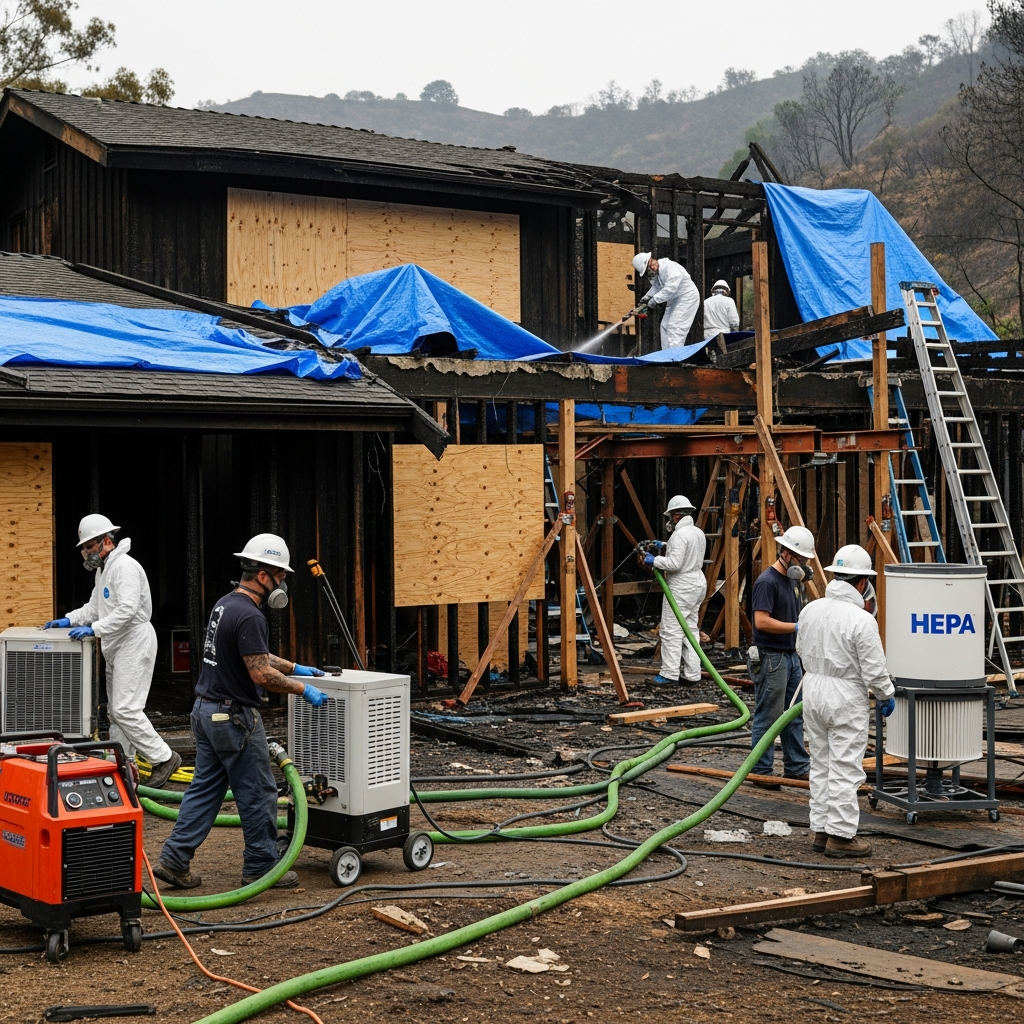
Malibu’s beauty is also its barrier. Narrow roads, canyon closures, and rolling utility outages challenge even routine deliveries, let alone emergency response. After a fire, access dictates momentum. Calabasas crews know how to stage equipment at the 101, how to leapfrog gear down Kanan or Las Virgenes when Malibu Canyon closes, and how to respect neighborhood parking rules while working long days on bluff-top cul-de-sacs. This logistical expertise is the first antidote to paralysis.
Access also affects safety. Coordinating with firefighters, law enforcement, and utilities is second nature to nearby teams who have done it alongside the same agencies for years. They plan around re-entry checkpoints, anticipate traffic pinches on PCH, and synchronize with power restoration so critical equipment runs safely without taxing fragile circuits.
Issue 2: Smoke That Hides in Places We Love
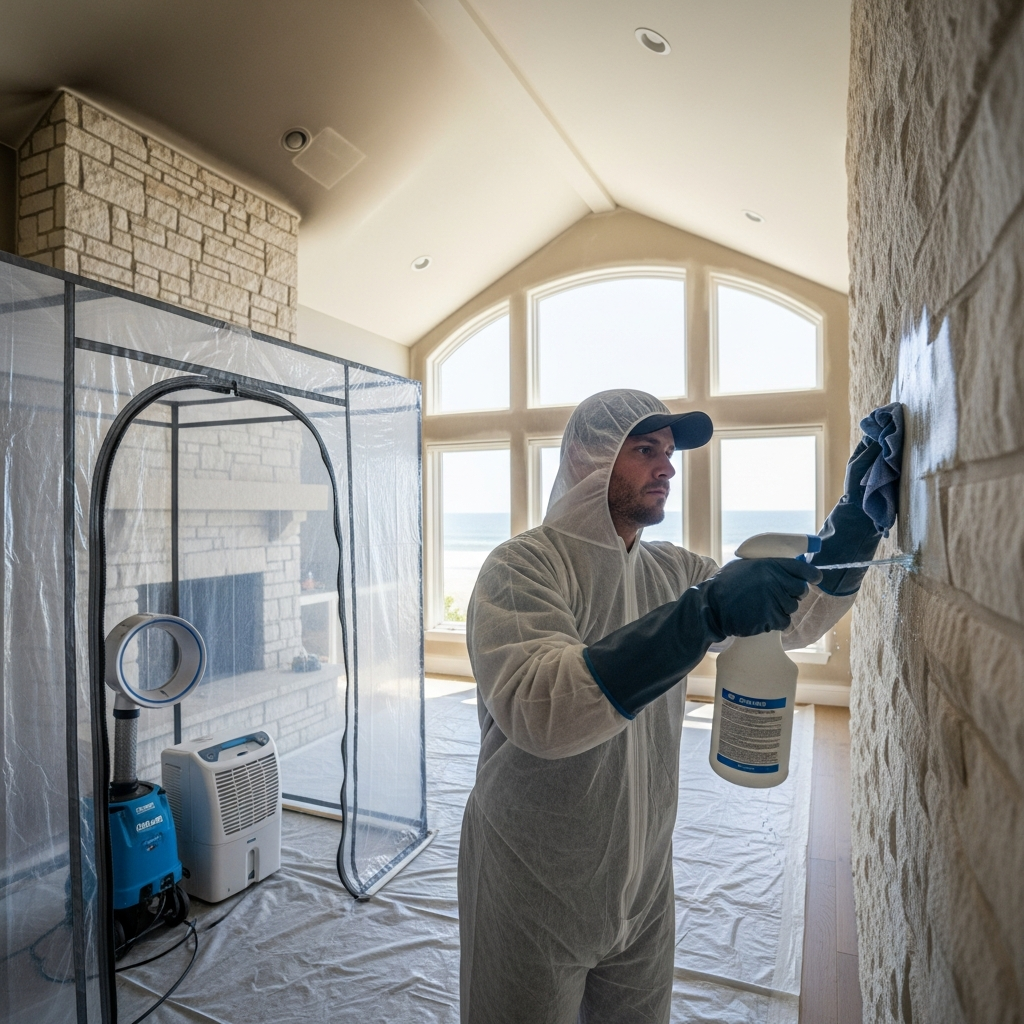
Soot behaves like a guest who refuses to leave. It drifts into attic nooks above tongue-and-groove ceilings, slips under door thresholds, and settles inside cabinet toe-kicks. Malibu’s architecture—open plans, high ceilings, and ocean-to-canyon airflow—creates countless hiding places. The issue is not simply cosmetic; it is respiratory. Fine particulates and odor-causing compounds irritate lungs and moods alike. Calabasas technicians address this with containment, HEPA filtration, and cleaning sequences that start dry and progress to wet only where appropriate, protecting finishes while lifting residues.
Odor removal is just as strategic. Thermal fogging treats concealed spaces when homes are unoccupied, and hydroxyl units work safely where families remain. Deodorization follows the path smoke took, not a guess about where it might be.
Issue 3: Water’s Quiet Aftermath
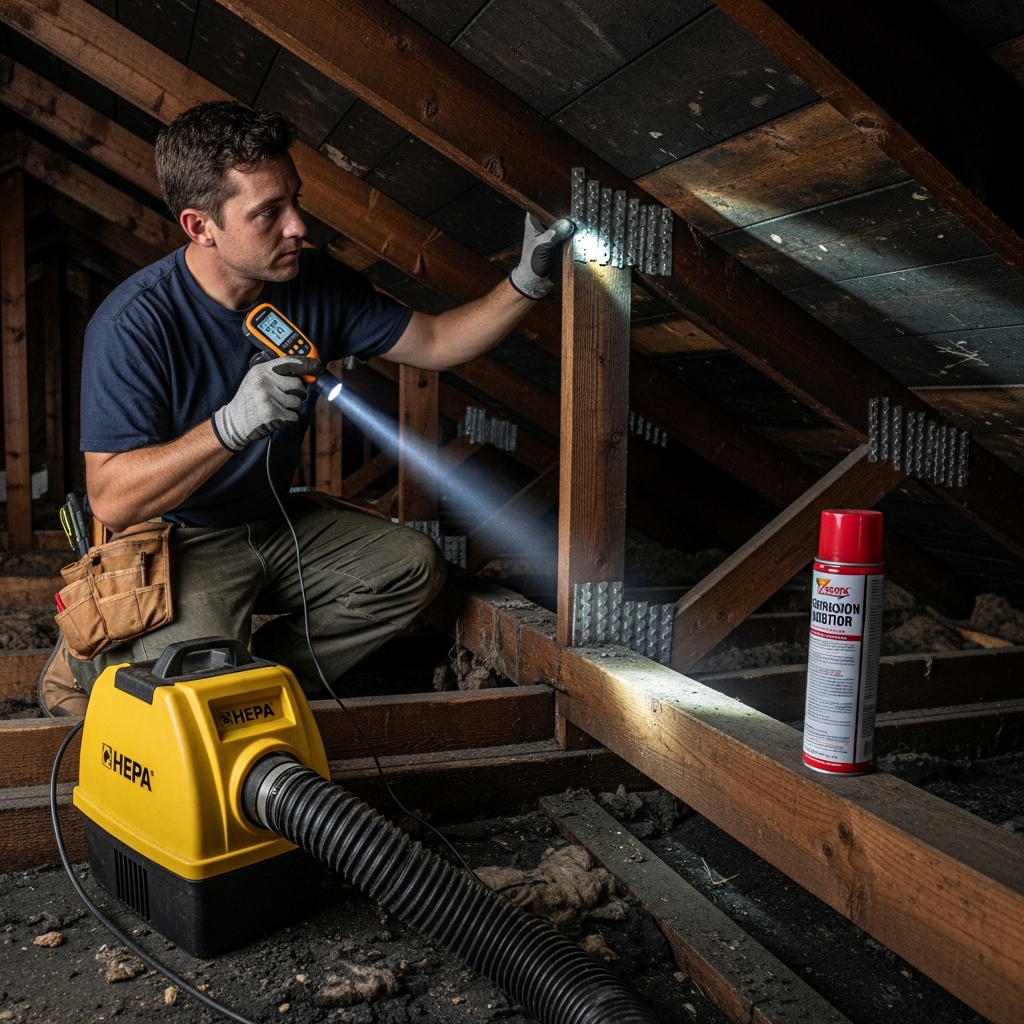
We celebrate firefighters for good reason, and water is essential to their success. Yet water also creates a second crisis if ignored. Damp insulation, soggy drywall, and moisture under flooring form a slow fuse to future problems. Malibu’s coastal humidity adds a twist; ambient moisture can slow drying if not managed. The answer is immediate moisture mapping with thermal imaging and calibrated meters, followed by targeted drying plans. Calabasas crews have learned how to balance dehumidification and airflow so spaces dry thoroughly without warping materials or spreading soot.
When drying and cleaning proceed together, the whole moves faster than the sum of its parts. Timelines shrink, and the risk of odor reappearing from damp cavities fades.
Issue 4: Materials That React Badly to Soot
Acidic residues do not wait. Stainless appliances spot, faucets corrode, and natural stone etches. Malibu homes, where salt air already accelerates wear, feel this acutely. The fix is swift stabilization: gentle wipe-downs with neutralizing solutions, corrosion inhibitors on metal, and early attention to electronics that breathe soot-laden air. The difference between same-day treatment and next-week attention often shows up months later in what still looks and functions like new.
Finishes demand care, too. Venetian plaster, limewashed walls, cedar ceilings, and site-finished hardwoods require a light hand. Nearby restoration teams are practiced at using dry-cleaning sponges, HEPA vacuums with soft tools, and carefully selected detergents that lift soot without locking in stains.
Issue 5: Insurance Complexity During Stress
Fires do not arrive with extra hours in the day, yet insurance suddenly asks for inventories, photos, and material descriptions. The issue is bandwidth. Calabasas-based firms ease this load with barcoded contents tracking, room-by-room photo logs, and scopes written in clear, adjuster-ready language. When documentation is robust, approvals come faster and disputes shrink, keeping the project moving instead of stuck in paperwork.
This clarity also calms nerves. When homeowners can see progress, understand what is next, and know that evidence supports every step, the emotional temperature drops. That, in itself, is a major win.
Issue 6: Environmental Stewardship on Slopes and Shores
We live by world-class beaches and sensitive creeks, which means any cleanup must respect the land under our feet. Ash that looks harmless becomes pollution if rain washes it into drains. Nearby crews plan for this, staging debris correctly, protecting drains with filters and berms, and choosing low-VOC, biodegradable cleaners. On sloped lots above PCH or Encinal, they pair cleaning with erosion control so disturbed soil does not race downhill with the first storm.
Waste handling is equally thoughtful. What can be discarded curbside is separated from what requires special handling, preventing last-minute scrambles and compliance missteps.
Issue 7: Coordination Fatigue in the Middle of the Project
Many homeowners feel supported on day one and relieved at the end, but strained in the middle. Questions pile up: What is done? What is next? Who is waiting on whom? Calabasas teams tackle this by setting milestones, sharing progress photos, and keeping a single point of contact accessible. The project stays legible, which reduces idle days and gives families back a sense of control.
It helps to anchor that communication in a shared reference. Midway through, pointing everyone to a clear overview of fire damage restoration stages keeps expectations aligned and momentum steady.
Frequently Asked Questions
Malibu residents often raise the same core concerns after smoke and flames touch their homes. Here are direct answers grounded in local experience.
How quickly should I bring in a restoration team?
As soon as the property is safe to enter. Early steps—air scrubbing, corrosion control, and moisture mapping—protect finishes and health, and they shorten the overall timeline.
Is it safe to run my HVAC after a smoke event?
Not until it is assessed. Filters should be upgraded, returns inspected, and ducts cleaned or sealed as needed. Running the system too soon can spread soot and embed odors deeper.
Can we live at home during cleaning?
Often yes, with proper containment and HEPA filtration. Zones can be isolated so daily life continues while work proceeds. Where heavy deodorization is required, temporary relocation may be advised.
What belongings are hardest to save?
Porous textiles that sat in heavy smoke and electronics exposed to corrosive soot are most vulnerable. Early stabilization and specialized cleaning improve outcomes significantly.
Will cleaning harm my coastal landscaping?
Responsible methods protect drains, use eco-forward products, and control runoff. Crews also communicate about watering schedules and access to avoid unnecessary stress on plants.
How do I keep momentum when insurance feels slow?
Choose a team that documents thoroughly from the first hour. Clear evidence, adjuster-ready scopes, and consistent communication reduce friction and keep approvals moving.
Take Back Your Space
Fires test our nerves, but they do not define who we are along this stretch of coast. With local, Calabasas-backed expertise, Malibu can tackle access hurdles, clear the air, dry what got wet, and protect the environment that draws us all here. If you are ready for a measured plan that addresses each issue without drama, reach out to trusted specialists in fire damage restoration and start turning today’s ash into tomorrow’s clean slate.