In Malibu, restoration is never just about cleaning a surface. It is about safeguarding the rhythm of life that flows through a home—sunlight across a living room, ocean air cooling an evening meal on the deck, kids’ drawings magneted to a stainless fridge—and then rebuilding that rhythm after it is interrupted by fire. A full-service approach brings every phase under one roof, from the first board-up to the final walkthrough, guided by local knowledge of our canyons, coastline, and codes. When a team trained in fire damage restoration manages the entire arc, the transitions between stabilization, cleaning, contents care, and repairs become smoother, faster, and less stressful.
Experience has taught Malibu homeowners a key lesson: coordination is the quiet engine of success. The work begins before crews step inside, with a safety briefing and an access plan tailored to the property. Are there tight curves near the top of the road? Will tarps need extra anchoring against canyon winds? Is there a neighbor who shares a driveway or a fragile garden that needs protection before equipment moves in? These questions shape the site logistics that, if ignored, can slow progress or cause secondary headaches. Good teams plan for them as a matter of habit.
Stabilization With Precision
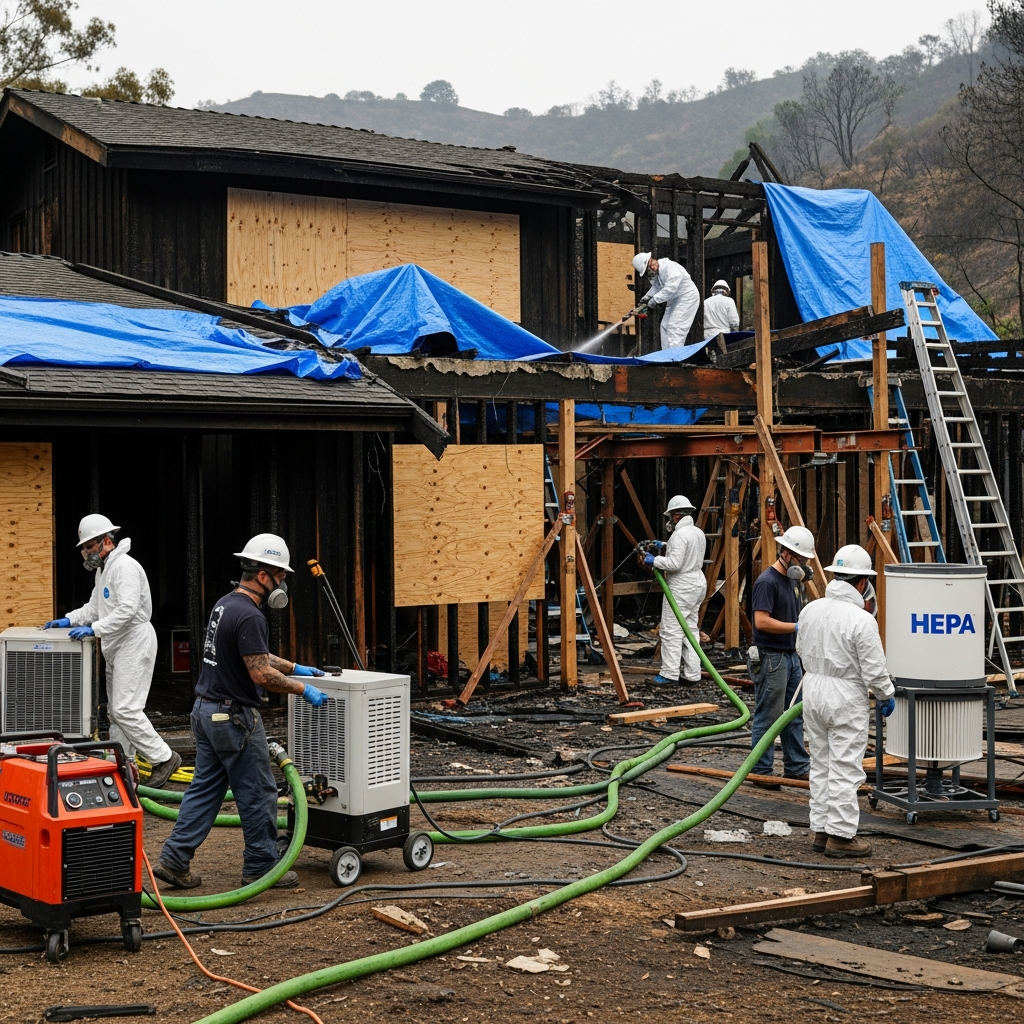
Stabilization comes first and sets the tone for everything that follows. This phase includes structural checks, shutoff verification, and immediate protection for openings and roof areas. In Malibu, where salt accelerates corrosion, exposed metals are treated or covered quickly to prevent avoidable deterioration. Air scrubbers establish cleaner air while crews isolate affected zones to keep residues from migrating. When suppression water is present, extraction and targeted drying begin at once so that hardwoods, cabinetry, and plaster do not absorb more moisture than necessary.
On hillside properties, stabilization can mean shoring at key points while engineers review load paths. Because slopes and piers add variables, experienced teams balance urgency with careful measurement, ensuring temporary supports are both safe and minimally invasive. The dual goals—protect occupants and preserve options for the repair phase—guide every choice.
Cleaning and Odor Neutralization, Room by Room
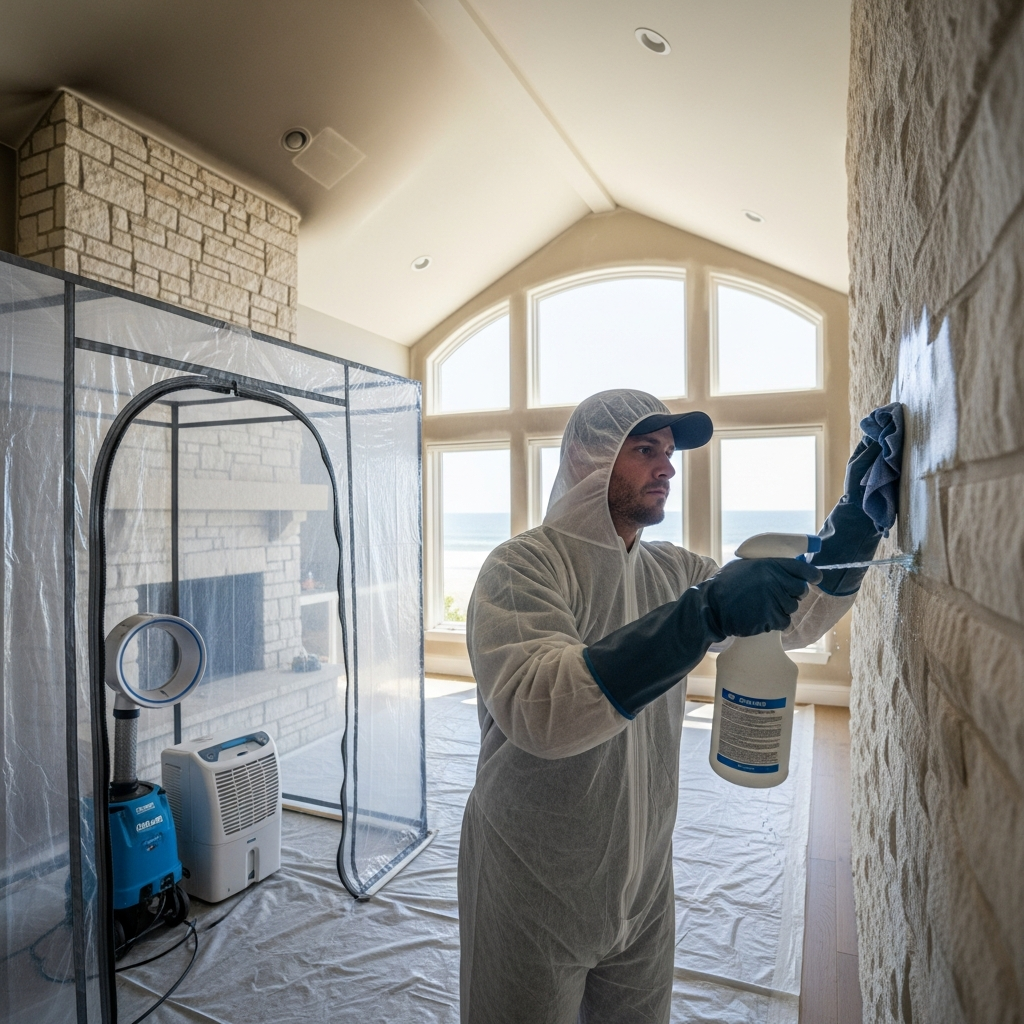
Once the space is safe and air quality controlled, cleaning moves forward methodically. Dry removal captures loose soot, preventing smearing. Tested cleaning agents then lift remaining residues from stone, tile, wood, and metal. The sequence matters, especially with custom finishes. Malibu homes often feature plaster with distinctive movement, handmade tile, and art alcoves that need gentle attention. Source removal is followed by deodorization calibrated to occupancy: hydroxyl treatments are common for continuous, resident-friendly odor control, with other methods applied when the space is unoccupied and conditions allow.
HVAC cleaning deserves its own attention. Returns near high windows and long runs through the attic can harbor soot that will reintroduce odor if left untouched. Filters, coils, and registers are inspected and addressed with care so that the whole house, not just visible surfaces, returns to a neutral baseline.
Contents: Catalog, Protect, Restore
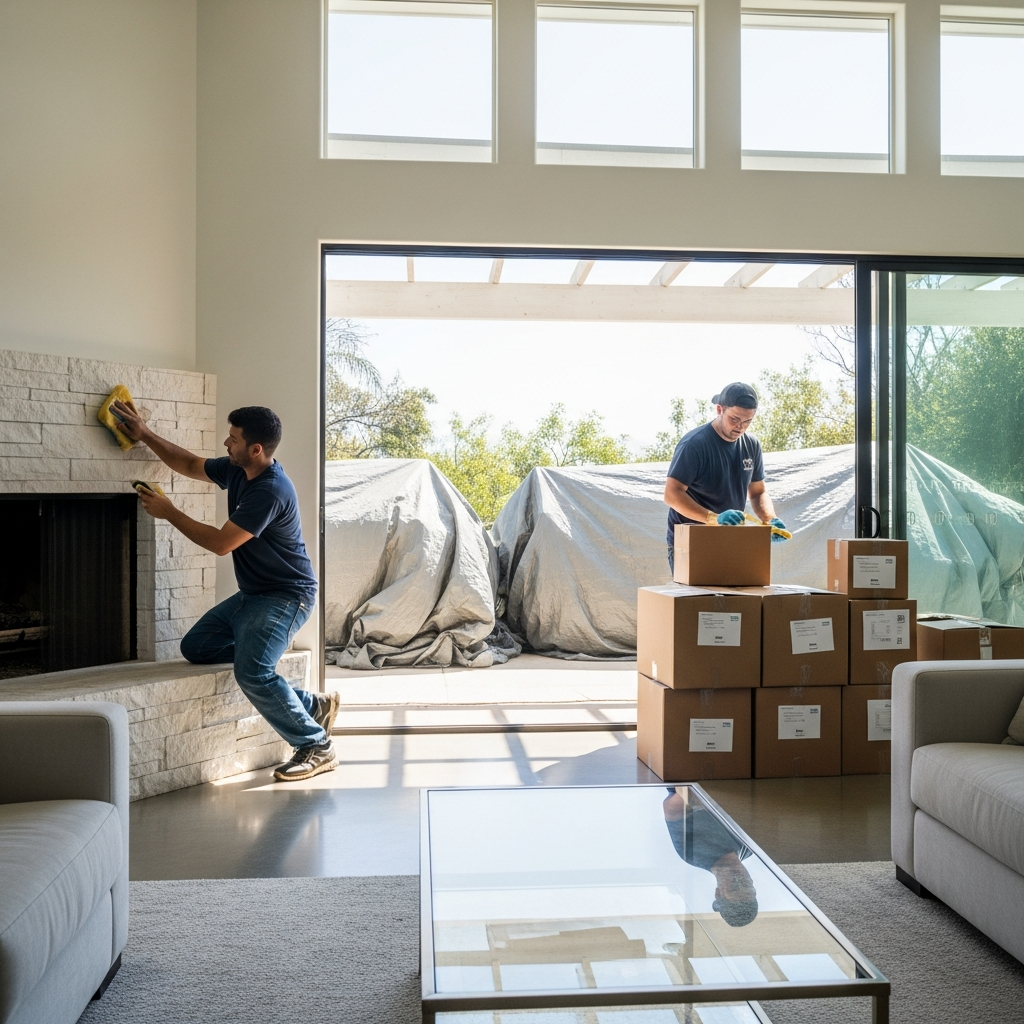
Full-service means your belongings are handled with the same rigor as the building itself. Crews catalog room by room, photographing and tagging items for on-site cleaning or pack-out. Secure, climate-aware storage protects textiles, wood, and electronics from both smoke and coastal conditions. Specialized partners step in for fine art, instruments, or collections where needed, coordinated through a single point of contact so you are not juggling vendors or timelines. The goal is simple: preserve what matters most and return it in ready-to-enjoy condition.
Selective Removal and Preparation for Repair
Not every material can be saved. When removal is necessary, it is performed cleanly and with an eye toward the repair phase. Straight termination lines, protected edges, and precise documentation make it easier for carpenters and finish trades to step in. Subfloors and framing are verified dry and odor-free before they are covered again. By the time repair crews arrive, the environment feels orderly and healthy, with clear notes that explain what was done and why.
Permitting, Approvals, and Malibu Know-How
Repair-ready often means permit-ready. Local experience helps here. Teams familiar with Malibu’s processes anticipate reviews for structural changes, exterior cladding near eaves, and work near sensitive habitats. They schedule inspections with realistic buffers and prepare packets that reflect the property’s specifics, from hillside engineering to wildfire-resilience features. This preparation shortens cycles and keeps momentum steady.
Repair and Rebuild: From Structure to Finish
Once approvals are in hand, the rebuild begins. Framing repairs, insulation and drywall, finish carpentry, and painting proceed in an order that balances efficiency with protection of completed work. When the same provider manages both mitigation and repair, trade overlaps are handled with precision—flooring protection is maintained, HVAC registers remain sealed until the dust-producing phases end, and daily cleanup keeps pathways open and safe. Design decisions made with resilience in mind—ember-resistant venting, improved filtration, and durable exterior details—fit seamlessly because they were anticipated during the assessment and mitigation stages.
Communication as a Project Tool
From the first day to the last, communication ties the phases together. Homeowners receive updates that make sense without industry jargon. Moisture readings, deodorization timelines, and inspection dates are explained before they arrive, and photos back up each milestone. If a trade’s schedule shifts or a material is delayed, you hear it early along with the contingency plan. This steady cadence reduces stress and builds confidence.
Environmental Responsibility
The coastline is Malibu’s pride, and responsible restoration protects it. Debris is handled to prevent runoff, and job sites are kept tidy to respect neighbors and public spaces. Portable containment prevents dust from leaving the work zone, and waste is sorted according to regulations. The mission is to leave not just the home but the surrounding environment cleaner and safer than we found it.
Where Full-Service Shines in the Middle
The middle of the project is where a full-service model proves its worth. With stabilization complete and cleaning well underway, the same team already knows your home’s layout, sensitivities, and goals. Decisions are made faster because context is shared, and small adjustments happen without friction. This is also where best practices in fire damage restoration show their staying power—consistent containment, daily quality checks, and careful protection of finished areas as repairs ramp up.
Final Walkthrough and Aftercare
Completion is more than a handshake. A thoughtful walkthrough confirms that surfaces are clean, systems are functioning as intended, and punch-list items are addressed. You receive guidance on filter changes, ventilation tips during smoky days, and maintenance routines that keep results strong. For many families, this is also the time to talk about light resilience upgrades that align with the home’s character and your lifestyle.
Frequently Asked Questions
Can one company truly handle everything from mitigation to rebuild?
Yes, when the team is structured for it. The advantage is continuity: the same professionals who stabilized and cleaned your space now prepare it for and carry out repairs, reducing handoff errors and accelerating the schedule.
What if my home includes custom materials?
Custom work is common in Malibu. A full-service provider builds cleaning and repair plans around material sensitivities, testing in discreet areas and coordinating with artisans or manufacturers when needed.
How long does a full-service project take?
Timelines vary with scope, approvals, and access. What you should expect is a clear sequence with visible progress and proactive communication about each milestone.
Will I need to move out?
Sometimes, especially when structural work or extensive deodorization is required. When partial occupancy is possible, teams isolate zones and maintain clean pathways to keep daily life moving safely.
How are my belongings protected?
Contents are inventoried, wrapped, and either cleaned on site or transported to secure storage. Sensitive items receive specialized care matched to their materials and exposure.
What happens after the project is complete?
You receive care guidance and documentation. Many providers schedule a follow-up to ensure systems are performing well and to answer any questions that arise as you settle back in.
If your home needs focused help from start to finish, choose a partner who can steady the first day and guide every day after. Reach out to a Malibu team that leads with planning, protects what matters, and rebuilds with care—and if you are ready to begin, connect now for expert fire damage restoration delivered with the continuity and calm a full-service approach provides.