Talking about the financial side of a fire is never easy. In Malibu, where homes often blend custom materials, layered outdoor spaces, and open-plan interiors, the path from damage to restoration includes many moving parts. While every property is unique, homeowners routinely ask what drives the overall investment required to bring a space back to health. The honest, useful answer lies in understanding the factors that shape scope and complexity rather than in blanket estimates. With that mindset, you can make informed choices, reduce avoidable waste, and align expectations with your insurer and restoration team from day one, beginning with proven fire damage restoration methods designed for Malibu’s coastal and canyon conditions.
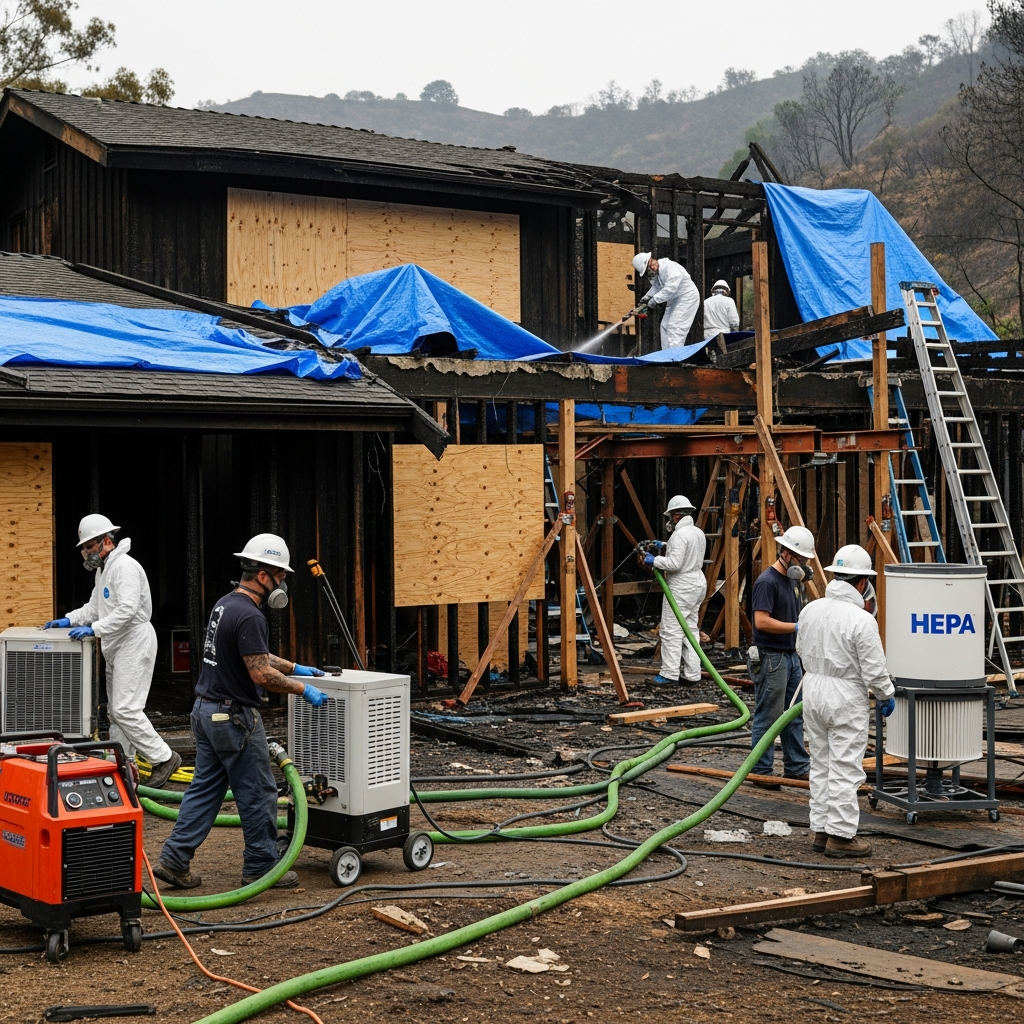
Start with the basics: what burned, how long the exposure lasted, and how far smoke traveled. A small kitchen flare-up contained quickly is a different scenario from a wind-driven event that peppered ash and embers across multiple rooms. Malibu’s geography amplifies these distinctions. Ocean breezes and canyon drafts can carry fine soot into unexpected spaces—attic chases, clerestory windows, beneath cabinet toe-kicks—multiplying the number of surfaces that require attention. Add firefighting water to the picture and you have an additional layer of work to dry, monitor, and, when needed, open assemblies to ensure moisture is not trapped.
Scope Drivers: Structure, Surfaces, and Systems
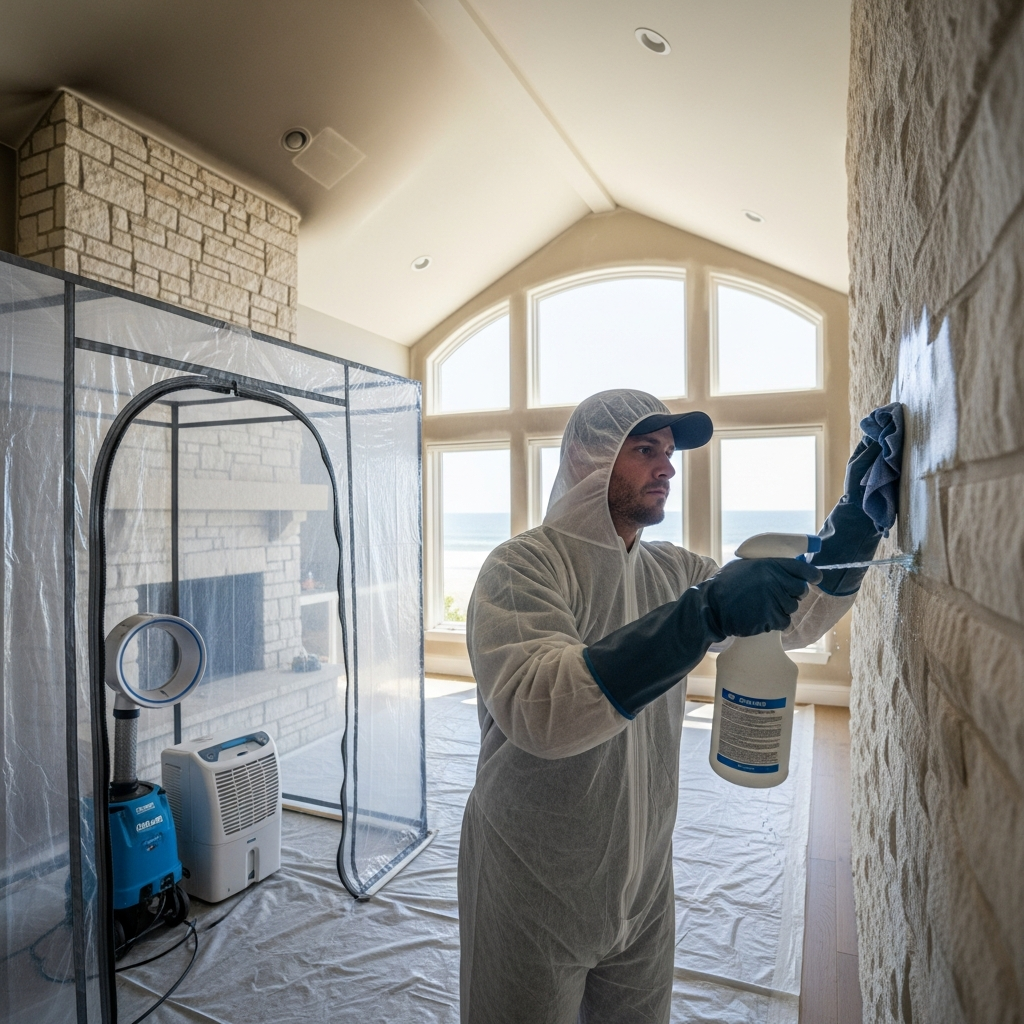
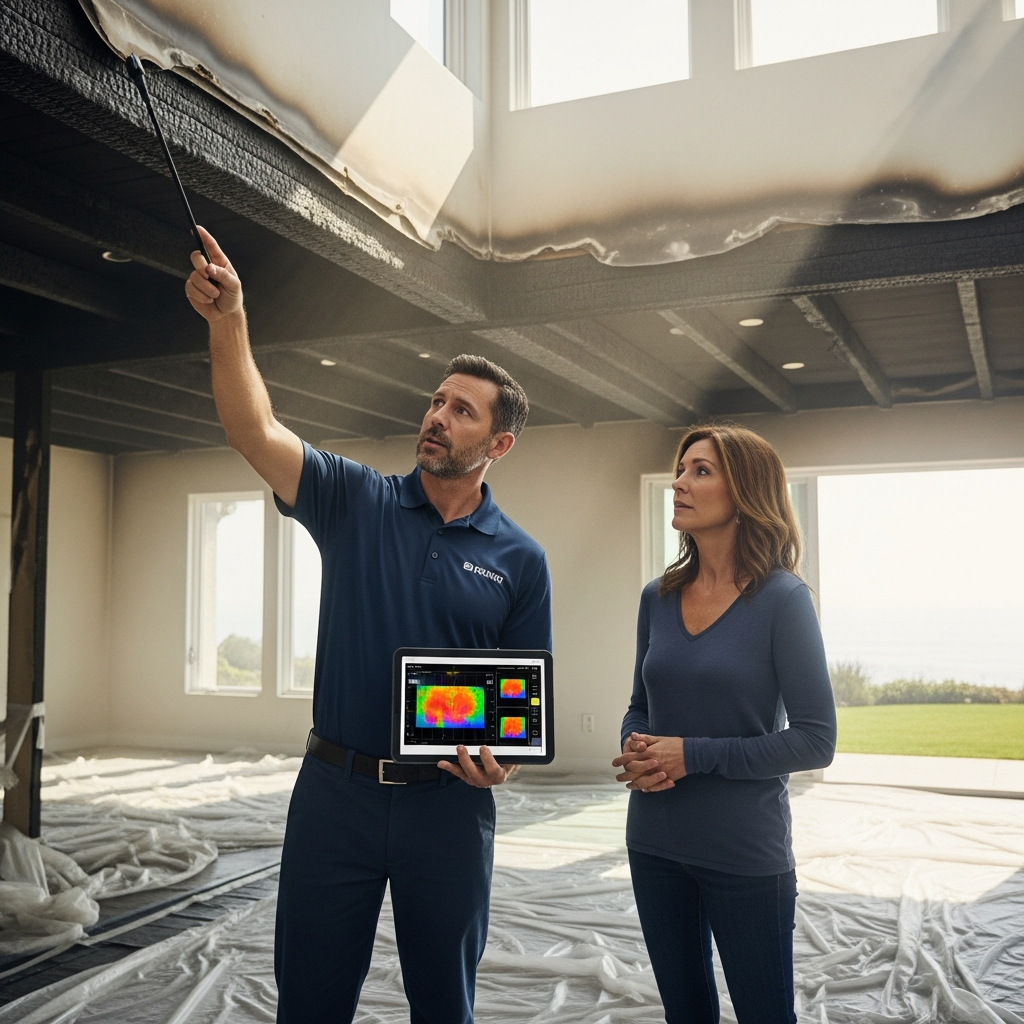
Every project begins with a thorough assessment that translates visual and instrument-based observations into a clear scope. Structural involvement—charred framing, compromised roof trusses, or damage to hillside footings—tends to expand the path ahead because safety comes first. Surfaces matter too. Hand-troweled plaster, custom-cut stone, and wide-plank hardwood each respond differently to soot and cleaning chemistry. The choice between gentle, labor-intensive methods and more aggressive approaches shifts timelines and the degree of protection and masking required during work.
Systems are another major driver. HVAC networks in Malibu homes often span multiple zones, with long duct runs through insulated attics under metal or tile roofs. When smoke infiltrates these systems, filters, coils, and returns require careful cleaning to prevent re-contamination. Electrical components, lighting controls, and low-voltage systems can also be affected by soot or corrosion, especially when salty coastal air combines with combustion byproducts. Evaluations by qualified professionals inform what can be cleaned and what should be replaced to ensure long-term reliability.
Water and Drying: The Invisible Multiplier
Suppression efforts save structures, yet the water applied in minutes can take days or weeks to fully address. In our coastal climate, humidity shifts hour to hour. Drying plans must adapt accordingly, employing extraction, focused airflow, and dehumidification that works with ambient conditions rather than against them. Hardwood flooring, subfloors, and built-ins are monitored closely to confirm stabilization. Where readings remain high, selective removal protects the larger whole. The diligence applied in this phase influences the entire project because it prevents secondary damage that would otherwise expand the work dramatically.
Contents and Specialty Items
Beyond walls and floors, the scope expands or contracts based on what you own and how it was exposed. Fine textiles, rugs, and upholstery may respond well to specialized cleaning that neutralizes odor and lifts residue without compromising dye or weave. Instruments, cameras, and electronics require prompt evaluation, as corrosion advances quietly and can lead to intermittent failures later if left unchecked. Artwork, wine collections, and custom finishes are assessed for both practical and conservation considerations, with restoration paths mapped to expertise that respects provenance and value.
Access, Logistics, and Malibu’s Geography
Logistics play a bigger role here than many expect. Narrow canyon roads, soft shoulders after rain, and periodic closures shape how crews stage equipment and materials. The ability to pivot—using lighter vehicles, scheduling deliveries during open windows, or setting up satellite staging near Pacific Coast Highway—keeps work efficient. These realities influence schedules and coordination efforts, which in turn affect how the larger plan unfolds. Teams with deep local experience anticipate these issues and plan accordingly, reducing friction and delay.
Insurance Alignment and Documentation
Understanding the relationship between your policy and the project scope is critical. Carefully compiled documentation—photos, moisture logs, itemized actions, and material notes—helps align adjusters, homeowners, and contractors. Clearly separating emergency mitigation from repair work clarifies decisions about cleaning versus replacement, and it sets expectations for timelines. When unique materials or custom work are involved, thorough descriptions support like-for-like restoration discussions and avoid confusion later. The more transparent the record, the smoother the collaboration tends to be.
Material Choices During Repair
While emergency mitigation follows well-defined best practices, the repair phase often invites a range of design decisions. Finishes, fixtures, and methods selected for durability and resilience can shape the final timeline and complexity. Malibu homeowners frequently take this opportunity to improve ventilation, update ember-resistant features, and refine outdoor-indoor transitions that impact overall performance during future smoke events. Thoughtful choices here can reduce long-term vulnerability and simplify maintenance without compromising the design language that drew you to the property in the first place.
Time as a Factor
Time cuts two ways. Early engagement prevents avoidable expansion of the work by stopping secondary damage before it takes root. Later, disciplined sequencing maintains momentum and prevents rework. A clear plan maps day-one stabilization to mid-project milestones—dryness verification, HVAC cleaning, contents handling—and on to repair readiness. In Malibu’s shifting weather, flexibility is essential; crews adapt to foggy mornings or windy afternoons while keeping the daily goals in view.
What You Can Influence
Homeowners have more influence than they might imagine. Decisions about access, contents handling, and scope clarity early on shape outcomes. For example, setting aside time for a detailed walkthrough with your restoration lead, identifying priority items, and agreeing on protection strategies for sensitive finishes all streamline the path ahead. Authorizing immediate stabilization and moisture control pays dividends quickly, while patience with methodical cleaning prevents the kind of shortcuts that reintroduce odor or residue later.
Where Professionals Add the Most Value
In a place like Malibu, where homes are often nuanced and varied, professional judgment is a powerful asset. The right team differentiates residue types accurately, selects cleaning methods that preserve finishes, and calibrates drying to the microclimate of your property. They anticipate how coastal air interacts with soot, they protect neighboring properties during debris handling, and they coordinate with inspectors to keep approvals moving. Most of all, they communicate consistently, ensuring you understand the “why” behind each step.
Mid-Project Clarity: The Heart of Progress
Halfway through, when demolition limits are set and cleaning is underway, clarity is your anchor. This is when proactive updates, shared checklists, and visible quality control demonstrate that the plan is working. It is also when true expertise in fire damage restoration shows itself: careful containment to prevent cross-contamination, measured odor neutralization that respects occupancy, and thoughtful preparations for the repair crew that will follow.
Looking Ahead: Building Back With Resilience
Every restoration project is also an opportunity to improve. Venting, filtration, ember-resistant details, and hardscape modifications can all enhance performance during future events. Indoors, upgraded air quality strategies, improved seals around penetrations, and smart zoning help keep spaces comfortable and clean when smoke drifts through the canyons again. These are not choices you must make on day one, but your team should document recommendations as they learn from the building’s response to the fire and to the mitigation work.
Frequently Asked Questions
What most influences the overall scope of work?
Extent of direct fire impact, spread of smoke and soot, and any water introduced during suppression weigh heavily. Building materials, HVAC design, and access conditions in Malibu add important context that shapes decisions.
Why does drying take so much attention?
Water that arrives in minutes can linger in building assemblies for much longer. Prompt, measured drying prevents secondary issues and preserves materials that would otherwise be removed.
Can I decide later which contents to restore?
Some decisions can wait, but items vulnerable to corrosion or embedded odor benefit from rapid evaluation. Early attention protects function and appearance, especially for electronics and fine textiles.
How do I stay aligned with my insurer?
Insist on clear documentation from day one. Organized logs and photos support constructive conversations and help all parties agree on what is necessary and why.
Will Malibu’s coastal air affect my home after the fire?
Yes, salt and humidity interact with soot and combustion byproducts. This can accelerate corrosion and embed odor if not managed with appropriate cleaning and drying strategies.
What signals that a team understands Malibu?
Familiarity with canyon access limits, coastal corrosion, local permitting, and environmental protections. You will hear these realities reflected in their plan and see it in how they stage, protect, and communicate.
If you are sorting through next steps and want guidance anchored in experience rather than generalities, reach out for a clear, customized plan. Begin with a conversation focused on stabilization, air quality, and contents protection, then map the path to repair in plain language. When you are ready to move forward, connect with local experts in fire damage restoration who understand Malibu and will guide you from assessment to renewal with care.