When you call Malibu home, you learn to read the wind, watch the hillsides, and take care of your neighbors. After a fire, though, even lifelong locals can feel unmoored. One of the first questions people ask me, after the smoke settles and the adrenaline fades, is how to make sense of the restoration process, what really drives timelines, and how professionals determine the scope of work without turning your life upside down. While the word “cost” naturally rises to the surface, the wisest starting point is to understand the factors that shape the work ahead. In the paragraphs that follow, I’ll walk you through how seasoned Malibu restorers evaluate damage, protect structures, clean and rebuild, coordinate with insurers and local officials, and keep your recovery moving step by step. If you’re already at the stage of choosing a partner, you can explore a local-focused overview of fire damage restoration in Malibu to understand what comprehensive service looks like in our unique coastal environment.
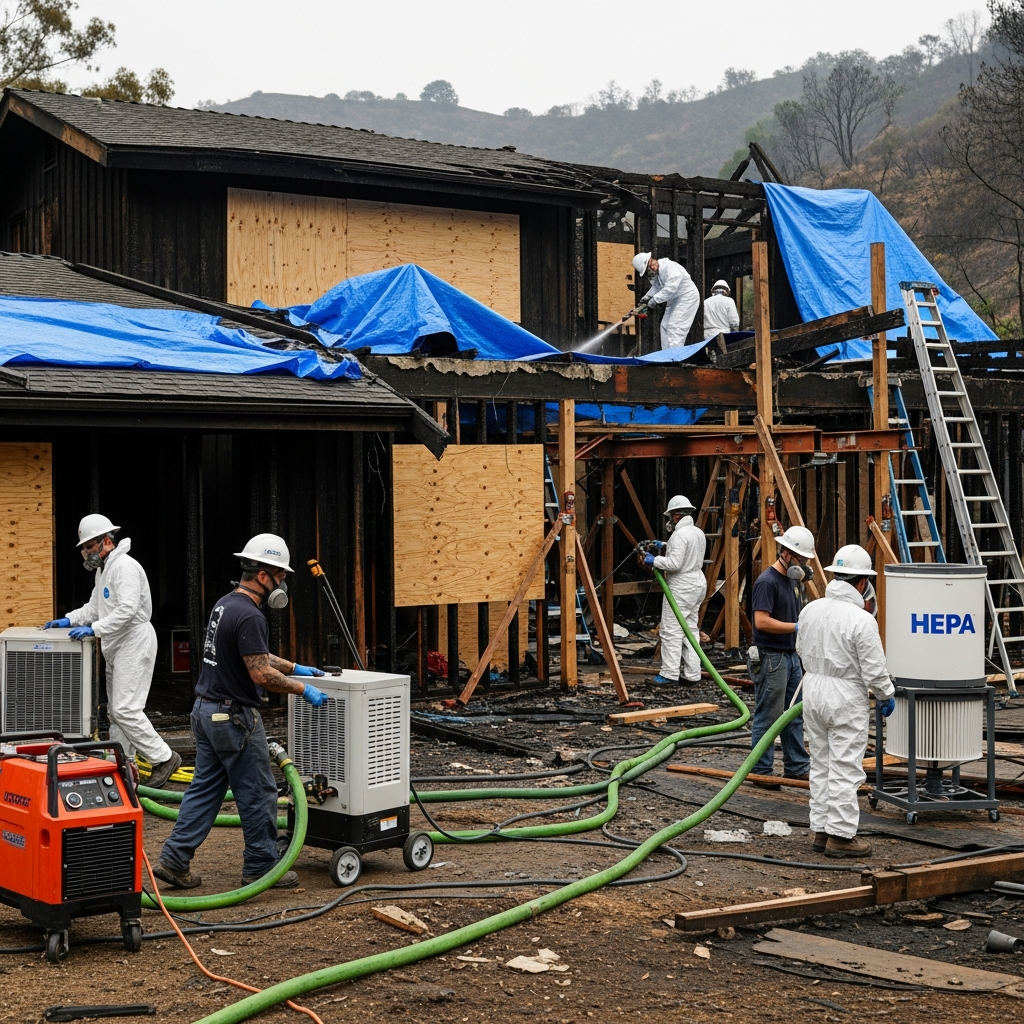
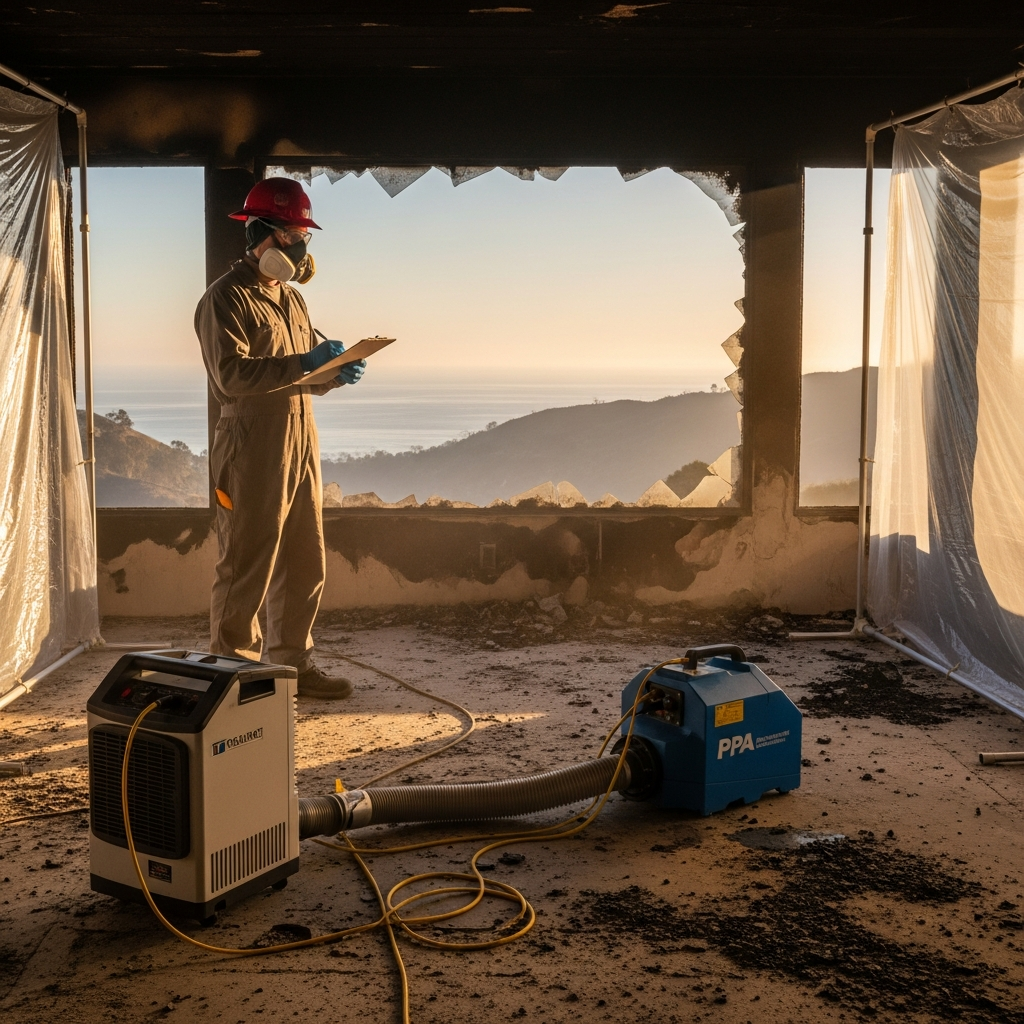
Whenever I step onto a property after a fire, my first priority is stability—both structural and emotional. We secure the site to prevent secondary damage, take photos, and document conditions with the calm and focus that help people breathe easier. What follows is a clear-eyed assessment that looks beyond visible char to the less obvious layers of impact: the heat that weakens framing, the water that saturates subfloors, the soot that infiltrates crevices, and the fine particulates that cling to electronics and textiles. Malibu’s topography, from canyon ridgelines to beachfront lots, adds distinct variables: ocean air that can accelerate corrosion post-fire, steep access routes that affect logistics, and microclimates that influence drying times. A firm grip on these details is the foundation of a reliable plan.
How professionals frame the scope of work
Scope is more than a punch list—it is a narrative of your structure’s experience during and after the fire. We begin with safety, confirming that utilities are capped or stabilized and that walking surfaces are sound. Structural framing gets a careful review because heat can compromise strength even when wood appears intact. Roof assemblies are checked for singeing, missing or warped components, and water intrusion pathways. Windows and doors are examined not just for breakage, but for warping that affects weather resistance. Inside, wall cavities may hold hidden moisture from firefighting efforts; the longer it lingers, the greater the risk of secondary problems that complicate restoration.
Soot behavior tells its own story. In Malibu’s coastal humidity, certain residues can smear and set if touched without the right methods. Dry soot, often from fast-burning materials, responds differently than oily, protein-based residues common in kitchen fires. Electronics and appliances are assessed for corrosive exposure; even a light haze of smoke can shorten the lifespan of sensitive components. Contents—furniture, artwork, area rugs, clothing—each carry their own restoration pathways, from specialized textile cleaning to ozone or hydroxyl treatments for odor control. The more thoughtfully this evaluation is done, the smoother everything unfolds.
Why drying and dehumidification matter early
Water is a quiet force after the flames. Rapid extraction, targeted demolition of non-salvageable saturated materials, and controlled air movement prevent compounding issues. In the canyons, where marine layers roll in and nights can be cool and damp, dehumidification strategies need to be tuned carefully. We use moisture mapping to ensure that cavities behind baseboards and within subfloors aren’t left damp, because those pockets can undermine finishes later. This early moisture discipline keeps the project on track and avoids surprises that ripple through schedules.
Cleaning, deodorization, and material selection
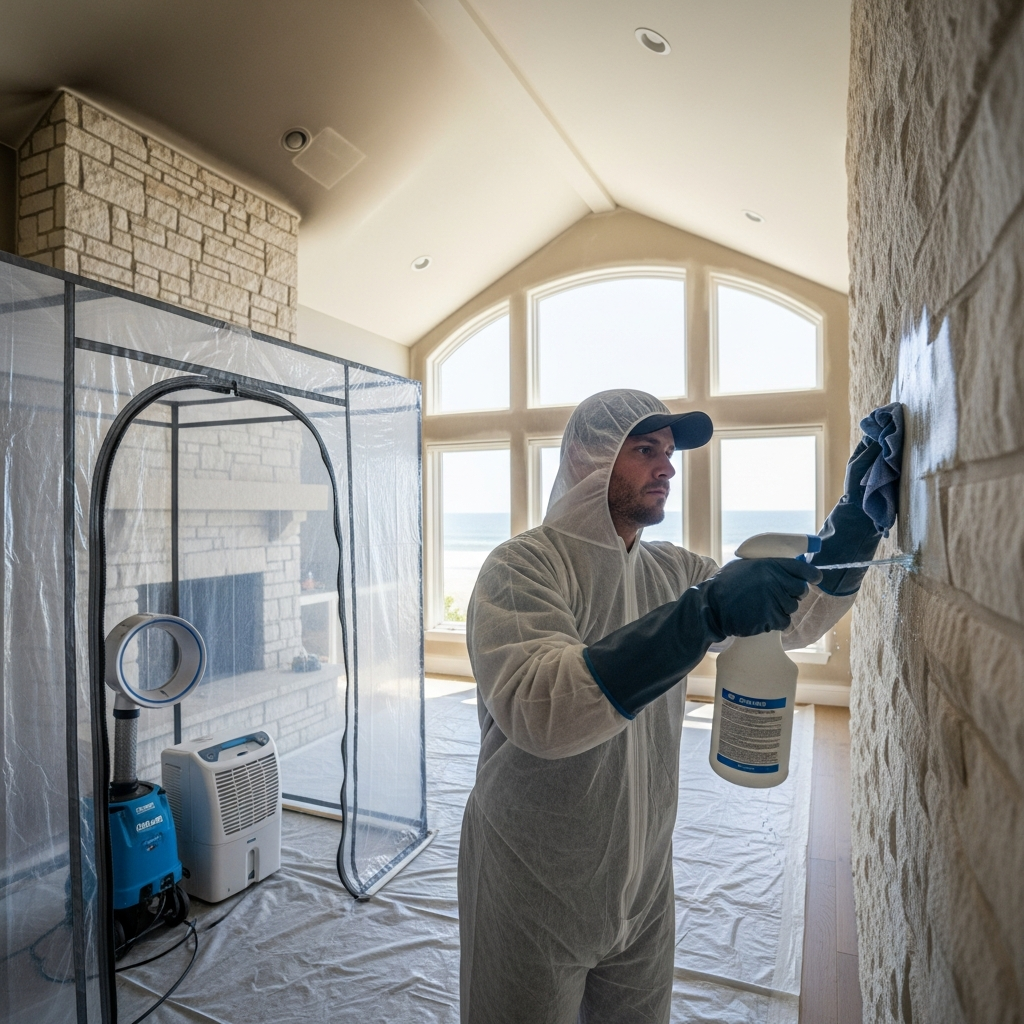
Malibu homeowners are keenly aware of finishes—from salt-tolerant exterior hardware to high-performance interior paints—and restoration work should honor those standards. Cleaning and deodorization begin with containment: negative air pressure and HEPA filtration help ensure particulates don’t migrate into clean areas. Non-porous surfaces may respond to alkaline cleaners, while delicate stonework and artisan tile demand gentler chemistry. For wood, careful dry sponging followed by encapsulation coats can lock in microscopic odor reservoirs. Odor remediation isn’t about masking; it’s about removing and neutralizing odor sources so that a sea breeze doesn’t reawaken memories of the fire months later.
When we replace materials, we balance code requirements, durability, and your aesthetic. Fire-rated assemblies in certain areas, low-VOC finishes for healthier indoor air, and insulation choices that perform well in Malibu’s climate are part of the conversation. The right materials also make future maintenance easier, which indirectly shapes long-term satisfaction with the restoration.
Coordination with insurers and local authorities
One of the most underappreciated parts of fire restoration is orchestration: the steady cadence of communication among homeowners, insurers, adjusters, and local officials. Malibu’s permitting landscape can be direct when you know the pathways, but it is rarely a one-size-fits-all experience. Properties near sensitive habitats or within specific overlays require documentation that clarifies the difference between like-for-like restoration and more extensive reconstruction. Fire restoration professionals who work here routinely can anticipate documentation needs and keep submittals tight and timely. That experience shows in how smoothly inspections proceed and how comfortably homeowners move through decision points.
On the insurance front, clarity is kindness. We create itemized, photographically supported reports, outline recommended methods, and explain the reasoning behind “restore vs. replace” decisions. Contents inventories—meticulous and patient—become lifelines later. When everyone’s reading from the same playbook, approvals arrive without endless back-and-forth, and work flows in an orderly sequence.
Timelines and phasing that make sense
People often ask how long it takes to complete the work. The honest answer is that timelines unfold from the scope: the scale of structural repair, the level of soot infiltration, the complexity of finishes, and the dependencies tied to inspections and material lead times. Malibu’s access constraints—narrow drives, hillside staging, seasonal winds—can also nudge schedules. A well-managed project, however, can create momentum by running tasks in parallel where appropriate: contents processing and structural drying, selective demolition aligned with inspections, and early ordering of long-lead items. Clear weekly check-ins keep the plan visible and help you feel genuinely in control of your own recovery.
What “value” really means after a fire
When neighbors chat about what makes a restoration approach feel right, they rarely focus on line items; they talk about feeling heard, getting proactive updates, and seeing quality show up in the smallest details—the way door casings meet corners, how smoke sealing prevents that faint campfire note on hot days, how personal items are handled with respect. In Malibu, value also looks like resilience: better-vented attics, ember-resistant vents, smarter landscaping coordination, and practical preparedness tips for the future. These are the quiet wins that support peace of mind long after the final walkthrough.
Midway through many projects, homeowners want a reality check—are we on track, is the air quality where it should be, have we caught every pocket of odor? That’s a perfect moment to revisit the overall plan with your contractor and confirm that containment, HEPA filtration, and odor neutralization are still dialed in. If you’re weighing whether to bring in additional help or seek a second opinion, reviewing a guide to local fire damage restoration in Malibu can sharpen your questions and reaffirm that the approach being taken suits the home and the neighborhood.
Common decision points along the way
Several crossroads tend to appear in most Malibu fire restorations. The first is the extent of selective demolition: removing only what’s necessary preserves character and speeds return, but it must be balanced against the risk of leaving hidden contamination. The second is contents triage: deciding what to restore, what to store, and what to let go. A thoughtful team will explain how various materials respond to cleaning, what sentimental items deserve priority treatment, and how to set aside a small “daily life” kit so routines can restart, even if you are temporarily displaced.
Another decision point revolves around finishes. Do you re-create the exact details or take the opportunity to update for durability and maintenance? In coastal Malibu, for instance, choosing hardware and fixtures that resist corrosion pays dividends, and opting for smoke-resistant paints in key areas can help prevent future odor absorption. Finally, there’s the home’s story: capturing the restoration in a slim record—photos before, during, and after; notes about materials and methods—can be a gift to your future self or a new owner. It reflects pride in place and strengthens the continuity that makes our community so resilient.
Preparing for future seasons
It’s natural to want to turn the page once restoration is complete, but a small investment of attention can ease the next Santa Ana season. Consider gutter guards that shed leaf litter, regular roof and deck sweeping, and ember-resistant vent upgrades. Walk your property with a critical eye: do fences or outbuildings create ember traps, do window screens fit tightly, does landscaping maintain the right spacing from siding? These are approachable steps that fit into regular home care, and your restoration contractor can often point out quick wins during the final walkthrough.
Finding the right partner
Trust rises from clarity and competence. The right team will show you their containment plan before they set up a single barrier, explain why they choose one deodorization method over another, and tell you what you’ll notice at each phase. They’ll clean up thoroughly at day’s end, treat your home like it’s their own, and return messages promptly. If you’re comparing options, request sample documentation from recent Malibu projects and ask how they navigated access, permitting, and neighborhood sensitivities. That local fluency matters more than any flashy promise, because it translates to fewer surprises and steadier progress.
FAQ: Your questions, answered
How quickly should restoration start after a fire? Prompt action is crucial. Securing the property, evaluating structural safety, and beginning moisture control all help prevent further deterioration. A swift start also creates a clear record of conditions, which supports insurance collaboration.
Can smoke odors ever be fully removed? Yes, when odor sources are properly identified, cleaned, and, when necessary, sealed or replaced. True deodorization pairs targeted cleaning with technologies like HEPA filtration and hydroxyl treatment, rather than relying on fragrances.
What personal items are most salvageable? Non-porous items and many textiles respond well to specialized cleaning. Books, artwork, and electronics require careful evaluation; with the right methods, many can be recovered. Items with heavy charring or deep soot penetration may be safer to replace.
How do Malibu’s coastal conditions affect restoration? Salt air can accelerate corrosion on metals and electronics, and humidity influences drying timelines. Methods and materials are selected with these conditions in mind to protect both speed and quality.
What should I expect during inspections? Inspections confirm that structural, electrical, and mechanical systems meet safety standards. A prepared contractor will schedule efficiently, provide documentation, and accompany inspectors to address questions on the spot.
Will I need to move out? It depends on the extent of damage and the presence of odors or particulates. Many families relocate temporarily during heavy demolition and deodorization phases, then return once air quality stabilizes and living areas are secure and clean.
How can I keep the project on schedule? Clear communication, decisive approvals, and early selections of finishes help. Your contractor should provide a straightforward roadmap with weekly updates so you understand dependencies and milestones.
What happens if new issues are discovered mid-project? Responsible teams document findings immediately, explain the implications, and propose options. The goal is to adjust swiftly while minimizing disruption and keeping the broader timeline steady.
When you’re ready to steady the ground and move forward with confidence, choose a team that’s present, communicative, and deeply familiar with our community’s rhythms. If you want a simple place to start, review what comprehensive fire damage restoration in Malibu entails, then reach out to schedule a walkthrough. We’ll listen, map a clear path, and stay with you until your home feels like home again.