After a fire, choosing the right restoration company in Malibu is as consequential as any decision you will make. The quality of response in the first days can set the tone for the entire project—how well smoke is contained, how quickly water is managed, and how thoroughly your home’s character is preserved. Malibu’s setting magnifies the stakes. Coastal air accelerates corrosion, canyon winds push smoke unpredictably, and our homes often blend modern openness with traditional materials that react differently to heat, moisture, and soot. Selecting a partner who understands these dynamics is the difference between a bumpy recovery and a confident return to normal life.
Begin with presence and responsiveness. In the immediate aftermath, you need a team that shows up ready to act, not just assess. Securing the property, coordinating utilities, and starting source removal of soot can happen quickly when a company is truly equipped for emergency work. This is also the moment to invite expertise in fire damage restoration, because early choices—what to remove, how to ventilate, how to dry—shape your home’s recovery for months to come.
Local Knowledge Matters
Malibu is not a generic environment. The coastal microclimate encourages corrosion, and the interplay of hillside and shoreline homes changes how smoke travels and where residues collect. A company with deep local experience anticipates these factors, adjusting containment and ventilation on the fly and protecting vulnerable finishes from salt-laced air. They know the realities of access on canyon roads and the logistics of staging equipment on tight lots or steep driveways. This fluency becomes visible in little decisions that add up to better results and fewer surprises.
Relationships within the community matter, too. Teams who collaborate well with local building officials, environmental consultants, and specialty trades keep momentum going. When repairs begin, that network helps match materials, schedule efficiently, and maintain the aesthetic integrity that Malibu homes deserve.
Technical Competence You Can Feel
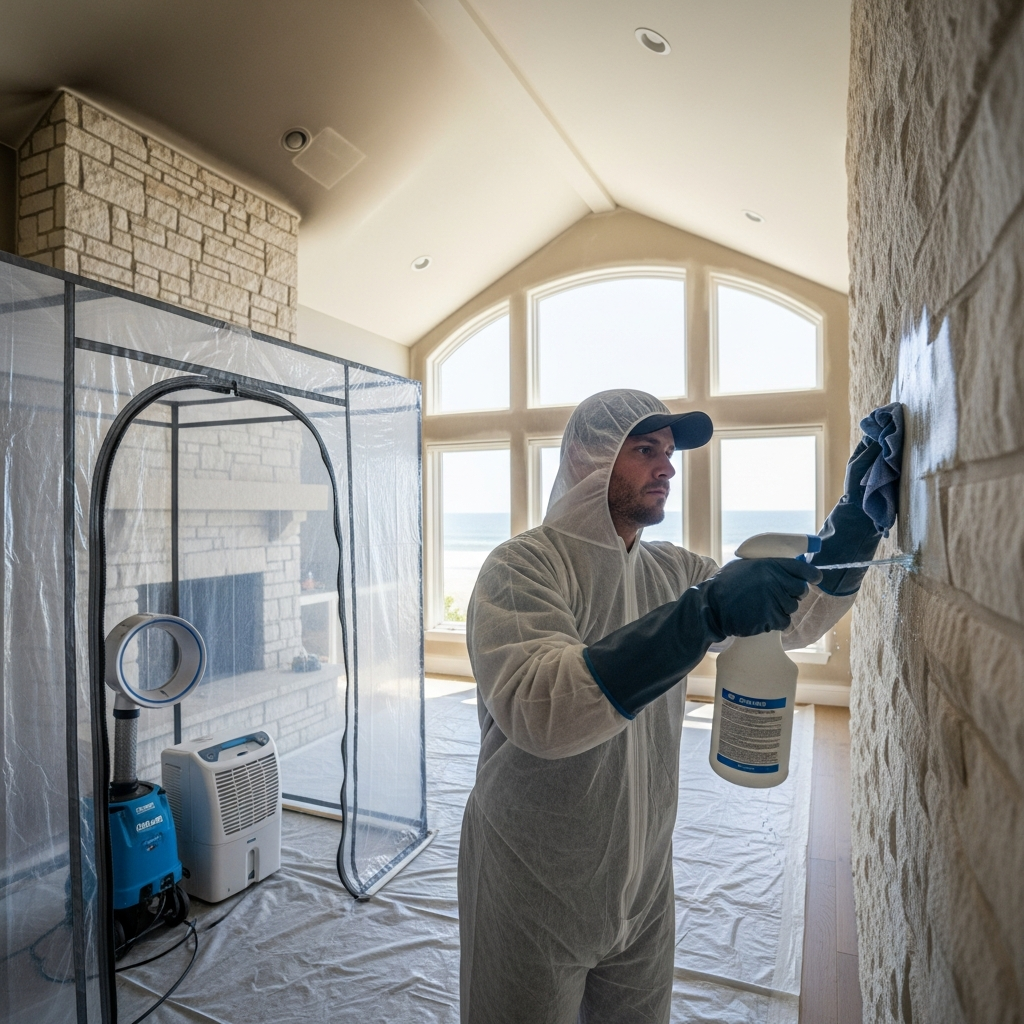
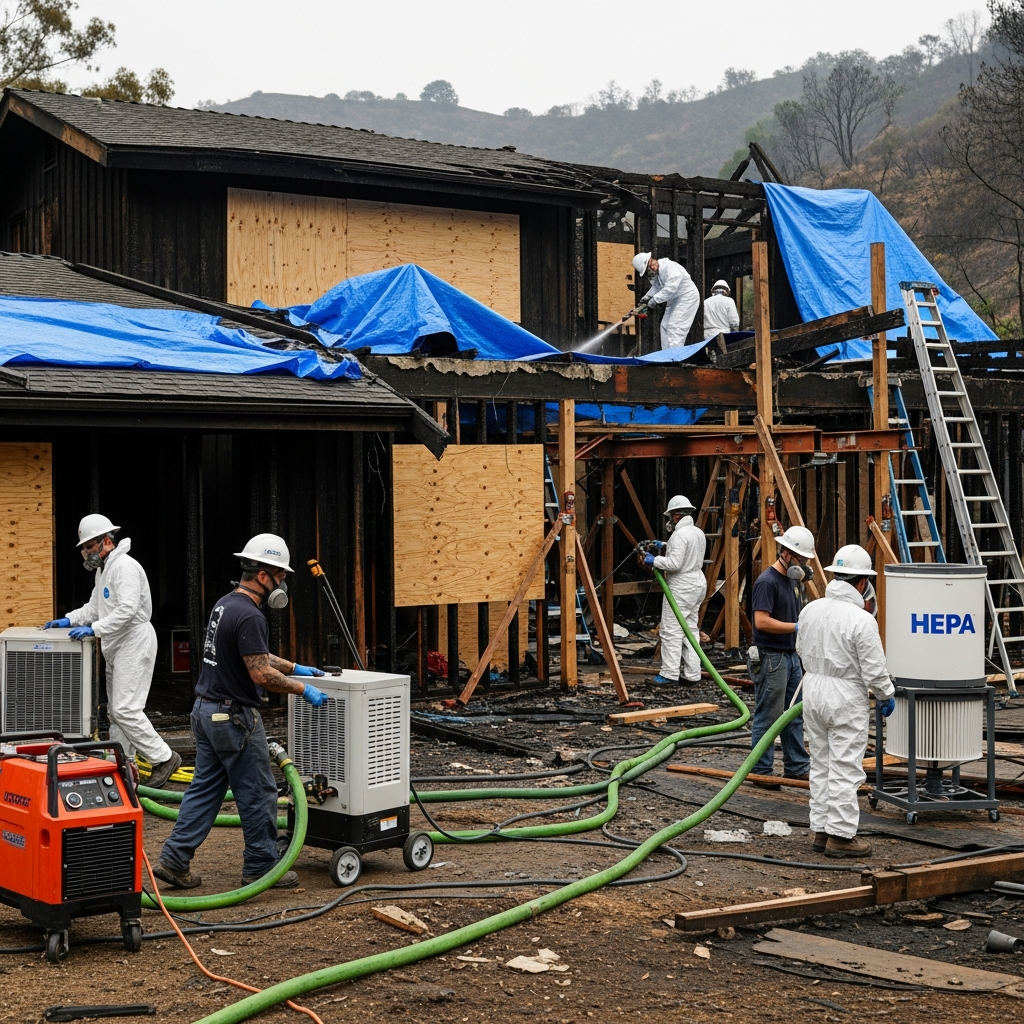
Restoration is a craft rooted in science. You should see moisture meters, thermal imaging, and daily logs that show targets and progress. You should hear clear reasoning for cleaning choices based on residue type and surface sensitivity. You should feel the air quality improve as HEPA filtration and proper ventilation remove particulates and odors from your living spaces. Competence is not a promise; it is a pattern of evidence that your senses can verify.
Ask about how the company sequences drying and cleaning to avoid cross-contamination. The best teams choreograph these steps so that drying does not aerosolize soot and cleaning does not drive residues deeper into porous materials. Their goal is consistent: protect health, preserve structure, and expedite a return to livability without cutting corners.
Respect for Contents and the Story of Your Home
Your belongings hold meaning—books from a favorite shop on the PCH, surfboards that have seen a hundred dawn patrols, a painting that caught the afternoon light just so. Skilled companies handle contents with empathy and expertise. They make smart decisions about what to clean on-site versus what to pack out, and they inventory meticulously so that items return to you intact and accounted for. Specialized cleaning for textiles, electronics, and fine art is coordinated thoughtfully, reflecting a commitment to both function and sentiment.
This same respect extends to architectural details. Malibu homes often incorporate custom millwork, artisan tiles, and premium finishes. The right partner protects these elements during mitigation and restores them with craftsmanship during repairs, preserving the feeling that drew you to the space in the first place.
Communication, Transparency, and Trust
A hallmark of a good restoration company is clear, consistent communication. You should know what is happening, why it is happening, and what comes next. Documentation—photos, readings, and notes—creates transparency and supports insurance coordination. When the plan changes, you deserve a straightforward explanation that connects new information to revised actions. This is how trust is built: through honesty, predictability, and visible progress.
Trust also flows from alignment with your priorities. Maybe a particular room needs to come back online first, or certain belongings require expedited attention. A responsive company incorporates those goals into the plan instead of treating restoration like a one-size-fits-all checklist.
Safety and Professional Standards
Fire scenes carry hazards: compromised structures, airborne particulates, and, at times, contaminants formed by the fire itself. Confirm that crews follow robust safety protocols, wear appropriate PPE, and establish containment where needed. Ask about training, certifications, and how the team stays current with evolving best practices. Professionalism shows up in cleanliness on site, respect for your property, and a methodical approach that keeps workers and occupants safe while work proceeds efficiently.
Security is part of safety, too. Temporary board-ups, controlled access, and thoughtful protection of cleaned areas ensure that your home’s condition improves steadily rather than seesawing with each phase.
What the Best Projects Have in Common
Whether the loss is large or small, the best Malibu restorations share certain traits. They begin promptly with stabilization and source removal, proceed with measured drying that is tracked and validated, and apply cleaning and deodorization techniques matched precisely to the residues and materials at hand. They treat HVAC systems as integral to success, not an afterthought. They coordinate with insurers and trades in a way that keeps momentum. And, crucially, they protect the aesthetic quality of the home from the first day of mitigation through the last day of repairs.
As a homeowner, you can sense when a team is operating at that level. The site feels orderly, the air grows cleaner, and progress is tangible in the way rooms transform from smoky and damp to crisp and livable.
Questions Worth Asking
When you interview companies, listen for how they answer, not just what they say. How will you balance drying and soot removal to prevent cross-contamination? What is your plan for HVAC and ductwork? How do you protect high-end finishes during cleaning? How do you track moisture and confirm deodorization? These are invitations for the company to show you their process. The best answers will be specific, rooted in experience, and tailored to Malibu’s climate and construction styles.
It is also appropriate to ask about contents handling, from documentation to specialty cleaning partners. If you have valuable items—art, instruments, collections—share that information early so the plan reflects those priorities from day one.
From Emergency to Finish Line
Choosing well does not just affect week one; it determines the quality of week ten and month three. A company that treats mitigation and repair as a single continuum will preserve the cleanliness achieved early on, sequencing trades and maintaining protection until the final walkthrough. That continuity is what delivers a home that not only looks right but feels right—free of odor, free of hidden moisture, and faithful to its original design.
Mid-project check-ins are healthy. Invite the team to explain progress markers, show moisture readings, and articulate next steps. Ask them to connect the dots between decisions and results so you remain confident that the project is moving with purpose—consistent with established fire damage restoration practices that produce lasting outcomes.
Frequently Asked Questions
How quickly should a restoration company respond after a fire?
Ideally within hours of safe access. Early action prevents secondary damage, stabilizes the property, and lays the groundwork for efficient cleaning, drying, and deodorization. In Malibu’s climate, swift response is especially important to limit corrosion and humidity-related issues.
What signals competence during the first visit?
Clear safety checks, thorough documentation, strategic containment, and a plan that integrates drying with soot management. You should see measuring tools, hear logical sequencing, and feel that the air is being actively cleaned.
Do I need a pack-out for my belongings?
Not always, but it is often beneficial when smoke and moisture are widespread. Pack-out enables faster structural progress and allows specialized cleaning for textiles, electronics, and valuables. A good company will explain the rationale and process clearly.
How will the company address HVAC contamination?
Expect filter replacement, cleaning of returns and registers, and evaluation of ductwork. The goal is to prevent reintroduction of particulates and odor into spaces that have already been cleaned and deodorized.
What ensures the results will last?
Measured drying to target levels, source-focused deodorization, protection of cleaned areas during repairs, and transparent documentation of each step. Lasting results are built on process discipline as much as on tools and products.
If you want a path from upheaval to assurance, choose a Malibu team that blends urgency with craftsmanship, science with empathy, and planning with follow-through. Begin today by contacting trusted professionals in fire damage restoration who will respond decisively, communicate clearly, and guide your home all the way back to comfort.