Living high on a Malibu hillside has a magic all its own—expansive ocean views, quiet mornings, and starlit nights. It also means a home that interacts constantly with wind, sun, and slope. When fire or smoke comes through, those same forces shape how damage spreads and how recovery should proceed. I’ve navigated switchback driveways above Latigo, hauled equipment up narrow stairs where trucks can’t reach, and watched embers ride updrafts to settle unexpectedly on sheltered decks. The best approach to fire damage restoration in Malibu’s hillside homes blends technical skill with an intimate understanding of our terrain.
Hillside properties don’t just sit on a slope—they breathe differently. Wind funnels along canyons, creating eddies that deposit ash on one side of a home while leaving the other almost untouched. Elevated decks act like shelves where embers rest and smolder. Attic cavities can be complex, laced through with skylight chases and clerestory windows that invite smoke. Each of these realities guides the plan from day one.
Access and stabilization tailored to the slope
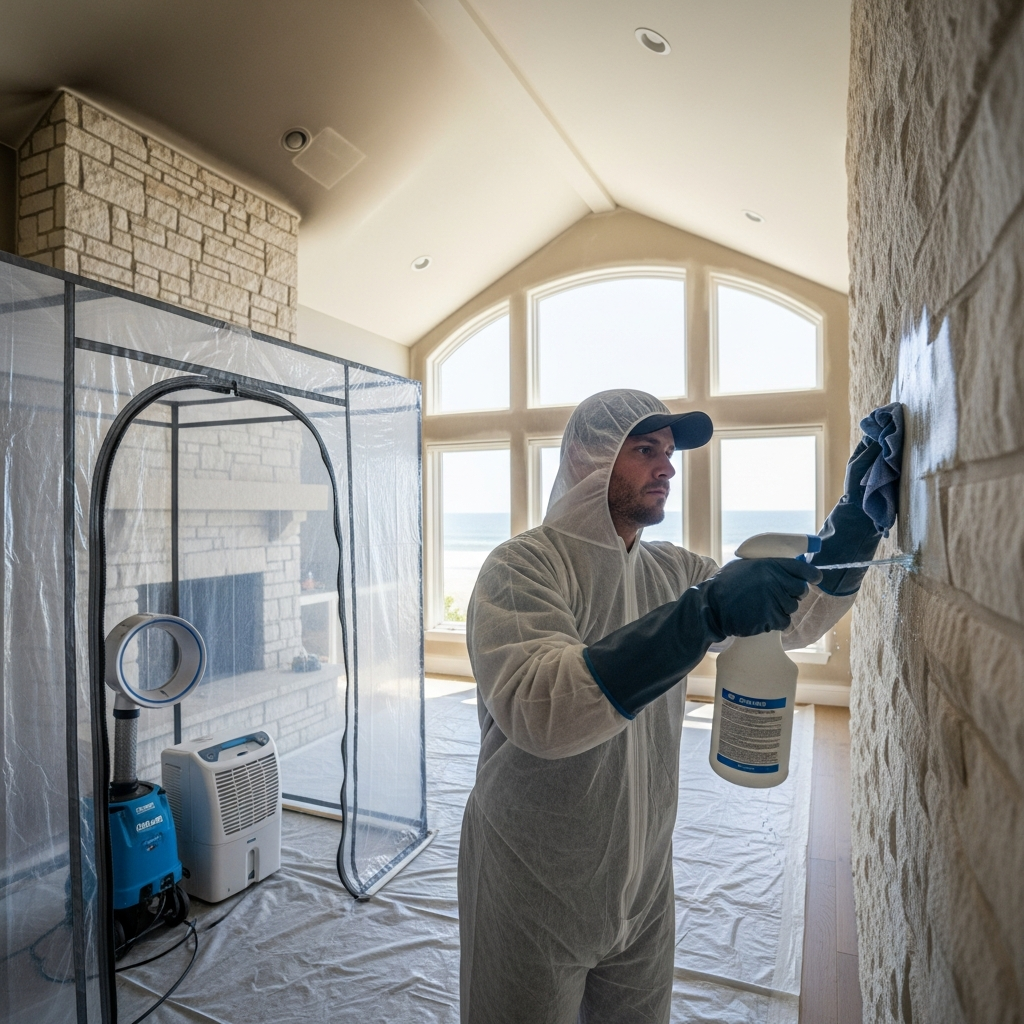
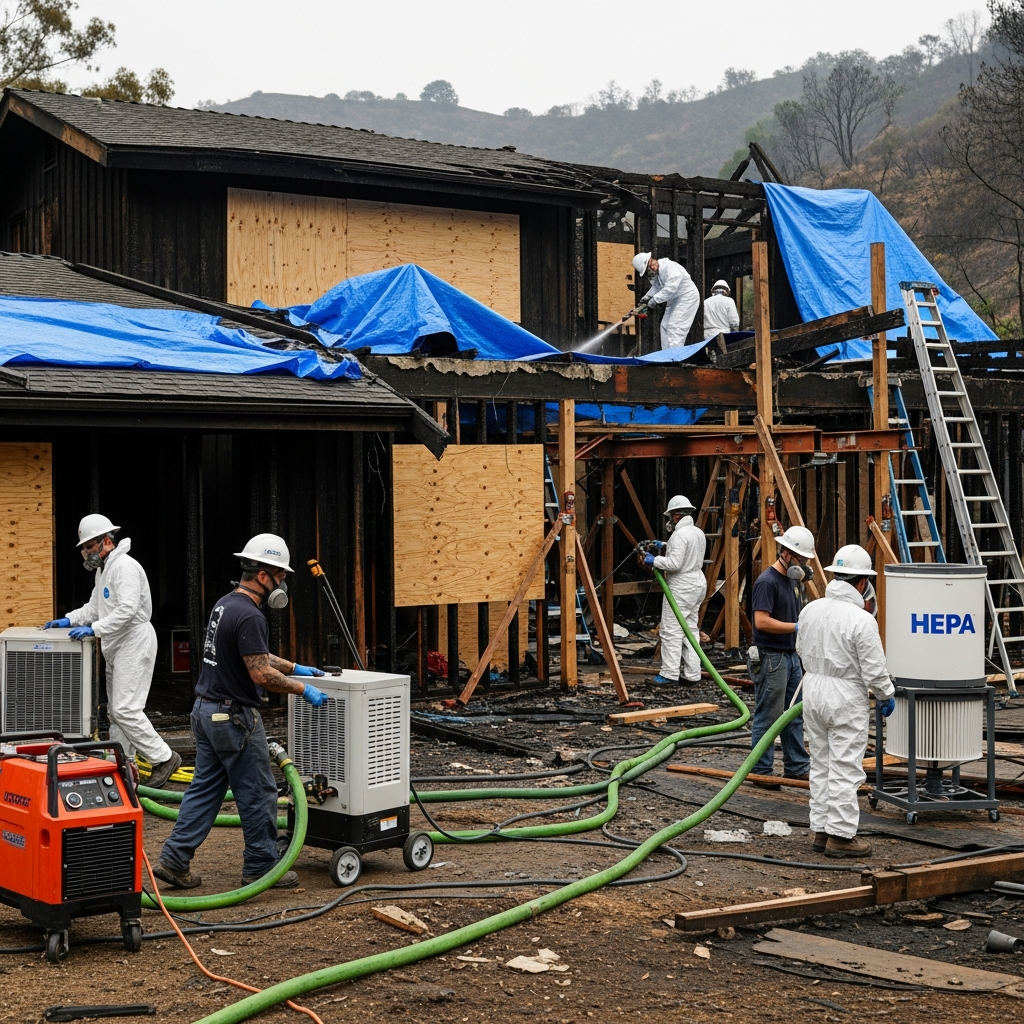
Before any cleaning begins, we make the site workable. That might mean staging equipment at street level and shuttling it in, securing stairways for safe transport, or installing temporary handrails where carrying loads would otherwise be risky. We often set up negative air containment in strategic zones so that soot lifted from upper levels doesn’t drift down into clean spaces below. Hillside airflow patterns are unique; our containment respects the way air actually moves in your home.
Board-ups and temporary closures are oriented to the wind. Doors and windows that face the canyon side are more susceptible to gust-driven intrusion, so we seal and reinforce them first. Pathways are covered to protect floors from embedded grit, especially on switchback corridors and along the routes workers will use most.
Smoke behavior at elevation
On the ridges above Encinal and Malibu Canyon, smoke often enters from above rather than at ground level. Skylights, roof vents, and clerestory windows become primary entry points. We start high, cleaning from the top down and paying particular attention to the upper third of walls, light fixtures, and exposed beams. Soot behaves differently in cooler, shaded spaces behind framing, so cavities are opened selectively where odors persist after first-pass cleaning.
Glass needs early attention. The combination of ash and salt air can etch quickly, and on hillside homes with sweeping fenestration the effect is both visible and demoralizing. We neutralize and clean panes and sliders first, then work back toward the interior. Tracks and hardware are detailed so grit doesn’t grind and shorten the life of these critical components.
Decks, eaves, and exterior details
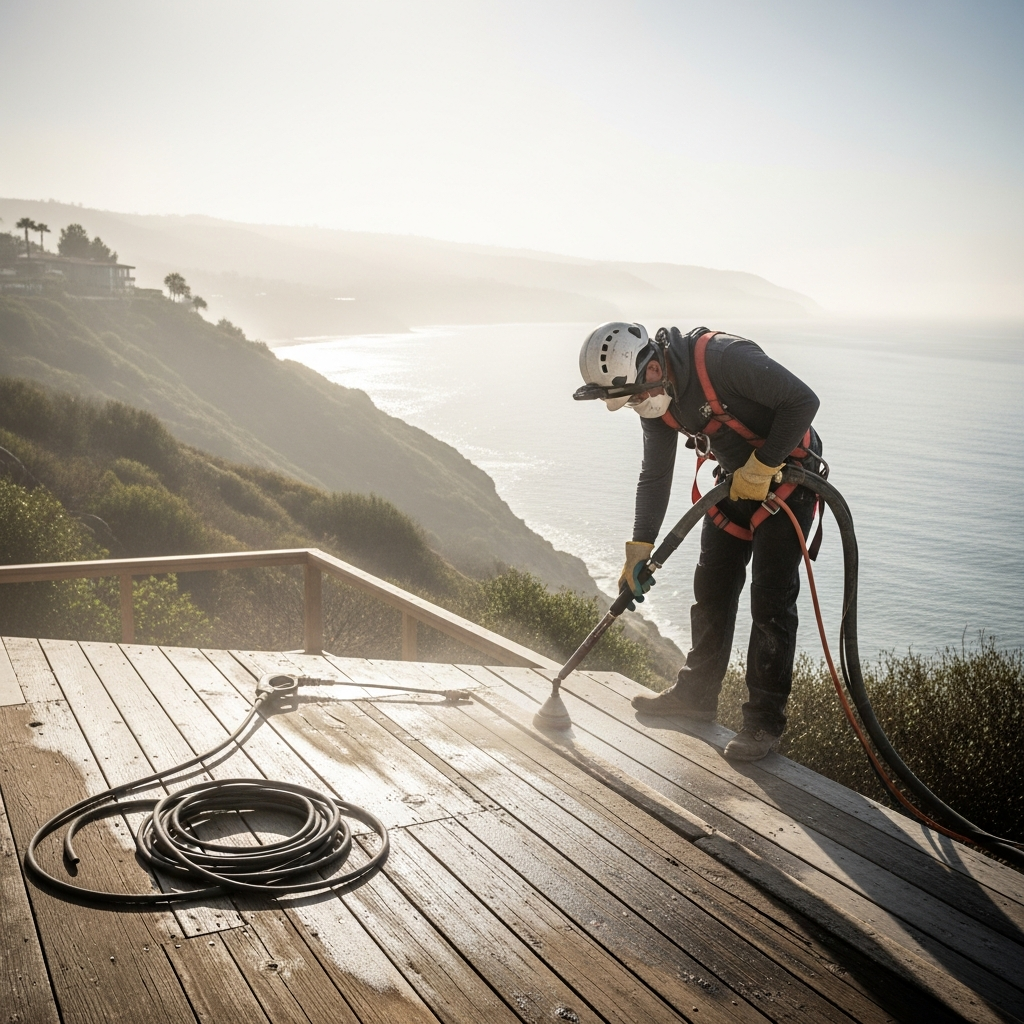
Elevated decks are often the frontline. We evaluate decking material—ipe, cedar, composite—and choose cleaning and, if needed, gentle media blasting or sanding that lifts char without scarring the surface. Railings, cable systems, and hardware are cleaned and protected to slow corrosion started by soot and sea air. Eaves and soffits, especially those with venting, are inspected; fine mesh that keeps embers out can still be coated and carry odor inside if not addressed.
Landscaping and hardscapes near the home influence interior outcomes. We remove ash drifts along threshold lines and in window wells so the first offshore breeze doesn’t blow residue into freshly cleaned rooms. Drainage pathways are checked if suppression water flowed heavily downhill, preventing future erosion problems once the rains come.
Drying and humidity control in a coastal hillside climate
Where water was used, drying uphill and downhill portions of the home can require different strategies. Upper floors with warmer exposure may dry faster; lower levels that back into the slope can hold moisture. We map readings across zones and place dehumidification accordingly, watching for condensation behind built-ins and in closet corners against exterior walls. Crawl spaces beneath cantilevered sections get targeted air movement without stirring up dust that would redistribute soot.
Because marine layers roll in overnight, we plan equipment cycles with diurnal changes in mind. It’s a small detail that keeps drying efficient and prevents the frustrating experience of a room reading wetter in the morning than it did at sunset.
Materials and methods that match hillside construction
Hillside homes in Malibu often blend steel, glass, and warm woods. Each material responds to smoke, ash, and cleaning differently. We select detergents and techniques that respect finishes—no acidic products on stone, no abrasive pads on soft woods, and careful testing on specialty paints. Exposed structural elements such as beams and posts are treated to remove odor while preserving the design intent that drew you to the home in the first place.
HVAC strategy reflects elevation. Returns high on walls or in lofted spaces can collect more soot than low grills. We inspect, clean, and replace filters to keep systems from redistributing residue. Where duct runs are long and complex, we coordinate specialized cleaning so the system supports recovery rather than undermining it.
Logistics, neighbors, and momentum
Hillside neighborhoods require coordination. Parking limitations, narrow streets, and shared access points mean schedules must be considerate and efficient. We stage deliveries, keep pathways clear, and communicate with neighbors as needed so that restoration moves forward without needless friction. That steady cadence matters for you and for the crews working in confined conditions.
Documentation is handled without slowing the job. Photo logs, moisture maps, and itemized inventories capture what matters for insurance while crews continue to clean and deodorize. When structural repairs are needed—deck joists, fascia boards, or window seals—permits and materials are queued early to keep the project from stalling.
Mid-project reassessment and the turn toward renewal
There’s a moment in every hillside restoration when the home feels like itself again. Usually it follows full source removal, detailed cleaning of high elevations, and the first pass of deodorization. Odors drop sharply; light through the glass is bright and clear; floors feel clean underfoot. We reassess then, adjust plans for any stubborn pockets, and move into finishing work—paint touch-ups, fine carpentry, and careful polishing of fixtures that define the home’s character.
Owners often tell me that this phase brings relief. The house no longer feels like a project; it feels like a place to live. That’s the real measure of effective fire damage restoration in Malibu’s hillside settings: results you feel as much as you see.
Preparedness for hillside living, without losing the joy
Recovery naturally leads to conversations about readiness. Defensible space around the home, clean gutters, ember-resistant vent screens, and thoughtful storage on decks are smart habits. So is a simple routine of changing filters, inspecting skylight seals, and noting how evening winds flow through the house. These are not chores to fear; they’re steady practices that let you keep enjoying the very reasons you chose the hillside.
Frequently asked questions
Why do hillside homes seem to collect more ash and odor?
Wind patterns concentrate smoke and embers along slopes and ridgelines. Elevated entries, skylights, and clerestory windows provide pathways where smoke cools and deposits residue. Terrain-driven airflow also means soot can settle unevenly, leaving heavy pockets in some rooms and light traces in others.
How do you protect steep or narrow access points during restoration?
We stage equipment, secure paths with protective coverings, and set up containment so debris and soot don’t migrate as crews move materials. Safety railings, clear communication, and methodical sequencing keep work efficient and protect finishes in tight spaces.
Will my large windows and sliders be permanently affected?
Early, proper cleaning prevents most etching from ash and salt. We neutralize and clean glass first, then detail tracks and hardware so operation remains smooth. In cases of pre-existing micro-scratches or delayed cleanup, light polishing may be recommended after residue is fully removed.
Can I stay in my hillside home during restoration?
Often yes, for portions of the project. We create zones that remain clean and comfortable while work proceeds elsewhere. During heavy deodorization or selective demolition, temporary relocation may be more practical, and we help plan those windows to minimize disruption.
How long does hillside restoration take?
Scope, access, and permitting shape the timeline. Smaller projects resolve in weeks; more complex repairs can span several months. Thoughtful planning, parallel work tracks, and steady communication maintain momentum even when terrain adds complexity.
What about decks and exterior living areas?
We evaluate decking materials, rail systems, and adjacent cladding, then clean or refinish as needed. Because outdoor areas are extensions of Malibu living, restoring them alongside interiors ensures the home feels whole again when you return to daily routines.
If your hillside home has been touched by smoke or flame, we are ready to guide you from first stabilization to the final polish. Let’s walk the property together, map airflow, and design a plan that respects your architecture and the realities of the slope. For clear guidance and proven fire damage restoration tailored to Malibu’s hillside homes, contact us and we will help you reclaim the clarity, comfort, and views that make living above the coast so special.