Conversations about fire damage in Malibu naturally turn to the question of cost, but the most useful place to begin is with understanding. What drives restoration budgets here is a blend of factors unique to the coast and canyons: access constraints, custom finishes, salt-laden air that accelerates corrosion, and the dual reality of structural fire and wildfire smoke. When you partner with a seasoned local team in fire damage restoration, the estimate becomes more than a number; it is a map that explains priorities, protects health, and sequences work to get you back to normal efficiently.
While every property is different, Malibu homes and businesses tend to share certain characteristics—expansive glazing, open floor plans, hillside siting, and a mix of high-end materials—that influence how restoration unfolds. Understanding these drivers clarifies why two seemingly similar incidents can result in very different scopes.
Scope begins with the story of the fire
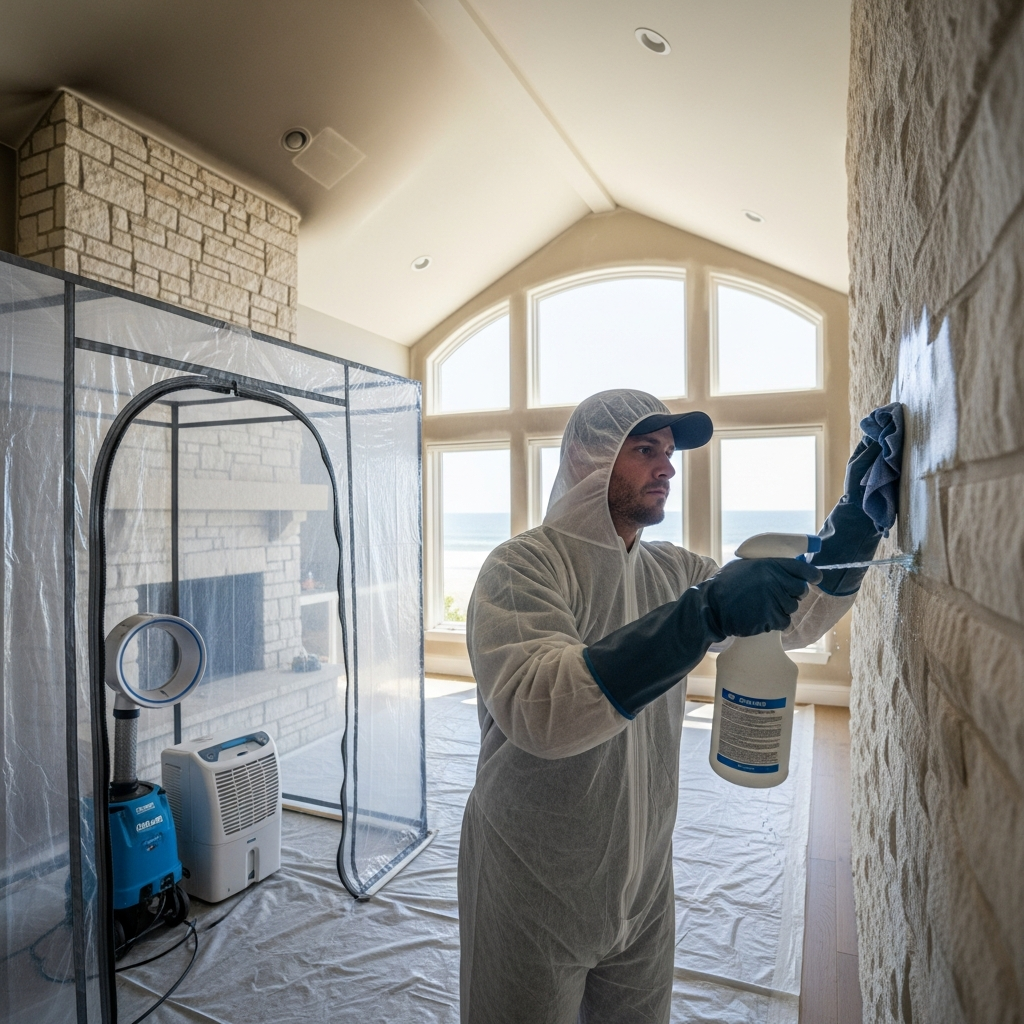
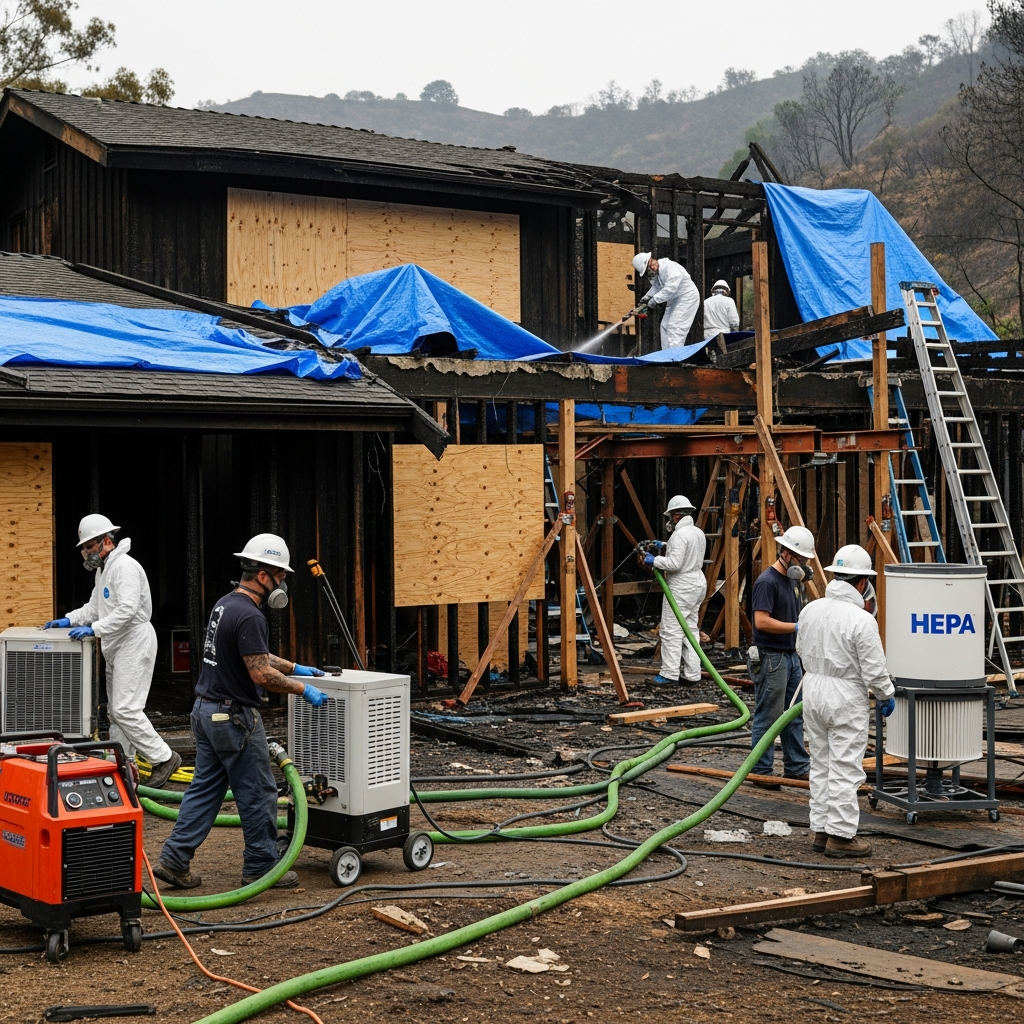
The origin and behavior of the fire set the baseline. A high-heat event concentrated in one room will produce different residues than a slower, smoldering fire that travels through a vent hood or attic. Wildfire smoke that enters without visible flames leaves fine particulates and odor in surprising places. Experienced estimators test residues to determine cleaning methods and to decide which porous materials—acoustic tiles, certain insulations, or deeply smoked textiles—are candidates for replacement rather than restoration.
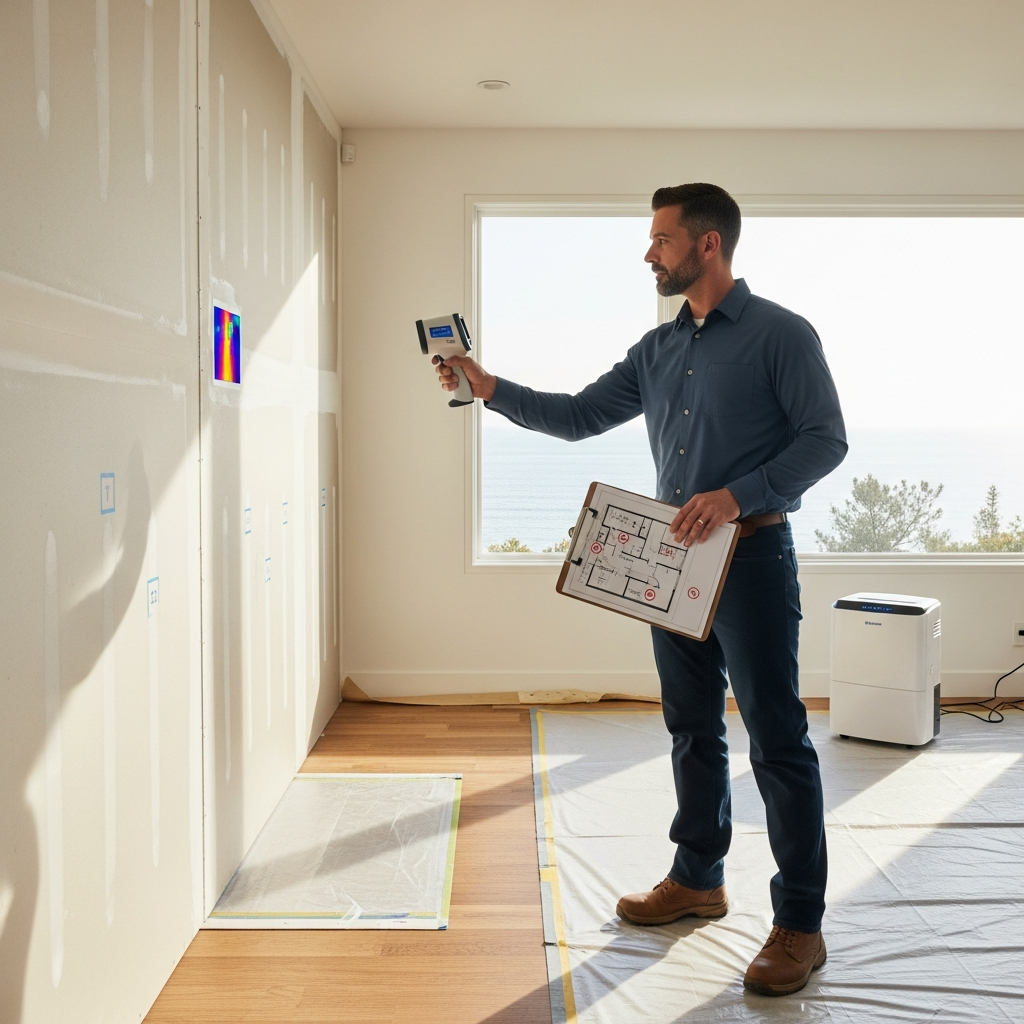
Water used during suppression is another major variable. In homes with multiple levels or open stairwells, water can migrate quickly, saturating drywall and subfloors well beyond the obvious burn area. The plan must include moisture mapping, targeted removal of unsalvageable wet materials, and controlled drying to protect the structure and finishes. In Malibu’s marine climate, where nighttime humidity can rise, drying strategies are calibrated carefully so that materials are neither under-dried nor damaged by excessive air movement.
Architecture and finishes matter
Custom craftsmanship is part of Malibu’s charm. Open-beam ceilings, built-in cabinetry, wide-plank floors, and specialty tiles call for careful handling. Some finishes are sensitive to aggressive cleaning agents and require more time and specialized materials to restore properly. Large expanses of glass simplify daylight but complicate cleaning when soot etches lightly; addressing that early helps preserve clarity. Electronics and fixtures often include metals that corrode faster near the ocean, necessitating prompt stabilization and, in some cases, extended care.
Access also plays a role. Steep driveways, narrow canyon roads, or bluff properties may affect the logistics of staging equipment and debris removal. These conditions inform scheduling and crew size to maintain safety and efficiency. Teams familiar with Malibu anticipate these challenges so the plan reflects real-world conditions rather than ideal scenarios.
Testing and documentation define the plan
Detailed documentation supports smart decisions. Surface and air sampling, moisture readings, and photographic inventories provide evidence for the cleaning and repair approach. This data is especially important when wildfire smoke intrudes without a clear burn zone. Establishing the presence and extent of contamination ensures the scope addresses hidden pathways—attics, soffits, HVAC systems—that can reintroduce odor later if overlooked.
A well-structured estimate separates emergency services, contents handling, cleaning and deodorization, and repairs. That clarity helps homeowners and adjusters see how each phase contributes to the whole. It also allows for sequencing that prioritizes essential living or operating areas, which can reduce disruption even when the broader project is still underway.
Insurance alignment and homeowner priorities
Insurance coverage frameworks vary, and understanding them early prevents frustration. Local restoration teams speak the same language as adjusters and can connect test results to the specific steps they support. When there are choices—clean versus replace, for example—professionals present the technical rationale and invite homeowners to weigh aesthetic and timeline preferences alongside policy considerations.
Homeowner priorities can also shape the schedule. Many Malibu families prefer to bring kitchens and bedrooms back online first, while businesses may focus on customer-facing areas. Phasing the work in this way can deliver comfort and continuity sooner, even as the larger project continues behind the scenes.
Wildfire smoke without flames
It is common in Malibu for smoke to infiltrate homes during a regional event, leaving a faint film and persistent odor. Because the damage may not be dramatic, it is sometimes underestimated. Proper testing, HVAC evaluation, and methodical cleaning prevent future headaches. Addressing these conditions thoroughly the first time avoids revisiting the same rooms months later when odors resurface in humid weather.
In the middle of planning, some owners also choose preventive measures—improved filtration, selective sealing of odor-prone substrates, or ventilation upgrades—that make spaces more resilient. Local fire damage restoration specialists can integrate these improvements into the overall scope so progress continues smoothly.
Why transparent communication saves time
Clear, frequent updates keep a complex process understandable. A good project lead explains what was learned from testing, why certain materials respond best to specific methods, and how those decisions influence the path forward. That context helps everyone—homeowner, adjuster, trades—move in the same direction without delays caused by uncertainty.
Transparency also builds trust when conditions change. If an area behind a wall shows deeper smoke penetration than anticipated, or moisture readings reveal pockets that need additional drying, you receive the information promptly along with options. Those managed pivots maintain momentum and preserve the integrity of the finished result.
Value beyond the estimate
Restoration is about outcomes, not line items. The value you feel when walking back into a home or business that looks, smells, and functions as it should is created by dozens of thoughtful decisions: protecting clean rooms early, stabilizing metals before corrosion sets in, sequencing contents for fast comfort, and coordinating inspections so approvals happen on time. Companies with a Malibu track record bring that judgment to every step.
It is natural to compare proposals, but focus on the story each plan tells. Does it address your architecture and materials? Does it account for moisture, odor, and HVAC pathways? Does it reflect access realities on your street? Does it show how essential spaces will return to service first? The most reliable path back to normal is paved with these specifics.
FAQ: Why do similar-looking fires result in different restoration scopes?
Variations in heat, fuel, ventilation, and suppression create different residues and moisture patterns. The materials in your home and the building’s layout further shape what is required. Testing and documentation reveal those differences so the plan fits your property.
FAQ: How do ocean air and humidity affect restoration in Malibu?
Salt and humidity accelerate corrosion and can slow drying if not managed. Local teams calibrate equipment and cleaning chemistries to protect metals and maintain progress, especially during foggy nights or marine layers.
FAQ: What about belongings—how are they factored into planning?
Contents are inventoried and triaged early. Items essential to daily life are fast-tracked for cleaning. Delicate or high-value pieces may go to specialists. Clear documentation supports insurance and provides visibility for you throughout.
FAQ: Can we prioritize certain rooms to regain normalcy sooner?
Yes. Phased planning often brings kitchens, bedrooms, or key commercial areas online first, restoring routine and comfort while the broader project continues.
FAQ: How are odors fully removed?
True odor elimination combines source removal, targeted cleaning, and appropriate deodorization methods. Addressing hidden cavities and HVAC pathways is essential so smells do not return with changes in temperature or humidity.
FAQ: What signals that a plan is comprehensive?
Look for residue testing, moisture mapping, HVAC evaluation, contents strategy, clear phasing, and communication checkpoints. These elements indicate a thoughtful approach tailored to Malibu conditions.
When you are ready for a clear, locally informed plan that explains the road to recovery, connect with Malibu specialists in fire damage restoration who will translate your priorities into action and guide your property back to the life you love.