Understanding What Hiring the Right Fire Damage Restoration Company Really Means in Malibu
When a fire upends life along the coast, the aftermath feels both surreal and urgent. In Malibu, where canyon winds, salt air, and hillside architecture intersect, choosing the right fire damage restoration company is more than a checklist decision. It is about partnering with professionals who understand the texture of local homes, the rhythms of our climate, and the way smoke finds its way into every corner from Point Dume to Corral Canyon. In the first hours and days after the flames, your focus shifts from shock to action, and the choices you make during this window can set the tone for your recovery.
Malibu homeowners know that fires here do not behave the same way they do elsewhere. Santa Ana winds push embers into rooflines, stucco traps odor in hairline fissures, and smoke rides up canyon corridors before settling into closets and attics. If you are searching for help, you will likely encounter many contractors from across Los Angeles, but a company with proven local experience will read the story your property is telling—what burned, how heat moved, where corrosion is already beginning. That is precisely why it helps to look for established, vetted providers for fire damage restoration in Malibu right at the outset, so the guidance you receive is immediately aligned with neighborhood realities and permitting expectations.
The First Conversations: What a Trustworthy Company Asks and Explains
A reliable restoration professional starts by listening. They will ask where the fire started, how long firefighters were on scene, whether suppression involved foam or primarily water, and what materials dominate your home’s finishes—Spanish clay tile, cedar, reclaimed beams, plaster, or modern composites common in newer builds near Broad Beach. They will be clear about immediate priorities: safety, stabilization, and documentation. Expect them to explain why board-ups protect against both weather and intrusive soot re-settling, how negative air machines prevent cross-contamination, and which rooms will be isolated first to guard health. When that conversation feels calm, detailed, and transparent, it is usually a sign you are on a good path.
Local Conditions That Change the Restoration Playbook
Malibu’s coastal microclimates make restoration different than inland projects. Salt-laden marine layers, especially overnight, accelerate corrosion on electronics and metallic fixtures already stressed by heat and acidic soot. Even if fire damage seems cosmetic, swift treatment reduces long-term deterioration. Canyons also challenge access for crews and vehicles, which impacts how equipment is staged and how debris is hauled out safely. A local team anticipates these nuances, arriving with corrosion inhibitors ready for sensitive items, planning for portable power if grid outages linger, and scheduling crews to work around morning fog and afternoon winds that can influence deodorization strategies.
The Assessment: What the Best Companies Document
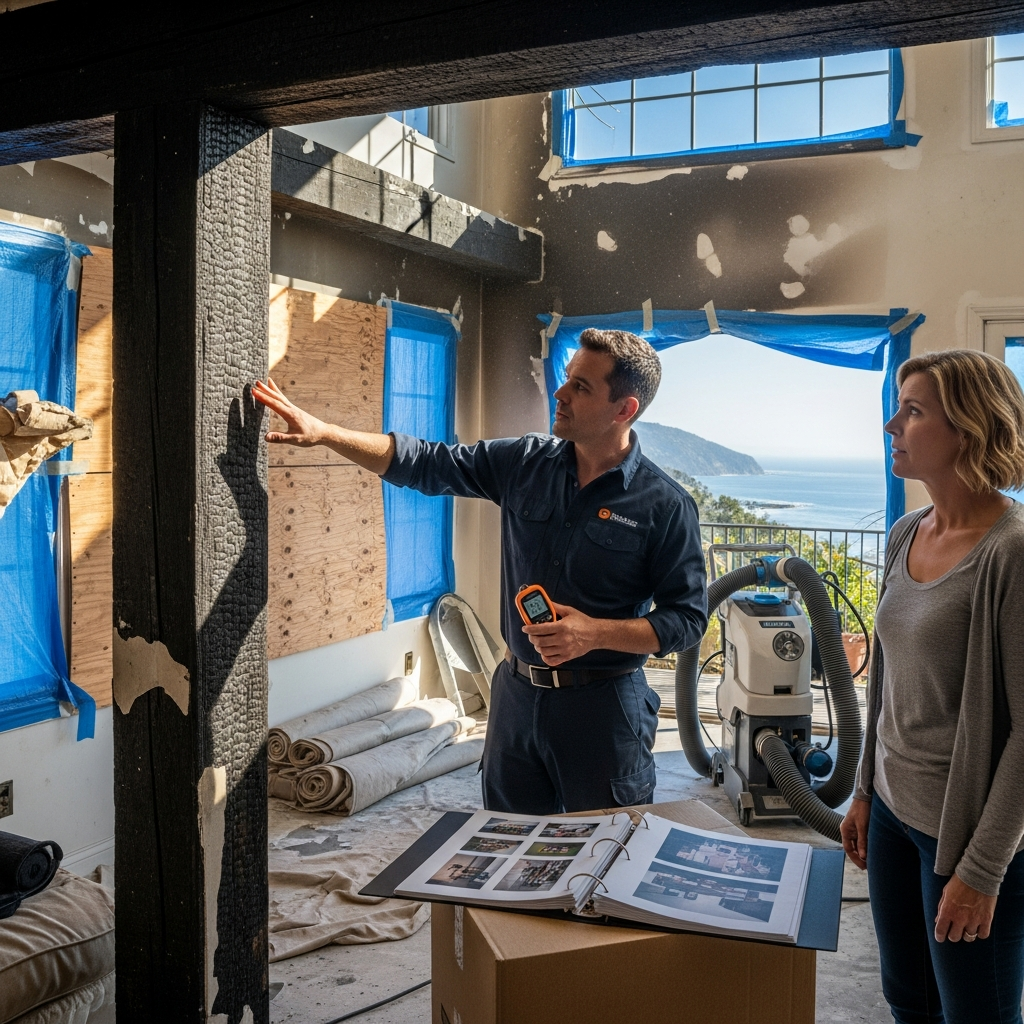
Thorough companies start with a written scope backed by detailed photographs and moisture readings. They identify structural charring, but also secondary water damage from firefighting. They test for residue types—dry soot from high-oxygen burns versus wet, oily soot from smoldering materials—because each demands a different cleaning chemistry. HVAC inspections are standard; ductwork can become a superhighway for odor if ignored. Contents are inventoried in place before anything moves, which preserves chain-of-custody for insurance and avoids accidental disposal of valuables. This assessment is not just a report; it is a roadmap that dictates how your home is rebuilt to its pre-loss condition.
Permits, Codes, and Working with Malibu’s Jurisdictional Landscape
Depending on the extent of structural damage, you may need permits from Los Angeles County, and in certain hillside areas, additional reviews for wildfire hardening measures. Companies experienced in Malibu know how to navigate these approvals and coordinate with inspectors so work does not stall. They also understand local defensible space guidelines and will advise on post-restoration strategies to reduce future risk, such as ember-resistant vents or specific eave and soffit treatments compatible with your home’s aesthetics and HOA standards where applicable.
Inside the Restoration Process: From Stabilization to Fine Detail
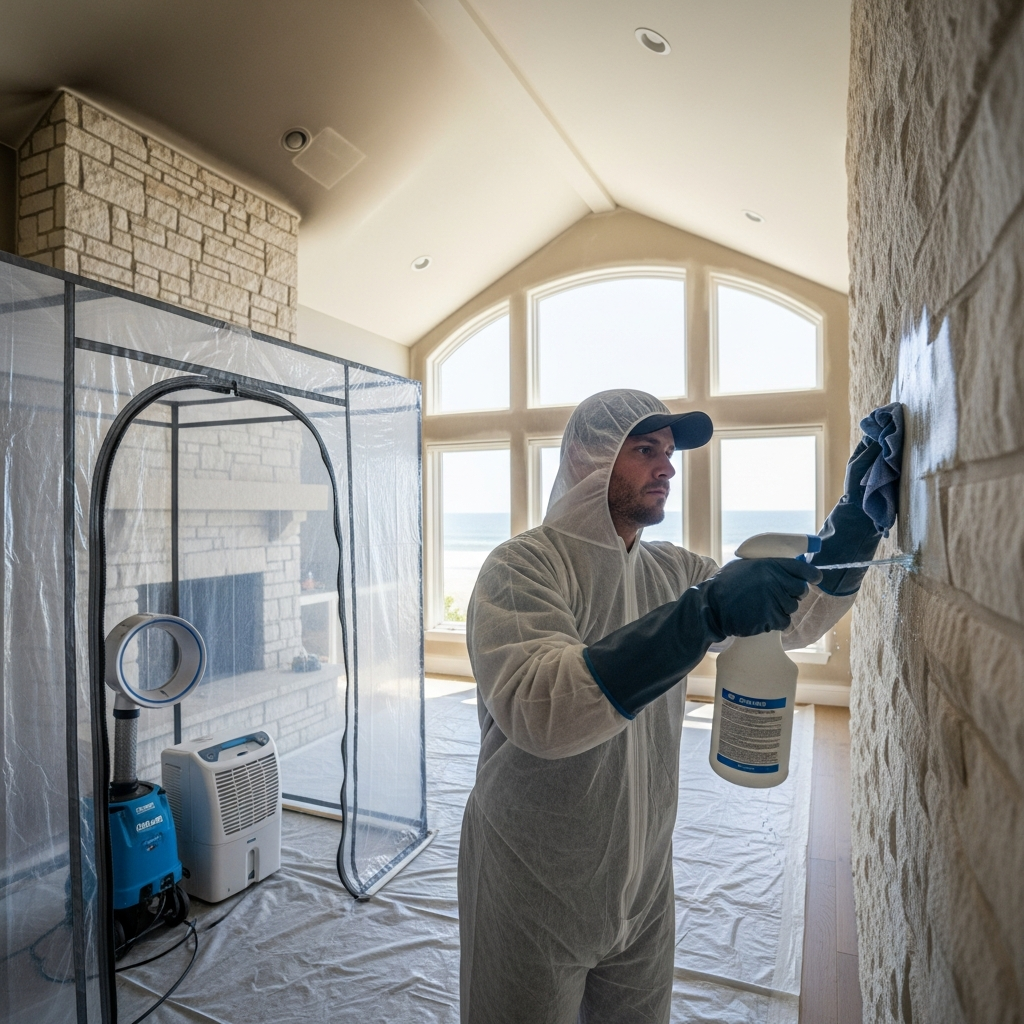
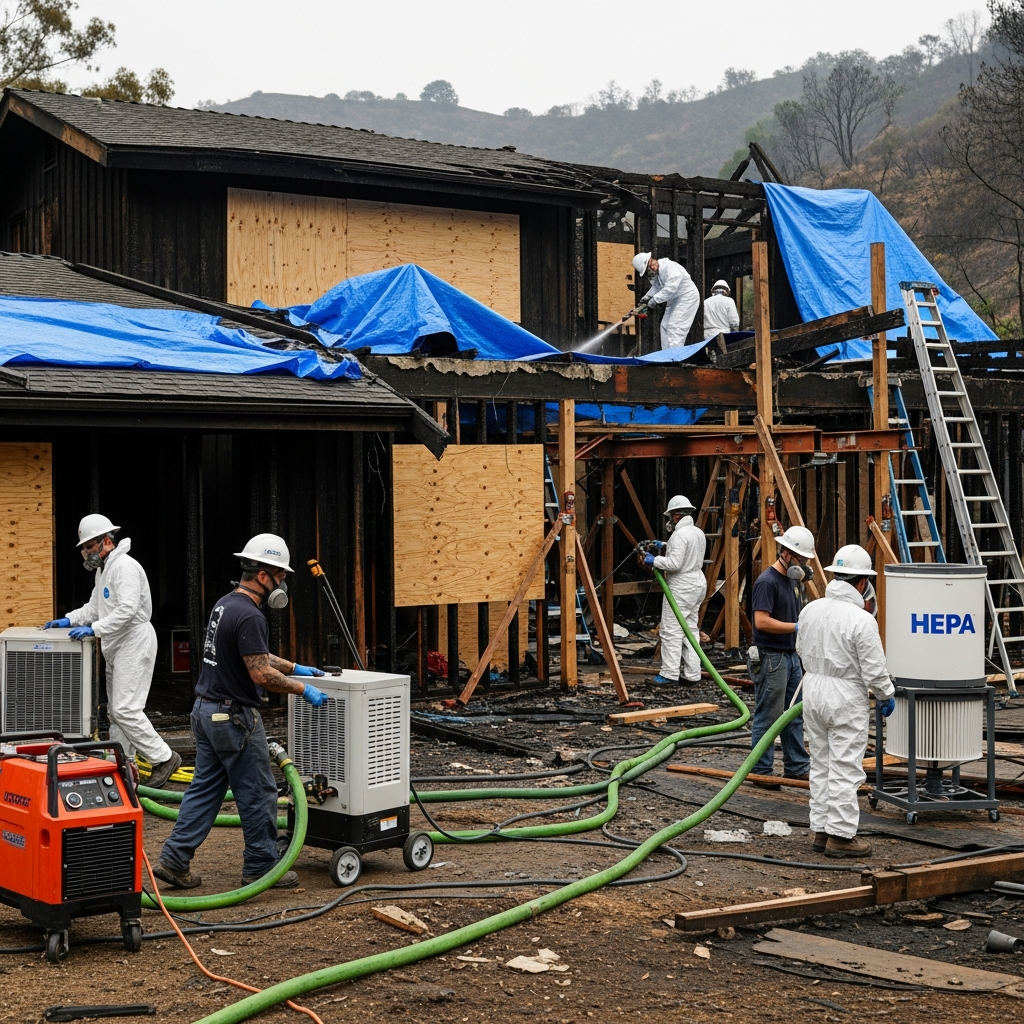
Stabilization typically begins with board-up and roof tarping to secure the structure, followed by water extraction and structural drying if hoses soaked interior areas. HEPA air filtration runs continuously to capture particulates. Meticulous source removal of soot comes next—walls, ceilings, and surfaces are wet-cleaned or dry-sponged based on residue type. Porous materials such as insulation often require removal, while semi-porous finishes like plaster may be saved with the right alkaline washes and sealing protocols. Odor control escalates from physical cleaning to thermal fogging or hydroxyl treatments, always sequenced to protect sensitive textiles, artwork, and electronics earmarked for specialty restoration.
Choosing Who to Hire: Signals of Real Expertise
Beyond licenses and insurance, look for IICRC certifications, a clean record with state consumer protection agencies, and verifiable references from Malibu or adjacent communities like Topanga and Pacific Palisades. A serious firm provides a written communications plan—who your point of contact is, how often updates arrive, and what milestones to expect each week. They do not make promises around odor elimination without clarification of scope, and they welcome third-party hygienist testing when conditions warrant. Most telling, they discuss your home as an ecosystem: structure, contents, air handling, and exterior envelope, rather than treating each as a separate line item.
Insurance Collaboration Without the Jargon
Good restorers speak the language of adjusters but translate it for homeowners. They will help you understand what is typically covered, how to present a contents inventory, and when a supplement may be necessary due to hidden damage revealed during demolition. They also document labor and equipment usage comprehensively, which accelerates approvals. In Malibu’s higher-end homes, unique finishes and custom cabinetry often require peer quotes from specialty contractors; a seasoned restoration company will coordinate those so your claim remains cohesive and well-substantiated.
Protecting Health During and After Cleanup
Air quality is non-negotiable. Soot contains fine particulates that can irritate lungs and eyes, and some residues are acidic. Crews should wear respirators, and containment zones should keep living spaces isolated. If you remain in part of the home during restoration, you should see air scrubbers positioned to maintain negative pressure in work areas. Post-cleaning verification might include particulate readings or odor threshold testing. Ask how your contractor protects pets and sensitive individuals, and make sure return-to-occupancy guidelines are explained in plain terms before you move back into treated areas.
Mid-Project Communication and What It Reveals
Halfway through a job, the difference between average and excellent becomes obvious. Are schedules updated when materials change? Do photos of progress arrive without prompting? Are surprises approached as collaborative problem solving or last-minute panic? In the middle stretch, a reputable company remains steady, explaining any discoveries—like hidden smoke trails inside soffits or corrosion on supply lines—and showing how the plan adapts to address them. If you need to re-check your options, you can always reference providers known for Malibu fire damage restoration standards, and compare their approach to the one you are experiencing.
Case Insight from the Coast
After a wind-driven attic fire near Trancas, a family faced heavy soot across upper-level bedrooms and smoke that traveled into a ground-floor media room. The restoration team mapped the smoke plume, removed compromised insulation, flushed HVAC runs, and saved original plaster with a targeted wash and seal system. Electronics were corrosion-treated within the first 24 hours, preventing failure. The crew documented each phase for the insurer and coordinated a specialized refinisher to match a walnut stair rail patina. The result preserved the home’s character and kept displacement time to a minimum without cutting corners on testing or odor control. This is what it looks like when method, craftsmanship, and local experience meet.
Respecting Materials and Architecture Common in Malibu
From beachfront moderns with steel and glass to canyon cottages with knotty pine paneling, Malibu’s homes demand nuance. Natural stone requires pH-aware cleaning agents, oiled woods call for solvent-compatible soot removal, and Venetian plaster must be coaxed rather than scoured. A skilled company will protect original surfaces whenever safe and feasible, reserving demolition for areas that will not respond to restorative cleaning or that compromise health. This restraint is as important as decisiveness; it preserves value and keeps the spirit of the home intact.
What Homeowners Can Do Before Crews Arrive
Even before a contractor steps in, there are steps you can take if conditions are safe: limit movement inside to prevent soot embedding, do not attempt to wash painted walls or textiles, and avoid powering electronics until a professional assesses corrosion risk. If weather allows, gentle ventilation can help, but avoid box fans that may disperse soot further. Photograph every room and item touched by smoke, including inside cabinets. Keep a simple log of conversations and decisions; it will help you and your adjuster later.
Timelines, Expectations, and Living Through the Work
Every project is different, but transparency around schedule goes a long way. A realistic plan accounts for dry times, permit lead times when structural repairs are involved, and specialty vendor availability. If you are staying in a portion of the home, ask how work will be phased to reduce disruption. The best teams will group noisy tasks, maintain pathways free of debris, and protect landscaping during debris removal. It might sound small, but these courtesies add up when you are juggling family routines, school runs, and the emotional fatigue that follows a fire.
After the Work: Verifying Results and Building Resilience
Completion is more than a walk-through. Odor should be neutral, not masked. Surfaces should feel clean, not tacky. HVAC filters should be changed again after final cleaning, and a maintenance schedule for any treated electronics should be clear. Consider a post-restoration consult on home hardening: ember-resistant vent covers, gutter guards to reduce debris ignition, and landscaping choices that create defensible space without sacrificing beauty. Malibu’s environment is stunning, but it asks us to be proactive.
Frequently Asked Questions
How quickly should I hire a fire damage restoration company after a fire?
As soon as authorities clear your property for entry, the clock starts. The first 24 to 48 hours are vital for stabilization, corrosion mitigation on electronics and metals, and containment to protect indoor air. Early involvement reduces secondary damage and preserves more of your home and contents.
What certifications or qualifications matter most?
Look for IICRC-certified technicians, a valid contractor’s license in California, and strong local references. Experience with Malibu’s climate and construction styles is critical, as is a safety program that includes respiratory protection and containment best practices.
Will smoke odor ever fully go away?
Yes, when source material is removed or cleaned correctly and the air handling system is addressed. Odor control methods like thermal fogging or hydroxyl treatment help, but true success depends on eliminating residue within cavities, on surfaces, and inside textiles. Masking agents alone are not acceptable.
Can I live in my home during restoration?
Sometimes. If damage is moderate and containment is effective, families can often occupy unaffected areas. This requires clear zoning, continuous air filtration, and daily housekeeping. A qualified restorer will advise you honestly about safety and comfort.
How are my personal belongings handled?
Contents are inventoried, photographed, and either cleaned on-site or carefully packed out to a secure facility. High-value items like artwork or musical instruments may be sent to specialists. Chain-of-custody documentation ensures nothing is lost or mishandled.
What if damage behind walls is discovered later?
Responsible companies plan for this possibility and will coordinate with your adjuster to update the scope. Hidden soot trails and water pockets are common; opening small test areas early can prevent surprises down the line.
Final Steps and How to Move Forward
Recovery is a process, but you do not have to navigate it alone. If you need a steady hand, connect with professionals who understand the coast, the canyons, and the way Malibu homes live and breathe. For a conversation tailored to your property and timeline, reach out to a trusted provider of fire damage restoration in Malibu and take the next step with confidence.