There is a particular kind of quiet after a fire in Malibu—the surf still works the shoreline below, the canyons hold their breath, and within the home every surface seems to whisper of what just happened. In these moments, emergency actions matter more than anything else. Rapid stabilization prevents small setbacks from becoming big ones, and an experienced local team in fire damage restoration can turn confusion into a sequence of calm, deliberate steps tailored to Malibu’s winds, salt air, and hillside homes.
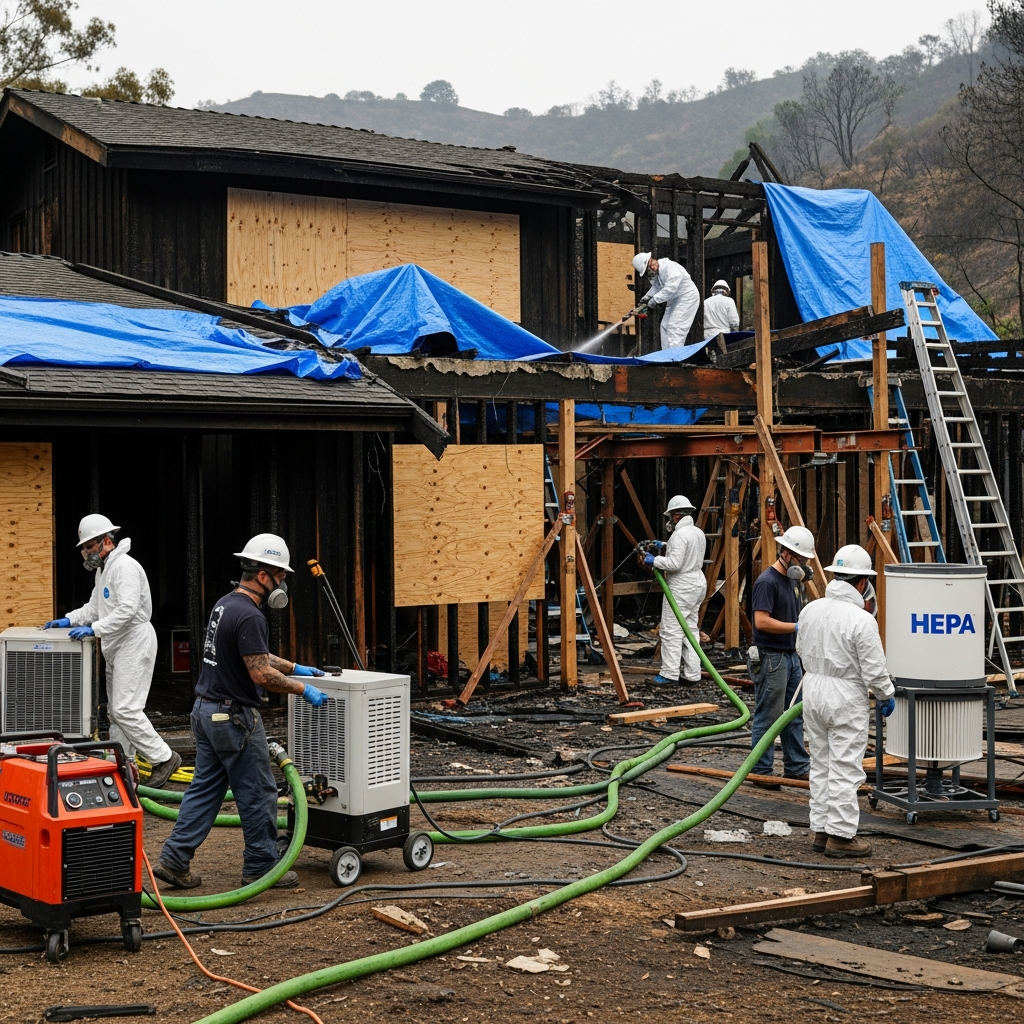
Emergency restoration is about controlling variables. The first goal is to stop ongoing damage by securing openings, assessing structural stability, and isolating clean spaces from contaminated ones. In Malibu, this might mean boarding up ocean-facing sliders that blew out under heat, installing temporary fencing on a bluff property, or carefully shoring framing in a canyon home where access roads are narrow. Just as crucial is addressing the water that saved the structure. Every gallon used in suppression has a job to do afterward: it must be located, measured, and dried before it transforms clean materials into future problems.
The first hour: safety and containment
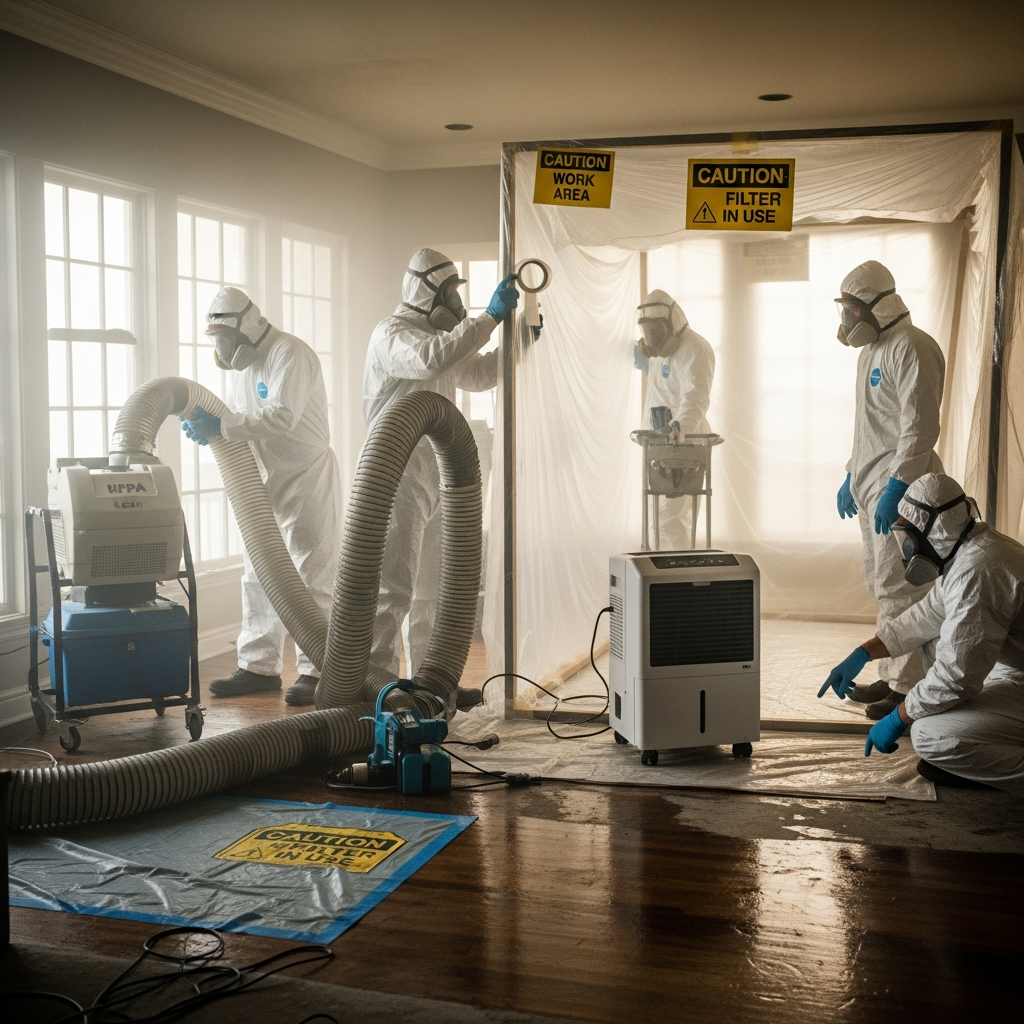
Seasoned crews begin with a safety sweep. They look for live electrical hazards, compromised gas lines, and structural red flags. Once the site is safe, they establish containment, often creating negative-pressure zones that draw airborne contaminants away from living areas. In a Malibu residence with high ceilings and skylights, controlling airflow is especially important so soot does not drift into undamaged rooms as doors open and close during the emergency phase.
Containment also helps preserve your sense of home. It defines where work is happening and where it isn’t, even if the unaffected zone is small at first. Clean entry paths protect flooring, zip walls clarify boundaries, and high-efficiency filtration begins purifying indoor air from day one. Those visible measures quickly restore a feeling of order in the midst of upheaval.
Water: the hidden emergency
Water intrusion after firefighting presents a silent race against time. Saturated drywall sags, hardwoods cup, and insulation holds moisture like a sponge. Malibu’s coastal climate can compound the risk if fog or marine layers roll in overnight. Emergency teams use thermal cameras, pin and pinless meters, and targeted demolition to remove unsalvageable wet materials while saving what can be dried in place. They set up dehumidifiers sized for the volume of air and temperature, then tune air movement to encourage moisture to leave materials rather than spread through them.
Meticulous mapping guides the effort. By logging moisture readings at set intervals, technicians demonstrate progress and reveal hidden pockets that need attention. This disciplined approach helps avoid both under-drying, which invites mold, and over-drying, which can crack delicate finishes. In homes with custom millwork and wide-plank floors, that balance is critical.
Soot and smoke: immediate steps that pay off
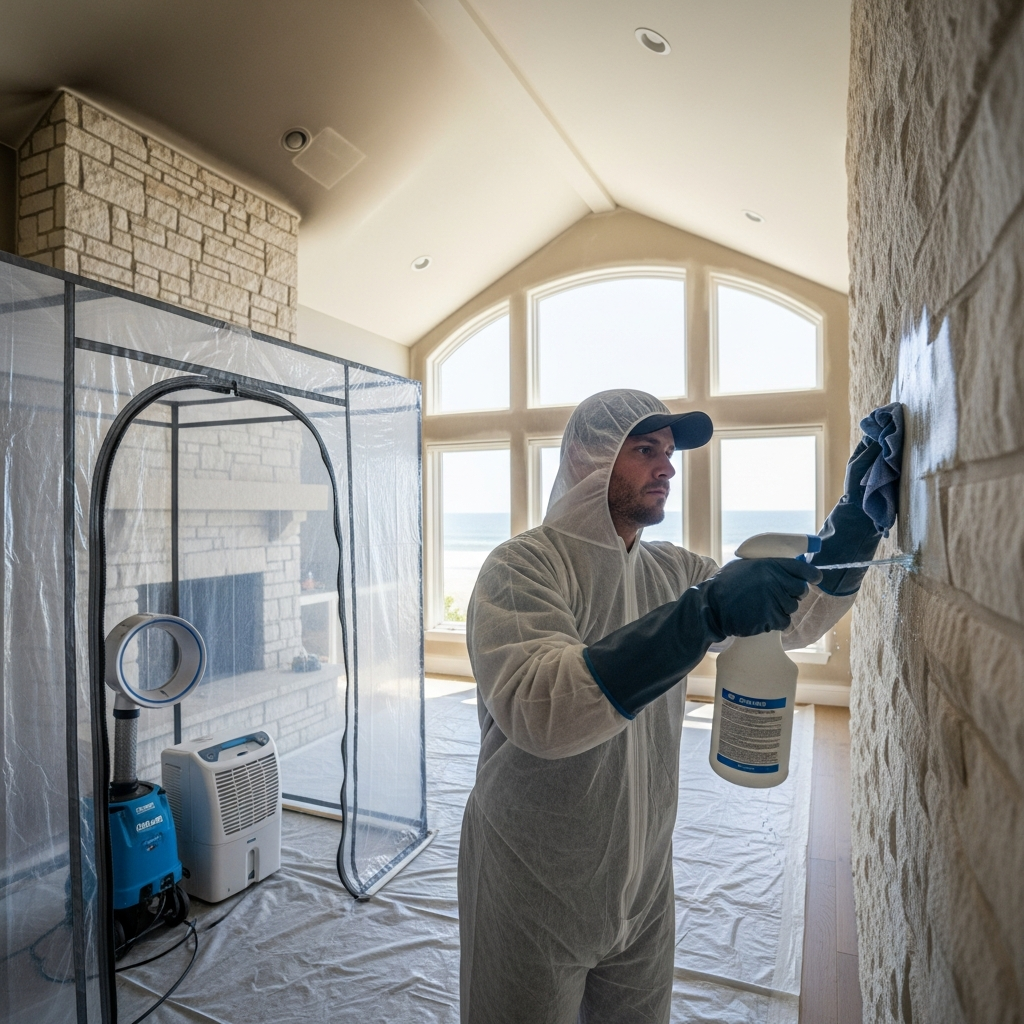
Not all soot announces itself in black streaks. Dry, light residues can coat surfaces subtly yet remain corrosive. Early HEPA vacuuming and dry sponging of sensitive areas—cabinets, lighting fixtures, window tracks—prevent permanent etching. In kitchens and media rooms, where electronics concentrate, corrosion can begin quickly. Emergency restoration includes stabilizing those items to buy time for detailed evaluation and cleaning.
Odor control also starts on day one. Professionals often combine source removal with vapor-phase odor neutralizers and carbon filtration to reduce the intensity of smoke smell while deeper cleaning is planned. In Malibu’s open-plan homes, those air quality improvements are noticeable almost immediately, making it easier to think clearly about next steps.
Coordination under pressure
Emergency restoration happens alongside many moving parts: utility shutoffs and reactivations, insurance notifications, and sometimes road closures. Teams used to Malibu’s rhythms know how to synchronize board-ups, debris removal, and inspections so the process unfolds steadily. They also keep neighbors and HOAs in the loop when shared access or community rules affect timing, preventing friction and maintaining momentum.
Documentation is a constant companion. Clear photographs of conditions, inventories of affected contents, and notes about initial readings give insurers an early, accurate picture. That foundation keeps approvals aligned with what the home actually needs, reducing back-and-forth later.
When wildfire smoke intrudes without flames
In some emergencies the flames never enter the house, yet smoke and ash slip past door thresholds and attic vents. The result can be a pervasive film that dulls finishes and embeds odor in textiles. Because the damage is less visible, it is sometimes underestimated. Malibu-focused emergency crews know to test for particulate loading, check HVAC systems and filters, and examine rooflines and soffits where wind-driven ash can hide. They build a plan that respects the home’s architecture while thoroughly removing contaminants.
Midway through the emergency phase, homeowners often pause to reassess priorities—what rooms to restore first, what belongings to pack out immediately, and how to set up temporary living areas. Having a team grounded in local fire damage restoration practices ensures those choices are informed by both technical data and practical experience.
Communication that calms
Good emergency work is as much about people as it is about buildings. Clear explanations of what will happen today, tomorrow, and the day after build trust. When crews show up prepared, protect adjacent spaces, and clean up at the end of each shift, homeowners feel the return of control. That confidence carries into the next phase: detailed cleaning and eventual rebuild.
As the emergency phase winds down, the property transitions from triage to treatment. The structure is safer, the air is cleaner, and a roadmap is in place. What began as a frantic phone call becomes a schedule with milestones, crafted by professionals who know the terrain and respect the stakes.
FAQ: How fast can emergency crews arrive in Malibu?
Many teams stage equipment nearby and can mobilize the same day, even within hours depending on conditions and access. They prioritize safety, stabilization, and moisture control so that preventable secondary damage does not take root.
FAQ: What should I not do after a fire?
Avoid wiping soot yourself, especially on glossy or delicate surfaces, as it can smear and set stains. Do not power up electronics exposed to smoke until they are evaluated, and do not run HVAC systems before filters and ductwork are inspected to prevent distributing soot.
FAQ: Can I stay in the home during emergency work?
Sometimes, depending on the extent of the damage and whether safe, clean zones can be established. Your restoration team will discuss air quality, utilities, and temporary protections to help you decide what’s best for your situation.
FAQ: How is odor handled initially?
Emergency crews use source control, containment, and air filtration augmented by appropriate deodorization methods. The goal is to reduce intensity quickly while planning comprehensive odor removal during detailed cleaning.
FAQ: What about sensitive items like artwork or instruments?
Those items are typically stabilized and, when needed, packed out to a controlled environment for specialized cleaning. The sooner they are assessed, the better the chance of full recovery.
FAQ: What comes after the emergency phase?
Once the property is stable and dry, the team refines the scope for detailed cleaning, deodorization, and repairs. You’ll review a plan that sequences work to restore essential spaces first and keeps your household functioning.
If you are facing the first uncertain hours after a fire, reach out to local professionals skilled in fire damage restoration who can secure your home, protect your belongings, and chart the fastest path back to normal.