In real estate and construction, per-square-foot is a handy shorthand. It lets us compare apples to oranges and impose order on complex projects. When it comes to water damage restoration in Malibu, though, that tidy metric often breaks down. The ocean adds moisture to the air, canyons shape wind and shade, and the homes themselves are anything but standard. A mid-century on a bluff with glass walls, a beach bungalow with stone floors, and a hillside retreat with wide-plank oak do not behave the same way under moisture stress. Rather than chasing a universal figure, it is smarter to learn why the square-foot lens can obscure the real picture and how Malibu-specific factors create the true scope of water damage restoration.
A per-square-foot mindset assumes that surface area tells the story. In restoration, volume, assembly type, and path of water matter more. A room with tall ceilings and thick plaster holds moisture differently than a compact space with standard drywall. A floor assembly over a crawl space behaves unlike a slab-on-grade with radiant heat. Even when two areas share the same square footage, their drying strategies and timelines can be wildly different. Professionals in Malibu quickly learn to ask, What materials were affected? How deep did moisture travel? What is the microclimate inside and outside the structure right now?
The coast introduces complexity right from the start. The marine layer boosts ambient humidity, which can stretch drying schedules if you do not control the environment. Onshore breezes that make summer evenings pleasant can move moisture around the interior if airflow is not managed. Salt in the air accelerates corrosion, especially after an intrusion that wets fasteners or exposes mechanical components. Each of these realities complicates any simple translation of square feet to scope.
Assemblies, Materials, and Why They Rule the Day
Consider two living rooms of identical size. One is finished with wide-plank oak over a plywood subfloor; the other features stone over a mortar bed. The square footage is the same, but the drying approach is not. Wood responds to moisture by swelling and cupping, and it benefits from targeted extraction mats and controlled airflow. Stone and mortar retain moisture longer and may need focused heat and dehumidification to move vapor outward without stressing the installation. If cabinetry, built-ins, or millwork are present, airflow often has to be directed behind toe-kicks or through discreet openings to reach concealed cavities.
Wall systems vary, too. Malibu properties frequently use smooth plaster finishes that demand patience and skilled hands if openings are required. Some exterior walls are insulated assemblies facing the ocean, where vapor drives change day by day. Others are interior partitions where drying is faster and less complicated. Ceiling assemblies in multi-level homes can hide channels where water traveled from an upstairs bath or laundry, requiring targeted intervention along the route rather than a broad-brush approach.
Then there are specialty installations. Radiant floor heat, custom steelwork, or in-floor lighting all influence how a restorer stages equipment and decides on safe drying temperatures. A team used to Malibu’s blend of artistry and engineering will adapt tactics so those systems are protected while moisture is ushered out of the building.
Access, Logistics, and the Malibu Map
Even the perfect plan falters if you cannot execute it efficiently. Malibu’s geography demands forethought. Narrow access roads, limited parking along the Pacific Coast Highway, and steep driveways change how crews deliver equipment and move between spaces. Oceanfront buildings may have HOA rules that define working hours or pathways. Canyon properties might require smaller equipment loads and multiple trips. Each of these details affects daily production and must be accounted for when estimating timelines based not only on square footage but on the reality of getting the work done safely and respectfully.
Power availability can shape tactics, particularly during storm cycles when outages occur. Experienced teams bring temporary solutions and balance equipment needs with household circuits. They place noisy machines where they will be least disruptive and create clear walkways so families can continue using parts of the home during mitigation. In a beach community where life flows easily from indoors to out, preserving that flow while work continues is part of true professionalism.
Why Drying Cubic Feet Beats Measuring Square Feet
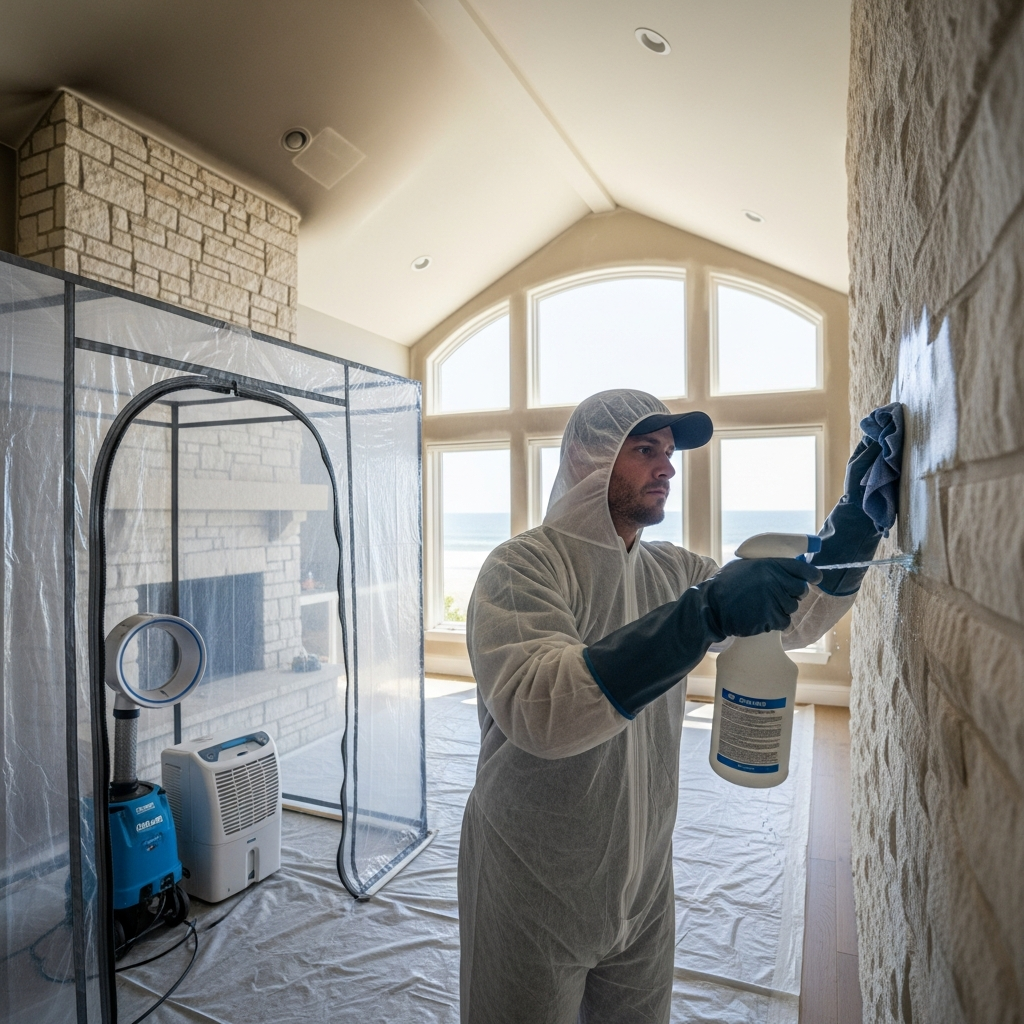
Another way to reframe the conversation is to think about air volume. Drying is a function of moving moisture out of materials and capturing it from the air. A lofty living room with a clerestory requires more environmental control than a compact den, even if their floors measure the same. Containment—using protective barriers to reduce the size of the drying chamber—becomes an important technique for making equipment efficient. That is why you will see top teams in Malibu design temporary boundaries that look almost sculptural, allowing the home to function while the affected zone becomes a precisely managed microclimate.
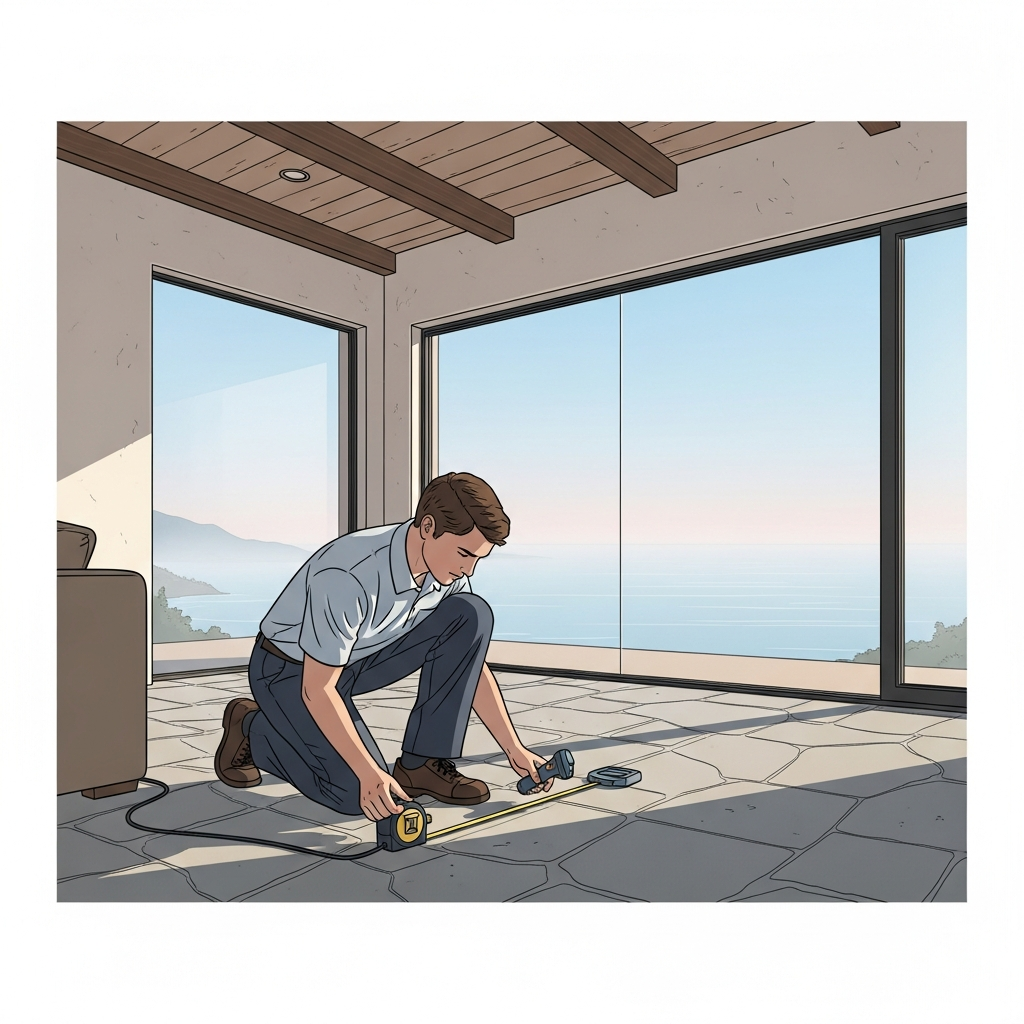
Accurate measurement anchors all of this. Moisture meters, thermal imaging, and daily logs create a map of progress. Decisions about when to reposition equipment, open a small inspection point, or remove a toe-kick are based on data. The result is a process that avoids both under-drying, which risks later problems, and over-drying, which can stress finishes unnecessarily.
Insurance and Expectations Without the Shortcuts
When restoration intersects with insurance, clarity wins. Adjusters respond well to measured readings, photos, and reasoned explanations for each step. A per-square-foot shortcut is not persuasive because it ignores the very factors that determine scope. In Malibu, where custom finishes are common and access can be tricky, a narrative built on building science and logistics is far more reliable than a simplistic multiplier. Top restoration partners prepare that narrative as part of their daily routine.
Setting expectations at the outset is equally important. Homeowners appreciate understanding how lifestyle will be accommodated—where equipment will sit, how noise will be managed, and what areas will remain usable. The best teams walk you through the plan, from stabilization to drying to any necessary repairs, so you can see how each decision protects both structure and serenity.
Resilience for the Next Rain or Leak
Once you have been through a water incident, you see vulnerabilities more clearly. Maintenance becomes proactive rather than reactive. In Malibu, that means attention to roof transitions before the winter rains, verification that landscape drainage moves water away from foundations, and a watchful eye on coastal doors and windows that see a daily dose of salt air and mist. Leak detection sensors and simple routines—like checking under sinks and around appliances—turn into habits that quietly protect your home.
Education is part of resilience. A good restoration partner explains how the equipment works, what the readings mean, and why a day of patience now prevents weeks of frustration later. They help you understand the difference between surface dry and structure dry, and they show you how to monitor vulnerable spots once life returns to normal. That knowledge serves you long after the last machine leaves.
Frequently Asked Questions
Why is per-square-foot not reliable in Malibu? Because assemblies, materials, volume, climate, and access vary widely. Two rooms with the same footprint can require very different drying strategies and timelines.
Can I get a quick ballpark anyway? Generalities ignore the realities that protect your home. A brief site visit and moisture assessment yield a far better picture than any generic multiplier.
Does coastal humidity really slow drying? It can if unmanaged. Skilled teams balance airflow, heat, and dehumidification and use containment to keep drying efficient even when the marine layer lingers.
What makes hardwood floors tricky? Wood swells and cups when wet. Specialized extraction and controlled drying can often save floors, but decisions should be driven by readings, not rushes to remove or replace.
Will I need to leave home during mitigation? Many families remain in place with thoughtful equipment layout and containment. For comfort, some choose to step away during the noisiest phases.
How do I judge a restorer’s plan? Look for clear diagnostics, daily documentation, and explanations that connect tactics to outcomes. The plan should reflect Malibu’s climate and your home’s specific assemblies.
If you want clarity grounded in building science rather than shortcuts, speak with a Malibu team that treats professional water damage restoration as a craft. A focused conversation will replace rules of thumb with a roadmap tailored to your home.
When the unexpected intrudes, choose calm expertise over quick math. Invite seasoned local professionals to evaluate your space and explain how they will protect architecture, indoor air quality, and daily life while work proceeds. From the first reading to the final touch-up, align with experts in Malibu water damage restoration who can turn a complicated moment into a clear, confident plan forward.