Emergency water damage in Malibu rarely announces itself politely. A winter squall can drive rain sideways beneath shingles, a supply line can fail just as you load the car for the canyon, and a rogue wave can leave saltwater lapping at a patio door when tides and wind conspire. In these moments, the difference between a contained incident and a cascading problem is speed paired with know-how. As someone who has walked through surf communities and canyon homes for years, I can tell you that the first hours of response define the next months of recovery. That is why establishing a trusted partner for emergency water damage restoration in Malibu is as essential as keeping a flashlight and fresh batteries in the drawer.
Malibu’s setting is stunning and complex. The Pacific breathes moisture into the air, canyons funnel wind, and microclimates change on a drive short enough to finish a coffee. Roads narrow unexpectedly, gates hide steep driveways, and many homes feature expansive glass, natural stone, and custom woodwork that deserve careful handling. A true emergency response team arrives prepared for all of that. They carry low-profile extractors for tight access, pumps that can run on temporary power, and containment materials that protect spaces that must remain livable while drying proceeds.
In an emergency, safety is the first conversation. Water and electricity are a dangerous combination, and even clean-looking intrusions can conceal contaminants from roofing debris or ground runoff. An experienced team isolates hazards, shuts down utilities if needed, and stabilizes the site before beginning aggressive extraction. They also document thoroughly from the first minutes, preserving a clear picture of conditions should an insurance claim become part of the story.
The First 24 Hours in a Malibu Water Emergency
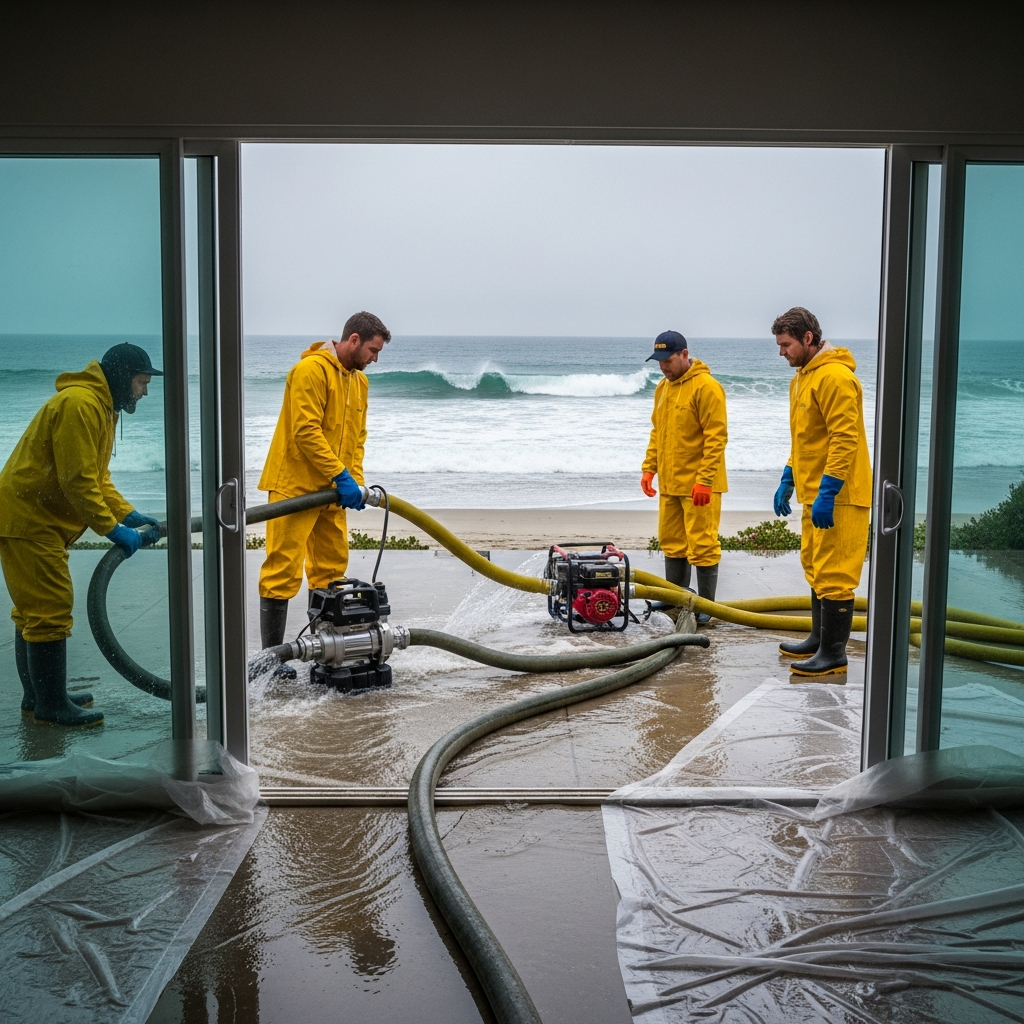
The initial day is a choreography of triage. Stopping the source comes first, whether that means a plumber correcting a failed valve, a roofer closing a wind-torn opening, or a crew diverting intruding water away from a threshold. Extraction follows quickly. In oceanfront settings, saltwater requires special attention because it can be corrosive if left to linger in finishes and mechanical systems. In canyon homes, silt and debris may accompany a flow; careful removal protects flooring and reduces cleanup time later.
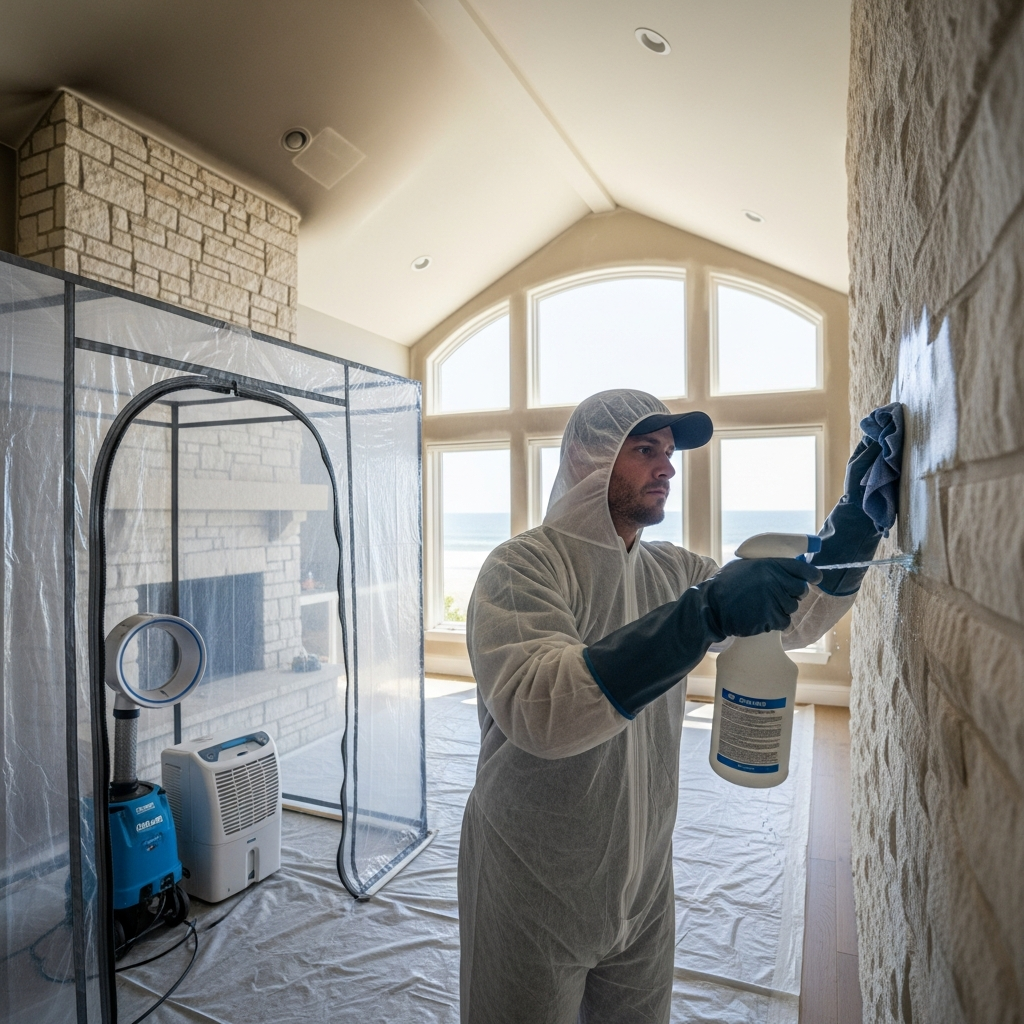
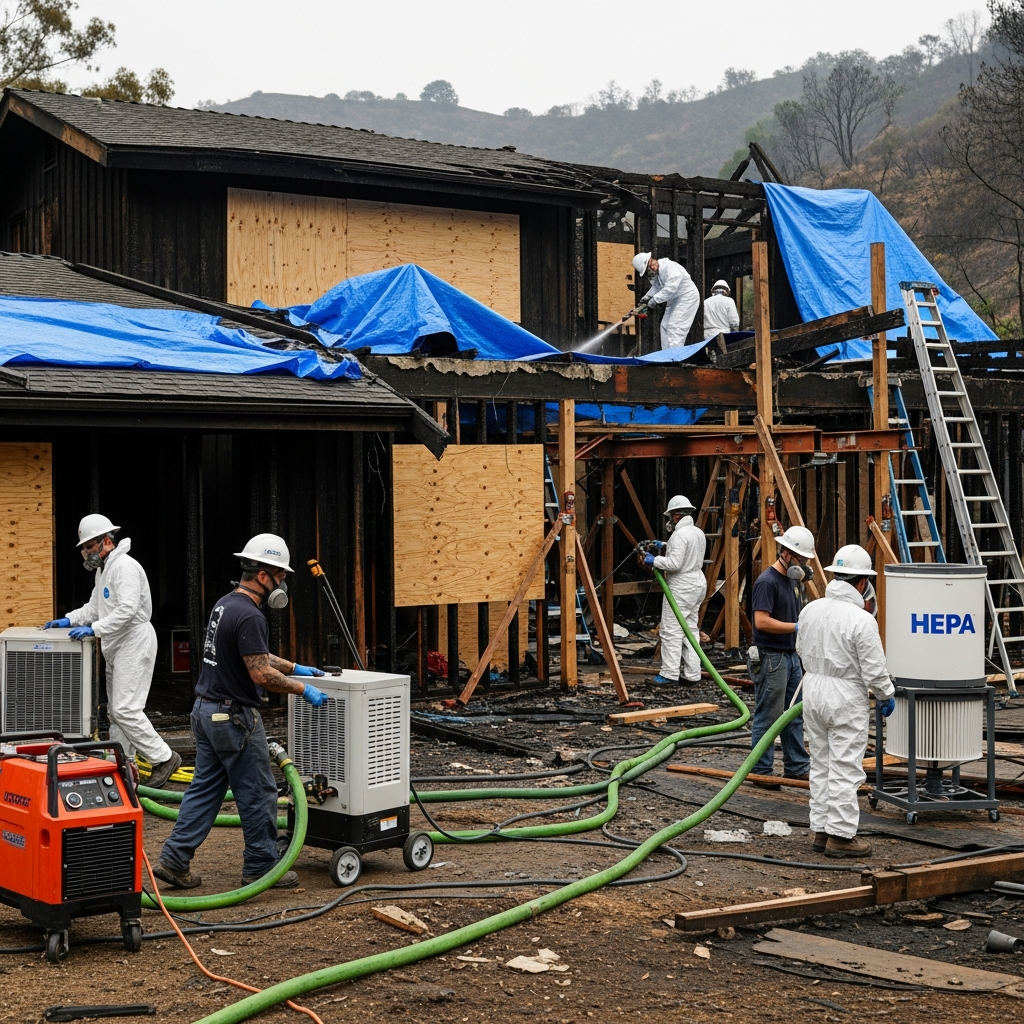
Once standing water is gone, containment divides affected areas from clean ones. Negative air and filtered ventilation may be introduced to keep dust and aerosols from traveling through the home. Then comes the science of drying. In Malibu’s humid coastal air, dehumidification is vital. Teams select the right balance of heat and airflow so that moisture evaporates from materials and is captured in the air treatment process rather than condensing on cool surfaces. Moisture readings drive decisions, not guesswork.
Communication during this window is crucial. Homeowners, tenants, and property managers often face multiple priorities simultaneously, from family logistics to safeguarding keepsakes. A good emergency team assigns a project lead who explains what is happening, what will happen next, and why those steps matter. That guidance lowers stress and supports better outcomes.
Special Considerations for Malibu Properties
Homes perched on bluffs or tucked into canyons present unique challenges. Access may require equipment tailored to narrow lanes or steep climbs. Materials differ, too; wide-plank oak floors and bespoke cabinetry call for gentle but effective techniques to encourage drying without unnecessary removal. Stone terraces and decks can hold moisture longer than expected, transferring dampness inward if not addressed. Salt in the air accelerates corrosion and can complicate the restoration of fixtures and appliances after an intrusion.
Multi-level layouts are common, and water obeys gravity. That means a second-floor laundry leak can quietly migrate through framing, showing up later as a ceiling stain or a soft baseboard in a distant room. The best emergency responders think vertically. They follow the paths water takes, open small inspection points where necessary, and confirm that hidden cavities are drying. This approach saves time and avoids the unwelcome surprise of a secondary problem weeks later.
For rental and second homes, speed of notification is its own challenge. Many Malibu properties are cherished retreats visited on weekends or seasonally. Remote monitoring devices help, but when an alarm sounds, you need a partner who can mobilize fast, coordinate with neighbors or caretakers, and provide visual updates so you can make decisions from afar. The teams who do this well build trust that lasts well beyond the emergency itself.
From Stabilization to Full Recovery
Emergency mitigation is only the beginning. After stabilization and drying, the path to full recovery can involve selective repairs, finish restoration, and sometimes improvements that make the property more resilient. The best teams plan for that continuum from day one, documenting materials and finishes, preserving samples where needed, and coordinating with artisans skilled in Malibu’s preferred aesthetics. A properly managed project protects not just the structure but also the story and feel of a home.
Indoor air quality is a frequent concern, especially when occupants need to remain in place during drying. Professional crews set up equipment layouts that maintain safe pathways, protect sleeping areas from noise and airflow, and use filtration to keep dust to a minimum. They schedule noisier activities to respect daily rhythms, from school schedules to work-from-home calls. When temporary power is necessary after a storm, they run equipment efficiently and safely without overwhelming the home’s systems.
In the thick of it, content protection matters. Rugs, art, instruments, and heirlooms deserve thoughtful handling. Experienced teams elevate furniture, pad delicate items, and create secure staging spaces. They photograph and inventory so that everything returns home clean and accounted for. That level of care is part of true emergency service, and it sets apart teams built for Malibu’s expectations.
Why Speed Matters Without Cutting Corners
It is natural to want the water gone yesterday and life back to normal tomorrow. But rushing without a plan creates risk. Trapped moisture can lead to odors or microbial growth, and unnecessary demolition can lengthen a project and disturb the home more than needed. The best emergency responders pair pace with discipline. They dry fast where fast is safe, and they slow down where a measured approach will protect finishes, structure, and indoor air quality. They explain those decisions so you understand why a loud machine remains for another day or why a cabinet toe-kick was removed to encourage airflow behind it.
Mid-project reassessments are healthy. Malibu’s coastal conditions can shift in a single afternoon, and indoor readings respond to outdoor changes. That is why teams who specialize here build flexibility into schedules, revisit equipment placement, and adapt drying goals to reality rather than forcing a one-size-fits-all plan. If you are looking for guidance while you are still mopping up or considering who to call, seek a company deeply experienced in professional emergency water damage restoration and familiar with the nuances of Malibu’s climate and construction.
Preparing Before the Next Storm
After you have lived through a water emergency, you see your home differently. You notice gutter angles, roof valleys, and the slope at the base of a French door. Preparation does not have to be complicated. It begins with knowing shutoff locations, keeping key contacts handy, and setting up alerts on leak sensors. Seasonal roof checks, trimming foliage that keeps walls shaded and damp, and verifying drainage away from foundations are simple habits with outsized impact. Taking these steps turns a future emergency into a manageable project rather than a crisis.
Frequently Asked Questions
How fast can a crew arrive in Malibu? Response times vary with weather and traffic, but dedicated emergency teams plan for Malibu’s geography and strive to be onsite quickly, even during storm surges when the Pacific Coast Highway is busy.
Do I need to leave my home during emergency drying? Not always. Many projects can maintain safe living areas with careful containment and equipment placement. For comfort, some families choose short stays elsewhere during the noisiest hours.
Will saltwater change the process? Yes. Salt can be corrosive, so materials and mechanicals require special attention, and rinsing or targeted cleaning may be part of mitigation before drying proceeds.
What if I am away when a leak happens? A trusted local partner can coordinate access, provide visual documentation, and begin stabilization immediately so damage does not escalate while you travel back.
How long does drying usually take? Timelines depend on materials, extent, and weather. Coastal humidity can extend drying if unmanaged, which is why the right balance of heat, airflow, and dehumidification is essential.
Can hardwood floors be saved after an emergency? Often they can if action is prompt. Specialized floor drying and close monitoring help decide whether repair or replacement will be necessary later.
What about odors after a water event? Odors typically resolve with thorough drying and cleaning. If hidden moisture remains, professionals will locate and address those pockets to prevent recurring smells.
If you are staring at a spreading puddle or a darkening ceiling right now, the most important step is to bring in calm, capable help. Malibu rewards professionals who respect the landscape and the homes built to frame it. Reach out to a team proven in Malibu emergency water damage restoration and let their experience turn a jolt of panic into a clear, steady plan forward.