Residents along the Malibu coastline and throughout the canyons know that fire does not respect city limits. Smoke and embers can ride the wind from far inland, while suppression efforts leave a different kind of imprint on homes perched above the Pacific. In this crosswind of risks, there’s a quiet advantage Malibu enjoys: the depth and reach of restoration resources based in Woodland Hills. From equipment availability to canyon-road know-how, the synergy between these neighboring communities brings concrete benefits when the stakes are high. Understanding how these advantages play out helps you make faster, more confident choices on the day you need them most. For a deeper grounding in the craft itself, it’s worth revisiting what professional fire damage restoration covers, why timing matters, and how local familiarity shortens the path back to normal.
When smoke drifts across the 101 and over the ridge, it doesn’t bring one kind of residue. Malibu homes often face a mosaic: dry soot from fast brush fires, protein residues from kitchen mishaps, and oily films from structure fires miles away. Add coastal humidity and salt air, and the result is rapid corrosion and persistent odors if not addressed precisely. The proximity of Woodland Hills crews means equipment and specialists can arrive quickly, before those residues etch, stain, and embed deeper into finishes and fabrics.
Logistics that turn minutes into material savings
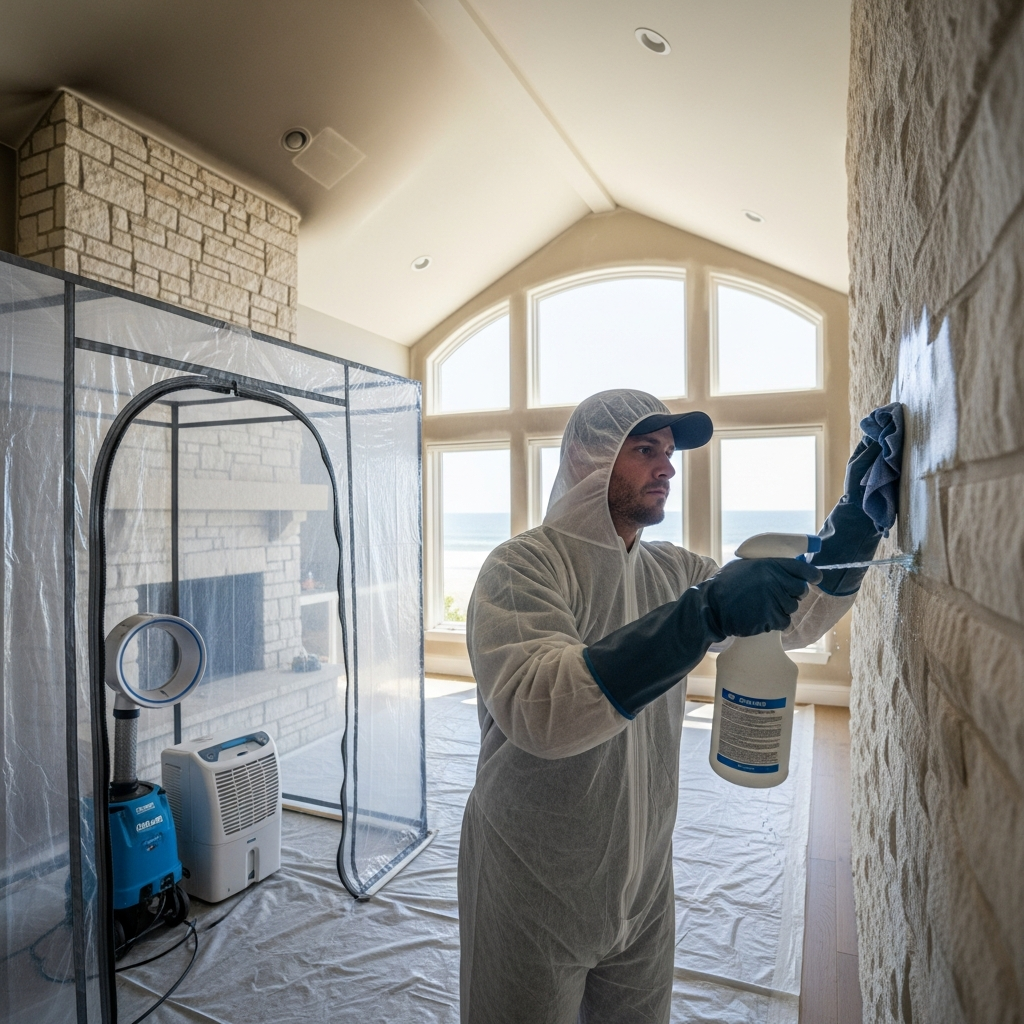
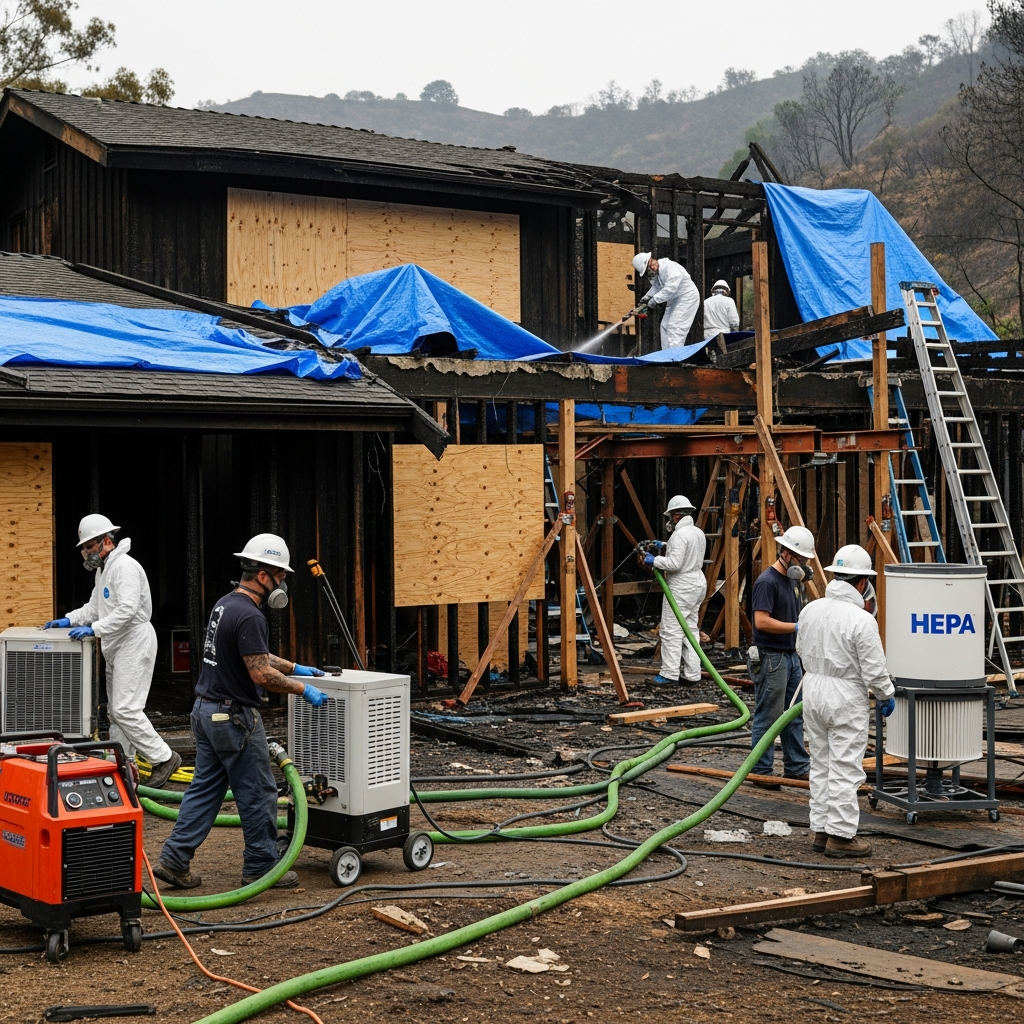
One of the biggest benefits Woodland Hills brings to Malibu is logistics. Valley-based warehouses carry a larger fleet of dehumidifiers, negative air machines, HEPA scrubbers, and specialty tools. When multiple neighborhoods are affected at once—a common reality during Santa Ana events—this surplus translates into action instead of waiting. Trucks roll through Calabasas and Topanga with gear staged for steep driveways, narrow turnarounds, and gated access. The earlier containment goes up and filtration spins, the smaller the area that needs intense cleaning later.
Road closures and detours are part of life here. Crews familiar with the canyons know alternate routes and how to stage equipment at the base of long private drives when larger trucks can’t pass. This experience looks invisible on a proposal, but on day one it’s the difference between losing another 24 hours to planning and beginning mitigation immediately.
Technical expertise tuned to a coastal environment
Malibu is beautiful in part because its homes open to ocean air. That same openness leaves houses vulnerable to smoke infiltration. Technicians working both sides of the hill recognize the patterns: ash that drifts under sliders, particles that settle in cabinet toe-kicks, and odors that seem to come from nowhere because they’re trapped in insulation around recessed lights. Techniques shift in response—more emphasis on source removal, careful sequencing of dry and wet cleaning, and deodorization methods selected for complex air pathways.
Electronics and fixtures deserve special attention. Salt air plus soot is a perfect recipe for corrosion. Crews trained to triage sensitive items quickly can decide what to unplug, what to move to a controlled environment, and what can be saved with careful cleaning. Saving a handful of key devices or preserving finishes that would otherwise pit and tarnish is a tangible benefit that residents feel long after the last air scrubber is packed up.
Documentation and insurer collaboration
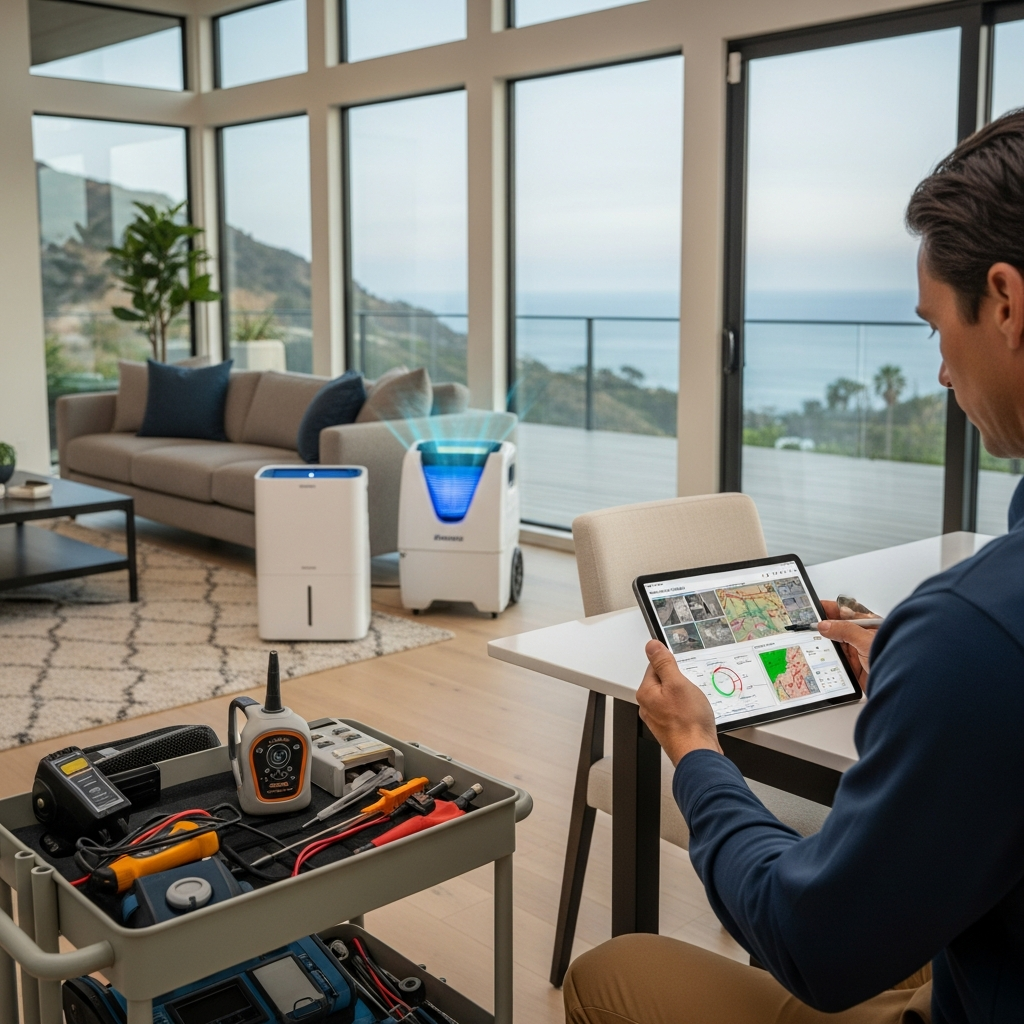
Another underappreciated benefit is documentation. A clear, well-structured record of what was damaged, how soot traveled, and what steps were taken guides insurer approvals and speeds repairs. Woodland Hills teams accustomed to serving both the Valley and the coast often build reports that anticipate adjuster questions. Moisture maps, inventory lists, and photographic narratives show cause and effect, supporting a restoration path that avoids unnecessary delays.
Communication is a benefit in its own right. Homeowners who know what’s coming tomorrow can plan family life around containment zones, pack-outs, and return deliveries. That predictability lowers stress and keeps collaboration smooth, even when schedules tighten around red flag warnings or inspector availability.
Mid-course corrections made from experience
Restoration is a living process. Halfway in, it’s common to discover a new odor reservoir in a closet backing a bathroom vent or a moisture pocket under a stair landing that didn’t show in the first walkthrough. Teams who have seen hundreds of Malibu and Woodland Hills properties move decisively in these moments, adding a small containment wall or adjusting air scrubber placement to keep the plan on track. The benefit to you is fewer surprises at the end, when you most want to settle back in and exhale.
This is also when roof and exterior work interlocks with interior cleaning. If winds have driven ash into eaves, gutters, and attic spaces, coordination with roofing and HVAC specialists becomes crucial. Woodland Hills hubs tend to maintain these trade relationships, making it easier to schedule complementary work so that newly cleaned interiors aren’t exposed to fresh contaminants from above.
Health protections that respect families and routines
Living through a restoration can feel like camping in your own home. The best crews minimize that feeling. They design safe pathways, establish clean zones, and run air filtration continuously. When partial occupancy is viable, they outline which rooms remain safe to use and which should stay sealed. These considerations might sound simple, but they’re the lived-in benefits families remember most—being able to sleep in a bedroom that smells neutral or cook in a kitchen that feels like itself again while the last details are resolved.
Verification is another health benefit. Post-cleaning checks, from particle monitoring to simple white-glove tests on high shelves, confirm that the work has achieved its goals. Where sensitivities are high, additional deodorization or targeted re-cleaning can be planned without derailing the entire schedule.
Community resilience: the larger picture
Woodland Hills and Malibu share more than a ridgeline; they share a rhythm of seasons that teach everyone to prepare, respond, and recover together. The mutual benefit shows when multiple homes are affected at once. Scale from the Valley shores up coastal needs, and lessons learned in one canyon are carried to the next. Over time, this flow of knowledge and resources raises the standard of recovery for the entire region, including improved choices in building materials, better ember screening, and smarter landscaping that slows fire spread.
As repairs wrap, many families ask how to reduce the impact of future events. Technicians trained in both communities bring practical suggestions: sealing attic hatches, upgrading door sweeps, selecting low-porosity paints, and planning storage routines for soft furnishings during red flag seasons. These are quiet benefits, the kind that reveal themselves on a windy night when smoke swirls and your home stays cleaner, quieter, and safer inside.
Frequently Asked Questions
Why do Malibu homeowners often work with Woodland Hills restoration teams?
Because those teams combine proximity with scale. They have more equipment ready, know the canyon routes, and arrive quickly to stabilize properties before soot and moisture cause secondary damage. That speed and experience translate into cleaner outcomes and shorter projects.
Does coastal humidity change the restoration process?
Yes. Humidity and salt speed corrosion, so electronics and metal finishes need early attention. Drying strategies adjust to avoid warping woods and to reach moisture pockets in hillside construction, while odor control prioritizes source removal in complex airflow paths.
Is it safe to stay in the house during restoration?
Sometimes. With strong containment and continuous HEPA filtration, partial occupancy can work. Families with respiratory sensitivities often prefer a short-term move until heavy cleaning and deodorization pass, after which returning to normal is more comfortable.
How do teams handle the smell that lingers after visible cleaning?
Persistent odors usually indicate hidden reservoirs—insulation, cabinet interiors, or HVAC components. Targeted cleaning and measured deodorization address these areas. Verification ensures the air feels and smells neutral before the project closes.
What long-term benefits come from a well-managed restoration?
Beyond a clean, safe home, families often integrate small resilience upgrades—better seals, smarter materials, and refined maintenance routines—that make future smoke events less disruptive. The result is comfort that lasts well past the final walkthrough.
If you want the confidence that comes from coordinated logistics, informed techniques, and steady communication, bring in a team that works seamlessly from the Valley to the coast. We’ll protect what matters, document clearly, and keep your project moving from first steps to finish. Begin your recovery by scheduling professional fire damage restoration today, and let’s restore the calm and comfort you expect from life in Malibu.