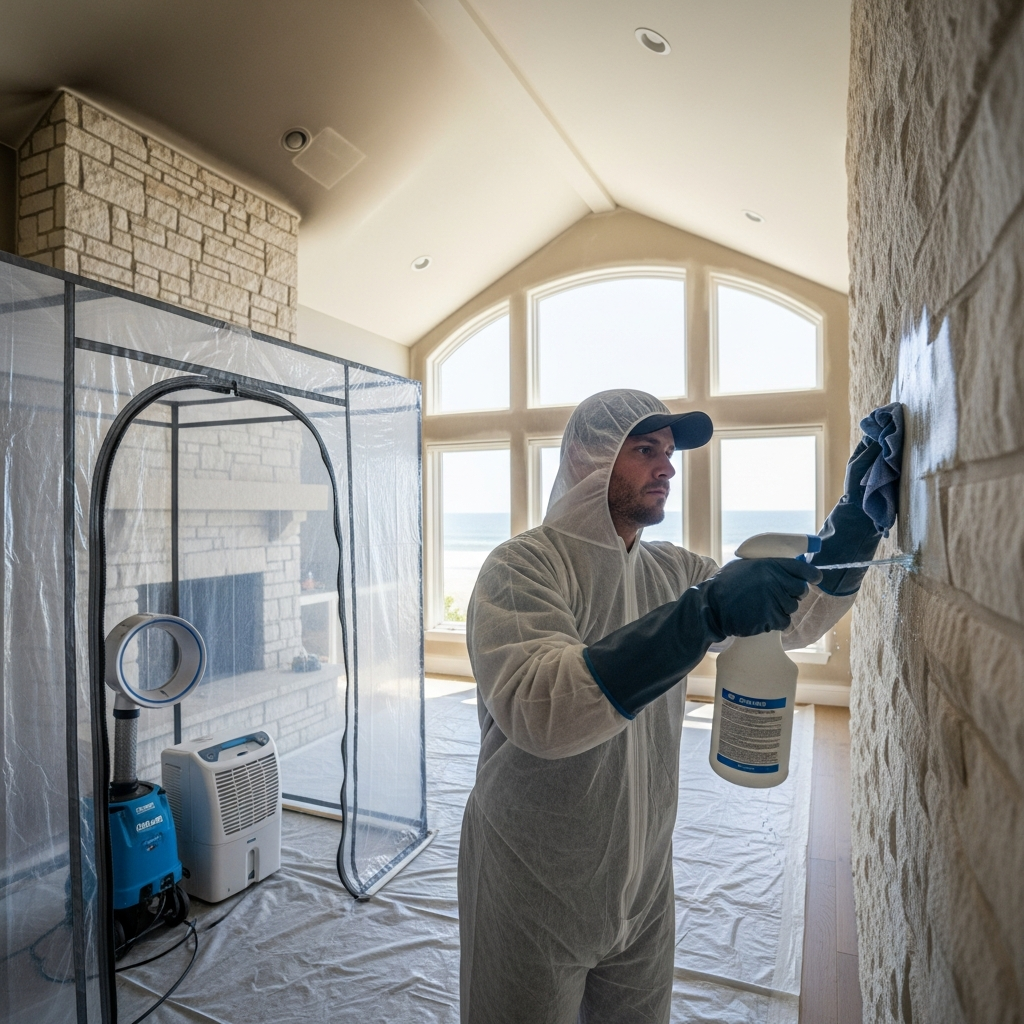
When the last air scrubber leaves and the final walk-through is complete, Malibu homeowners often ask the same question: what now? Restoration gets you across the finish line, but good maintenance keeps you there. In our coastal-canyon environment, the steps you take after a loss determine how comfortable, healthy, and resilient your home will feel in the months and years ahead. Drawing on practices refined by Calabasas teams who work in Malibu every day, the following guidance focuses on practical habits that protect your investment and preserve the results of professional fire damage restoration.
Our climate shapes the playbook. Morning marine layers, afternoon winds, and cool nights influence how air moves and where particulates settle. The same windows and sliders that make indoor–outdoor living so appealing also invite ocean air, pollen, and dust. Post-restoration maintenance recognizes these rhythms and uses them to your advantage, keeping the home fresh, reducing recontamination, and minimizing wear on systems that were carefully cleaned and balanced during recovery.
Just as important is mindset. Maintenance is not about doing everything, all at once; it is about repeating the right small steps regularly. A few minutes of attention at the right time—before a Santa Ana wind event, ahead of a foggy week, or after a gathering with doors wide open—has an outsized impact on air quality, surfaces, and comfort. Think of it as tuning the home to the environment so the results of restoration stay locked in.
Protecting Indoor Air Quality Day to Day
After restoration, your HVAC system should be clean, filters upgraded, and ductwork addressed. Keep that advantage by changing filters on a schedule recommended by your contractor, which may be more frequent than pre-loss habits due to remaining dust in the neighborhood or ongoing exterior work. If your home uses multiple air handlers, note which zones see the most use and adjust filter schedules accordingly. Running the fan in circulation mode for short intervals can help even out temperature and air quality without overworking the system.
Ventilation is a tool, not a reflex. Opening doors and windows to the ocean breeze feels right, but choose timing based on conditions. On high-pollen mornings or during ash-laden winds, rely more on filtered air. When the marine layer burns off and the air clears, take advantage of natural ventilation to flush spaces. This rhythm respects Malibu’s daily cycles and protects the clean baseline established during restoration.
Surfaces, Textiles, and Finishes
Many finishes respond well to gentle, consistent care. Use the cleaning methods recommended during your closeout: neutral cleaners for stone, soft cloths for lacquered or oiled woods, and vacuuming with a HEPA-equipped machine for rugs and upholstery. The goal is to remove dust before it becomes grime and to avoid products that could etch or embed residues. If a faint odor appears in a textile after a humid morning, a bit of sun and airflow often resolves it; if not, schedule a professional refresh before the issue settles in.
Pay particular attention to high-touch, high-visibility areas—kitchens, sliders, and stair rails. Finger oils and daily dust combine to create films that catch and hold airborne particulates. Quick wipe-downs keep these areas from becoming sources of musty or smoky smells. For window glass and metal fixtures near the coast, occasional neutralizing wipes followed by a dry buff slow corrosion and preserve the clarity and luster you expect.
Caring for the HVAC System Long Term
Your HVAC system worked hard during restoration and will continue to anchor indoor air quality. Keep returns clear of furniture and textiles so airflow remains balanced. If you adjusted vents or dampers during repairs, confirm they are back to normal positions. Seasonal maintenance—coil cleaning, drain line checks, and professional inspections—prevents the slow drift toward inefficiency and odor. If a room develops a recurring smell when the system cycles, address it quickly; that is a sign of a filter issue, a small moisture problem, or a forgotten cavity that needs attention.
Zoned systems are common in Malibu homes; treat each zone like its own mini-environment. A guest suite that sits empty for weeks can become stale. Run that zone briefly every few days to keep air moving and to catch filter or drain issues before guests arrive. In living areas with large sliders or stacking doors, consider a short airing-out followed by a return to filtered air so salty moisture does not linger and condense on cool surfaces.
Exterior Habits That Protect the Interior
Much of post-restoration success is decided outside. Clear gutters and roof valleys before windy stretches so debris does not collect and dry into fuel. Sweep or rinse decks and patios after ash or pollen events so residues are not tracked indoors. Pay attention to planters and mulch against the house; keeping a modest, well-tended buffer reduces harborages for embers and keeps moisture away from walls and sills.
Doors and sliders deserve special care. Tracks collect dust, pollen, and coastal salts that grind into hardware and seals. A quick vacuum and wipe preserves smooth operation and prevents tiny gaps that invite odor and particulates. Weatherstripping that was replaced during restoration should be inspected seasonally to maintain a tight envelope, especially in homes that face prevailing winds or sit higher on a ridge.
Managing Moisture Proactively
Coastal living means dealing with humidity. Even after restoration, a small leak or condensation issue can disturb air quality and comfort. Watch for fogging between panes, slow drains at condensate lines, or faint musty odors in closets and under sinks. Address small problems early to prevent bigger ones. Portable dehumidifiers can help during exceptionally damp weeks, especially in rooms with limited airflow or in lower levels that sit partly below grade.
Bathrooms and kitchens benefit from consistent exhaust fan use. Run fans during and after showers or cooking to remove moisture and odors. If fans were upgraded during restoration, you will likely notice quieter, more effective operation—use that advantage. In older homes, consider timer switches so ventilation continues for several minutes after you leave the room, letting surfaces dry fully.
Contents and Soft Goods
Rugs, drapes, and upholstered furniture appreciate routine, gentle care. Vacuum slowly with a HEPA machine to capture the finest dust. Rotate rugs to even out sun exposure and wear, and schedule professional cleaning for pieces that see heavy use. Bedding and closet items that sat in storage during restoration should be aired and laundered seasonally. These small habits keep soft goods from becoming odor reservoirs that would otherwise undo the fresh baseline you worked hard to achieve.
Sentimental items and artwork benefit from attention to placement and microclimate. Avoid hanging delicate pieces on exterior walls that may be cooler and prone to condensation. Use museum putty for objects on shelves so that cleaning vibrations or minor tremors do not send them to the floor. If a piece ever develops a persistent odor after a weather event, seek specialty cleaning promptly; time is an ally when it comes to delicate materials.
Seasonal Checkpoints that Fit Malibu’s Rhythm
Twice a year, give the home a brief but focused audit. Before the dry season and again as winter rains approach, walk the property with a critical eye. Look at roof planes, valleys, and gutters. Confirm that vents are clear and in good repair. Examine weatherstripping, door sweeps, and window seals. Note any exterior gaps where wind might drive dust or embers. Inside, open access panels to peek into attics or crawlspaces. A fifteen-minute survey catches small shifts before they become projects.
Pair those checkpoints with a quick review of emergency supplies and home systems. Test smoke alarms, confirm fire extinguisher gauges are green, and make sure family members know where shutoff valves are. These are simple steps, but they reinforce the resilience that restoration began, ensuring your home is ready for whatever the next season brings.
Working with Your Restoration Partner After the Job
Good companies do not disappear after final billing. Keep the lines open. If you notice a recurring odor in a room, a discolored patch on stone, or a door that sticks after a damp week, reach out. A quick site visit can often resolve the issue before it grows. Many Calabasas-based teams offer maintenance refreshes—a day or two of targeted work—to reset high-use spaces after a busy summer or before the holidays. That kind of partnership keeps the home feeling settled and spares you from reinventing the wheel.
Documentation from your project is useful beyond insurance. Keep copies of moisture maps, material data sheets, and any recommendations issued at closeout. When a future contractor asks what products were used on your floors or which filters fit your air handlers, you will have an authoritative answer. This continuity protects finishes and keeps systems performing as designed.
Resilience Upgrades That Pair Well with Maintenance
Some upgrades dovetail naturally with routine care. Ember-resistant vents reduce the risk of intrusion and make seasonal cleaning faster. Improved attic air sealing not only blocks smoke pathways but also stabilizes indoor temperatures. Ignition-resistant decking simplifies exterior upkeep, and tempered glass adds a layer of safety and durability to large window walls. These are not cosmetic changes; they are functional improvements that reinforce the maintenance you are already doing.
Landscaping choices play a role as well. Succulents and well-spaced, irrigated plantings near the home reduce ignition potential and collect less airborne debris. Gravel or stone borders at the base of walls ease cleaning and keep soil—and the fine dust that rides onshore breezes—out of tracks and thresholds. When maintenance and design work together, both become easier.
Community Considerations and Neighborly Coordination
Maintenance is contagious in the best possible way. When one property keeps decks, roofs, and patios clear, wind-blown debris is reduced for the entire street. Consider a seasonal check-in with neighbors to coordinate roof and gutter cleaning. If multiple homes hire on the same day, access and scheduling can be simpler and less disruptive for everyone. Shared habits reinforce shared peace of mind.
For associations or streets with architectural guidelines, periodic communication about exterior cleaning methods and acceptable products helps protect both aesthetics and building performance. Malibu’s neighborhoods pride themselves on visual harmony. Aligning maintenance with those expectations shows care for the whole community, not just a single parcel.
Frequently Asked Questions
How often should I change HVAC filters after restoration?
Start with the schedule your contractor recommends, which may be monthly for the first few cycles and then every one to three months depending on usage, occupancy, and local conditions. Homes near active construction or exposed to frequent onshore breezes may benefit from more frequent changes. Check filters visually; if they are dark or airflow seems reduced, replace them sooner.
What if a smoke odor returns months later?
Odor that reappears often points to a small, overlooked source or a change in airflow. Begin with the simple checks: filters, door and window seals, and any closets or storage areas that remained closed for long periods. If the smell persists, schedule a focused inspection. Targeted cleaning or a brief deodorization session typically resolves it quickly once the source is identified.
Are there cleaning products I should avoid?
Avoid harsh acids, abrasive powders, and generic “heavy-duty” degreasers on stone, metals, and fine woods. These products can etch, scratch, or leave films that trap odor. Stick with neutral pH cleaners and soft cloths or pads recommended during your project closeout. When in doubt, test in an inconspicuous area or call your restoration partner for guidance.
Can I keep windows open to the ocean air?
Absolutely—just be strategic. Choose times when air quality is good, winds are moderate, and humidity is not extreme. Balance fresh-air sessions with periods of filtered HVAC operation to capture any particulates that enter. Cleaning tracks and hardware regularly protects seals and keeps operation smooth, preserving the envelope that restoration established.
What seasonal tasks have the biggest payoff?
Clearing roofs and gutters, inspecting vents and weatherstripping, and servicing HVAC systems yield the greatest return. These steps reduce intrusion of debris and moisture, maintain indoor air quality, and keep equipment performing efficiently. Pair them with a brief interior audit for signs of moisture or odor, and you will stay comfortably ahead of problems.
When your home has been restored, you deserve to relax and enjoy the view again. With a few smart habits and a responsive partner, you can keep that fresh, clean feeling season after season. If you would like a checkup or need help planning a maintenance routine tailored to your property, reach out to a trusted local team for expert fire damage restoration support and keep your Malibu home in peak condition.