In a community where ocean breezes meet canyon winds, Malibu residents know that a small spark can ripple far beyond the first plume of smoke. When the unexpected happens, “affordable” isn’t about a bargain; it’s about smart, efficient steps that prevent small problems from becoming big ones. As a restoration professional serving both Malibu and Woodland Hills, I’ve learned that affordability comes from preparation, timing, and precision. The teams that protect your budget are the ones that protect your home from secondary damage, communicate clearly, and keep momentum steady from day one. If you’re just beginning to gather information, it helps to understand what professional fire damage restoration looks like when designed for value without cutting corners.
Value in Malibu has its own rules. Coastal humidity accelerates corrosion in the wake of smoke, and hillside construction can hide water from firefighting in places you won’t see until buckling or odor appears. The sooner skilled technicians can stabilize your property, the fewer surprises you’ll face and the more of your home’s materials you’ll be able to save. That’s the essence of affordability: doing the right things first and avoiding do-overs that cost time and peace of mind.
Affordability starts with mitigation, not finish work
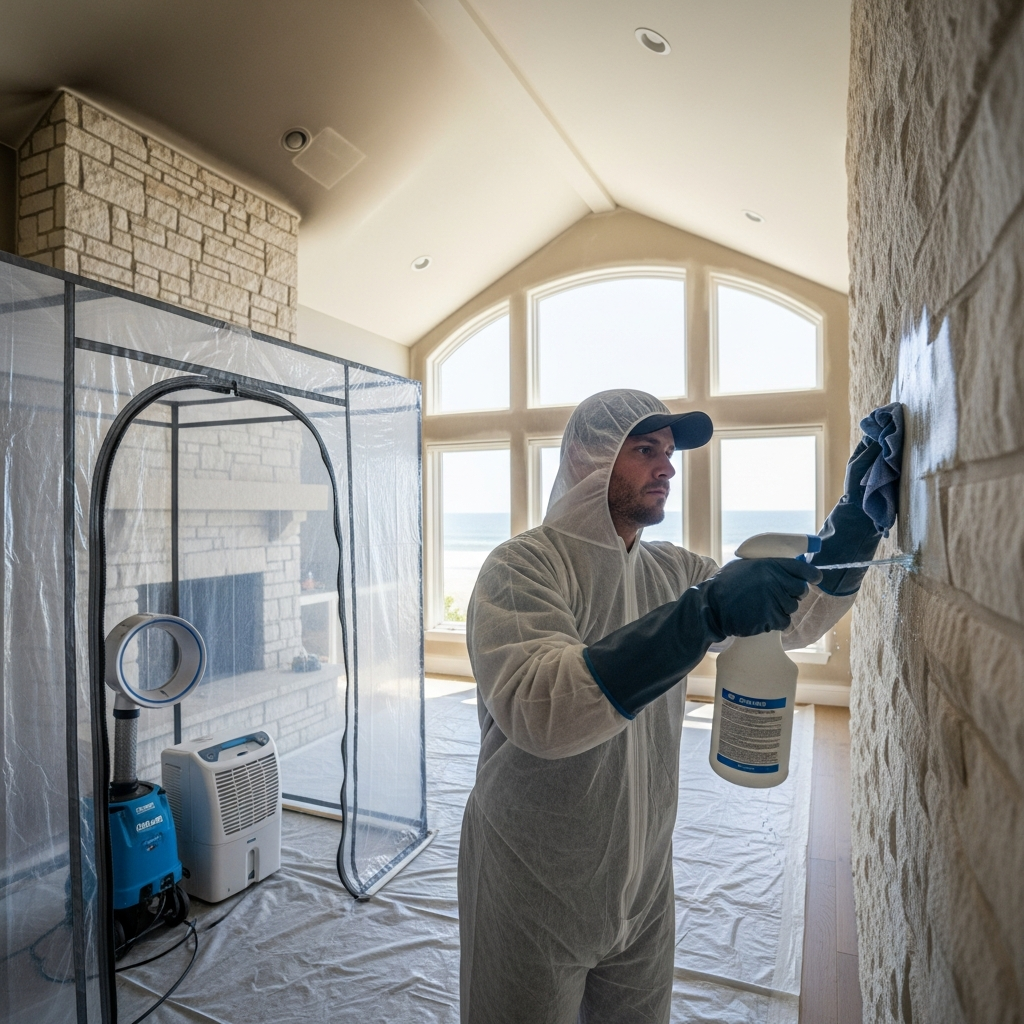
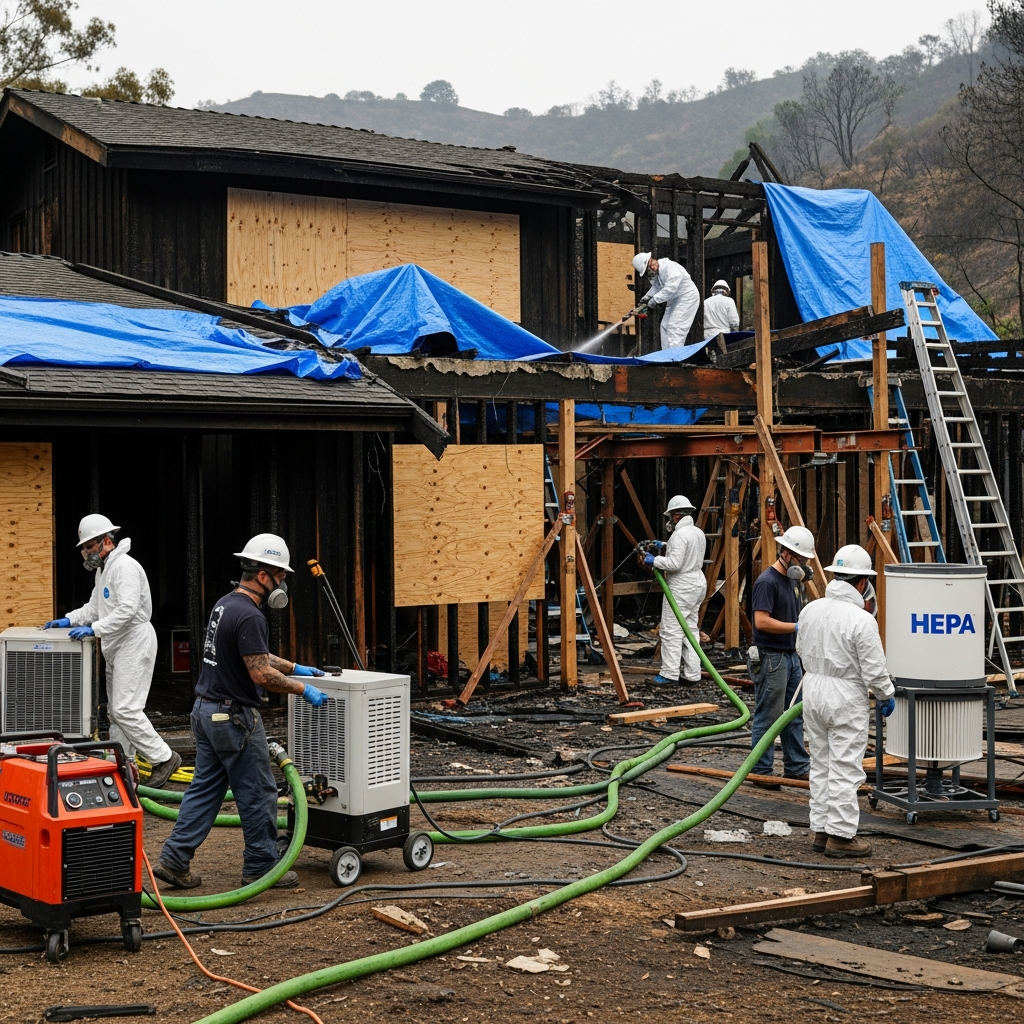
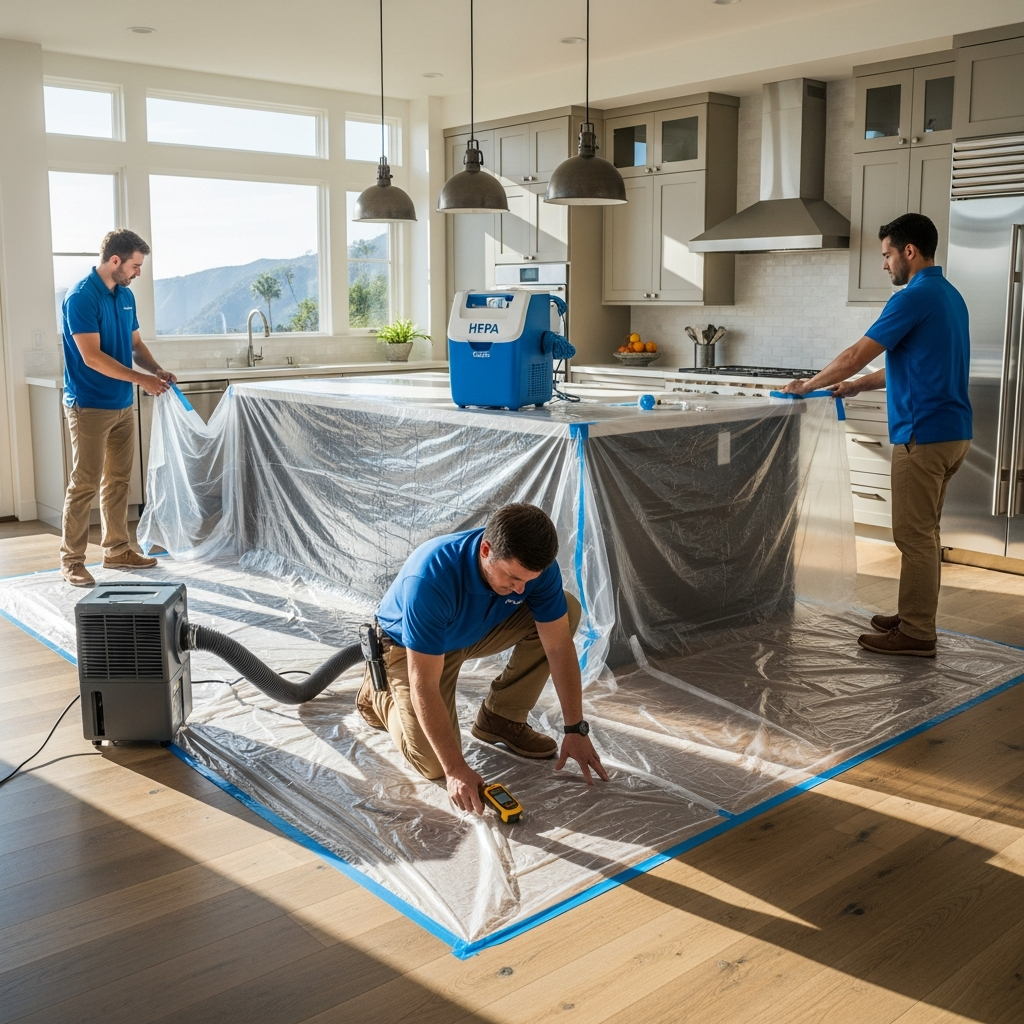
The most cost-effective restoration jobs begin with sharp mitigation: fast containment to stop soot migration, correctly sized HEPA filtration, and moisture control if water was used. It may not feel glamorous to see plastic barriers, air scrubbers, and moisture meters appear before paint swatches, but that’s where your long-term savings live. Proper containment keeps clean rooms clean, saving labor later. Right-sized filtration reduces the number of cleaning passes needed. Early drying halts swelling, warping, and microbial growth, all of which are far more complex to fix after the fact.
In Malibu, we also account for salt air’s effect on electronics and fixtures. A quick wipe won’t stop corrosion; identifying high-risk items early, disconnecting power, and arranging specialty cleaning for sensitive components pays dividends. Each item saved is one you won’t replace, and each room protected from cross-contamination shrinks the scope of cleaning downstream.
Transparent scopes and expectations cut waste
Another pillar of affordability is clarity. A homeowner who knows what will happen tomorrow is less likely to request last-minute changes that disrupt schedules and increase labor. That’s why we build itemized scopes and walk you through the why behind each step. When you understand the difference between dry soot and protein residues, or between fogging and targeted surface cleaning, you can approve the right approach without hesitation.
We also calibrate expectations around what can be cleaned in place versus what should be packed out. Soft goods, art, and heirlooms often require controlled environments to remove trapped odors safely. By making those calls early, we avoid repeated handling and potential damage, again protecting the budget by reducing missteps.
Techniques that deliver results without excess
It’s tempting to believe more chemicals mean faster results, but smart restoration balances chemistry and technique. In kitchens with protein smoke, for example, an aggressive cleaner used too soon can set stains. Instead, we step through dry removal, then controlled wet cleaning with pH-appropriate solutions. On coastal hardwoods, we avoid excessive moisture that might open grain, leading to future refinishing. Precision doesn’t just look good on paper—it shows up in fewer return trips and a cleaner, safer final product.
Odor elimination is another area where measured tactics matter. Thermal fogging and hydroxyl generation both have a place, but neither is a magic wand. We map odor reservoirs first—cabinets, insulation voids, HVAC components—then choose targeted methods. The more we focus on true sources, the fewer cycles we need, and the lower your total outlay in time and disruption.
Working with Woodland Hills crews for Malibu homes
From a financial-efficiency standpoint, the Woodland Hills base is an asset for Malibu. Larger warehouses mean more equipment ready to deploy, so you aren’t paying with your time for a dehumidifier that has to be borrowed from across the county. Crews who drive the canyons daily move faster and know how to stage around road closures during red flag days. This logistical muscle translates into quicker stabilization, minimized secondary damage, and a smoother glide into repairs.
Equally important is coordination among trades. A well-sequenced project won’t have painters arriving before deodorization is complete or flooring installers scheduled ahead of final moisture checks. Orchestration is not just a convenience; it’s a savings engine. When the right people are in the right place at the right time, you avoid rework and keep the project on a single, efficient track.
Insurance collaboration that preserves momentum
Affordability benefits from documentation. We capture photos, moisture maps, and inventories with an adjuster’s viewpoint in mind. A claim that reads clearly tends to move quickly, and a project that moves quickly avoids the extended rentals, storage fees, and lifestyle disruptions that quietly add to your burden. Regular updates keep everyone aligned, reducing delays caused by uncertainty or unanswered questions.
Homeowners also find value when they understand what is and isn’t typical. For instance, replacing slightly smoke-exposed insulation in a small attic chase could save weeks of lingering odor investigations later. Clarity at these decision points is where experience pays off in both comfort and efficiency.
Mid-project checkpoints that protect the plan
Halfway through, we reassess the space: Are air scrubbers placed optimally? Do we need additional containment to protect a newly cleaned wing of the house? Have we captured all odor reservoirs, or does a closet backing to a bathroom vent need extra attention? These questions may seem minor, but addressing them midstream prevents backtracking. A strong plan is only affordable if it remains aligned with the evolving reality in your home.
We also revisit pack-out and storage strategies. Items that have finished deodorization can return in waves, allowing you to use parts of your home sooner. Thoughtful returns reduce storage time and keep your household rhythm intact. Piece by piece, that stability lowers stress and the knock-on costs that come with prolonged displacement.
Preparedness: the affordable strategy you control
Nothing is more budget-friendly than avoiding damage in the first place or making it smaller. In Malibu, that looks like seasonal routines: trimming back flammable landscaping, storing outdoor cushions on red flag days, and confirming ember-resistant vent screens are intact. Inside, it’s about selecting low-porosity paints, sealing stone counters, and upgrading weatherstripping so smoke is less likely to intrude. For homes with aging HVAC, consider MERV-rated filters compatible with your system and keep spares on hand for smoke days. These steps don’t require a dramatic overhaul, but they pay you back the moment the wind shifts and the sky turns sepia.
Pre-loss photo documentation is another affordable tool. Take a weekend to photograph every room, closet, and valuable item. If anything happens, you’ll be ready to show your insurer and your restoration team what “normal” looked like. That clarity speeds approvals and decisions, translating into fewer days of uncertainty and a quicker return to your routines.
Community perspective: what neighbors have taught us
Over years of work from Broad Beach to Point Dume and up into the canyons, I’ve seen that neighbors who share tips and resources recover faster. Simple measures—like lending a spare air purifier to a friend across the street or comparing notes on odor hot spots—help the whole block bounce back. Woodland Hills crews who know these neighborhoods become informal hubs of information, helping families avoid repeated mistakes and choose smarter fixes. Community knowledge is, in a real sense, an affordability strategy.
It’s also helpful to adjust expectations at the outset. Smoke damage often feels personal because it affects cherished spaces and possessions. Recognizing that restoration is a marathon of small, well-sequenced steps—not a sprint—builds patience and reduces the temptation to demand shortcuts that lead to rework.
Frequently Asked Questions
What makes a restoration plan truly affordable?
Affordability comes from mitigation first, clarity in scope, and precise techniques that avoid rework. When crews control soot spread early, dry correctly, and target true odor sources, you save time and protect materials, which is where real value lives.
Can I cut costs by doing some cleanup myself?
Light surface dusting in unaffected areas is fine, but most soot requires professional handling. Incorrect cleaning can set stains or drive particles deeper into materials. A quick professional assessment will show you where DIY is safe and where it risks creating bigger problems.
Do Malibu’s coastal conditions change the approach?
Yes. Humidity and salt accelerate corrosion and complicate odor control. Techniques and timing adjust accordingly, focusing on rapid stabilization, electronics protection, and careful drying of hillside structures where water can hide after suppression.
How do Woodland Hills crews keep projects efficient?
They bring scale, equipment availability, and canyon-road experience. That combination shortens the time from call to containment, streamlines logistics, and keeps the sequence tightly orchestrated so you don’t pay in delays or duplicated efforts.
Will I ever stop smelling smoke?
Yes, when cleanup addresses the true sources. Persistent odors usually signal hidden reservoirs like insulation, cabinet interiors, or HVAC components. Targeted cleaning and measured deodorization return air to normal, comfortable levels.
When you’re ready to move from worry to action, choose a neighborly, well-equipped team that understands Malibu’s needs and Woodland Hills’ resources. We’ll map a clear plan, protect what matters, and keep every step aligned with your goals. Reach out now to schedule professional fire damage restoration, and let’s bring your home back to comfort, safety, and the calm that coastal living should always provide.