When you live in Malibu, you learn to read the light in the afternoon sky, the way the wind shifts as it moves off the canyons, and the crispness that arrives every fall. You also come to understand that the same coastal beauty and rugged chaparral hillsides that make Malibu feel like paradise can, in a single worrisome night, become the stage for an unpredictable wildfire. In these moments, neighbors check on one another, people bring animals to the beach lots, and communities rally, but once the flames are out, a new chapter begins inside the home—one that hinges on careful, skilled, and compassionate fire damage restoration. I have walked into homes along Point Dume where the air still held a sting of smoke days after the last hot spot was doused, and I have seen the relief in a homeowner’s face when the first breath of truly clean air returns to their living room. Those are the moments that remind me why restoration isn’t just a service; it’s a lifeline to normalcy.
In the early days after a fire, it is easy to underestimate the scope of damage. You see the obvious: scorched beams, soot on walls, a gray film in the kitchen, water pooled in hallways from firefighting efforts. But the real story goes deeper—into the hidden cavities behind baseboards, the web of HVAC ducting that threads through the house, the pinhole perforations in caulking that now invite coastal humidity and salt air to accelerate corrosion. That is where the expertise of true fire damage restoration professionals becomes invaluable for Malibu homes. It is not about patching over the visible; it is about addressing the unseen risks that compromise health, structure, and peace of mind.
A local Malibu perspective on fire restoration
Every shoreline community has its rhythms, and Malibu’s are shaped by geography. The ocean tempers the heat but carries salt that lands on exposed metals and fixtures. The canyons draw the Santa Ana winds through narrow passages, intensifying flame spread and, just as critically, pushing smoke deep into vents, soffits, and window assemblies. After years here, I can tell from a home’s orientation how smoke likely moved during a wind shift, where it probably pressed against the structure, and which rooms took the brunt of airborne soot when windows rattled and seals failed. This local lens makes a difference because the tactics used in restoration must account for how embers drifted, how odors settled, and how moisture from hoses or sprinkler activations seeped into materials that aren’t obvious at first glance.
Homes in Malibu also vary widely—there are hillside properties with long, narrow driveways, beach houses a few footsteps from the tide line, and mid-century gems tucked along ravines shaded by sycamores. Each setting poses different challenges and opportunities. Steep, winding access may complicate equipment staging. Coastal proximity means salt intrusion compounds soot’s corrosive effects on stainless steel appliances, copper piping, and contemporary fixtures. And older architectural details—like tongue-and-groove ceilings or custom plaster—demand specialized cleaning methods to preserve their character while eliminating smoke residues that continue to off-gas.
Health and air quality: Making the invisible safe again
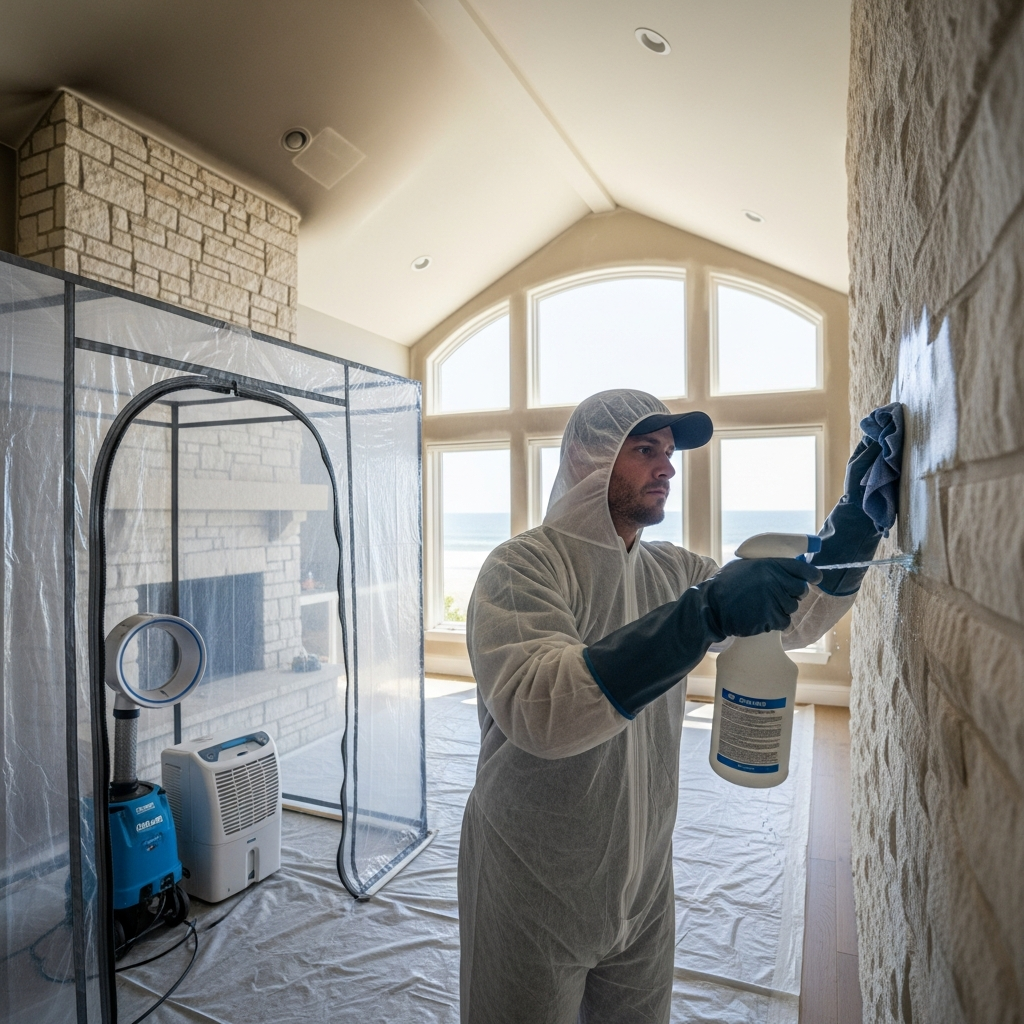
One of the largest benefits of professional restoration is the systematic way it restores indoor air quality. Smoke and soot are intrusive in a way that goes beyond smell. Fine particulates penetrate porous materials and linger inside the home’s breathing spaces, from wall cavities to insulation around can lights. Left unresolved, these particulates can cause respiratory irritation, headaches, and persistent odors that feel like a constant reminder of the fire. We employ HEPA filtration, negative air containment, and targeted cleaning agents designed to break molecular bonds with residue. The goal is not to mask; it is to remove and neutralize. In Malibu’s damp morning marine layer, untreated soot can rehydrate slightly and re-release odors, which is why proper sequencing matters: dry out first, then clean, then deodorize with professional-grade systems that treat surfaces and air without damaging finishes.
Because many Malibu homes feature expansive glazing and sliding doors, we pay special attention to tracks, gaskets, and cavity spaces that collect soot. The same is true for HVAC systems. Ducts running through crawlspaces or attics can become conduits for odor recirculation. Meticulous register removal, duct brushing, filter replacement, and coil cleaning restore the lungs of the home so each room begins to feel breathable again. There is nothing quite like a first morning in a restored home when a coastal breeze drifts through and carries only ocean air, not the sharpness of smoke.
Structural stability and building science
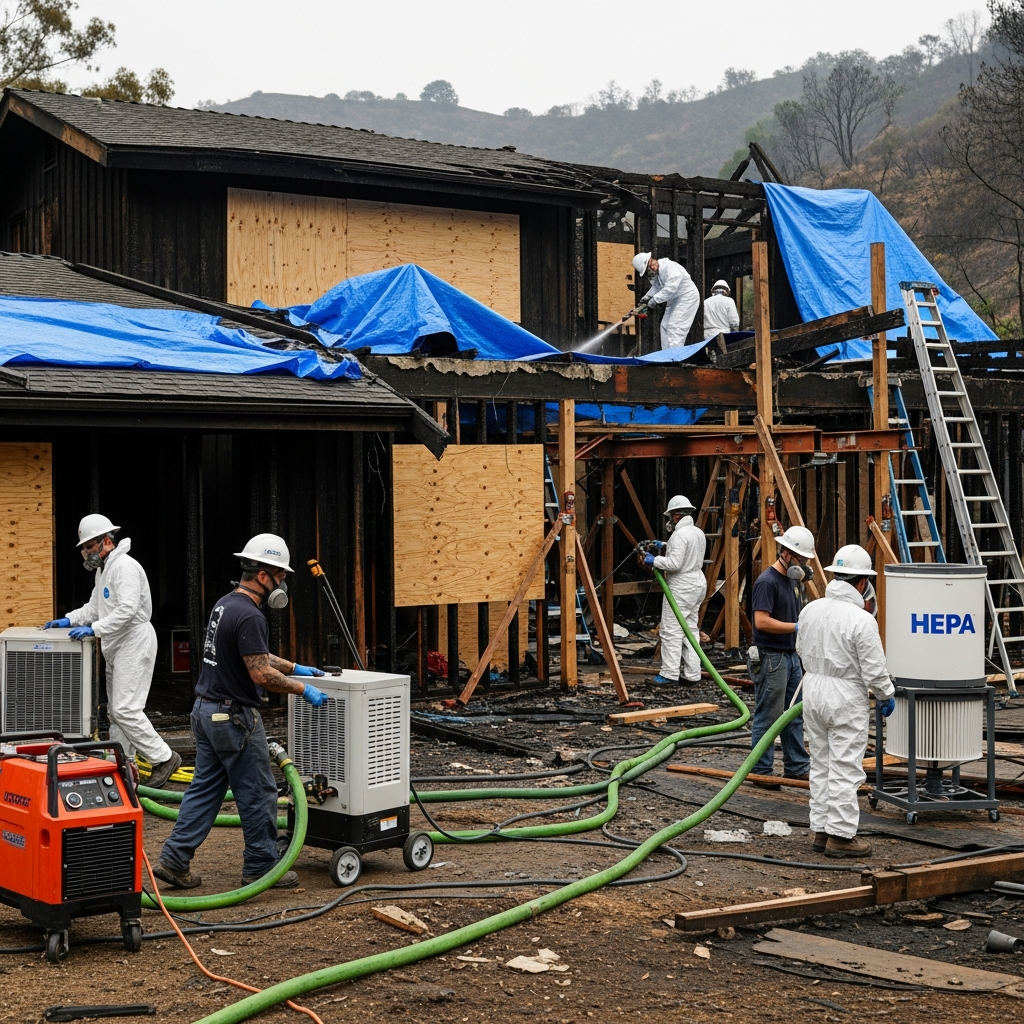
Fire damage is rarely uniform. A kitchen blaze might char the underside of the roof decking above, while adjacent rooms suffer mostly soot and heat exposure. Understanding material response to heat is essential. Laminated beams, engineered lumber, and steel members react differently under stress. We evaluate charring depth, moisture content, and structural deflection, then coordinate with engineers when replacement or reinforcement is indicated. In Malibu’s microclimates, temperature swings between sunny afternoons and cool evenings can create condensation in partially damaged assemblies, exacerbating moisture problems introduced by firefighting. That is why coordinated drying plans—using dehumidification, targeted heat, and air movement—precede cosmetic repairs. It prevents mold blooms and preserves integrity, especially in hidden spaces like behind bathtub surrounds or under stone flooring where water sometimes migrates.
Another significant benefit is that restoration allows us to integrate resilience without changing the soul of the house. From ember-resistant vents to mineral wool insulation in repaired bays, small choices add up. We can suggest interior materials that stand up better to heat, recommend intumescent coatings for key framing elements, and advise on radiant barriers that also improve energy performance. Because Malibu sits within the wildland-urban interface, these upgrades often align with the broader goal of long-term defensible space and reduced risk, all done in concert with strict local codes and coastal development oversight.
Contents restoration and what really matters
A home is more than walls; it is the things we touch every day and the memories that live in those objects. Restoration benefits Malibu residents by giving those items a real chance of coming back to life. We triage quickly: textiles that can be laundered using ozone or specialized detergents, fine art that requires conservators, electronics that may be decontaminated and tested, and heirlooms that need careful hand-cleaning. Speed matters because soot is acidic; it begins to etch metals, cloud glass, and stain finishes within hours to days. That first sweep—removing valuables to a controlled environment—stops the clock and reduces permanent loss. For many families, the moment a favorite guitar or a child’s keepsake is returned, clean and safe, is when the weight of the fire finally lifts.
Even in luxury homes with high-end finishes, the restoration of contents can be surprisingly successful when handled with precision. Solid wood can often be deodorized and refinished. Natural stone counters respond well to poulticing and sealing to draw out smoke molecules. Leather can be cleaned, reconditioned, and returned. These wins add up, not just financially but emotionally, knitting the home’s story back together.
Documentation, insurance, and advocacy
Navigating paperwork in the wake of a crisis is hard. Another benefit to professional restoration is comprehensive documentation that supports your insurance claim. We photograph before, during, and after each phase, generate itemized inventories, and note salvageability with transparent justifications. This level of recordkeeping prevents misunderstandings and keeps projects moving. Malibu’s unique permitting environment—touched by coastal regulations and hillside development standards—also makes experienced guidance indispensable. The right team knows when to involve local inspectors, how to coordinate with utility providers for safe re-energizing of systems, and how to avoid delays that can compound secondary damage.
Midway through a project, communication is everything. We set milestones, walk you through choices, and keep a realistic eye on sequencing. That might mean prioritizing a child’s bedroom or a home office so life can restart in phases, even while other rooms are still under treatment. This approach proves its worth again and again, especially for Malibu families juggling school commutes, surf practice, and work obligations. It is also where many homeowners appreciate being reminded of the long view—choosing materials and methods that not only restore but enhance resilience so the home is better prepared for the next wind event or power shutoff. As part of that conversation, we revisit best practices, offer referrals for landscape hardening around the structure, and ensure mechanical systems meet the latest performance standards. When you work with a team that lives and builds in this community, you feel the difference. It is not a template; it is a partnership grounded in place and experience, backed by proven fire damage restoration services that respect Malibu’s character.
Odor, corrosion, and the Malibu coastline
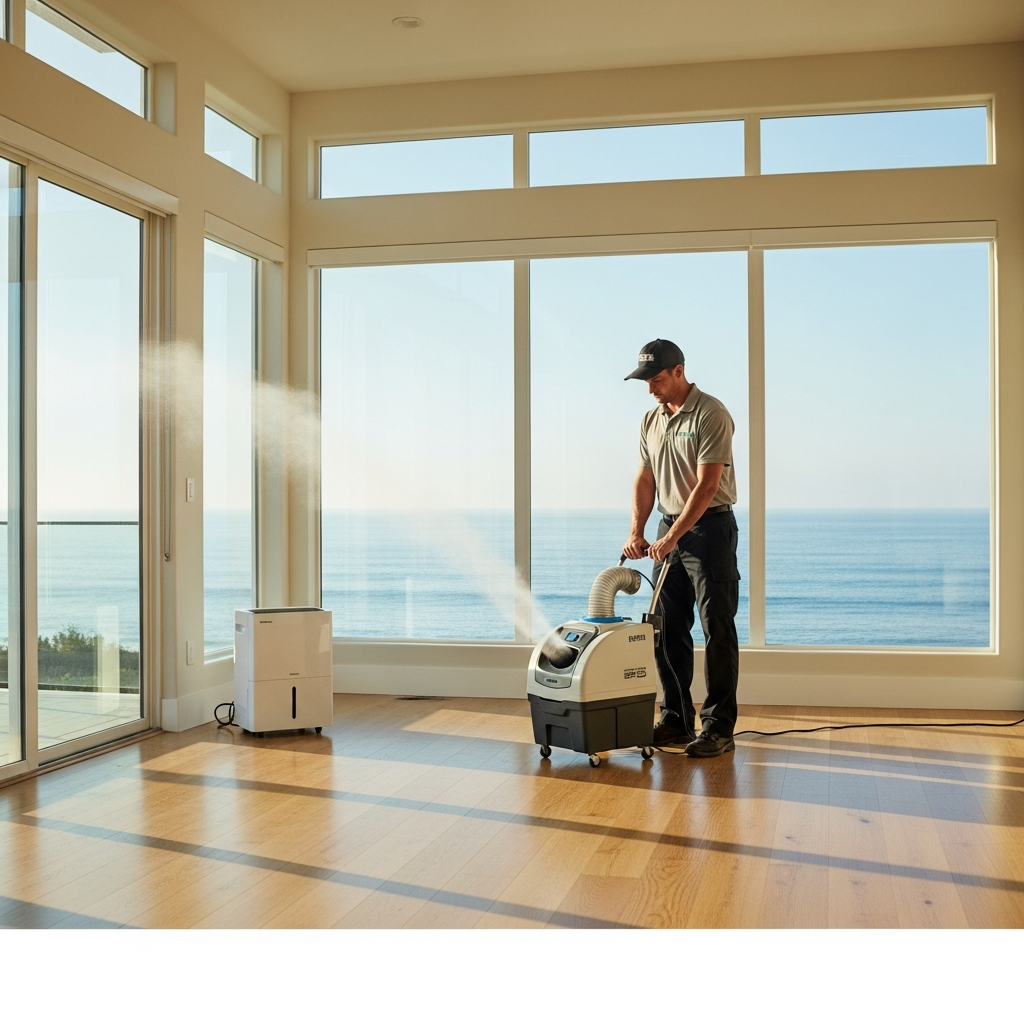
One of the most persistent frustrations after a fire is odor that drifts back when the house warms up in the afternoon sun. That is a clue that volatile compounds are still present in materials or air pathways. We tackle this with a blend of surface cleaning, thermal deodorization when appropriate, and long dwell-time treatments that reach into the pores of wood and plaster. We also pay close attention to corrosion—a double threat in Malibu, where salt air accelerates chemical reactions. Stainless appliances may show rainbowing, copper fittings can pit, and contemporary blackened steel accents start to haze. Early neutralization and protective coatings save finishes and avert costly replacements.
Garage and outbuilding spaces deserve special focus, too. Smoke often saturates these areas, and they hold the tools, surfboards, and sporting gear that are part of everyday Malibu life. Selective cleaning preserves rubber components on bikes and boards, and decontaminating storage shelving prevents odors from wafting back into the main house when doors open. These small steps make big differences in how a restored home feels day to day.
Community resilience and readiness
Restoration also plugs into a larger community fabric. When we repair a home with defensible space in mind, when we upgrade vents and clear eaves, we are contributing to a block-by-block, canyon-by-canyon network of safer structures. Over time, this collective improvement reduces ember ignition points and can slow fire spread. Malibu’s neighborhoods—from La Costa to Encinal—benefit when every project does its part, and that mindset is built into the best restoration work. It is local knowledge expressed in practical choices: how to route vent terminations away from debris zones, how to shield under-deck areas, which materials stand up to wind-driven embers, and how to trim back the plants we love without losing privacy or beauty.
When the last HEPA machine is packed away and the final walkthrough is done, the real measure of success is simple: you open the door, breathe in, and feel home again. That feeling is why we do this work, and it is the most important benefit restoration offers—restored safety, restored comfort, restored rhythm.
Frequently Asked Questions
How quickly should restoration begin after a fire?
Within the first 24 to 72 hours is ideal. Early action halts soot corrosion, prevents odor set-in, and begins controlled drying to ward off mold. In Malibu, where marine layers and cool nights can reintroduce moisture into burned materials, speed matters even more. Swift stabilization—board-ups, dehumidification, and targeted cleaning—reduces long-term impact and keeps your claim on track.
Can smoke damage be as harmful as direct fire damage?
Yes. Smoke and soot travel far beyond the burn area, infiltrating insulation, HVAC systems, and porous finishes. They can cause health symptoms and long-term odor if left untreated. In coastal environments like Malibu, salts and soot together are particularly corrosive, making thorough decontamination essential.
Is it safe to stay in my home during restoration?
It depends on the extent of damage and the phases of work. We sometimes stage projects so families can occupy clean, sealed sections of the home while treatment proceeds elsewhere. If we are running negative air or performing extensive demolition, temporary relocation may be best for comfort and safety. We will guide you based on site-specific conditions.
What happens to my belongings?
We inventory, pack out, and treat belongings in a controlled environment when necessary. Textiles, electronics, art, and furniture each have tailored protocols. Our aim is to salvage as much as possible without exposing your household to odors or particulates. Clear documentation accompanies each item so you know what is being cleaned, stored, or replaced.
How do you handle odors that return on warm days?
Recurring odors suggest residues are still present. We reassess with spot testing, verify HVAC cleanliness, and apply deeper deodorization methods such as thermal fogging or hydroxyl treatment in combination with surface re-cleaning. We also examine heat-affected assemblies, like attic spaces under sun-warmed roofs, to neutralize sources at their origin.
Will restoration improve my home’s resilience to future fires?
Absolutely. During repairs, we can incorporate ember-resistant vents, noncombustible soffit materials, improved attic air sealing, and fire-wise landscaping guidance. These enhancements align with Malibu’s wildland-urban interface best practices and make a meaningful difference the next time winds pick up.
Do you coordinate with insurance adjusters?
Yes. We provide detailed estimates, photos, and progress reports that help adjusters understand the scope and necessity of each step. This collaboration helps streamline approvals, minimizes delays, and ensures restorative work meets both code and insurer expectations.
If you are reading this after a long night watching a ridgeline glow, know that there is a path forward. The house you love can feel like yours again, and the process can be steady, transparent, and respectful of your time and routines. Reach out to a trusted local team that understands Malibu’s climate, codes, and community rhythms, and let them lead you from crisis to comfort. When you are ready to reclaim clean air and a calm home, choose experienced fire damage restoration partners who bring craftsmanship, care, and local insight to every step.