When a fire touches life in Malibu, the conversation shifts quickly from immediate safety to the practical steps of recovery. Between city inspections, contractors, and the swirl of decisions that follow, insurance often feels like its own parallel project—part paperwork, part negotiation, part storytelling through photographs and scope notes. Over years of walking properties after wildfires and guiding families through claims, I have learned that a calm, methodical approach turns a complex process into a clear path forward. Working with restoration professionals who understand fire damage restoration in Malibu and the way carriers evaluate losses can be the difference between frustration and steady progress.
Think of your claim as a narrative grounded in facts. It opens with safety and stabilizing actions, continues with assessment and documentation, then unfolds into a scope of work that answers the “what” and the “why.” Throughout, clarity, consistency, and respect for process are your strongest tools. Malibu’s unique setting—coastal moisture, hillside access, ember pathways—adds context that helps explain decisions in your plan. When adjusters understand local conditions, they are more likely to see the necessity behind each step.
Stabilization: necessary and documentable
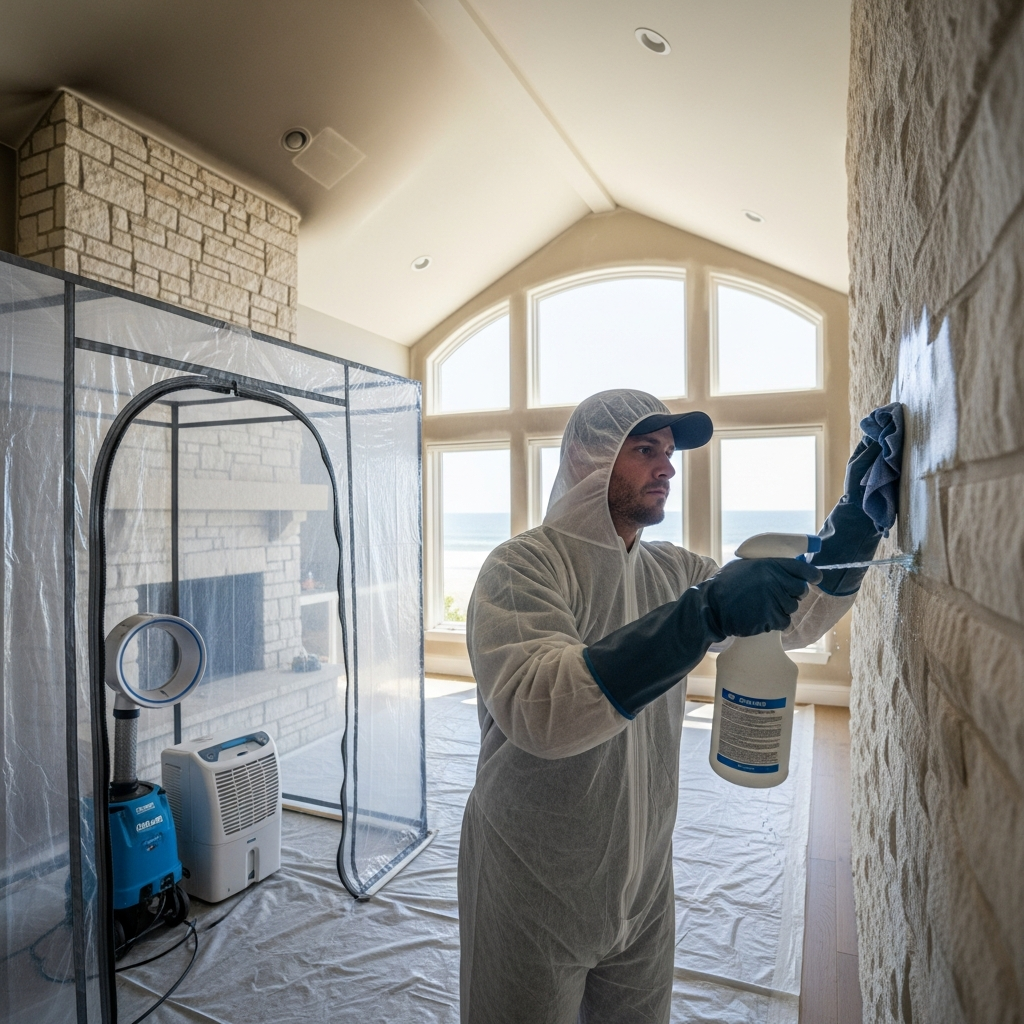
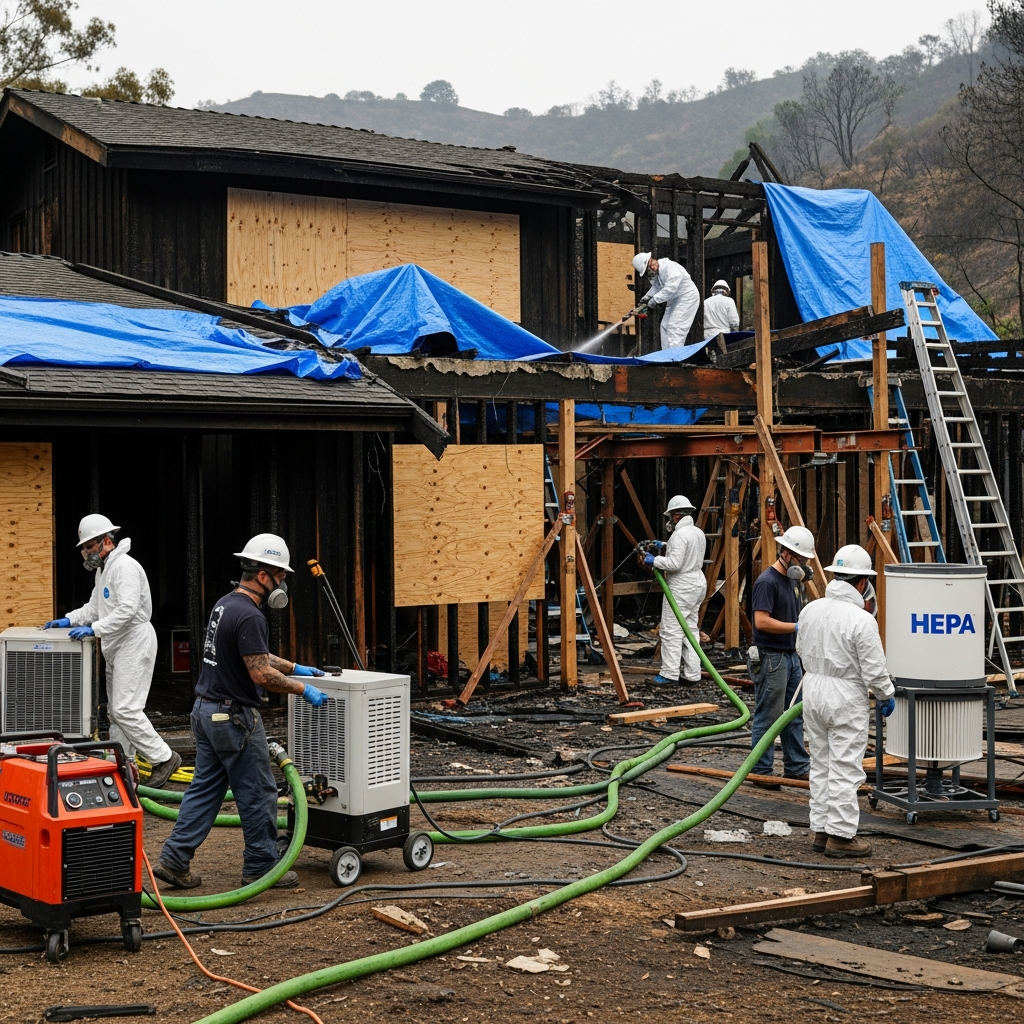
The first actions after a fire are about preventing additional damage. Board-ups, roof tarping, water extraction, and setting containment zones are not optional; they preserve what is left and protect health. Document each measure with before-and-after photos and brief notes. Include dates and times, the rooms involved, and the purpose. This early record speaks loudly to adjusters because it shows prudence and reduces ambiguity about conditions when crews arrived.
Assessment and scope: the blueprint of your claim
Solid claims rest on solid scopes. A comprehensive assessment identifies residue types, moisture migration, structural impacts, and contents conditions. It sets priorities: source removal, cleaning, deodorization, selective demolition, and repair. The scope should connect observations to actions—“oily soot observed on north-facing closet interiors; plan includes alkaline cleaner appropriate for painted surfaces”—so that each step reads as a response to documented conditions. In Malibu, referencing coastal humidity and ember travel helps explain decisions like replacing certain insulation or focusing on attic and crawlspace areas.
Contents: inventory, condition, and custody
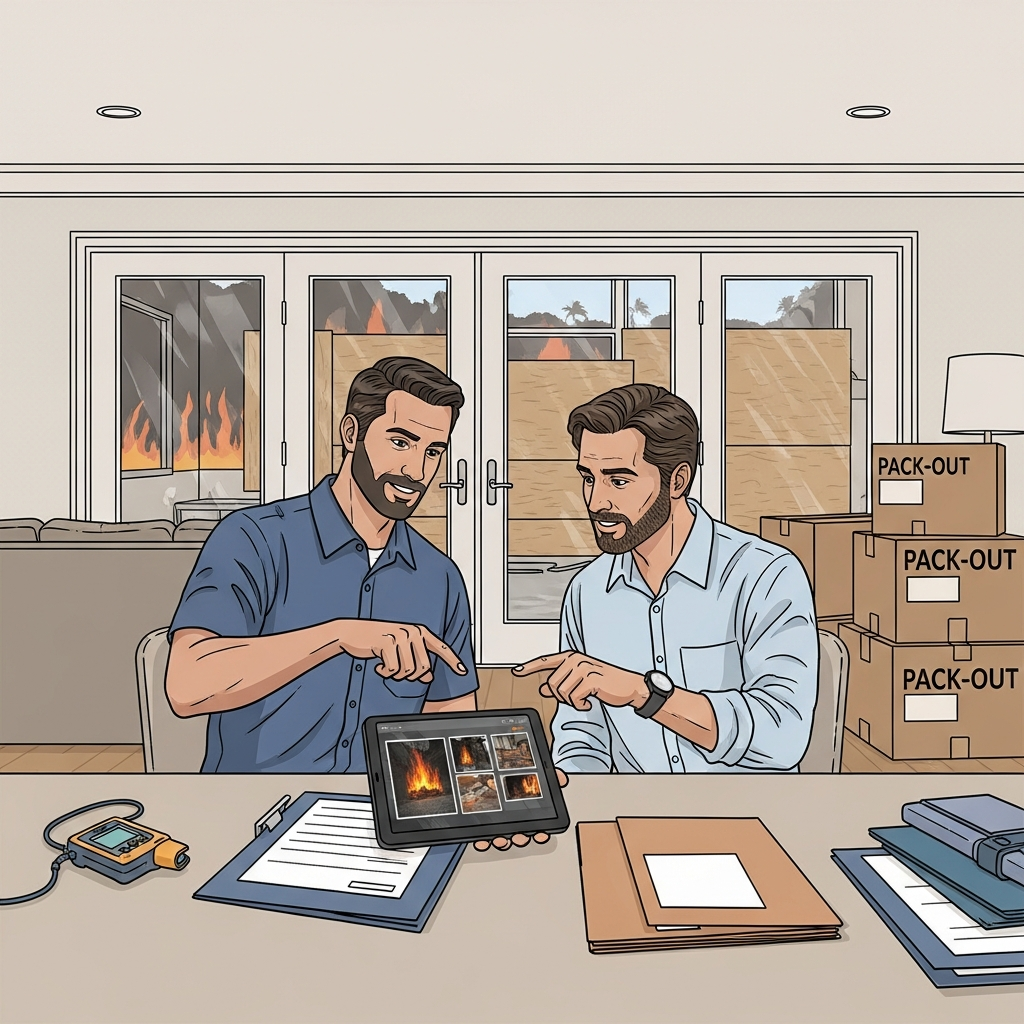
Personal property often represents a large share of a claim. Begin with a room-by-room inventory. Photograph items in place before moving them. Note item descriptions, apparent condition, and whether they are slated for cleaning, specialized treatment, or replacement. If a rapid pack-out is necessary, ensure that each box or item receives a barcode or tracking label and that a chain-of-custody log follows it to storage or a cleaning facility. This structure supports a smooth reconciliation when items return and helps resolve questions swiftly if any arise.
Communication cadence with your adjuster
Set expectations early. Share the stabilization summary and the initial scope, ask how the adjuster prefers to receive updates, and agree on a cadence for site visits or virtual walk-throughs. When changes emerge—as they often do once selective demolition reveals concealed conditions—document them with photos, notes, and a concise explanation. The best outcomes come when adjusters never feel surprised; instead, they see a steady flow of information that ties actions to findings.
Local factors that shape decisions
Malibu’s microclimates influence restoration choices. Foggy mornings can set soot, so cleaning sequences start with dry removal and controlled humidity. Salt air accelerates corrosion after smoke exposure, making early attention to metals prudent. Ember pathways through soffits, vents, and crawlspaces justify close inspection and, in some cases, insulation removal. When your scope references these realities, it reads as practical rather than cautious, increasing alignment between your restorer and your carrier.
HVAC systems and indoor air quality
Air systems deserve special attention in claims. If the HVAC ran during the event, soot likely spread through returns and supply. Document filter conditions, take photos of registers and interiors where practical, and include recommendations for cleaning or replacement based on contamination and construction. Emphasize that clean air handling protects newly cleaned rooms from recontamination and prevents odors from lingering, both of which are tangible outcomes carriers value.
Selective demolition and preservation
Claims reviewers respond well to restraint backed by evidence. Selective demolition should open necessary access while preserving salvageable finishes. Explain why a section of drywall must come down to remove contaminated insulation or to dry a cavity, and pair that explanation with measurements and moisture readings. When preservation is feasible—saving millwork or refinishing beams—note the methods and the performance standard you expect, such as passing a warm-day odor test. This approach shows balance and stewardship.
Odor control as a performance standard
Odor is subjective until it is not. Establish clear verification steps: sources removed, surfaces cleaned and sealed as needed, deodorization with methods appropriate to occupancy, and verification at different temperatures and times of day. These checkpoints create an objective arc that carriers can reference. It is much easier to approve finishing work when everyone agrees that odor control has been achieved to an agreed standard.
Temporary living and access during restoration
Some families can remain at home with work zones sealed and schedules designed around daily life; others will relocate. Coordinate this plan with your adjuster early. Document how access is maintained for essential rooms, and share the project calendar so expectations are clear. Predictability reduces stress and keeps the claim focused on progress rather than logistics.
Documentation format and organization
Keep your file clean. Use dated folders for photos, label images with room names and brief captions, and store moisture logs, air quality notes, and inspection reports together. When a question arises weeks later, you will be able to answer it in minutes. Organized files shorten reviews and foster confidence that the project is being managed responsibly.
Disagreements and finding resolution
Even well-run claims can encounter disagreements about scope. When that happens, return to evidence. Invite a joint site visit, compare notes, and consider a targeted test—opening a small area or cleaning a representative surface—to demonstrate the need or confirm an alternative. Keep the tone collaborative. Most adjusters want what you want: a home returned to pre-loss function and comfort through steps that are necessary and sufficient.
Finishing well: inspections, punch lists, and sign-off
As work nears completion, schedule a walk-through with your project manager and, when possible, your adjuster. Use a concise punch list to track final tasks. Confirm that odor control remains successful on a warm afternoon and that HVAC systems run cleanly. Verify that contents have returned to their places, documented as received and in good condition. The goal is a calm, confident sign-off based on shared observations and thorough records.
Frequently asked questions
What should I document first for my claim?
Begin with broad photos of each room, then close-ups of notable conditions like soot lines, water staining, and damaged finishes. Capture the state of filters, registers, and attic or crawlspace access points. Record initial stabilization steps with dates, times, and brief descriptions.
How often should I update my adjuster?
Agree on a cadence early—weekly summaries work well for many projects—and send updates when significant milestones occur or when concealed conditions require a change in scope. Clear, predictable communication prevents delays and builds trust.
Can I influence whether items are cleaned or replaced?
Yes. Share which belongings hold special value and discuss cleaning options with your contents team. When replacement is advised, it will be tied to contamination or damage that cleaning cannot resolve. Your preferences, paired with professional judgment, shape the plan.
How do I know odor control has been achieved?
Set verification standards up front: source removal completed, surfaces cleaned and sealed as appropriate, deodorization run for the recommended duration, and a warm-day walk-through without detectable odor. Meeting these benchmarks provides objective confidence for you and your carrier.
What if my home has limited access due to narrow roads?
Local teams anticipate Malibu’s logistics. They plan equipment staging, schedule deliveries around traffic, and coordinate with neighbors to keep routes open. Documenting these constraints in your file explains schedule choices and supports reasonable timelines.
Do I need to mention Malibu’s climate in my claim?
Context helps. Noting coastal humidity, ember pathways, and canyon winds shows why certain steps—like early metal neutralization or attic insulation replacement—are necessary. It aligns your claim with local realities rather than generic assumptions.
Your claim should feel like a guided process, not a battle. With clear documentation, practical sequencing, and steady communication, you can move from uncertainty to resolution. If you want a partner who understands the local terrain, the rhythms of our weather, and the way carriers evaluate restoration, connect with professionals who specialize in fire damage restoration in Malibu. They will help you translate the story of your loss into a plan that restores comfort, function, and the feeling of home.