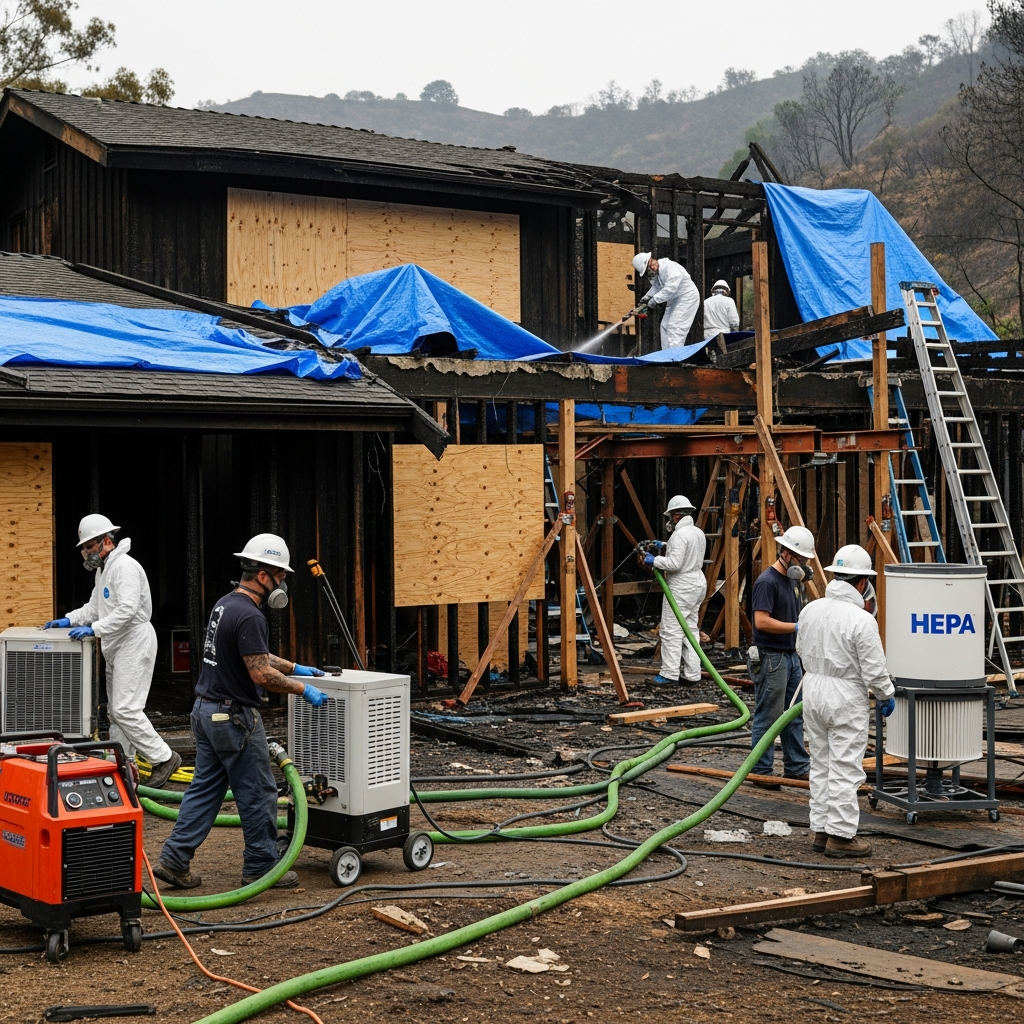
Malibu homeowners know that the evidence of a wildfire is not limited to blackened hillsides. Long after flames move on, a fine veil of soot settles on windowsills, an acrid note hangs in the air near cabinets, and a faint film clings to tile that never looked porous before. Smoke is a traveler, and in our coastal canyons its pathways are shaped by wind, terrain, and architecture. Over many seasons on properties from Broad Beach to Serra Retreat, I have learned that successful smoke and fire damage restoration marries science with local intuition. If your rooms look clean but do not smell like home, or if you are staring at a countertop wondering what cleaner is safe, you are not alone—and help from teams focused on fire damage restoration in Malibu is close by.
Smoke does not behave like simple dust. It is a blend of particulates and volatile compounds carried by heat and pressure differentials. In Malibu, Santa Ana winds can drive smoke sideways through screens and around door sweeps, while still evenings near the ocean let it drift lazily into high clerestory windows and attic vents. Once inside, it cools and deposits residues that vary based on what burned and how hot the burn was. Reading those residues—dry soot, oily soot, and protein smoke—is the first step in crafting a restoration plan that clears both what you can see and what you can smell.
Dry soot versus oily soot
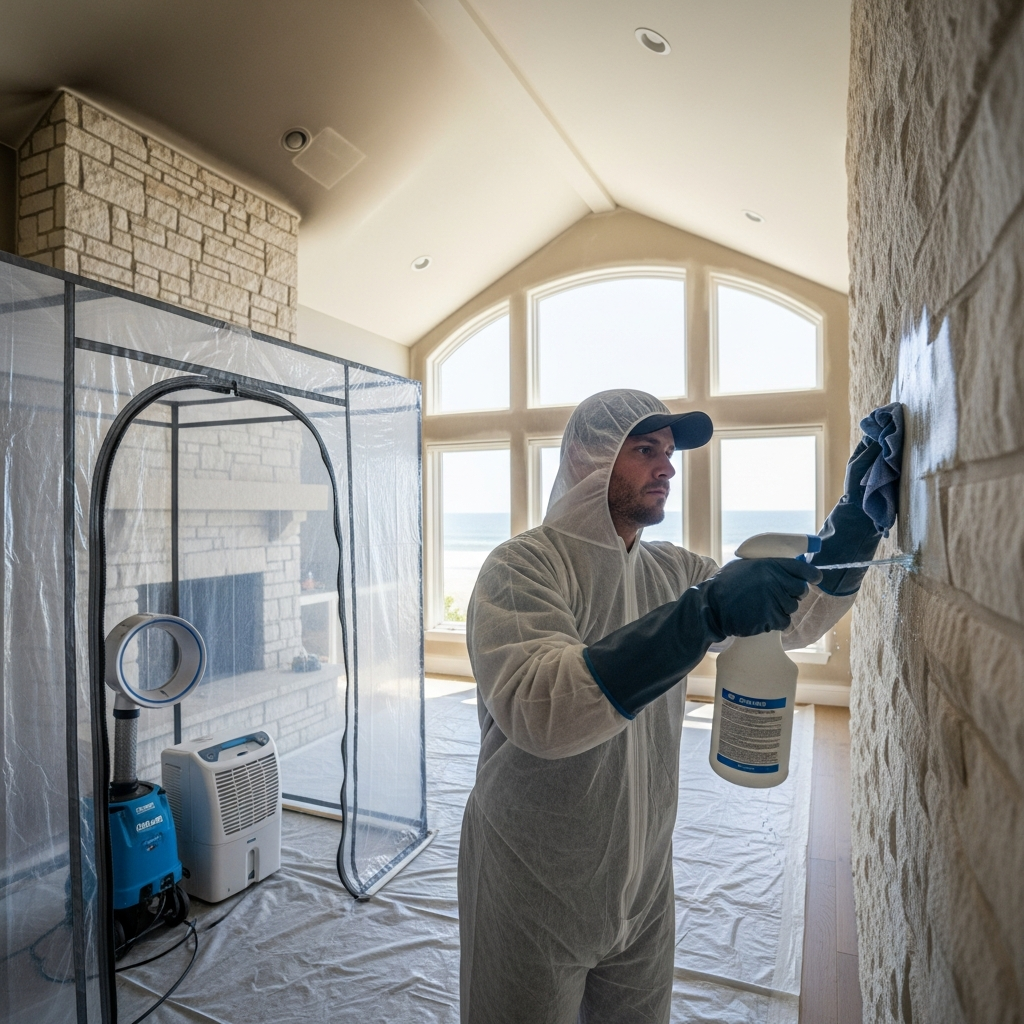
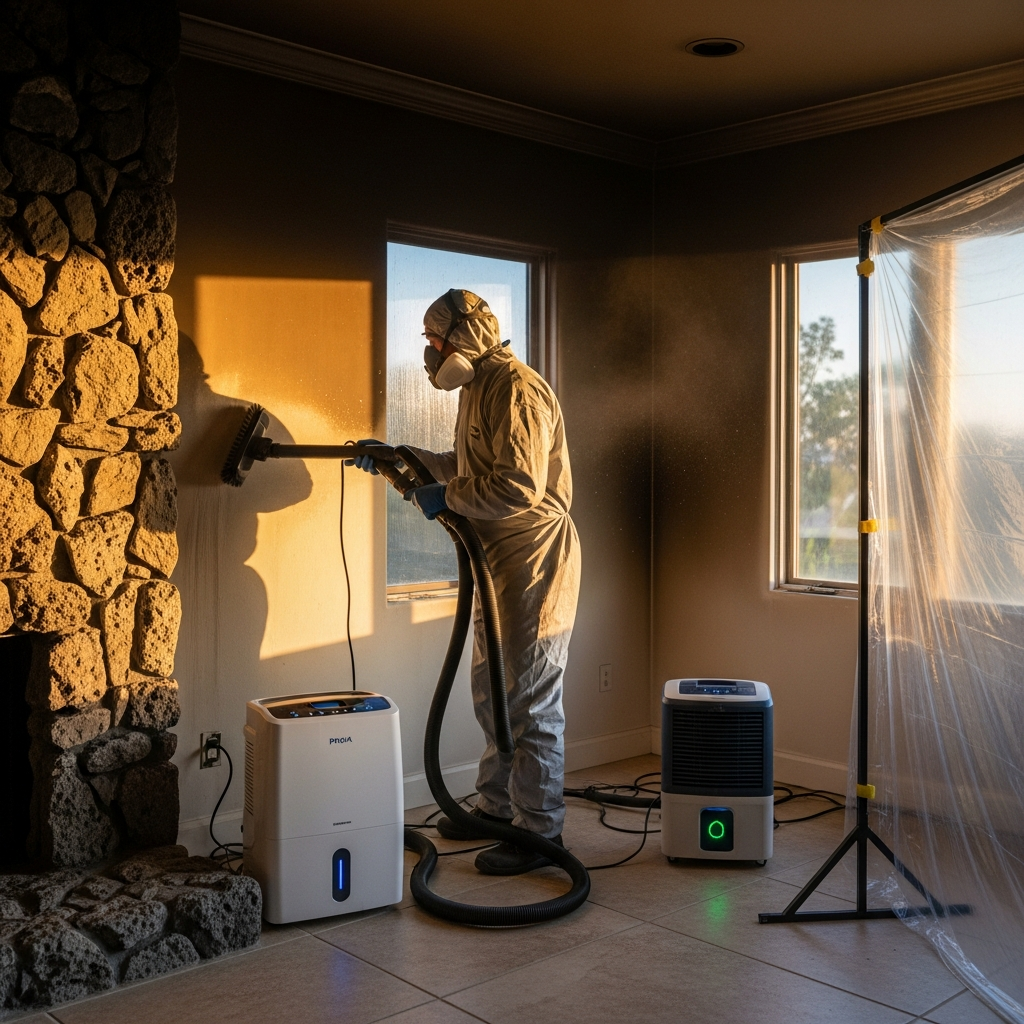
Dry soot, common after fast-moving brush fires, looks like a powder that rests on smooth surfaces. It lifts with HEPA vacuuming and careful dry wiping before any liquids touch it. This “dry first” rule matters because moisture can smear soot and drive it into pores where it is much harder to remove. Oily soot, by contrast, clings and smears easily. It is attracted to cooler surfaces, so you will often find it on exterior walls, the interior of closets, or the shaded side of a room. Removing it requires surfactant-rich or alkaline cleaners matched to the substrate—stone needs different chemistry than painted wood; glass needs different handling than leather.
Protein smoke: invisible but powerful
If your kitchen took on smoke from stored foods or slow-smoldering organics, protein residues may be at work. Unlike obvious soot, protein smoke often leaves a barely visible yellow-brown film with a pronounced odor. It hides inside cabinets, on the undersides of shelves, and around door hinges. Thorough cleaning here is slow and exacting, sometimes followed by sealing when wood fibers have absorbed odors beyond the reach of surface cleaning. The reward for patience is a kitchen that smells truly neutral again, even on warm afternoons when odors often seem to resurge.
Porous, semi-porous, and non-porous surfaces
Materials respond differently to smoke. Stone countertops and fireplaces, common in Malibu homes, may absorb residues unevenly depending on their sealers. Travertine, with its natural pits, traps soot that requires poultices and gentle agitation rather than brute force. Hardwood floors, beloved for their warmth, need HEPA vacuuming, dry wiping, and then a careful choice of cleaners to avoid raising the grain or forcing contaminants deeper. Painted walls often respond well to controlled washing followed by a bonding primer formulated for smoke damage if repainting is planned. Glass and metal can look deceptively easy, but when coast air mingles with soot, corrosion can begin quickly; neutralization and a protective polish help stop that process.
Odor control that lasts
True deodorization follows source removal. Start with clean, and then consider methods that neutralize what is left. Hydroxyl generators work continuously and gently, safe around many materials and occupants. Thermal fogging, used by experienced technicians, recreates the smaller particle size and movement of smoke so that deodorizing agents follow the same trails into joints, pores, and crevices. Ozone, while effective in unoccupied settings, demands strict safety protocols; in occupied homes, hydroxyl and fogging approaches are typically preferred. Vigilance matters: odors can seem gone in the cool of morning only to return when the sun warms surfaces. Verification includes walk-throughs at different times of day.
HVAC systems and the pathways you cannot see
Air handling systems can spread smoke through an entire home in minutes. If your system was running during the event, returns may be especially sooty. Filters should be changed more than once during restoration, and ductwork assessed for cleaning or replacement depending on construction and contamination. Supply registers, coils, and even the interior surfaces of the air handler deserve attention. A clean system not only helps with odors; it protects your newly cleaned rooms from recontamination the first time you turn the thermostat.
Attics, crawlspaces, and the edges of the envelope
Embers and smoke love edges: soffits, eaves, ridge vents, and crawlspace openings. In Malibu, where many homes have architectural venting to invite ocean breezes, these areas deserve extra scrutiny. Insulation can harbor odors and fine particulates; sometimes removal is the prudent choice. When cleaning is feasible, it must be thorough enough to satisfy a warm-day sniff test after work is complete. Exterior sheathing and framing can benefit from cleaning followed by odor-sealing primers that lock in any remaining traces before finishes go back up.
Windows, doors, and the fine finish
After heavy cleaning, small details finish the job. Window tracks and hardware collect soot that scrapes off with gentle tools and wipes away with the right solvent. Door slabs and casings, particularly on the shaded sides of homes, capture oily residues that only reveal themselves when you wipe a white cloth across them. Conditioning wood, polishing metal, and restoring the sparkle to glass marks the moment when a room feels like itself again. Views open up, and Malibu’s distinctive light returns in full color.
Contents: textiles, electronics, and art
Contents restoration is personal. Rugs, sofas, draperies, and bedding carry odors readily but respond well to specialized cleaning that removes particulates without over-wetting. Electronics are sensitive to corrosion; early attention and a dry-cleaning approach help prevent failures. Art and heirlooms benefit from a conservator’s eye; even simple measures like keeping relative humidity in range during handling protect delicate finishes. Pack-out, when needed, is a structured process with photography and tracking so that items return to their places in the same condition or better.
Water and smoke together
Where water met smoke, stains form that behave differently than dry soot alone. Extracting moisture and controlling humidity keeps these stains from setting. In wood cabinetry, for example, cavity drying through toe kicks or discreet holes behind removable panels can save face frames and finishes. Stone near windows where fog condensed on soot may need targeted poultices. The measured pace of these steps protects your home’s finishes and keeps more of the original materials in place.
Working with Malibu’s weather
Coastal shifts from cool mornings to warm, dry afternoons make timing important. Crews schedule certain cleaning passes for the part of the day when residues lift best and reserve deodorization tests for the warmer hours when odors are more likely to reveal themselves. Equipment settings, especially for dehumidifiers and air scrubbers, change with the weather. Local familiarity shortens the learning curve and avoids missteps that could turn simple cleaning into a more complex repair later.
After the clean: sealing, painting, and prevention
Once surfaces test clean and odors are neutralized, you can move to finishing. Odor-sealing primers lock in any microscopic traces on framing or sheathing before drywall returns. Paint applications proceed with attention to cure times and ventilation so that new finishes do not trap moisture or carry their own lingering scent. This is also the moment to consider prevention: ember-resistant vents, defensible space strategies around decks and eaves, and simple habits like closing windows during high-wind advisories reduce the chance of future smoke intrusion.
Frequently asked questions
Why do some rooms smell worse even after they look clean?
Odors often persist in hidden cavities, porous materials, or HVAC pathways. Warmth reactivates trapped compounds. The solution is to verify source removal in those hidden areas and follow with targeted deodorization that reaches the same pathways smoke used.
Is it safe to clean smoke damage myself?
Light dry soot on non-porous surfaces can sometimes be addressed with HEPA vacuuming and gentle wiping. However, oily and protein residues are easy to smear and can set stains. If in doubt, pause and consult a professional to avoid making cleaning more difficult later.
Do I need to replace all my insulation after smoke exposure?
Not always, but insulation holds odors and particulates readily. If testing shows significant contamination, removal is often the best path, especially near attic returns, soffits, and ridge vents where smoke tends to settle.
What about my HVAC system?
Change filters early and often during restoration, and have the system inspected for soot and residue. Duct cleaning or replacement may be advised depending on construction and contamination. A clean HVAC system is key to preventing recontamination and lingering odors.
How long will the odor removal process take?
Timeframes vary with the extent of contamination and the materials involved. Thorough cleaning, followed by deodorization and verification under warm conditions, is the surest path. Rushing or masking odors usually leads to disappointment when heat returns.
Can coastal humidity make smoke damage worse?
Yes. Moisture can activate corrosion on metals and help set stains in porous materials. That is why Malibu restorers monitor humidity closely, sequence drying before wet cleaning, and choose cleaners that neutralize corrosive compounds.
If your home smells like last season’s smoke instead of the ocean breeze you love, there is a careful, proven way back. The right team will listen, test, and work in a sequence that leaves no room for guesswork. When you are ready to reclaim the comfort and clarity of your rooms, reach out to specialists in fire damage restoration in Malibu. They will bring the science, the local know-how, and the quiet confidence that makes your home feel like itself again.