Introduction: A Malibu Homeowner’s Perspective on Moisture, Salt Air, and Seasonal Swells
When you live along the dramatic edges of the Santa Monica Mountains with the Pacific laying out before you, you begin to develop a sixth sense for the way weather moves through Malibu. I’ve watched fog roll over Carbon Beach like a whisper, seen winter fronts strike Latigo Canyon with sideways rain, and felt the summer marine layer saturate the air until windows wept. Those beautiful, moody shifts that make our coastline special are the same forces that slowly test the envelope of every house here. That is why, as a local who has spent years helping neighbors safeguard their properties, I believe maintenance isn’t just a chore; it’s the heartbeat of resilience. And if you ever find yourself needing more than preventative care, knowing where to turn for water damage restoration can make all the difference between a quick recovery and a long, costly disruption to coastal life.
Maintenance in Malibu is about understanding patterns. After the Woolsey Fire, we learned how bare hillsides and scorched canyons funnel stormwater and debris, and many of us watched PCH glow with emergency lights during a forceful El Niño season. Even away from the beachfront, salt air quietly works on metal fasteners, window hardware, and even plumbing. Moisture seeks the smallest opening—under a sliding door threshold in Point Dume, beneath a deck membrane in Big Rock, or through a hairline stucco crack above a window in Trancas. A smart plan acknowledges these realities, anticipates the seasons, and addresses vulnerabilities before they spiral into soaked drywall, cupped floors, or hidden mold.
What follows isn’t a checklist so much as a rhythm—habits that align with our local climate. They’re practices I’ve refined from countless walk-throughs, emergency responses, and Sunday morning neighbor chats on Broad Beach. If you adopt even a handful of these tips as part of your routine, you’ll reduce risk, extend the life of your finishes, and keep your home ready for the next fog bank or February downpour.
Understand Malibu’s Microclimates and How They Shape Moisture
From La Costa’s wind-swept bluffs to the sheltered bends of Corral Canyon, Malibu isn’t one uniform climate. The marine layer can blanket homes along the sand while up-canyon properties bask in sun and then cool rapidly after dark. Those swings can lead to condensation on cool surfaces, especially glass and uninsulated metal. Beachfront homes experience constant salt spray and a higher baseline humidity that encourages slow, persistent moisture intrusion and corrosion. Meanwhile, hillside homes deal with slope drainage, seasonal creek flows, and the occasional spring where groundwater unexpectedly finds its way to daylight.
Pay attention to where dew forms on your property in the early mornings. Note which side of the house stays damp longest and how breezes move through. These observations inform ventilation strategies, help you position dehumidifiers, and guide your seasonal inspections. Over time, you’ll learn your home’s “wet corners” and treat them with the extra vigilance they deserve.
Stucco, Siding, and Sealants: The Coastal Skin of Your Home
Salt and sun create a slow-motion tug-of-war on exterior finishes. Stucco can develop hairline cracks that invite water, especially above window headers or along control joints. Wood siding and trim swell and contract, loosening caulk lines at butt joints and around penetrations. Every autumn, while the weather is still friendly, walk the perimeter with a flashlight. Look for spiderweb cracks in stucco, peeling paint along window sills, and any area where sealant has pulled away to reveal a thin shadow line.
When you re-caulk, choose exterior-grade, UV-stable products designed for coastal conditions. For stucco, hairline cracks often accept elastomeric patching compounds that stretch with the wall. Don’t neglect utility penetrations—hose bibs, electrical conduits, and vent terminations are frequent leak points. Small touch-ups now prevent winter rains from driving water into wall cavities where it can wick, drip, and feed mold behind closed surfaces.
Roofs, Underlayments, and the Truth About Tile
Malibu’s postcard roofs—especially clay and concrete tile—can be deceptive. The tiles themselves shed water, but it’s the underlayment that does the real work. UV exposure, wind lift from Santa Anas, and salt air all age that underlayment. I’ve traced living room stains to a single cracked tile that allowed wind-driven rain to blow beneath and overwhelm a tired membrane. Each fall, have a qualified roofer check for displaced tiles, failed flashing around chimneys and skylights, and brittle underlayment.
Flat or low-slope roofs with deck surfaces over living spaces deserve special attention. Standing water, clogged scuppers, and tiny membrane punctures can combine to create slow leaks that reveal themselves months later as subtle ceiling discoloration. Keeping drains clear and testing scuppers before the first real storm is a seasonal ritual every Malibu homeowner should adopt.
Gutters, Downspouts, and Where the Water Goes
In our steep terrain, water moves fast once it’s shed from the roof. Clean gutters aren’t just about overflow at the eaves; they’re about ensuring downspouts carry water far enough away that it won’t boomerang back toward your foundation. I’ve seen beautifully built homes on Latigo Canyon Road undermined by splashback and soil erosion because a downspout terminated over a planter bed that became saturated and pushed moisture inward.
Extend downspouts to daylight where possible, and consider rigid piping to a swale or drainage channel set to Malibu’s hillside best practices. After big storms, walk the property to see where runoff actually travels. Look for rills forming near foundation walls and adjust landscape grading or add gravel trenches to redirect the flow. Water always tells you what it wants to do; your job is to guide it gently somewhere safe.
Windows, Doors, and Sliders: Thresholds that Work Overtime
Salt-laden air loves sliding door tracks and window hardware. The corrosion that follows can stop weep holes from draining as designed. Periodically vacuum debris from tracks, then flush with a bit of fresh water to confirm drainage. Inspect weatherstripping for compression set, especially on Pacific-facing doors that take the brunt of wind and spray. Replacing tired gaskets pays dividends when the first true winter front tries to press water under a threshold.
Older beachfront homes sometimes have low-slung sliders with marginal pan flashing. If you see recurring dampness near a door corner after storms, don’t just mop—it’s a sign to explore improved pan flashing, back dams, or even replacing the unit. A small intervention in fair weather avoids opening walls in January when every day of drying time is precious.
Decks, Railings, and Hidden Membranes
Decks over living space can become Malibu’s sneakiest leaks. Membranes age, penetrations at posts loosen, and edges crack where UV and foot traffic meet. When you notice soft spots or hear a hollow knock near railing posts, assume moisture has gotten beneath the surface. Maintaining sealants at posts and scuppers, keeping the surface clean, and inspecting terminations along stucco or siding will help your deck shed the squalls that race up from Zuma to Trancas in December.
For wood decks, pay attention to flashing where the ledger meets the house. Salt air and mist can corrode fasteners and metal flashing, creating pathways for water. Fresh stainless hardware, proper counter-flashing, and breathable finishes extend deck life and reduce the chance of moisture creeping into the wall assembly.
Plumbing and Appliances: Coastal Corrosion and Everyday Risks
Inside the home, leaks often start with the mundane. Angle stops under sinks seize from corrosion and then fail when turned for the first time in years. Ice maker lines at beachfront rentals get crimped or loosened between guests. Washing machine hoses age faster than you think under Malibu’s temperature swings and salty air. Part of your maintenance rhythm should be rotating shut-off valves twice a year to keep them moving, replacing rubber supply lines with braided stainless, and checking under sinks for verdigris—the green bloom that hints at slow seepage on copper fittings.
If your home still has older copper piping, periodic inspection for pinhole leaks is wise. Salt air near the beach can accelerate pitting. In some hillside homes, seasonal soil movement subtly stresses plumbing in walls, and what looks like a sudden leak at a fitting can be a slow-brewing strain that finally let go. The earlier you catch damp insulation or a faint musty odor in a cabinet, the simpler your fix will be.
Crawl Spaces, Slabs, and the Ground Beneath
Many Malibu homes perch gracefully above grade on pier-and-beam systems. The crawl space can be your unsung hero or a persistent problem, depending on moisture management. After winter rains, take a careful look under the house. Do you see damp soil that lingers? Are there signs of efflorescence on foundation walls? Consider adding a reinforced vapor barrier, improving cross-ventilation with screened vents oriented to local breezes, or, when appropriate, using a low-profile dehumidifier on a timer to keep relative humidity in healthy ranges.
On slab homes, be mindful of landscaping and irrigation near the perimeter. Overwatering along the ocean side of a home can drive moisture into hairline slab cracks, where it may telegraph upward, cupping hardwood floors or lifting tiles. Adjust irrigation schedules in foggy months when plants need less supplemental water, and consider drip systems that keep moisture targeted and away from the foundation.
Interior Humidity, Ventilation, and Smart Drying Habits
Throughout summer, the marine layer can push indoor humidity high enough to make hardwood floors swell and drywall tape seams show subtle bulges. Kitchen and bath exhausts should vent outdoors and be strong enough to truly move moist air. Run them a bit longer than you think necessary, especially after showers when the glass is filmed with condensation. A strategically placed dehumidifier—often near the lowest level or in a central hallway—can stabilize indoor humidity on foggy weeks. Aim to keep relative humidity around 40–50% to protect wood and deter mold growth.
When something does get wet—a bath mat soaked by a guest’s overzealous shower, or a small dishwasher overflow—dry it thoroughly the same day. Lift area rugs, open windows when weather allows, and create airflow with fans. Those seemingly small drying habits prevent moisture from lingering in baseboards and underlayment where it could later feed spores.
Seasonal Preparedness: Reading the Skies and Your Property
Before the first real storm train arrives from the Pacific, clear drains, check scuppers, test sump pumps if you have them on lower-level patios, and confirm your generator, if applicable, won’t vent moisture or exhaust into soffits. Walk the edges of your property after a light rain to spot where water hangs up. If you notice standing water in planters that abut the house, consider reconfiguring them to sit slightly proud of the wall with a drainage gap.
After the storm, do a second lap. Look for fresh stains under eaves, damp carpet edges near sliders, and any musty odor in closets along exterior walls. Catching these tells early means you’re treating a nuisance, not a renovation.
Documentation and Small Tools that Punch Above Their Weight
Keep a simple home maintenance journal or photo album on your phone. Snap pictures of stucco cracks you’ve patched, roof tiles replaced, and that one slider you’ve been watching. Over time, the visual record helps you see patterns and speak confidently with contractors. A basic moisture meter—nothing fancy—is also a great ally. If a baseboard looks suspicious after a storm, a quick reading can confirm whether you’re seeing a surface splash or deeper moisture that merits opening the wall.
When you do need to open a wall or remove a baseboard, be methodical. Keep the removed pieces labeled and dry, document what you find, and make sure any cavity drying is complete before you close up. Patience here saves you from revisiting the same spot in six months with mold remediation on top of your to-do list.
Bringing in Professionals: When and How to Coordinate
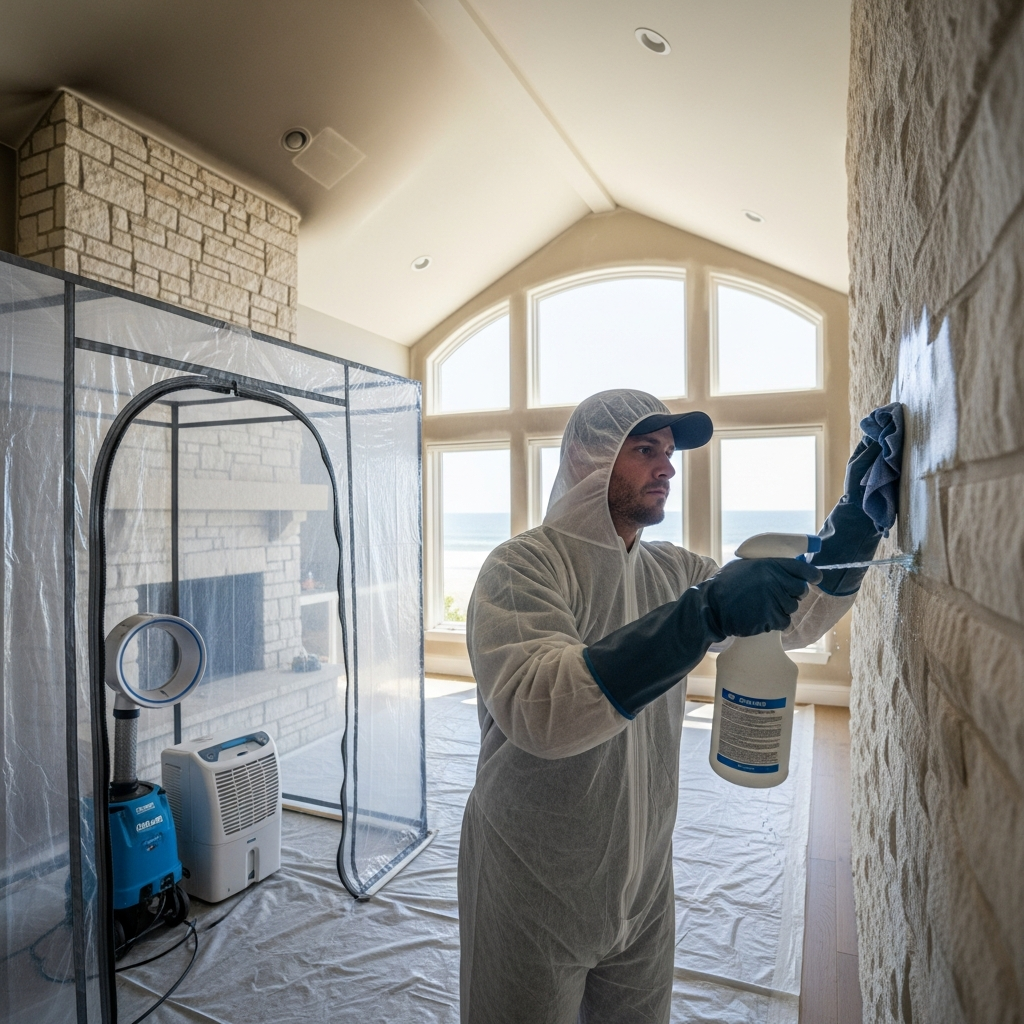
There’s a moment in every homeowner’s journey when you realize you need a team. Maybe the leak source isn’t obvious, or moisture readings aren’t dropping despite fans and dehumidifiers. In those moments, local pros who understand how Malibu homes are built—and how the marine layer behaves—are invaluable. Midway through a drying project or if you detect musty odors that persist, consult trusted specialists for targeted water damage restoration support that respects finishes, timelines, and the practical realities of coastal living.
Clear communication speeds everything. Share your maintenance record, describe what you’ve already tried, and note wind directions during recent storms. The better your story, the faster a good team can narrow down the root cause and resolve it with minimal disruption.
Long-Term Upgrades that Quietly Pay Off
Over the years, incremental improvements accumulate into true resilience. Consider upgrading older windows to units with better coastal-rated hardware and improved flashing systems. If your roof is nearing the end of its membrane life, plan the replacement during fair weather rather than waiting for an emergency. Add overhangs or drip edges where walls take a beating from rain, and choose corrosion-resistant fasteners anywhere metal meets the elements. In crawl spaces, smart ventilation and continuous vapor barriers can transform a damp underfloor into a stable, dry environment that keeps your hardwoods happy upstairs.
Landscape choices matter just as much. Native and drought-tolerant plants reduce irrigation demand, and deep-rooted species help anchor slopes. Where you do need supplemental watering, use targeted drip lines on timers that respond to humidity and rainfall, minimizing the chance you’re inadvertently pushing water toward the house during foggy weeks.
Common Mistakes Malibu Homeowners Can Avoid
Procrastination is the biggest enemy. Tiny cracks, sticky sliders, and sluggish drains have a way of blossoming into leaks during the first heavy storm. Another common misstep is sealing a home so tightly in pursuit of energy efficiency that it traps moisture inside. Balance airtightness with controlled ventilation. Finally, don’t ignore the ground. I’ve seen elegant homes undermined not by roof leaks but by poor drainage, overwatered planters, and misdirected downspouts. Remember, water seeks gravity, gaps, and time—your job is to interrupt that trio before they conspire.
Resist the temptation to mask symptoms. A fresh coat of paint over a stain without tracing the path of intrusion is an invitation for mold to thrive invisibly. Track it down, dry it out, then make it pretty.
How often should I inspect my Malibu home for water intrusion risks?
Twice a year is a good cadence—early fall before the rainy season and late spring after the storms have passed. Add quick walkthroughs after any significant weather event, especially wind-driven rains, and whenever you notice unusual condensation or musty odors.
What are the most common hidden leak points near the beach?
Sliding door thresholds, window weep holes clogged by salt and grit, deck membranes around posts, and hairline stucco cracks above openings are frequent culprits. On tile roofs, displaced tiles and aging underlayment around penetrations are also common sources.
How can I control indoor humidity during persistent marine layer weeks?
Run bath and kitchen exhaust fans longer, operate a dehumidifier in central areas, and open windows when outdoor humidity briefly dips. Keep interior doors open to encourage airflow and limit moisture producers like long, hot showers without ventilation.
Are dehumidifiers safe to run for extended periods?
Yes, as long as they are properly sized, have clean filters, and drain safely—either to a container you empty regularly or to a condensate line designed for the purpose. Monitor relative humidity with a simple hygrometer to fine-tune settings.
What should I do immediately after a minor indoor spill or leak?
Blot and remove surface water, lift area rugs, increase airflow with fans, and use a moisture meter to confirm baseboards and subfloors are drying. If readings stay elevated after 24–48 hours, consider targeted professional help to avoid hidden mold.
When should I call in a professional instead of handling it myself?
If the source is unclear, if water has reached wall cavities or insulation, if you see spreading stains after each storm, or if there’s a persistent musty odor, it’s time to bring in experienced help. Early intervention keeps damage contained and repairs simpler.
Ready to protect your Malibu home for every season?
If you’re looking to tune up your maintenance plan or you’ve spotted a moisture concern you want handled with care, reach out to trusted local professionals who understand our climate, our hillsides, and our oceanfront realities. From proactive assessments to swift mitigation, the right guidance turns worry into confidence. Start the conversation today with seasoned water damage restoration experts who know Malibu inside and out, and keep your coastal life running smoothly—rain, fog, or shine.