In Malibu, emergency fire damage restoration is defined by the first hours after the smoke clears. It is the moment when decisive action prevents secondary damage, when a quick tarp over a vulnerable roof can save ceilings from the first marine-layer drizzle, and when air filtration begins reducing the fine particulates that cause lingering odors. I have watched crews navigate canyon access at dawn, set up generators when power was down, and establish clean pathways through homes where ash seemed to settle everywhere. Rapid response here is both a mindset and a method, and the most reliable path forward starts with a capable partner for fire damage restoration in Malibu who understands the coastal and hillside realities we live with.
The First Hours: Stabilize and Protect
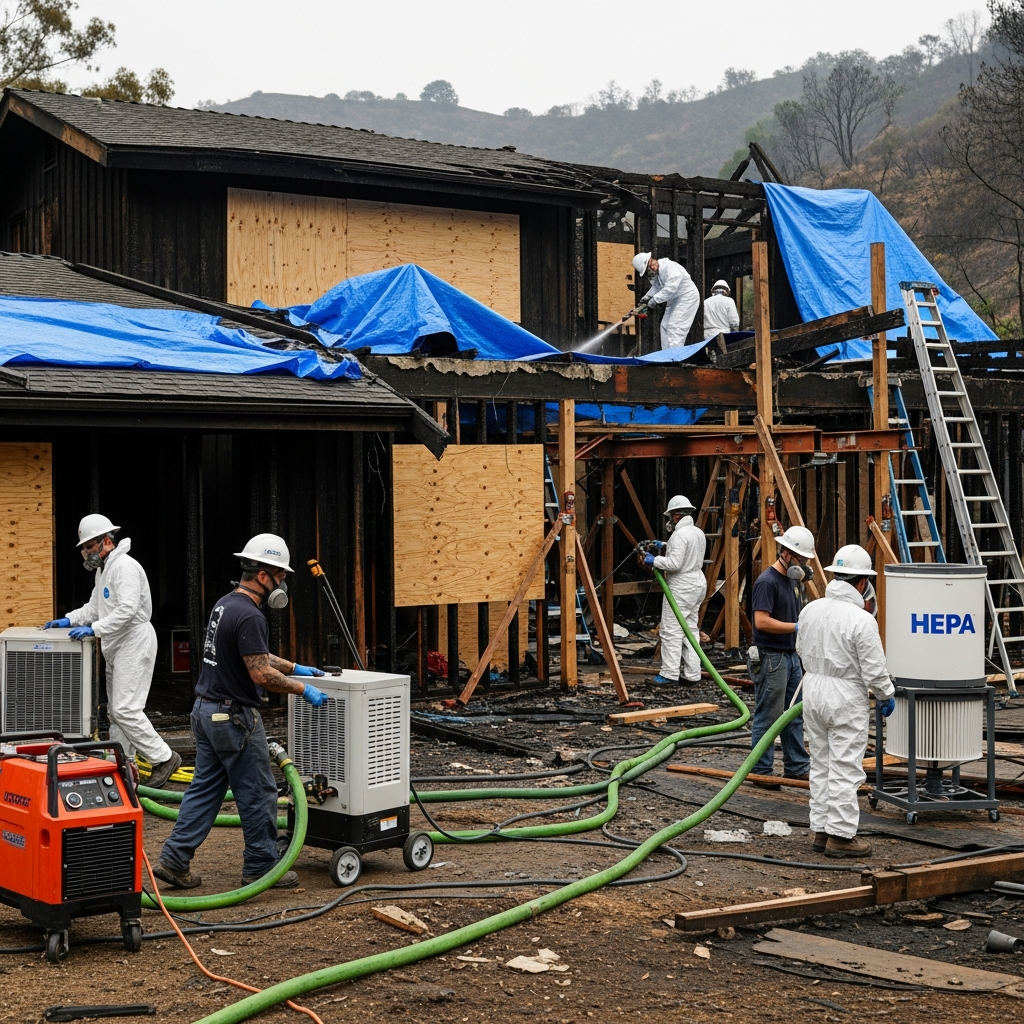
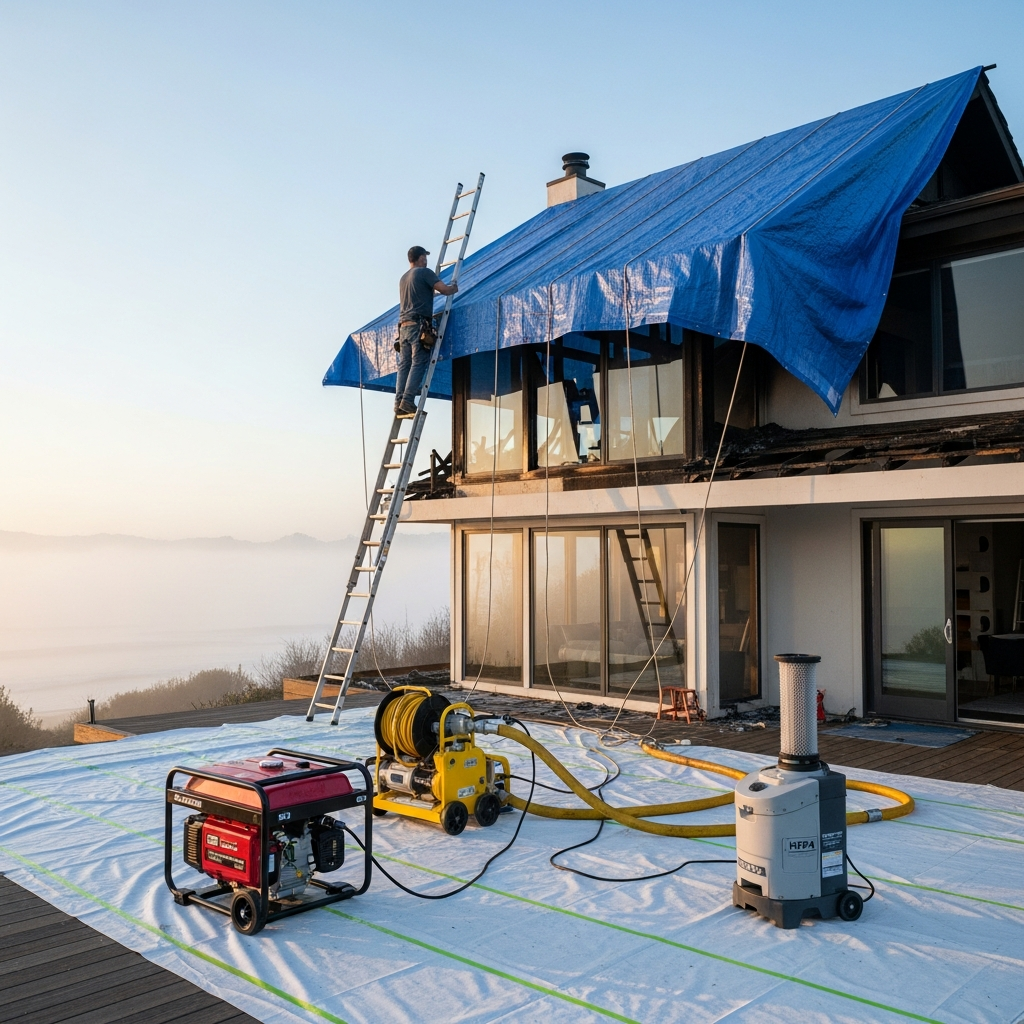
After a fire, the building envelope must be secured. Board-ups close broken windows and doors, deterring intrusion and weather exposure. Roof tarping is essential when embers or falling branches have compromised coverings; even a light overnight mist can push moisture into insulation and drywall, multiplying damage. Inside, stopping water intrusion from firefighting is urgent. Extraction, followed by strategic dehumidification and air movement, limits mold growth and protects structural members from swelling and warping.
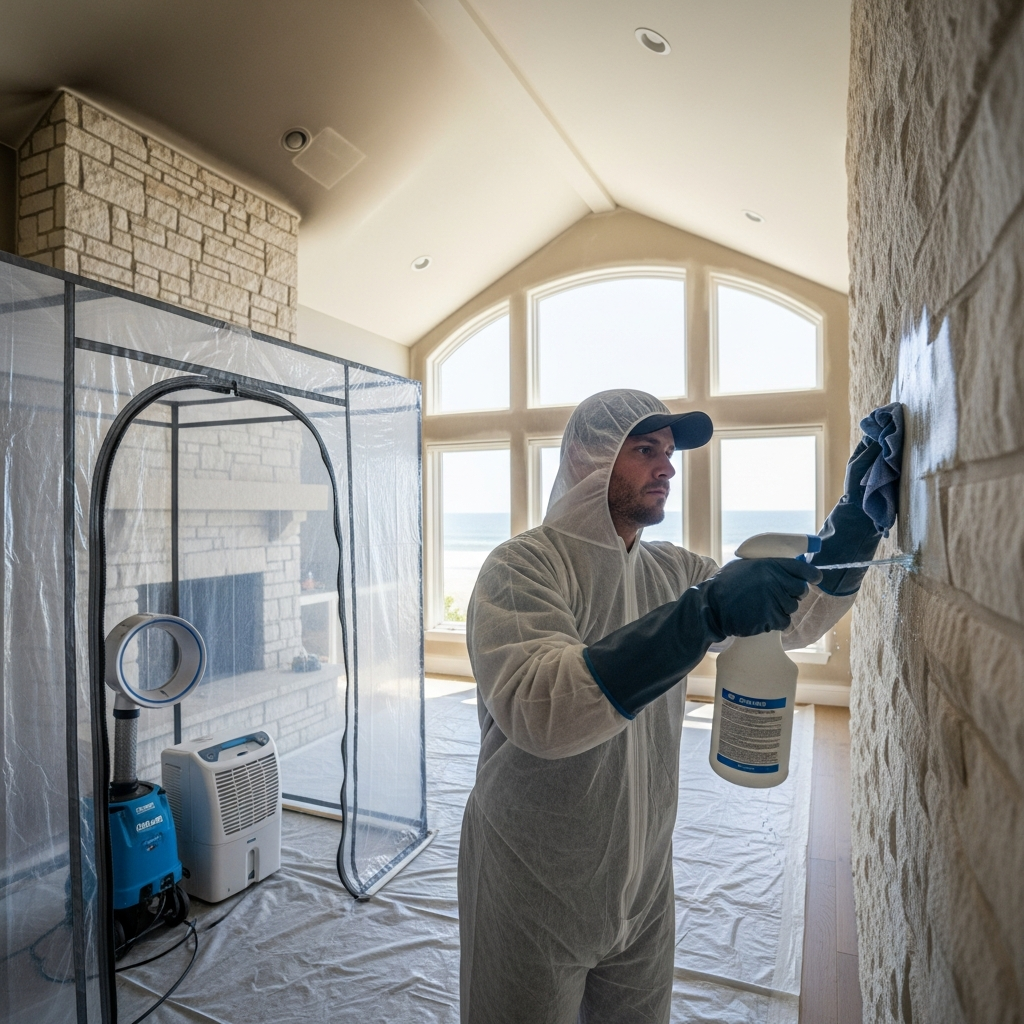
Containment is the other early pillar. Soot-laden air travels easily through a house, especially if doors are opening and closing for access. Setting up negative pressure zones with HEPA-filtered air scrubbers keeps particles from spreading to unaffected rooms. At the same time, technicians lay protective coverings and tack mats to create clean transit paths, preventing cross-contamination during every step of the work.
Safety and Assessment Under Pressure
Rapid response never means rushing blindly. A safe approach begins with utility checks, ensuring gas and electrical systems are secure before crews move freely. Moisture meters and thermal imaging help locate hidden water in ceilings and walls. Where structural integrity is questionable, a quick consult with a structural professional guides shoring or temporary supports. Malibu’s hilly lots and multi-level homes require special attention to stairways, decks, and cantilevers exposed to heat.
Documentation is not optional even in an emergency. Early photographs, notes, and measurements provide a baseline for both work planning and insurance conversations. A clear record of conditions supports decisions later about what was salvageable, what required removal, and which areas were kept clean from the beginning.
Cleaning, Deodorization, and Corrosion Control
Emergency cleaning focuses on high-impact wins that also lay groundwork for deeper restoration. HEPA vacuuming and dry sponging remove loose soot without smearing residues into porous surfaces. Hard surfaces receive targeted cleaning agents suited to the type of contamination present. As this proceeds, deodorization begins—often with hydroxyl generators that can run safely while crews are on site, gradually neutralizing odor molecules rather than masking them.
In Malibu, corrosion control cannot wait. Smoke residues combined with salt air attack metals and electronics quickly. Priority items—appliances, fixtures, and sensitive devices—benefit from early attention, which may include careful cleaning, drying, and protective treatments. Addressing these within the first 24 to 72 hours can make the difference between preservation and replacement.
HVAC Strategy and Indoor Air Quality
Many homeowners are tempted to turn on the HVAC as soon as they return, but that can spread contaminants everywhere. A rapid-response team evaluates the system first, replacing filters, cleaning coils, and addressing returns and supplies so that once the system is re-energized, it supports, rather than undermines, indoor air quality. Throughout the emergency phase, HEPA filtration and negative air machines stay active to maintain clean zones and protect occupants and crews.
Verification is built into the process. Technicians perform odor checks after initial cleaning passes and adjust strategies as needed. In some cases, air or surface sampling later in the project confirms that environments have returned to healthy baselines, but the foundation for that success is laid in the first days by a disciplined approach.
Logistics on the Coast
Malibu’s geography often complicates response: canyon roads, controlled access, and intermittent power are common. Reliable teams arrive prepared—with generators, fuel, ladders, tarps, and the right mix of equipment to operate independently. They coordinate with neighbors and communicate when work will affect shared driveways or narrow roadways. When roads are restricted, staging materials on-site or nearby allows work to continue even as circumstances shift.
Exterior spaces deserve the same urgency as interiors. Ash on roofs and gutters can reintroduce contaminants every time the wind changes. Decks, patios, and courtyards become transit zones that either help or hinder the cleanup depending on how they are managed. Gentle, thorough exterior cleaning prevents pushing soot deeper into surfaces and protects the landscape from runoff issues.
From Emergency to Structured Restoration
Rapid response sets the stage for what follows. Once the home is secure, dry, and contained, the project transitions to a more measured rhythm: targeted demolition where materials cannot be saved, detailed cleaning, deodorization in layers, and preparations for repairs. Throughout, communication remains constant. Homeowners deserve clear updates on progress, next steps, and any findings that change the plan.
Halfway through many Malibu projects, you can sense the shift: odors fade, surfaces stay clean, and the hum of equipment signals steady drying and filtration. That is the moment you know the early hours were handled correctly by a team skilled in fire damage restoration in Malibu, and that the house is moving from chaos to control.
Frequently Asked Questions
How quickly should a crew arrive after I call? As soon as the site is safe and accessible. Early stabilization reduces secondary damage and accelerates the entire recovery.
What should I avoid doing before professionals arrive? Do not run the HVAC, do not wipe walls or upholstered items, and avoid walking through soot-heavy areas. These actions can spread contamination or set stains.
Is it possible to remove smoke odor completely? Yes, when the process is thorough: source removal, detailed cleaning, HVAC treatment, and staged deodorization. Masking scents alone do not work.
Can restoration proceed if power is out? Yes. Prepared teams bring generators and fuel to operate critical equipment, maintain containment, and begin drying and cleaning.
What about my documents and photos? Contents specialists prioritize irreplaceable items. Quick stabilization—drying, gentle surface cleaning, and controlled storage—improves outcomes.
How do I know the air is safe again? Odor reduction is one sign, but professional verification through inspection and, when warranted, testing provides confidence before re-occupying cleaned areas.
When it is time to act, speed and judgment matter equally. If you need immediate help, reach out to a local expert in fire damage restoration in Malibu who can mobilize fast, stabilize your home, and guide the transition from emergency to full recovery with steady, informed care.