In Malibu, choosing a fire damage restoration company is more than comparing names on a list. It is a decision about who will be entrusted with your home’s health, your family’s comfort, and the subtle details that make a coastal property perform as designed. From Ramirez Canyon to Zuma and the ridgelines above Kanan Dume, our terrain, weather, and architecture create a distinctive set of restoration challenges. Having been on job sites during offshore winds and foggy mornings alike, I can tell you the right partner blends technical expertise with local fluency. Early in your search, ground your decision in the fundamentals and look for the steady competence that guides projects from uncertainty to resolution. When that choice also includes seasoned fire damage restoration in Malibu, the path forward becomes clearer from day one.
Local Knowledge Matters
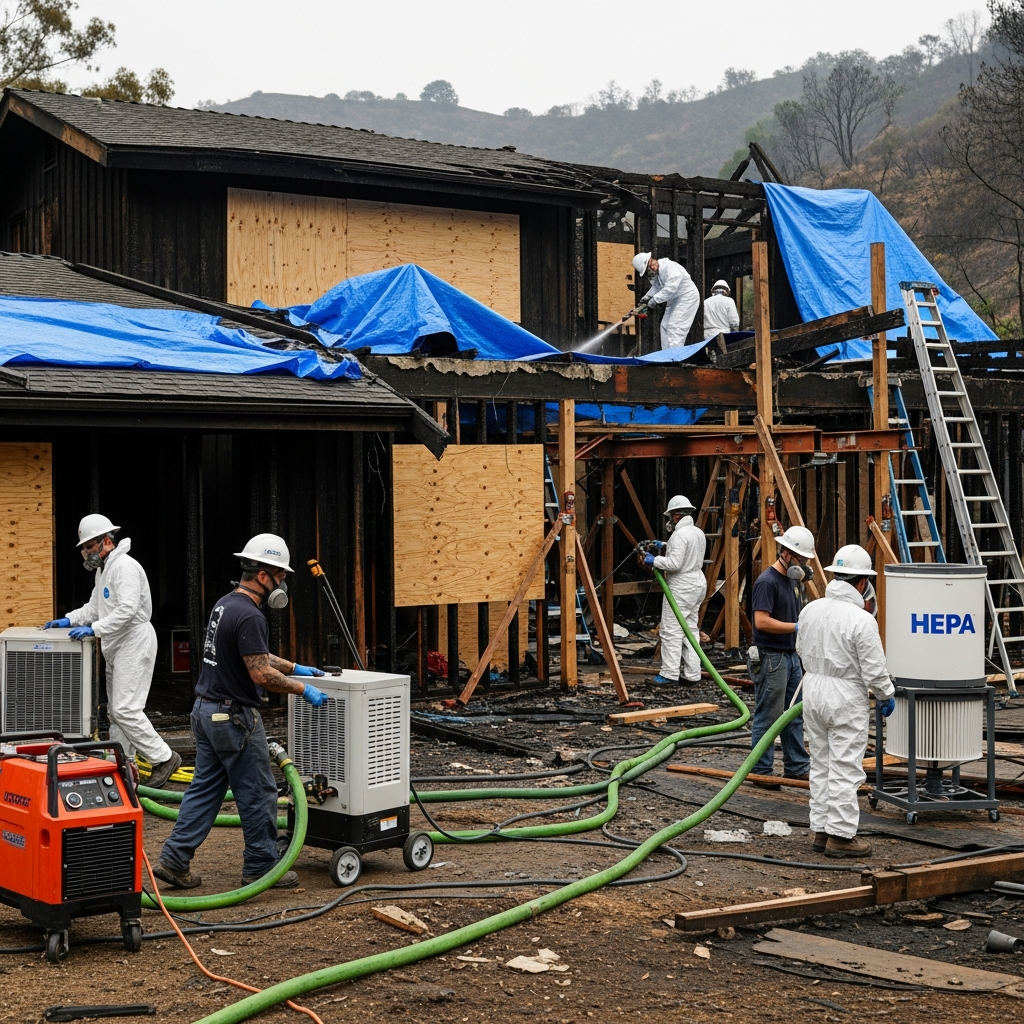
Malibu’s microclimates shape restoration from the outset. Smoke behaves differently when marine layer moisture is present, and corrosion risks rise as salt air mingles with soot. Homes perched on narrow, winding roads demand careful logistics for equipment, debris removal, and crew safety. Access can be limited after wildfires, with utility interruptions and controlled reentry zones. A company that understands these realities anticipates them—arriving with generators, fuel plans, and redundant air filtration to avoid delays when conditions shift.
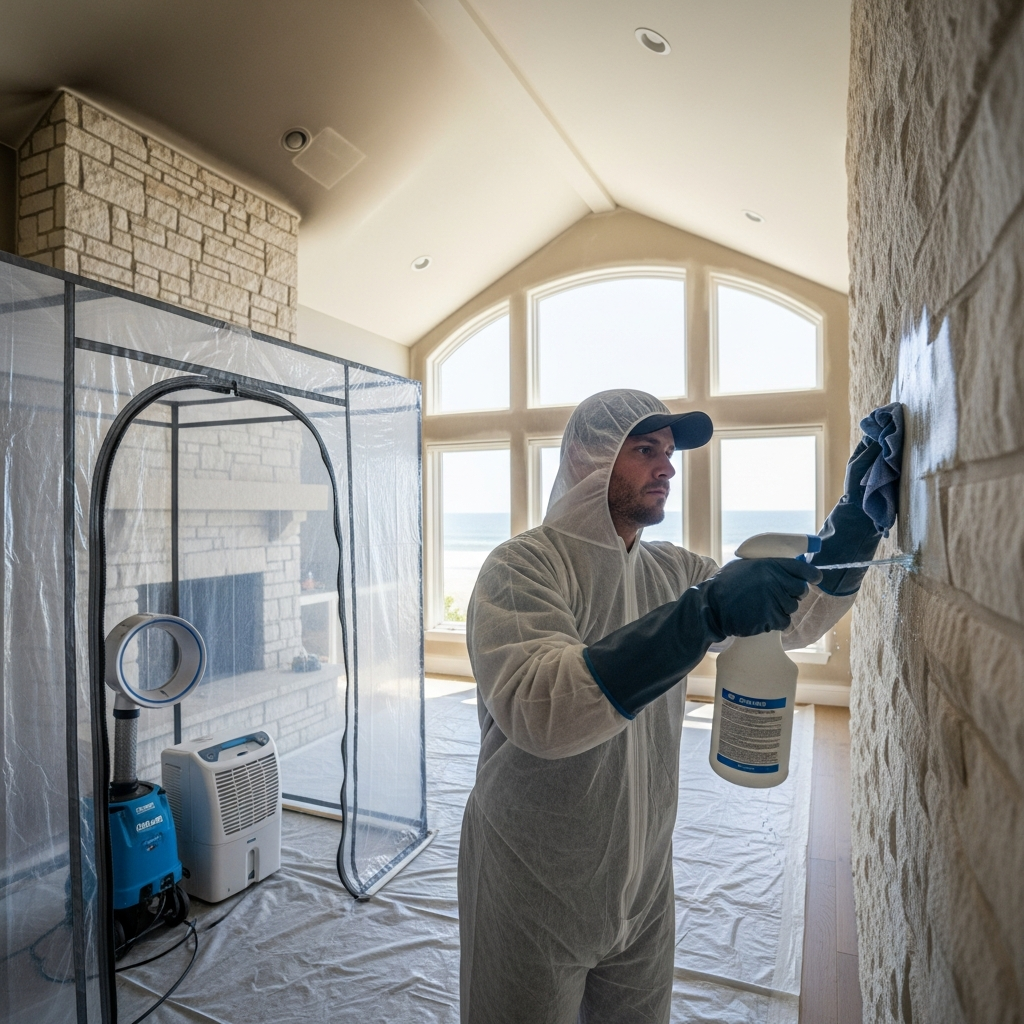
Understanding local building practices is equally important. Many Malibu homes feature custom millwork, specialty stone, and expansive glazing. Knowing how to clean, protect, and, when necessary, gently remove and replace these elements without collateral damage is a mark of true expertise. The best firms can discuss finishes knowledgeably, explain why a given detergent is right for one surface and not another, and demonstrate how they keep clean zones protected from recontamination.
Credentials, Safety, and Process
Fire restoration intersects with safety regulations around asbestos, lead, and other building materials, particularly in older structures. Any company under consideration should be able to explain how and when they test, what containment looks like if abatement is required, and how they sequence demolition and cleaning to protect both workers and occupants. They should also highlight training in recognized industry standards and show that project managers and technicians follow written protocols rather than relying on improvisation.
Process discipline reveals itself quickly. A serious team documents every space with photographs and notes, establishes negative air and containment before opening walls or ceilings, and logs moisture readings and soot assessments to guide decision-making. They handle contents with care, cataloging and packing out items thoughtfully, prioritizing family essentials, art, and sensitive electronics. Most importantly, they explain the plan in plain language so you always understand what is happening and why.
Communication and Transparency
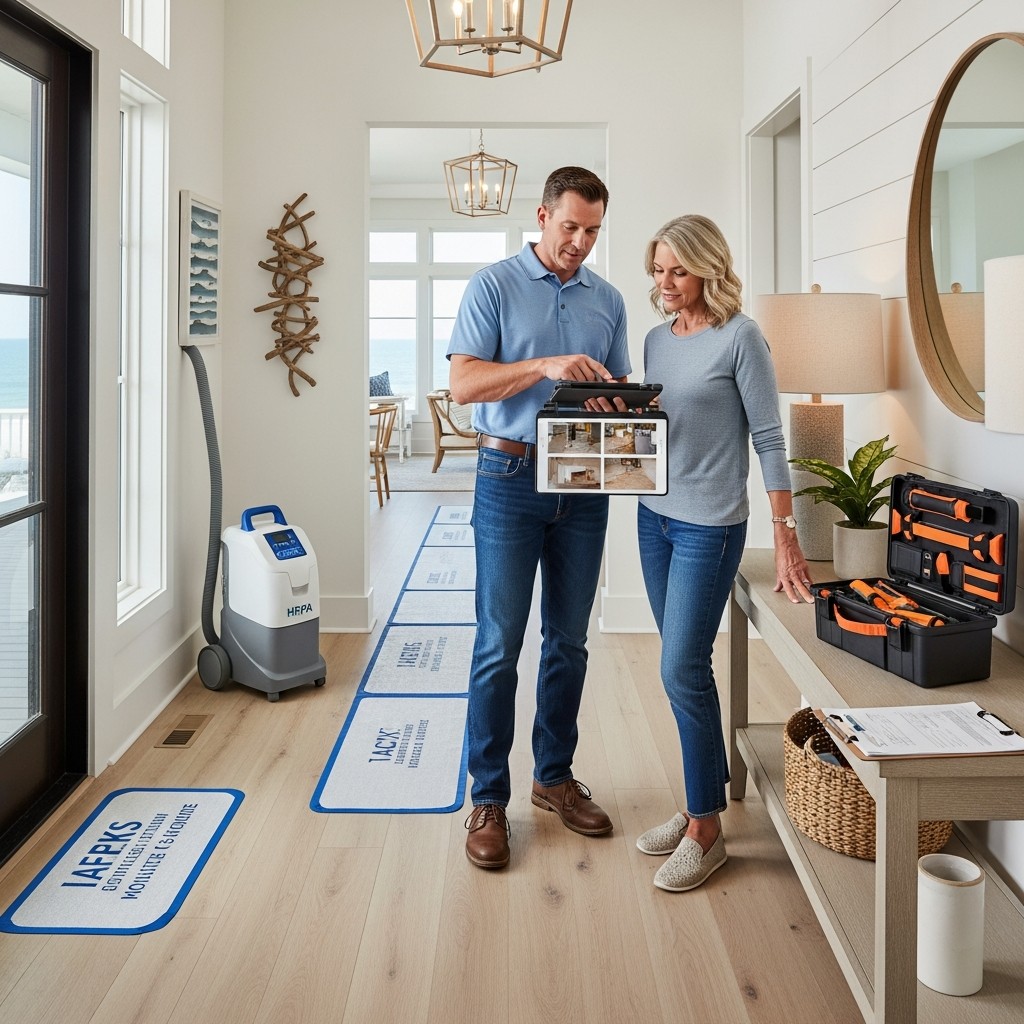
In the immediate aftermath of a fire, uncertainty can be as stressful as the damage itself. Choose a company that communicates daily, sets realistic milestones, and asks for your input at key decision points. This transparency is especially crucial in Malibu, where unique materials and custom features often require coordinated specialty work. Look for providers who share progress photos, invite walkthroughs, and encourage questions. When challenges appear—and they do in complex projects—problem-solving should be collaborative and documented.
Insurance processes benefit from this clarity. Thorough records of conditions, actions, and measurements simplify conversations with adjusters and help avoid delays. While your contractor cannot control every aspect of claim handling, a professional approach provides the evidence needed to keep mitigation moving and repair approvals on track.
Equipment and Techniques
Effective restoration relies on the right tools, deployed in the right sequence. In Malibu’s coastal conditions, that means HEPA filtration combined with carbon for odor control, negative air machines to manage airflow, and dehumidifiers tailored to marine humidity. Cleaning techniques must reflect the type of soot present—oily deposits from synthetic materials behave differently than lighter residues from wood smoke. Crews should be conversant in dry cleaning, wet cleaning with appropriate detergents, and advanced deodorization measures such as hydroxyl treatment performed under controlled conditions.
One hallmark of a capable company is respect for HVAC systems. If the air handler and ducts are overlooked, residual odor and particulates can undo weeks of careful work. Proper restoration includes cleaning coils, changing filters systematically, addressing returns and supplies, and verifying that systems will not recontaminate clean spaces once re-energized.
Balancing Speed with Thoroughness
Everyone wants a fast return to normal, but the urgency must not shortchange the fundamentals. The right partner moves quickly on stabilization—board-ups, tarps, water extraction—while also planning for the meticulous steps that follow. They are candid when something needs extra time to be done properly and just as candid in identifying tasks that can be accelerated without risk. In Malibu, environmental considerations and hillside stability sometimes require added patience; a trustworthy company explains those needs and manages expectations accordingly.
Midway through a project, you should notice a shift: odors diminish, surfaces stay clean between visits, and spaces begin to feel like home again. That inflection point is a good sign that your choice of fire damage restoration in Malibu was on target and that the team is balancing pace with precision.
References and Results
Ask for local references and be specific in your questions. Did crews keep promises about timing? Were delicate finishes protected? How did the property feel two months after the work, once humidity and temperature changed with the season? Lasting results are the truest measure of quality. Odors should not return with heat, and cleaned surfaces should remain free of residue. If a company can demonstrate consistent outcomes across Malibu’s varied neighborhoods and home styles, they have earned serious consideration.
Frequently Asked Questions
How soon should restoration begin after a fire? Mitigation should begin as soon as the site is safe. Early action prevents secondary damage from moisture, soot, and corrosion.
Can a company guarantee that smoke odor will not return? No one can honestly guarantee absolute outcomes, but professionals reduce risk through source removal, detailed cleaning, HVAC treatment, and staged deodorization verified by inspection and, when appropriate, testing.
What if my property was not directly burned but smells like smoke? Smoke and ash travel far in Malibu winds. A tailored cleaning and deodorization plan can restore indoor air quality even if flames never reached the structure.
Will my contents be safe during pack-out? Reputable companies inventory, photograph, and bar-code items as needed. Storage is secure and climate-controlled, with clear records of cleaning and condition.
How do I judge whether a company is truly local? Look for a track record of projects in Malibu, knowledge of access routes and common materials, and references from nearby neighborhoods. Local familiarity shortens learning curves when conditions shift.
Choosing well sets the tone for everything that follows. If you are ready to bring calm, capable leadership to your project, connect with a trusted expert in fire damage restoration in Malibu. With the right team, your home’s character can be protected, your health safeguarded, and your return to normal thoughtfully managed from the first walkthrough to the final handoff.