After a smoky spell in Malibu, the first clues at home are often small: a salty-smoky sheen on a glass railing, a faint odor that tugs at the back of your throat when the HVAC kicks on, a powdery film collecting at the track of a sliding door. Because our homes open so gracefully to the outdoors, smoke finds countless footholds. As a local who has seen restorations from Broad Beach to the canyons, I have noticed the same challenges play out again and again. Understanding these common issues helps you plan a smarter recovery and avoid the frustrations that come from quick fixes. When you partner with experienced smoke damage restoration teams, the pitfalls shrink and solutions get precise.
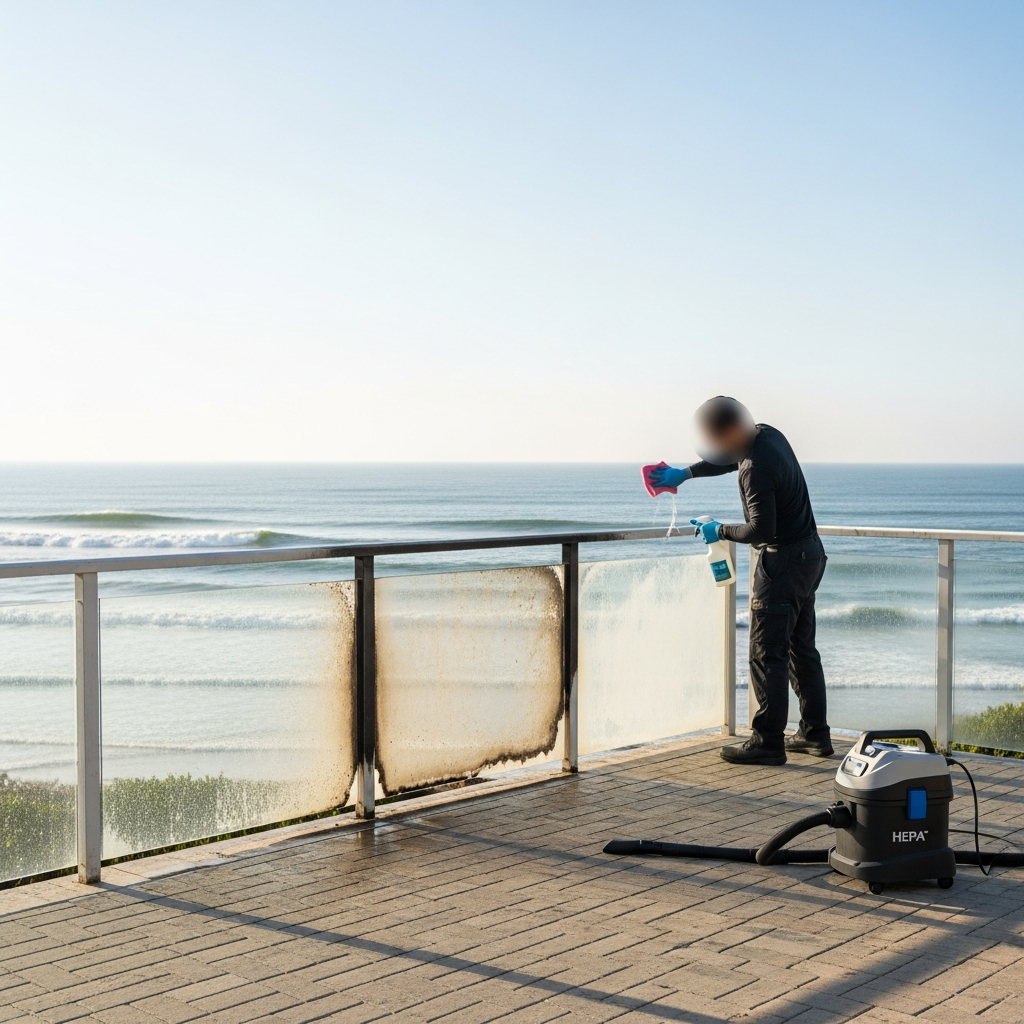
One widespread issue is residue adhesion on glass and mirrors. Malibu’s ocean air carries salt, and when it mingles with smoke particulates, it accelerates etching and stubborn filming. Homeowners often try glass cleaners only to find streaks that seem to reload with every wipe. The fix requires a stepwise approach: first, dry removal with microfiber and HEPA vacuuming to capture loose particulates; then, pH-balanced wet cleaning to break the chemical bond without scratching; finally, a careful rinse and buff. Skip the sequence and you risk grinding the residue into the surface, leaving hairline scuffs that bloom when the sun hits the pane.
Another frequent problem lives in HVAC systems. Returns pull smoke into ductwork, where it lodges in bends and on coils. Weeks later, a house that looks spotless can smell smoky the moment the fan starts. In many Malibu homes, flex duct and complex runs create pockets where debris collects. Without targeted cleaning—brush-and-vacuum methods capturing particles with HEPA machines—odors persist. Filter upgrades help, but they cannot correct a contaminated coil or dirty return plenum. Treating the system is essential if you want results that last through humidity swings and Santa Ana winds.
Protein smoke from kitchen incidents forms a nearly invisible film with a powerful odor. It clings to cabinets, light fixtures, and painted walls, resisting standard cleaners. Scrubbing too hard risks burnishing paint or driving residues into seams. Professionals reach for enzyme-based cleaners that break down the residue, followed by gentle rinses. Light may reveal the film as a slight matte halo around appliances or on range hoods; ignoring it ensures the odor endures, surfacing most when the kitchen warms up.
Porous Materials and Hidden Reservoirs
Open-grain woods, raw framing in attics or knee walls, and unsealed mortar joints act like sponges. They absorb smells that re-release with heat and humidity. A common error is to paint over the problem too early. Without proper cleaning and drying, painting traps odor rather than eliminates it. Where testing shows persistent contamination, selective sealing with low-odor primers can help after source removal. The art is in restraint: sealing only where warranted and preserving breathability elsewhere so materials can equilibrate without future surprises.
Textiles and soft goods create their own set of headaches. Upholstery, drapes, and bedding take on odor quickly, and standard laundering cannot always neutralize it. Over-perfuming masks the issue briefly, but the smell returns in the afternoon sun. Specialized laundering, controlled deodorization that does not rely on ozone, and HEPA-filtered negative-pressure cleaning rooms are the difference between fresh and faintly smoky. Contents care is not an afterthought; it is a parallel track that keeps the rest of the home from re-odorizing.
Exterior-to-Interior Transfer
Malibu’s beauty is the indoor-outdoor flow, which turns into a challenge after smoke events. Ash on decks, pavers, and outdoor fabrics migrates indoors by footfall, paws, and breeze. Homeowners who clean only the living room find odors persist because the patio remains a source. An exterior sweep and wash, using controlled methods that protect landscaping and prevent runoff contamination, must accompany interior work. Glass railings in particular telegraph cleanliness; leave a salty-sooty film and you are reminded every time the light hits that edge.
In bathrooms and kitchens, caulks and sealants are vulnerable. Smoke residues can stain or yellow flexible materials, especially along backsplashes and shower enclosures. Aggressive cleaners may abrade or smear the stain deeper. The fix is to test carefully, use gelled or pH-specific cleaners with controlled dwell, and replace sealant only when truly necessary to preserve waterproofing. Rushing to cut and replace can cause more disruption than benefit, especially if the odor source lies elsewhere.
Attics, Crawl Spaces, and the Spaces Between
Hidden cavities are the most common source of lingering odor. Attic insulation traps particulates incredibly well—unfortunately, that is part of its job. When smoke arrives, it can settle across the top layer and in low-ventilation corners. Weeks later, on a warm afternoon, odors descend into living spaces. Treating these zones may involve insulation removal in targeted areas, air sealing penetrations to stop airflow paths, and cleaning raw wood surfaces with HEPA vacuuming followed by appropriate rinses or selective sealing. Crawl spaces deserve similar attention, especially where ductwork runs or where wind-driven dust collects at vents.
Another sneaky culprit is the void behind cabinets and built-ins. Smoke enters through gaps at outlets and plumbing penetrations, lodging in the unpainted backs and sides of casework. If you only clean the face of cabinetry, a faint smell remains when the room warms or when drawers are opened. A surgical approach—removing a toe-kick or accessing from an adjacent closet—can reveal deposits. Cleaning and, if needed, spot-sealing these raw surfaces resolves what endless counter wiping never will.
What DIY Misses and When to Call Pros
Do-it-yourself cleaning helps with light dust but rarely solves core issues. Common missteps include using the wrong cloth or vacuum and redistributing particulates, skipping dry-cleaning steps before wet work, and moving too quickly without testing cleaners on delicate finishes. In Malibu, the stakes are higher because materials are often premium and finishes exacting. Professionals bring not just tools but sequencing and restraint, understanding when to stop, when to switch methods, and when to open a wall. This judgment saves time and avoids costly rework.
Partway through a cleanup, it is tempting to think the worst is over. Then a wind event arrives, stirring odors from a vent or an attic knee, and frustration creeps in. This is where the structure of a professional plan matters. Source removal first, then surface cleaning, then targeted deodorization, with HVAC addressed in parallel. The sequence holds whether you are dealing with distant wildfire smoke or a contained kitchen flare-up. It is reliable because it respects how smoke moves and where it hides.
At the midpoint of many projects, homeowners ask if airing out alone might eventually clear the smell. In our climate, the answer is almost always no. Humidity and temperature changes activate residues, while marine layers and Santa Ana winds take turns carrying particulates into and out of hiding. Breaking the cycle requires removal and neutralization. That is the promise of professional smoke damage restoration: not just cosmetic improvement, but a chemical reset that endures.
Protecting Design and Value
Common issues, left untreated or treated poorly, chip away at both comfort and value. Etched glass looks cloudy even when clean. Dull metal fixtures photograph poorly and whisper “maintenance deferred.” Lingering odors are the first thing a guest notices and the last thing a homeowner can ignore. Addressing these issues thoroughly is not about overreacting; it is about stewardship. With the right sequence, materials rebound, and rooms feel right again. The ocean light returns without the haze, and the only scent is the neutral, quiet one of a healthy home.
There is also the matter of momentum. Projects that stall after surface cleaning tend to drag on emotionally. Each day the home smells “almost” right is another day of uncertainty. By contrast, a comprehensive plan gathers small wins quickly—a fresh-smelling bedroom, a coil that no longer off-gases, a patio that does not track ash back inside—until the whole house tips cleanly back to normal. This rhythm matters in busy Malibu households where calendars brim with work, school, and surf.
Frequently Asked Questions
Q: Why does my house still smell smoky weeks after cleaning? A: Hidden reservoirs in insulation, ductwork, or raw wood can re-emit odors with heat or humidity. Addressing those sources, not just surfaces, is key to lasting relief.
Q: What is the best way to clean glass railings and windows after smoke? A: Start dry with microfiber and HEPA vacuuming, then use a pH-balanced cleaner and rinse thoroughly. Avoid abrasive pads that can create fine scratches exaggerated by Malibu’s strong light.
Q: Should I replace all my HVAC ducting? A: Not necessarily. Camera inspections and particulate testing guide decisions. Many systems respond well to brush-and-vacuum cleaning, coil service, and filter upgrades without wholesale duct replacement.
Q: Are odors worse near the kitchen even if the fire was far away? A: Kitchens collect grease and protein residues that grab smoke compounds, making odors more persistent. Enzyme-based cleaners and thorough degreasing restore neutrality.
Q: Will repainting fix smoke odor on walls? A: Only if cleaning and, when necessary, sealing primers are used first. Painting over residue can trap odor and create adhesion issues later.
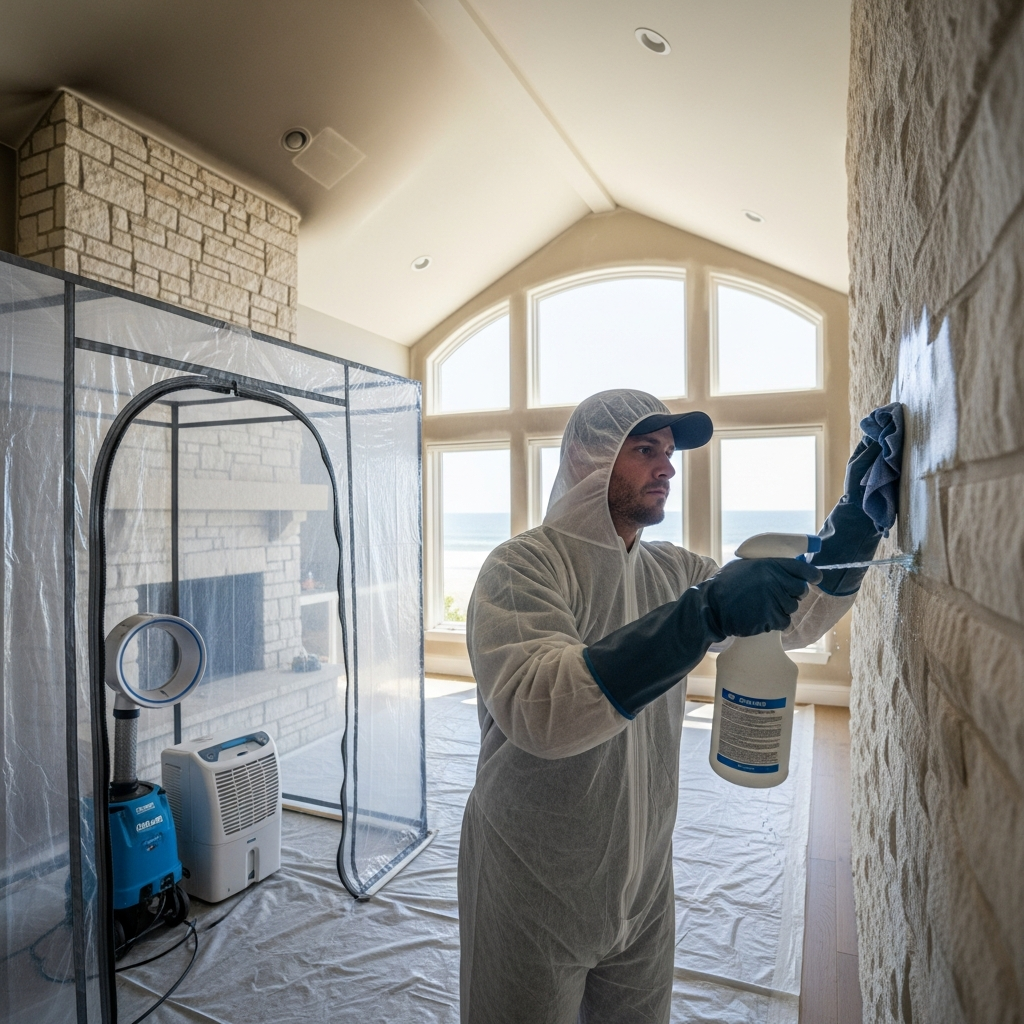
Q: Can I keep living at home during restoration? A: Often, yes. Crews can set up negative-pressure zones and schedule work to keep parts of the house comfortable and safe while cleaning proceeds.
Set Your Home Back to Neutral
If smoke has left its mark—on your windows, in your vents, or simply in the way a room smells at sunset—the right plan can return calm quickly. Connect with local experts who understand Malibu’s materials and microclimates, and let them solve the persistent problems at their source. Begin with trusted Malibu smoke damage restoration, and welcome back the clean, quiet air your home deserves.