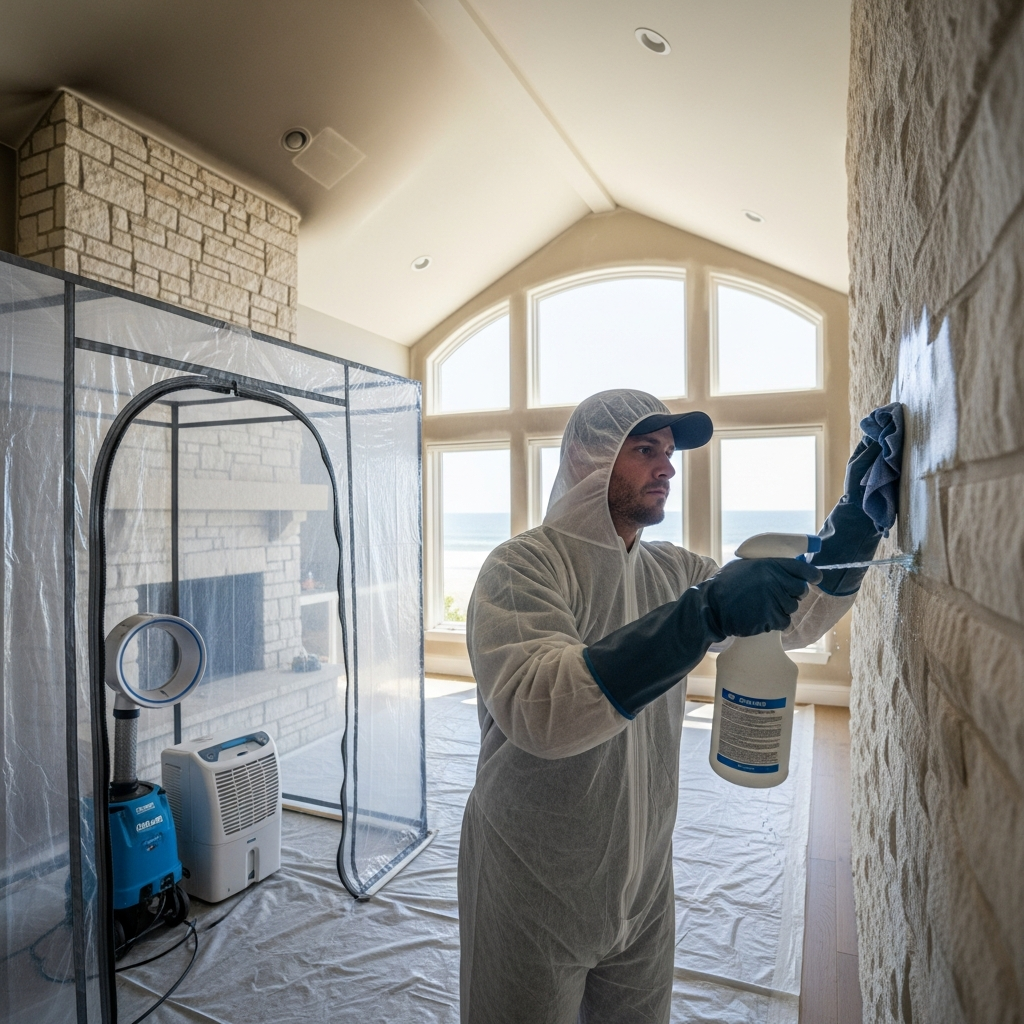
The moment the last air scrubber leaves and the windows close on a newly refreshed home, a different kind of work begins. In Malibu, keeping your house feeling clear and neutral after a smoke event is not just about what the restoration team accomplished; it is about the simple rhythms you adopt afterward. Our microclimates—marine layers, Santa Ana winds, sun-warmed afternoons—are beautiful, but they test homes in subtle ways. As a local who has watched families settle back in after cleanup, I have gathered the practices that keep rooms steady, fabrics fresh, and systems quietly protective. These tips are not complicated, but they are tuned to the way Malibu homes breathe. They complement professional smoke damage restoration so you can enjoy the view without wondering if the air holds a memory.
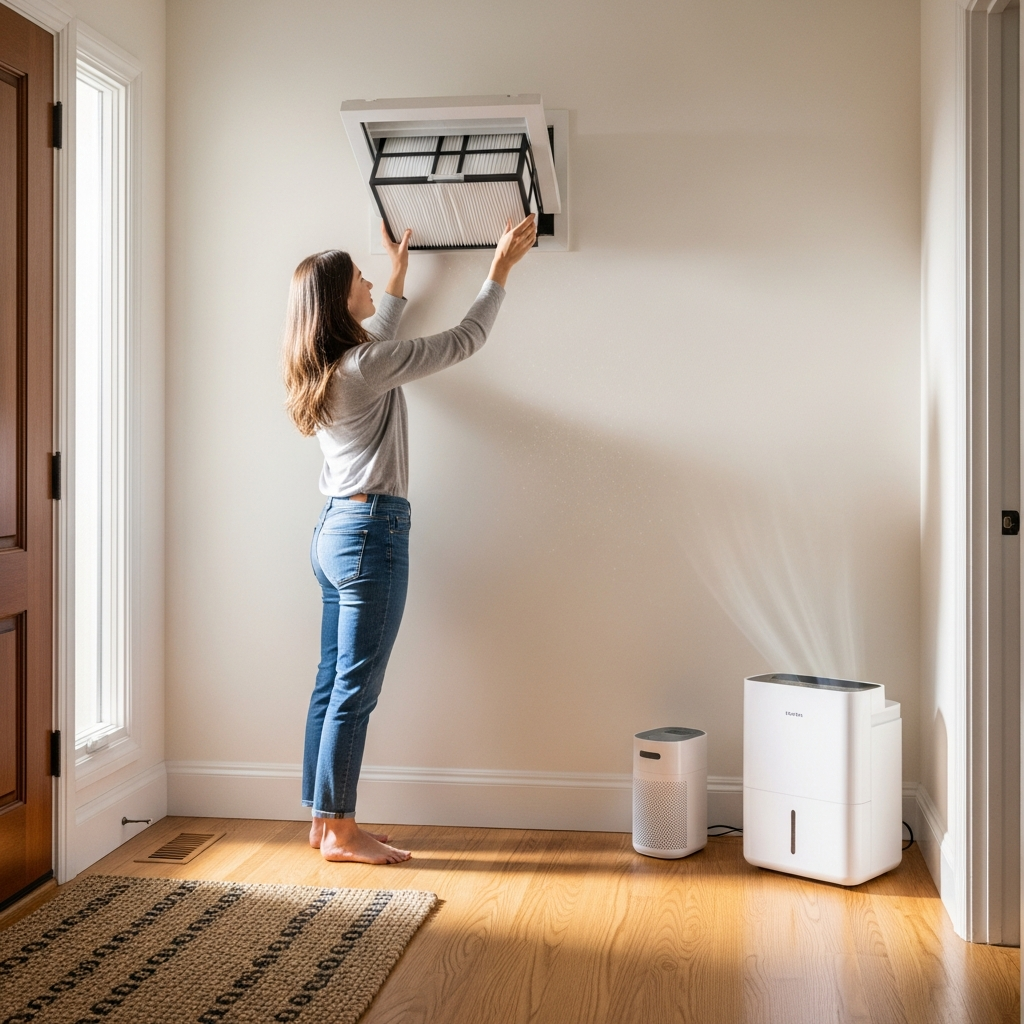
Start with filtration. Your HVAC filter is the front line of everyday defense, especially in the first months after restoration. Even with pristine ducts and coils, life stirs dust. Choose a filter rating that your system can handle comfortably, and mark your calendar for earlier-than-usual changes during wind season. If your crew recommended a specific model and cadence, stick to it. Run the fan on circulate mode during smoky days to keep air moving through filtration rather than seeping past door and window gaps. This gentle habit keeps particulates from settling and interrupts the pathways that let odor sneak back during humidity swings.
Ventilation deserves equal attention. On blue-sky mornings, it is tempting to fling open every slider. Make a quick habit of checking outdoor air conditions before doing so. If readings are poor or you can smell smoke outside, keep the house closed and rely on filtration instead. When conditions are good, strategic airing—opening windows on the leeward side and creating a soft cross-breeze—refreshes rooms without drawing in dust-laden gusts. In canyons, winds can shift quickly; be ready to pivot by closing windows and running the fan until the air calms.
Housekeeping That Preserves the Reset
After restoration, think of your cleaning as light, frequent, and purposeful. Dry dusting with microfiber and vacuuming using a true HEPA machine capture fine particles without smearing. Save wet cleaning for when it truly helps, and use pH-appropriate products on glass and stone. If a room begins to smell dull, resist the urge to launch heavy cleaners immediately. First, vacuum baseboards and vents, wipe door tracks, and wash textiles like throws and cushion covers. Often, the smell is not new contamination but a bit of settled dust ready to be lifted.
Windows and glass railings are Malibu’s telltales. Sea air and wind carry a film that can double down with any residual particulate. Rinse exterior glass with fresh water before cleaning to remove abrasive grit. Indoors, dry-wipe first, then switch to a balanced cleaner. Where sunlight reveals faint streaking, a careful second pass with a clean cloth usually resolves it. Avoid abrasives that can create micro-scratches visible in raking light.
Floor care plays an outsized role in keeping odors away. Entry mats at thresholds capture what would otherwise spread. Vacuum rugs regularly and, if your restoration included deep textile cleaning, maintain that freshness with periodic professional rinses rather than waiting for a problem. For hardwood, a barely damp mop and neutral cleaner suffice; too much water can drive dust into seams and lift grain, releasing odors as it dries.
Protecting the HVAC Advantage
Because so many odor comebacks trace to airflow, a little attention to the HVAC system pays off. Keep return grills and supply vents dust-free with a soft brush attachment, and listen for new rattles that suggest a loose panel or filter not seated correctly. If your system has a fresh-air intake, ask your technician to confirm its settings after restoration so it does not draw outdoor smoke during poor air days. Seasonal maintenance—coil inspection, condensate drain checks, and verifying fan speeds—sustains the efficiency and air clarity you worked to regain.
Consider a portable HEPA unit for bedrooms or a home office you use daily. Run it on low in the background; the quiet hum is a small insurance policy during windy weeks. Choose models with sealed housings and accessible pre-filters, and commit to cleaning those pre-filters regularly so performance stays strong. You do not need high drama—steady, low-key filtration is often the secret to rooms that always smell like nothing at all.
Textiles, Closets, and the Soft Side of Home
Soft goods tell on the air. Keep bedding, drapes, and upholstery on a washing or vacuuming schedule that is a notch more frequent than before. Sunlight can freshen, but use it with care to avoid fading. For closets, a simple routine works: keep doors cracked slightly to promote airflow, and avoid overpacking that traps stale air. If a garment or throw picks up a faint odor after a humid day, wash it promptly rather than letting the smell set. For area rugs, rotate them seasonally; this distributes wear and dust load, making each cleaning more effective.
Pet zones deserve special attention. Beds, blankets, and favorite spots collect whatever the air is carrying. Regular washing and vacuuming around these areas prevent re-soiling elsewhere. If your restoration included deodorizing pet fabrics, maintain that baseline with gentle, fragrance-free detergents that do not compete with the clean neutrality you want throughout the house.
Staying Ahead of Weather Swings
Malibu’s seasons have their own pace. Ahead of forecast Santa Ana winds, check filters, close windows, and run the system on circulate with a clean filter. After a foggy morning burns off, open windows temporarily to exchange air if outdoor readings are good. After high-wind days, do a quick exterior sweep of patios and entryways so ash does not ride in on the bottom of shoes. These micro-rituals take minutes but pay dividends, keeping the line between outdoors and in where you want it.
Pay attention to humidity as well. Elevated indoor humidity can coax subtle odors from materials that are otherwise clean. Use bathroom and kitchen exhaust fans, especially when cooking, and consider a small dehumidifier for any consistently damp areas. Attics and garages can benefit from occasional airing on clear days, with doors opened briefly to vent warm, stale pockets.
Outdoor Areas as Partners, Not Sources
Decks, pavers, outdoor kitchens, and glass railings are integral to Malibu living. Keep them allies by rinsing surfaces periodically and storing cushions in breathable bins during windy spells. When cleaning outdoor glass, a fresh water rinse first prevents micro-scratches. For stainless grills and fixtures, wipe with a soft cloth and a non-acidic cleaner to ward off the corrosion that smoke-salt mixtures can accelerate. These habits protect the seamless flow between terrace and living room.
Landscaping plays a role, too. After a smoky period, gently hose plants to release ash without driving it into soil or storm drains. Sweep walkways rather than blasting them, and empty outdoor doormats where dust will not blow back to the entry. A tidy perimeter reduces the load on your indoor routine.
Spot-Check the Usual Suspects
Even after a thorough restoration, a few places bear watching. Sliding door weep holes collect grit that can grind into tracks and carry odors; vacuum them periodically. Cabinet toe-kicks and the gap behind refrigerators accumulate dust that warms and releases scent; a quick pass with a wand attachment works wonders. In laundry rooms, clean the dryer lint trap and surrounding area more often than you think necessary. None of these tasks take long, but together they maintain the invisible order that keeps air clear.
Attics and crawl spaces deserve an annual look, especially if insulation was removed or sealed during restoration. A brief inspection for dust, new gaps, or signs of pest activity can prevent small problems from becoming air quality issues. If anything seems off—a faint smell on a hot day, for example—call your restoration pro for a check. A quick adjustment now is easier than a full reset later.
Mindful Products and Gentle Scents
After you have worked so hard to regain neutrality, avoid heavy fragrances and aerosol deodorizers that mask rather than solve. Choose low-VOC cleaners and unscented detergents. If you like a subtle scent at home, keep it soft and occasional so you can still detect changes that might signal a maintenance need. The goal is for your home to smell like itself—clean, quiet, and unforced.
In kitchens, cooking is the most common source of new odors. Run your range hood during and after cooking, and clean the filters regularly so they capture grease effectively. Wipe splatters promptly and, if you notice a persistent film returning near the stove, schedule a deeper degreasing before it becomes a magnet for airborne particles.
Checklists That Fit Your Life
It is easy to overcomplicate maintenance. Instead, anchor your routine to existing habits. Change filters when you pay your utility bill. Vacuum door tracks when you water plants. Rinse patio glass when you clean the grill. Involving the whole household—kids shaking out entry mats, a partner checking vent grilles—makes upkeep lighter and more consistent. The aim is not perfection; it is steadiness.
Midway through the year, take a moment to review your home’s air quality story. Have odors stayed quietly absent through humid mornings and windy nights? Are filters getting dirty at the expected rate? If something feels different—if a particular room seems dull or a closet smells closed-in—address it promptly. Sometimes a refreshed pre-filter, a round of HEPA vacuuming, or a quick exterior sweep is all that is needed to return to baseline. If not, do not hesitate to call for a targeted assessment. The promise of professional smoke damage restoration is not just the initial reset but the support to keep it holding strong.
When to Re-engage the Pros
There are times when maintenance reveals a deeper issue. A warm-weather odor in the afternoon can point to attic residues you cannot access. A persistent scent when the HVAC starts may indicate a coil or return plenum that needs service. If rooms feel fine until a specific wind direction arrives, an air-sealing gap could be the culprit. Professional eyes and instruments—particle counters, scoped cameras—pinpoint causes quickly, sparing you trial and error. Think of this as preventive care; a small, focused visit protects everything you have done since the big cleanup.
Communication with your restoration team can be as simple as an annual check-in. Ask for a filter recommendation update, request a quick look at any areas you are unsure about, and mention changes in how the house feels during certain weather. Over time, this partnership builds an understanding of your home that pays off when air turns smoky again. The house learns, you learn, and resets get faster and gentler.
Frequently Asked Questions
Q: How often should I change my HVAC filter after restoration? A: More frequently during the first few months—often monthly during windy periods—then adjust based on how quickly filters load. Follow your technician’s guidance to match filter ratings with your system’s capacity.
Q: Do I need portable air purifiers if my HVAC is clean? A: Not always, but a unit in bedrooms or a home office can provide steady background filtration, especially during Santa Ana events or when outdoor air quality dips.
Q: What if I smell smoke on humid days but not otherwise? A: Humidity can coax trace odors from materials. Increase ventilation and filtration, dry-clean surfaces with HEPA tools, and, if the issue persists, have pros inspect likely reservoirs such as attics or cabinet voids.
Q: Are strong deodorizers helpful? A: Heavy fragrances mask rather than solve. Choose low-VOC, fragrance-free cleaners and address sources—filters, vents, textiles—instead of covering smells.
Q: How can I protect glass railings and windows? A: Rinse exterior glass with fresh water first, then clean with a balanced solution and soft cloths. Inside, dry-wipe before wet cleaning to avoid dragging abrasive particles.
Q: My outdoor cushions smell after a windy week. What now? A: Vacuum them, launder removable covers per instructions, and air them on a clear day. Store cushions during high-wind periods to prevent reloading.
Keep Malibu Air, Indoors
With a few steady habits, your home can hold onto the clarity the restoration team delivered. Filter wisely, clean gently, and stay attuned to weather. When something feels off, solve it early, and lean on experts who know our climate and construction. If you need a hand, begin with trusted Malibu smoke damage restoration and enjoy the simple luxury of rooms that smell like nothing at all, from the first step inside to the last light on the terrace.