Walk any Malibu street after a smoky week and you will notice the quiet work of recovery—windows propped for fresh air, contractors’ vans tucked along curbs, neighbors comparing notes about which smell lingers in which room. What you might not see are the innovations shaping how homes are restored. Over the last few years, a wave of new practices and technologies has changed the pace, precision, and sustainability of cleanup. At the heart of these changes is the same goal Malibu residents have always had: reclaiming the ocean-breeze clarity that defines life here. For many homeowners, the first step remains the same—calling in experienced smoke damage restoration professionals—but what happens next is evolving fast and, in many cases, quietly.
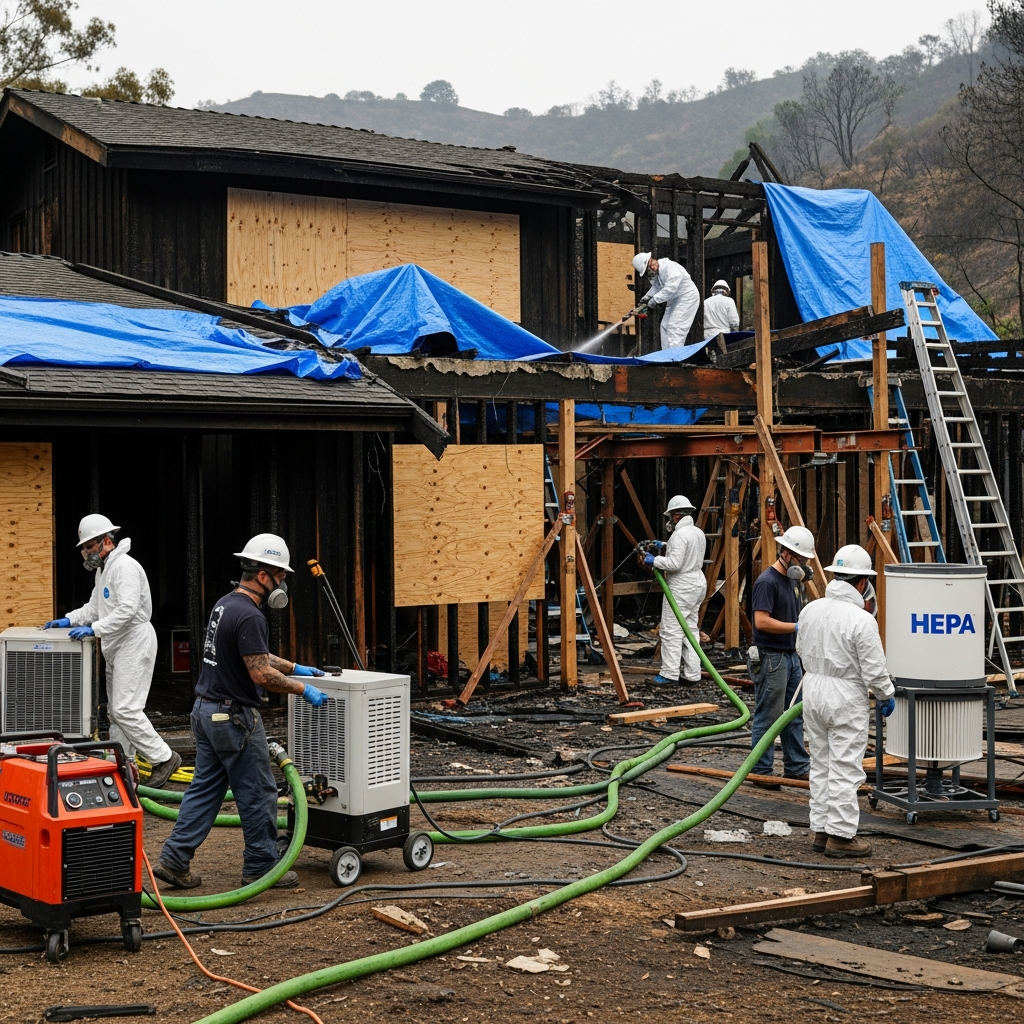
The most visible trend is actually invisible: better air. Restoration teams increasingly deploy portable HEPA air scrubbers with higher clean air delivery rates, configurable to maintain negative pressure in affected zones while families occupy other parts of the house. This approach reduces disruption without compromising results. Alongside scrubbers, whole-home filtration strategies have become more tailored, with technicians matching filter upgrades to each system’s capacity rather than applying a blanket recommendation. In a climate where open-window days are part of the joy of living, smarter filtration gives homeowners flexibility without sacrificing air quality.
Deodorization is another area undergoing thoughtful change. While ozone once dominated post-smoke conversations, Malibu projects now often favor hydroxyl generators because they can operate in occupied spaces and are gentle on materials and electronics. Thermal fogging remains in the toolbox, but it is used more strategically, following rigorous source removal. The trend is toward layered solutions, beginning with physical capture of particulates, moving through surface cleaning with pH-correct products, and ending with targeted odor neutralization. This sequencing reflects a maturing field that trusts fundamentals before leaning on advanced tools.
Data-Forward Assessments and Smarter Mapping
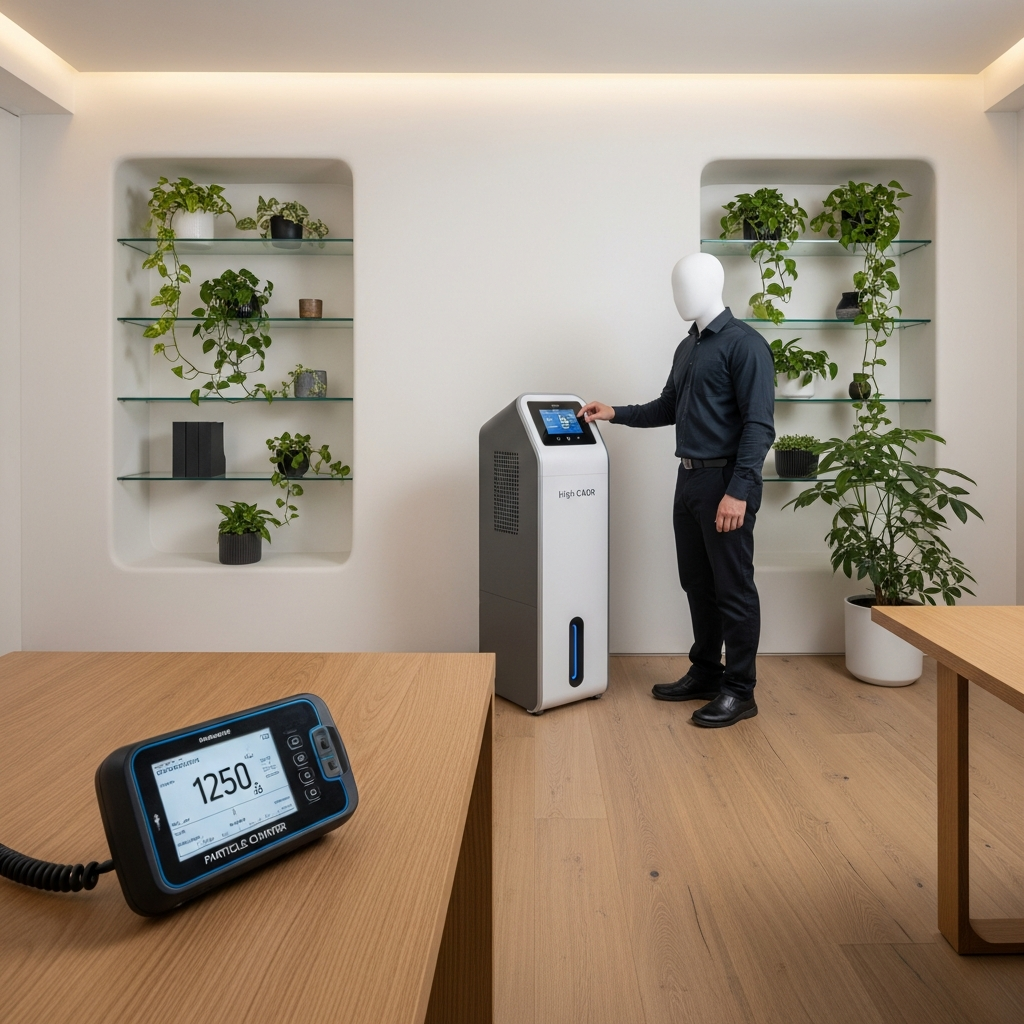
One of the most meaningful shifts is the rise of data-informed assessments. Particle counters and airborne VOC sensors help document baseline conditions and track improvements through the project. Technicians increasingly map contamination patterns through a home, noting where deposits intensify around return vents, behind leaky door weatherstrips, or along ceiling transitions. For Malibu’s microclimates—canyon eddies, bluff-top gusts, salt-laced marine layers—these maps become insight engines. They guide crews to check attic knees in windward corners or to open a soffit where a faint odor persists, shortening the path to true clearance.
This data-first mindset extends to HVAC treatment. Rather than defaulting to full-duct cleaning, teams test particulate loads and use scoped cameras to inspect turns and boots. When cleaning is needed, they favor brush-and-vacuum methods that capture debris with HEPA machines and protect delicate flex ducting. Coils receive particular attention, both for air quality and energy performance. The outcome is a system that not only smells clean but moves air efficiently, an important benefit in Malibu where shoulder seasons can see AC and heat toggling week by week.
Material-Specific Methods and Gentle Chemistries
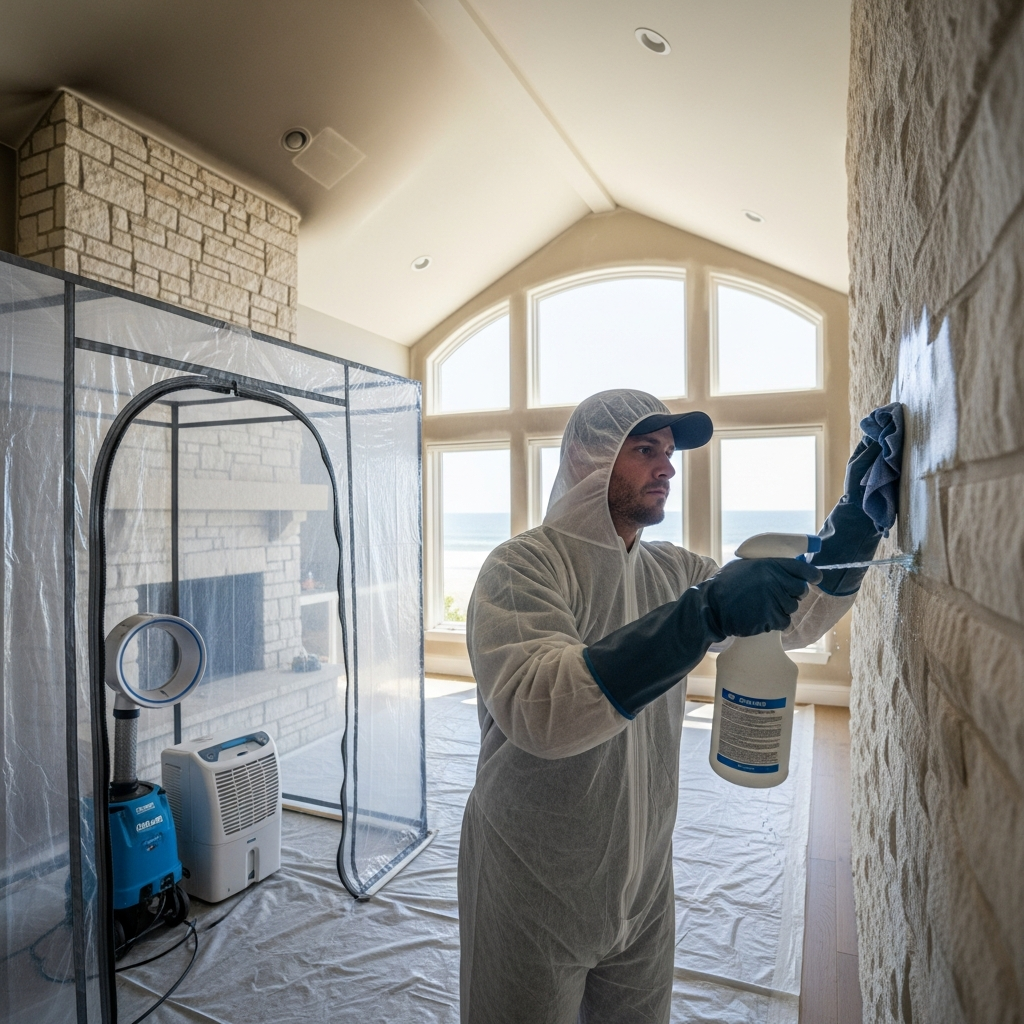
Malibu homes feature a highly curated mix of materials—limewash plasters, oiled oak, microcement, leather-wrapped handrails, and acres of glass. The trend in restoration is toward material fluency, with technicians trained to recognize finishes on sight and select chemistries accordingly. Enzyme-based cleaners are more common for protein residues, while alkaline rinses are calibrated precisely to neutralize acidic soot without clouding glass or raising wood grain. Microfiber and dry-sponge techniques precede any wet work to prevent smearing. This gentle-first approach keeps design intent intact while still achieving deep cleanup.
Another material trend is in selective encapsulation. After thorough cleaning, certain substrates prone to residual odor—raw wood in concealed cavities, for instance—may receive low-odor, low-VOC sealers. This technique has become more precise, reserved for areas where testing suggests a lingering issue rather than used broadly. The result is a home that smells neutral without the overuse of coatings that could affect future repairs or finishes.
Sustainability Without Compromise
Many Malibu homeowners care deeply about environmental impact. Restoration has responded by adopting greener products that do not sacrifice performance. Low-VOC detergents, biodegradable emulsifiers, and plant-based odor neutralizers have moved from niche to normal. Teams also minimize waste by prioritizing cleaning and restoring over replacing when materials can be saved without risk. In contents care, modern wet-wash systems use precise dosing and water temperatures to achieve high-level deodorization with less chemical footprint. Sustainability in this context is practical: fewer harsh solvents, smarter resource use, and the same or better results.
Water stewardship has joined the conversation, too. Pressure washing exterior soot from stone or stucco, for example, is calibrated to contain runoff and prevent contaminants from entering landscape drains. Crews use capture methods and choose settings that lift residues without scarring surfaces. These practices matter in Malibu, where homes are closely tied to the land and sea, and where neighbors measure success not just in clean interiors but in careful exteriors.
Contents Care Goes High-Tech
Inside the home, the trend in caring for textiles and personal items is both scientific and sensitive. Ozone-free deodorization cabinets, HEPA-filtered negative-pressure cleaning rooms, and specialized laundering systems treat fabrics more effectively than ever. Soft goods come back neutral and soft, not perfumed or stiff. For books, documents, and framed art, gentle air-washing and controlled deodorization preserve integrity. Homeowners who once assumed “smoke-damaged” meant “discarded” now see better outcomes, which is especially meaningful for items that carry family stories.
Digital inventories have also improved the process. Contents are photographed, tagged, and tracked through cleaning stages, with cloud-based records simplifying communication and insurance support. This clarity reduces stress and allows homeowners to make informed decisions about prioritizing items or staging their return to the house.
Fewer Demolition-Heavy Fixes, More Precision
A striking trend is the reduction of demolition as a default response. Instead of tearing out swaths of drywall “just in case,” restoration now emphasizes testing and targeted action. In attics, for example, insulation may be spot-removed where deposition is measured highest, paired with air sealing to prevent future infiltration. Wall cavities that trap odor get opened surgically, cleaned, and closed with documentation. This precision protects architectural integrity and shortens the path to normal life.
Flooring receives similar nuance. Smoked hardwood may be cleaned and resealed instead of replaced, with color-matched touch-ups for any visible edges. Rugs undergo controlled washing that preserves dyes and fibers. Stone counters get pH-balanced treatments to lift films without etching. The net effect is a home that looks unaltered—not “renovated after smoke”—and that preserves the investments you made in design and craftsmanship.
Neighborhood-Aware Scheduling and Quiet Workflows
Malibu neighborhoods value both privacy and pace. Restoration teams now plan around family routines, coordinating negative-pressure zones so parts of the home remain livable. Battery-powered tools and quieter vacuums reduce disruption. Crews often begin with exterior de-ashing at dawn, then transition indoors once school drop-offs are complete. This choreography matters more than it might seem; a process that fits real life is not only kinder to families but more effective because it maintains momentum without constant stop-start resets.
Post-project support is trending upward as well. Rather than disappearing after the last wipe-down, many teams return for follow-up air quality checks or filter changes, ensuring that clean conditions hold through the first humid week or windy night. That continuity gives homeowners confidence and creates a feedback loop that improves practices over time.
Designing for Future Resistance
While restoration is about the present, it increasingly informs design decisions for the future. Architects and homeowners are choosing finishes that clean easily and resist absorption: scrubbable paints with subtle sheen, sealed plasters, and resilient flooring in high-traffic indoor-outdoor transition zones. HVAC upgrades—variable-speed fans, smart controls that respond to outdoor AQI, and higher-efficiency filters—help homes ride out smoky days with less intrusion. Attic air sealing and improved weatherstripping, identified during cleanup, become permanent defenses. These choices are not about surrendering to risk; they are about harmonizing design with the realities of a climate we know well.
Community knowledge-sharing is part of the trend too. Informal neighborhood groups swap tips on preparing for wind events, protecting outdoor cushions, and knowing when to run fans versus opening windows. Restoration professionals contribute by offering simple maintenance guides tailored to Malibu’s seasons, demystifying what matters most for staying ahead of residue and odor.
For homeowners, the biggest trend might be the shift from fear to fluency. Instead of treating smoke as an overwhelming unknown, more people now see it as a manageable challenge. That perspective change is powered by better tools, better data, and a respectful approach to materials. When the next smoky day arrives, families know what to do, whom to call, and how to keep daily life moving while cleanup unfolds with precision.
At some midpoint in many projects, homeowners ask whether all these advances truly change the outcome. The evidence is in the air, quite literally. Houses cleared with today’s layered, data-informed methods stay neutral through humidity spikes and Santa Ana winds, and systems run quieter and cleaner. These are not flashy changes; they are steady gains that make living here easier when the sky turns a little sepia.
Frequently Asked Questions
Q: What new tools are most impactful for smoke cleanup? A: High-CADR HEPA air scrubbers, hydroxyl generators for safe deodorization, particle counters for assessment, and scoped cameras for HVAC inspection have all changed the game by making cleanup faster and more precise.
Q: Are green cleaning products as effective? A: Modern low-VOC detergents and biodegradable emulsifiers perform exceptionally when paired with the right process. Source removal and pH-correct cleaning matter more than harsh solvents, and greener options now meet that standard.
Q: Do these trends reduce the need for demolition? A: Yes. With better testing and mapping, crews can open only what needs opening, preserving finishes and speeding the return to normal life.
Q: How do these methods affect families staying in the home during work? A: Negative-pressure zones, quieter equipment, and careful scheduling allow many families to remain in parts of the home safely, reducing disruption without compromising results.
Q: Will advanced deodorization keep odors away long term? A: When it follows thorough source removal and cleaning, targeted deodorization holds through weather swings. The key is addressing hidden reservoirs, not just treating the air.
Q: What about the HVAC system? A: Trends emphasize testing, strategic cleaning, and appropriate filter upgrades, which protect indoor air quality and can improve system efficiency after smoke exposure.
Bring Tomorrow’s Methods Home Today
If you are facing smoke residues or lingering odors, you do not have to settle for outdated approaches. Malibu’s best practices now pair science with sensitivity, honoring your design choices while restoring the air you love. Begin with experienced professional smoke damage restoration, and let the latest techniques return your rooms to calm, clear, ocean-breeze normal.