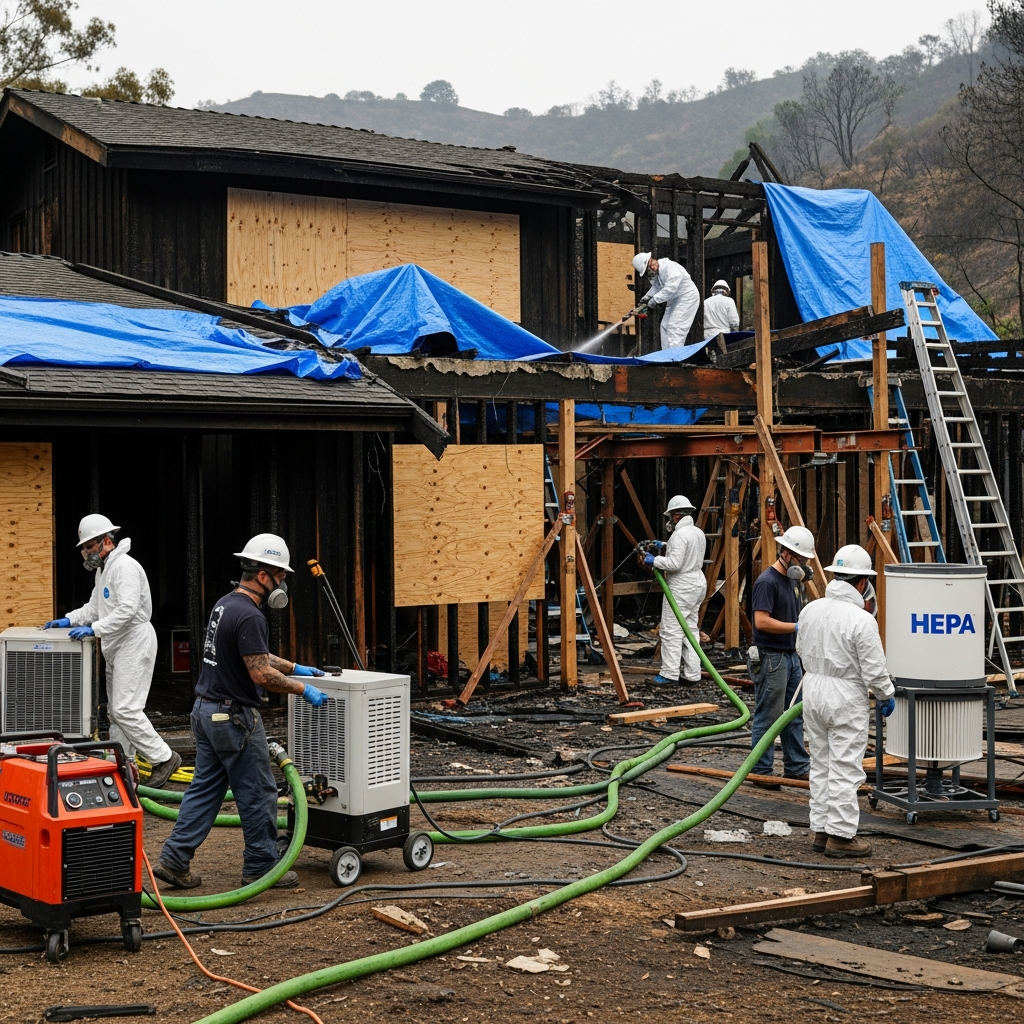
When you live in Malibu, you learn to read the sky. Onshore breeze, offshore wind, that telltale sepia haze in the afternoon light—each carries a story about where the air has been. Even when flames never come close, smoke can drift through neighborhoods, infiltrating homes by way of eaves, vents, sliding door tracks, and the simple act of opening a window to cool off after sunset. That is why timely, professional smoke damage restoration matters so profoundly here. It is not just about cleaning what you can see; it is about safeguarding health, preserving architecture, and restoring the quiet ease that Malibu living promises.
Smoke is chemistry in motion. It contains acidic gases, oily particulates, and compounds that cling to the surfaces we use every day. In a coastal microclimate, those compounds interact with salt in the air, making residues more corrosive and stubborn. Within hours, residues can dull stainless fixtures, etch glass, and leave a sticky film on cabinet faces and light switches. Left alone, a home begins to echo the event in small but persistent ways—an odor in the linen closet, a shadowy smear on a window frame that never quite wipes clean. Restoration matters because those small signals, if ignored, become enduring features.
Health is the most immediate reason to take smoke seriously. Fine particulates irritate airways and can trigger symptoms in children, elders, and anyone with asthma or allergies. Malibu homes often rely on the rhythm of open windows and sliders to keep interiors comfortable, which can inadvertently invite more smoke in during bad air days. Proper restoration retools the home to better handle these fluctuations, beginning with source removal and continuing with HEPA filtration and strategic ventilation control. The goal is to reset the air you breathe, not just to sweeten it for a week and hope for the best.
In Malibu, time compresses after smoke. The same sea breeze that makes mornings crisp also moves odors and moisture through construction assemblies. That movement can carry contaminants into places that are hard to see—behind baseboards, inside soffits, and across attic insulation. Why restoration matters is, in part, because it shines light into those hidden areas and addresses them with precision. When residues remain, they can reactivate with humidity or a gust of warm, dry wind, releasing a faint but undeniable smell that undercuts the sense of home. A well-planned restoration looks for reservoirs of contamination and neutralizes them so that the problem does not reappear when the weather changes.
Another reason hinges on materials. Malibu architecture often blends natural finishes with modern edges: plaster, white oak, limestone, sculptural lighting, expanses of glass. Each responds differently to smoke. Protein smoke from a kitchen incident behaves nothing like soot from a brush fire; one can be invisible yet pervasive, the other obvious but easier to lift. Without the right approach, even good intentions can cause damage—rubbing a dry sponge across a glossy wall can scuff; the wrong cleaner can discolor stone. Restoration matters because it applies material science to your specific rooms rather than a one-size-fits-all checklist.
The HVAC Factor and Indoor Air Integrity
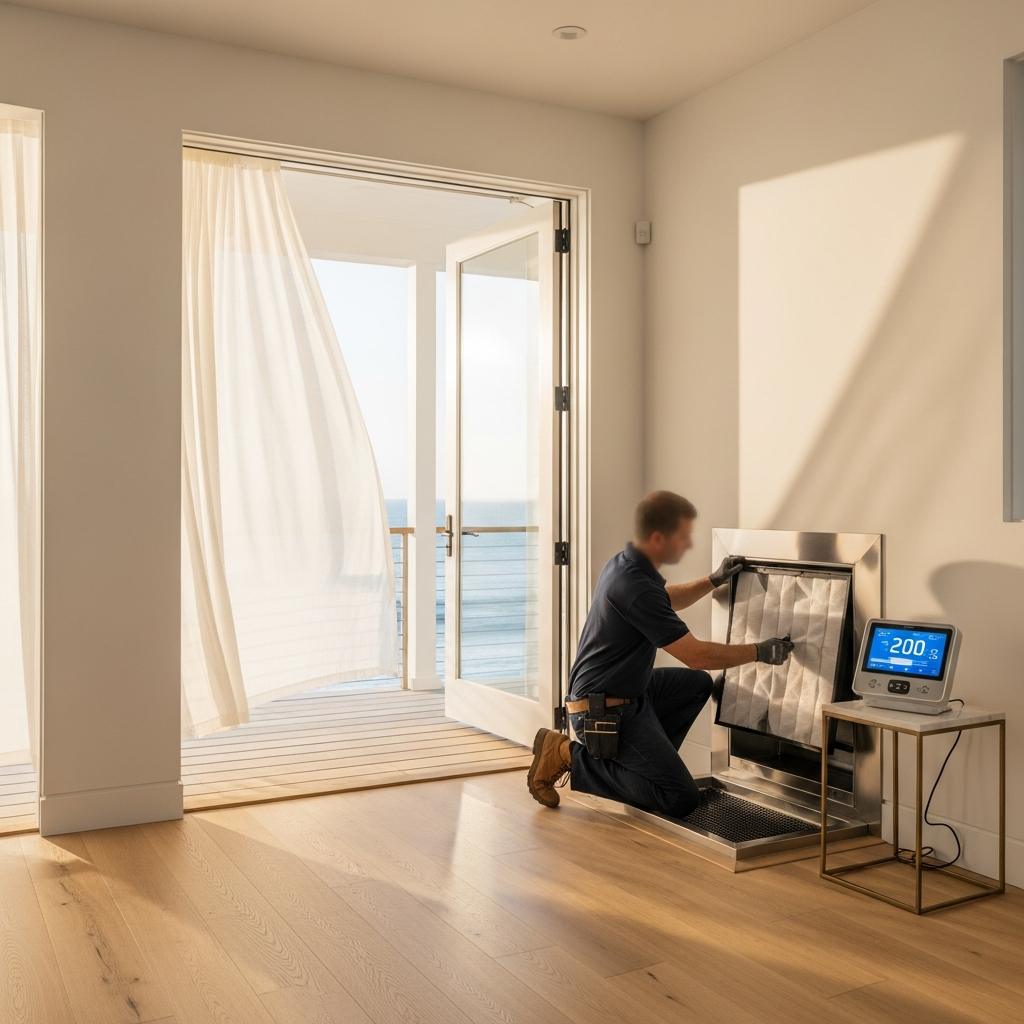
Ventilation and filtration can be allies or saboteurs, depending on whether they are cleaned and calibrated after smoke exposure. HVAC systems draw air in, condition it, and distribute it throughout the home. If that air contains soot, the system can become both a carrier and a collector. Coils, filters, and ductwork act like rivers and lakes, accumulating what passes through. Comprehensive restoration evaluates the system’s condition, replaces filters with appropriately rated options, and cleans ducts where testing indicates deposition. It is not glamorous, but it is foundational. Without it, a home that looks pristine can still smell like smoke when the thermostat clicks on.
It is equally important to consider how Malibu families actually live in their homes. The flow between indoor and outdoor spaces defines much of the local lifestyle. During restoration, exterior zones—patios, trellises, glass railings, outdoor kitchens—need attention because ash and soot track inside on shoes and breezes. If you only clean the interior, every step across a stone terrace reintroduces residue. Addressing both sides of the threshold matters, preserving the fluid experience of doors flung open on a blue-sky afternoon without importing yesterday’s air problems.
Documentation, Insurance, and Peace of Mind
When the air clears, paperwork begins. Restoration professionals understand that adjusters and insurers require more than subjective descriptions; they look for measurable conditions, photo evidence, and a defensible scope of work. This matters because the right documentation can support approvals for essential steps—like removing soot-laden attic insulation or deep-cleaning ductwork—that are otherwise easy to overlook. Clear documentation also offers something more personal: confidence. It is easier to exhale when you can see, in writing and images, what was done and why.
There is a financial dimension too, independent of insurance. Malibu homes carry high value tied directly to condition and comfort. Even a faint odor can shape a buyer’s first impression years later, while etched glass or dulled chrome whisper of maintenance deferred. Restoration prevents this slide by resetting the home quickly and thoroughly. It is a quiet form of stewardship—protecting the property you love so that it looks, feels, and functions as it should.
Science-Driven Cleaning for Complex Residues
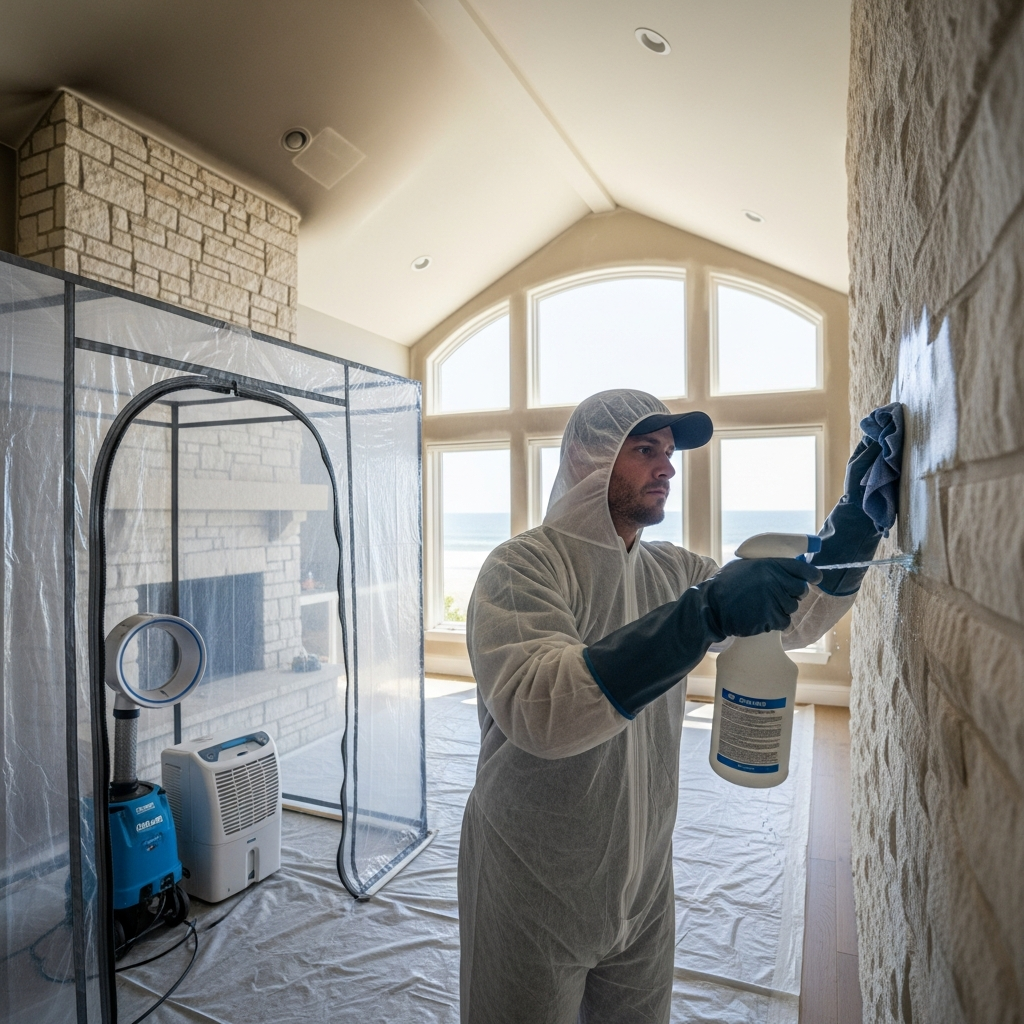
Why restoration matters becomes even clearer when you look closely at how different residues behave. Dry soot from vegetation may respond to HEPA vacuuming and dry sponging before a wet cleaning step. Greasy residues from synthetic materials require emulsifying detergents and longer dwell times. Protein residues from cooking are notoriously invisible yet pungent; they demand enzyme-based solutions. Applying the right sequence avoids smearing, staining, and setting odors deeper. The principle is simple: remove the contaminant without harming the substrate. The practice takes training, testing, and the patience to let chemistry do its work.
Odor control is similar. Deodorization is effective only after source removal. Thermal fogging can help reach nooks and crannies by following the same paths smoke traveled, binding to odor molecules. Hydroxyl generators can operate safely while occupied, steadily neutralizing airborne compounds. Both approaches matter, but neither replaces the basics of vacuuming with true HEPA tools, washing surfaces with pH-appropriate solutions, and laundering or treating textiles. When these steps are sequenced well, odor relief is complete rather than temporary.
Local Insight: Malibu’s Microclimates and Materials
From Broad Beach to the canyons, Malibu’s neighborhoods experience smoke differently. Homes perched on bluffs may get abrasive winds that force particulates past window gaskets; canyon homes can find ash settling in predictable eddies around soffits. Salt hangs in the air in some pockets more than others, accelerating corrosion when it mingles with acidic residues. Local experience matters because it shortens the hunt for hidden issues. It points the technician to an attic knee wall behind the primary suite, or to a rarely opened slider by the dining room where a faint odor remains. This local fluency keeps restoration efficient, targeted, and respectful of your time.
Midway through many projects, homeowners ask whether airing out and waiting might achieve the same result. The answer, as gentle as possible, is no. Time alone seldom solves a chemical and particulate problem. On days when humidity rises, volatile compounds lift and odors bloom; when winds kick up, settled dust becomes airborne again. The case for professional smoke damage restoration rests on breaking this cycle—removing what fuels the odor and corrosion so that weather becomes background again, not a trigger for worry.
Protecting What Makes a House a Home
Beyond surfaces and systems, homes are built of memories stitched into fabrics, photos, art, and the well-worn grain of a dining table. Smoke creeps into these elements, too. A thoughtful contents plan separates what can be cleaned on-site from what benefits from controlled, off-site treatment. Textiles undergo specialized laundering; books and documents may be air-washed and deodorized with gentle methods; wooden items are cleaned and, if needed, sealed to lock in any lingering odor molecules after removal. Restoration matters here because it takes seriously the emotional map of a home, not just its blueprint.
Children’s rooms, nurseries, and spaces used by older adults often receive special attention. Soft toys, bedding, and upholstery can harbor odors even when they look clean. Targeting these areas for deeper treatment returns peace of mind, the kind that lets a parent tuck a child in without smelling smoke in the pillowcase. Small as it may seem, this is the heart of why the work matters: restoring trust in the ordinary.
Resilience and Readiness for the Next Season
Malibu’s story includes cycles of wind and weather that will come again. Restoration becomes an opportunity to harden the home against future smoke days. Upgrading to a higher-efficiency filter that your system can handle, sealing attic penetrations identified during cleaning, and adopting a simple air quality routine—checking outdoor readings before opening windows, running the fan on circulate mode with a clean filter—are practical steps. They turn a stressful episode into a turning point toward resilience, minimizing the disruption the next time the air turns sepia.
There is also a design dimension to readiness. In some cases, replacing a portion of insulation with a product less prone to odor absorption, or selecting interior paints and finishes that clean more easily, can make future maintenance smoother. None of these steps are about living in fear; they are about living well in a place you love, with an honest understanding of its rhythms.
Frequently Asked Questions
Q: If there was no visible fire damage, do I still need restoration? A: Yes. Smoke can travel for miles and deposit fine residues that affect health and materials. Invisible does not mean harmless, especially when odors reappear with humidity or HVAC use.
Q: How long does professional restoration take? A: Duration depends on the size of the home, the extent of residue, and whether HVAC or insulation require attention. Many projects progress in phases so families can occupy parts of the home safely during work.
Q: Will cleaning products harm my finishes? A: Professional teams test surfaces and use pH-appropriate solutions, adjusting methods to protect materials like stone, glass, wood, and specialty coatings common in Malibu homes.
Q: Can odors be fully removed? A: In the vast majority of cases, yes, when source removal, surface cleaning, textile treatment, and targeted deodorization are combined. The goal is a neutral, clean scent that endures through weather changes.
Q: What about pets and outdoor areas? A: Patios, decks, and pet zones are included to prevent re-soiling. Pet bedding and favorite spots receive thorough cleaning to avoid carrying residues back indoors.
Q: Will insurance cover everything? A: Coverage varies. Detailed documentation and a clear scope of work help support your claim. Restoration companies can provide the evidence adjusters need to evaluate the situation properly.
Q: Is ozone used during deodorization? A: Many projects favor hydroxyl treatment that can operate in occupied spaces. Ozone is sometimes used in controlled, unoccupied settings, but source removal always comes first.
Take Back the Air in Your Malibu Home
If smoke has touched your home, you deserve a careful, thorough reset that respects your time, your materials, and your peace. Connect with local experts who understand our coastal climate and its challenges, and begin a plan that restores clarity to every room. Start today with trusted smoke damage restoration in Malibu, and breathe easy again, from the canyon breezes to the ocean views.